War stories are easy to tell. There’s action, adventure, and good versus evil. For most veterans, their service is not defined or explained by their war stories. For most veterans, the story that is by far the most difficult to write, and to live, is the story they have to write themselves. In this episode, Fran Racioppi sat down with Steven Grayhm, writer and director of Sheepdog, a film dedicated to telling the most difficult story of our veterans.
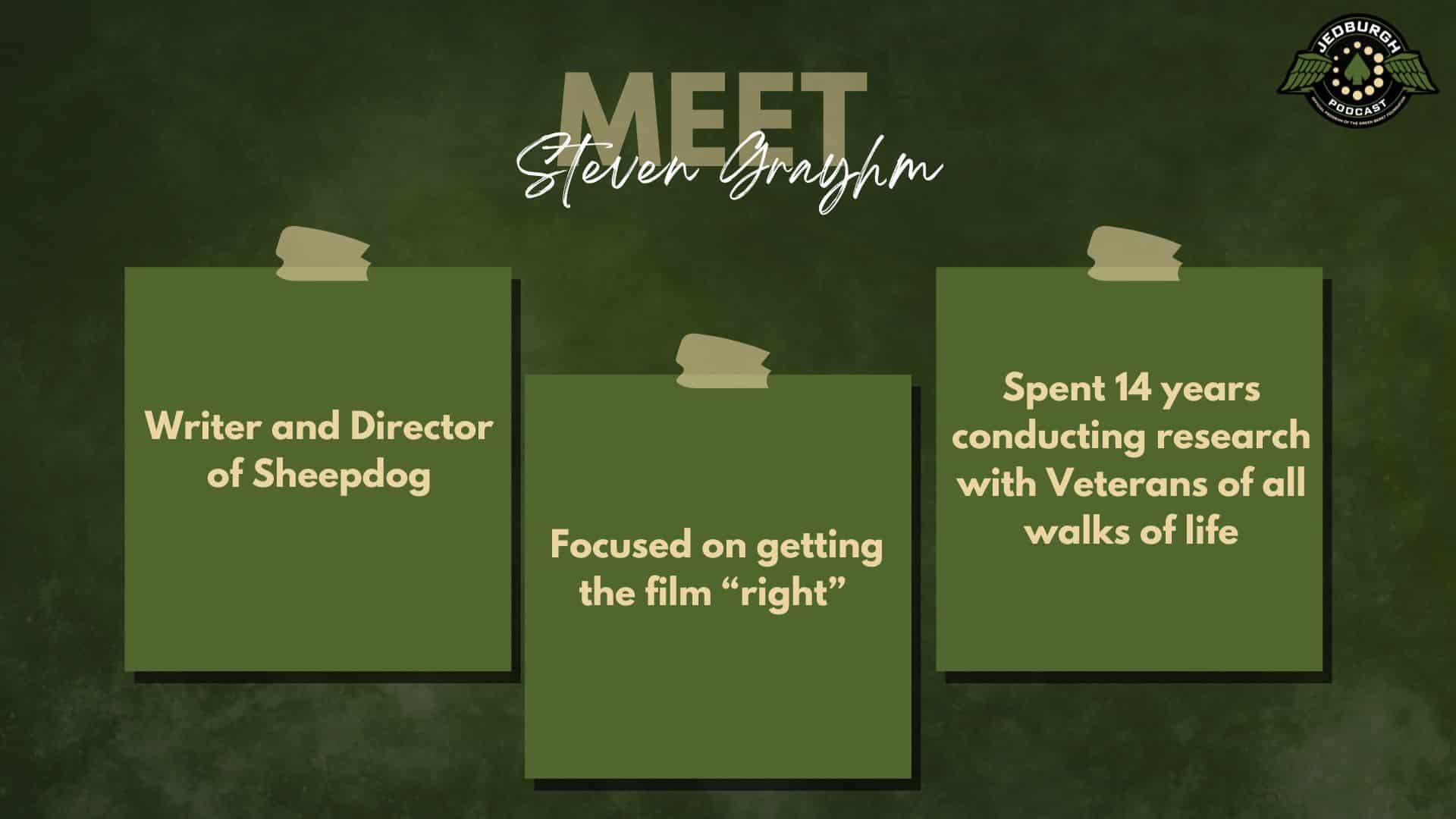
The story of what happens to us, our families, our friends, and those around us when the war stories fade, reality sets in, and the hard work must actually begin. Steven explains his fourteen-year journey to make Sheepdog, the thousands of hours he spent with veterans of all walks of life, his embedment at the VA hospitals across the country, and the reality of independent filmmaking, a blue-collar process rooted in grit rather than the red carpet, where every dollar raised is face-to-face and every decision carries weight.
The film confronts veteran suicide honestly, while reinforcing a simple truth. Ending your life does not end the pain. It ends the possibility of ever getting better. What drove Sheepdog was not an interest in war, but a responsibility to understand what happens after it. Steven and his team studied the realities of trauma, addiction, brain injury, generational differences between Vietnam and the post-9/11 service members, and the long shadow that work can cast over identity and purpose. They went where the conversations were uncomfortable, where the answers were not clean, and where trust had to be earned.
The result is a film that focuses not on combat, but on the war within. Veterans are not victims. Sheepdog recognizes that service members volunteered, took risks, and earned something that does not disappear when the uniform comes off. A veteran’s perspective matters. Trauma exists, but it does not eliminate the responsibility of veterans to continue their personal and professional growth post-service. Sheepdog is a story about redefining purpose, about post-traumatic growth, about the courage required to take the first step forward when the path is unclear.
It reflects the reality that transition is not a checklist, that no two experiences are the same, and that finding the right sense of mission after service is critical. Special thanks to Steven and the Sheepdog Team for their tireless effort in making this film. Follow The Jedburgh Podcast and the Green Beret Foundation on social media. Listen on your favorite podcast platform. Read on our website and watch the full video version on YouTube as we show you why America must continue to lead from the front, no matter the challenge.
—
—
Steven, welcome to the Jedburgh Podcast.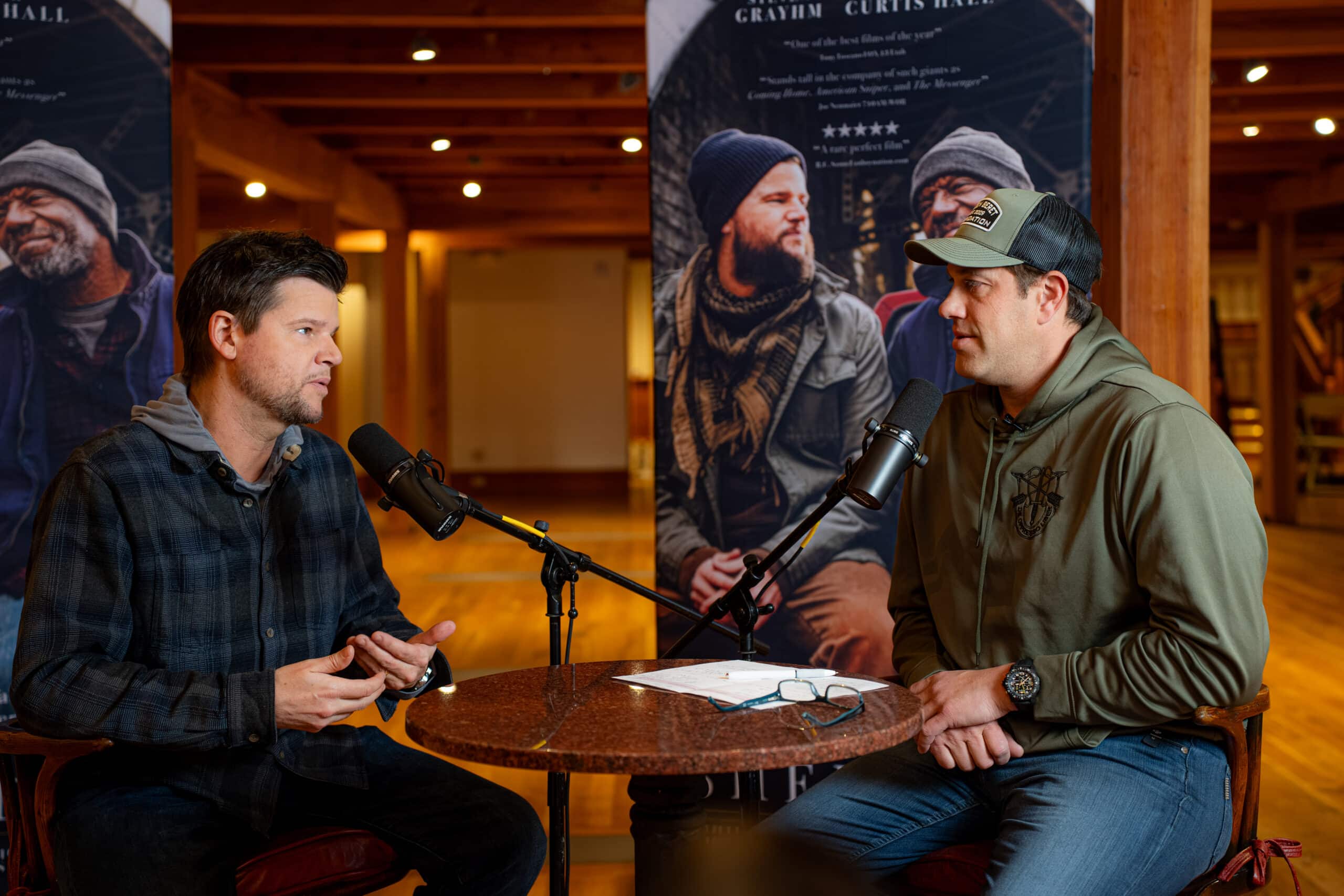
Thank you for having me.
I appreciate what you have done here. We are going to talk a lot about Sheepdog, the movie, which is going to come out here in the next couple of days. There are a few films that I believe capture the essence of what it means to be a veteran. We have a lot of film writers who capture various aspects of soldiering, what it is like to go to combat, and the glorification of war. It is very hard to tell the story of what it is like to come home.
I have said time and time again, as we started this episode, as I have had to go through my transition journey, which I cannot believe we are coming up on ten years now. I am fortunate to still be so connected to the community. It feels like yesterday. The hardest thing I have ever done was not to become a Green Beret. It was not to be a Green Beret. For so many of the reasons that you highlight in this film. I want to start with, why did you want to make this movie?
I would say going back into my youth, I think that the foundation was laid in my early years. My grandfather was a POW of the Second World War. He was a Polish farmer. I grew up to his stories when I was young about his survival and my grandmother’s survival of being captured, held captive on their own land, and being tortured.
Of course, the liberation from the allied forces and American troops. That stays with you for life. At some point in my life, there likely would have been a call to action within me as my thank you because I would not be sitting here with you if it had not been for the liberation of Europe, but also my survival instincts to make it to North America during those five years.
In 2011, my car broke down three hours north of Los Angeles. I was shooting a movie in Vancouver as an actor for a month and I wrapped and I drove through the night and I am tired, car overheats, pull over on the side of the 5 Freeway, call AAA, they send out the local tow guy and he was just like, “Saddle up partner, we got a ride, a long ride into town.” You had to know, too, that they do not normally get these calls. I had an AAA Plus to get you into three hours of towing.
It is desolate out there between Fresno and LA.
I am good, and I am just tired, and I am nodding off. He began to open up about his own life. His challenges of being a father of three, some of the marital issues he was experiencing, and financial hardship. He began to open up about the various medications that he was on that were tethered to his military service and his deployments. He had only been back since 2011. He had only been back a year and a half. He just transitioned out.
I do not think I said like three words. I just listened. Throughout that entire conversation, he would remark, “I cannot believe I am telling you this, man. I do not even know you. I cannot believe I have never told my wife, and I have not told a therapist.” By the time we got back to LA, I thanked him for getting me home safe and for being so open and sharing. As a civilian, you know what to do. I was like, “Brother, I am here for you.”
I really meant that. I was like, “If you ever want to go for a beer, I am here. I will come see you or whatever.” There was a look in his eyes that I was certain was comforted by the fact that he would likely never see me again. That was a very learned moment to be like, “It is easier to tell somebody who will listen to you without prejudice and not judge you than it would be to tell somebody in your direct circle.”
That was the seminal moment. That summer of 2011, I went on a nationwide road trip with my co-star in the film, Matt Dallas, to uncover the truth, to see if there were more men and women like this tow truck driver who were suffering in silence. Folks who had served their country honorably came home and felt so disconnected from their families, their communities, and even from their brothers that they served with. That summer, we set out to uncover that truth, which became the foundation for Sheepdog.
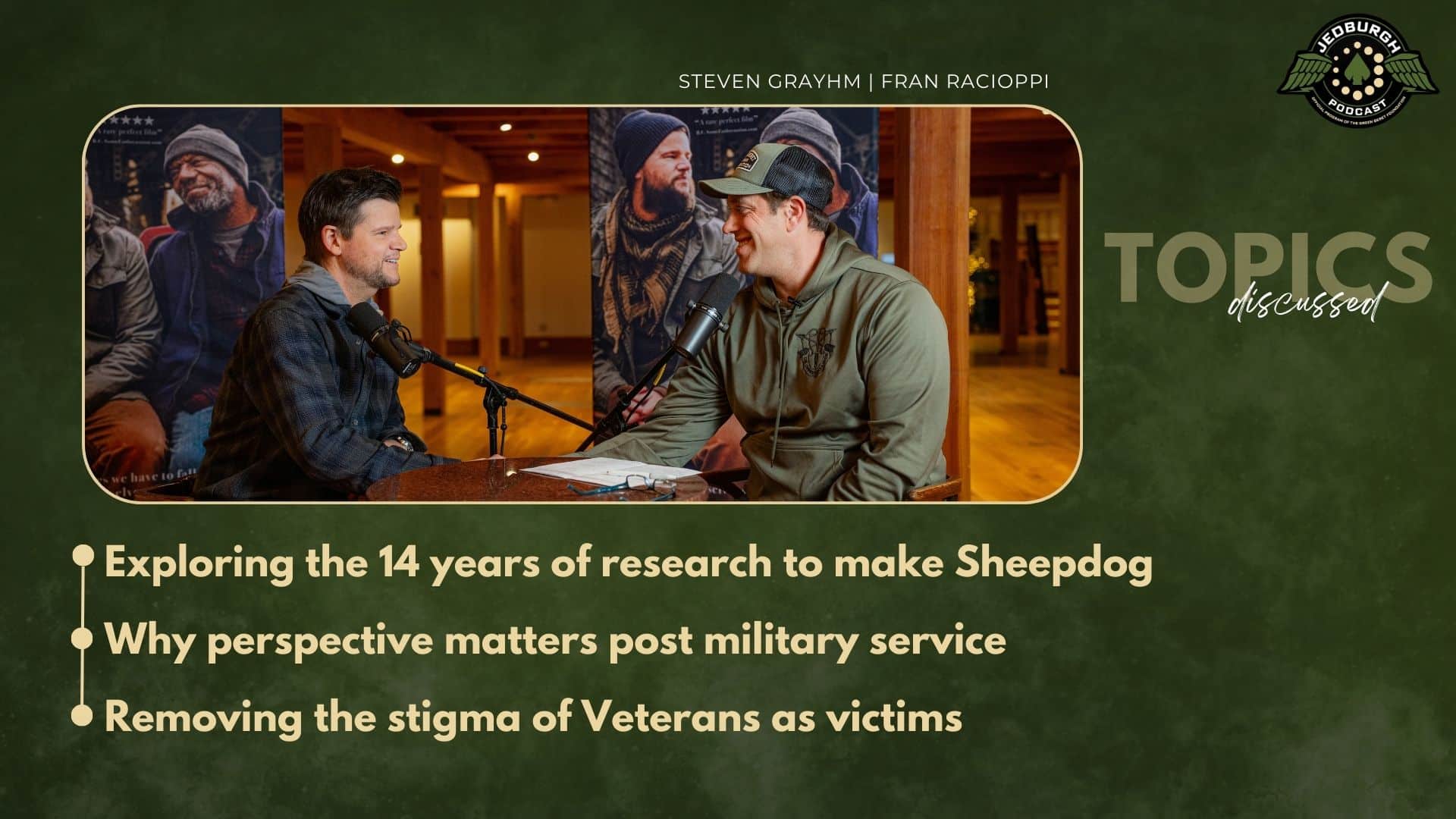
You cover a lot in this film when you talk about scars of combat, going through and understanding the highest highs and lowest lows. You talk about tribes and the difference between tribes and friendship, and what that truly means. Addiction to drugs and alcohol, TBIs, the tie to CTE, and how that has led to so many other medical challenges that our veterans face. When we look at our veteran community, and you mentioned you had the chance to sit down with so many folks, talk more about the research, because you did not serve, and neither did Matt. In order to really pull this off, you have to become an expert on something that, at the outset, you know very little.
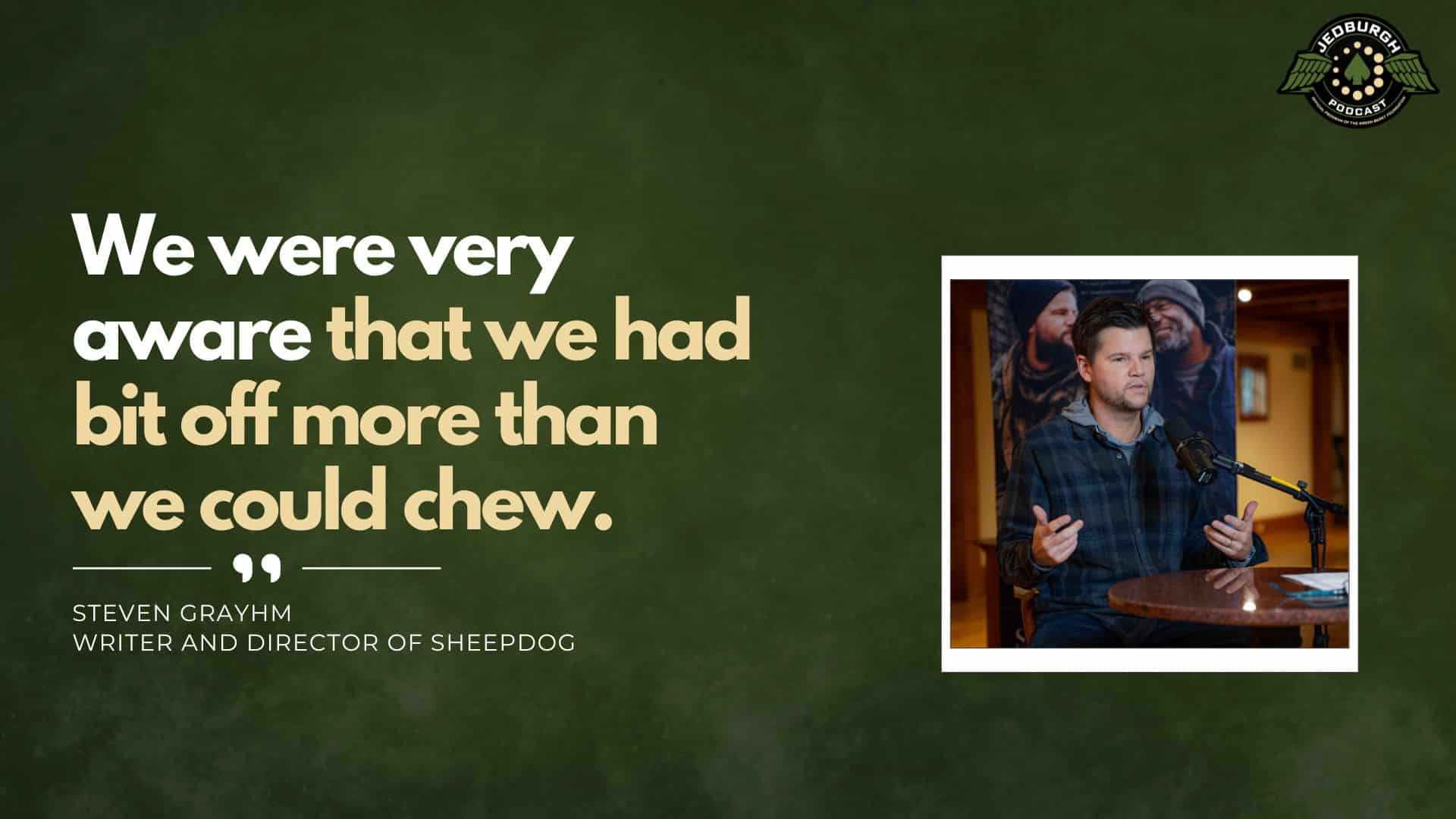
Terrifying. From the very first veteran that we met with in McAllen, Texas, it became very personal very quickly. We were very aware that we had bitten off more than we could chew. We had no medical background. Not in trauma, psychology, neurology, none of that. We were just idealistic. Our intentions were pure because we had no agenda, but to be in service of veterans like yourself, to understand your plight. That was it. The research began on that first road trip, where we were willing to speak to anybody and everybody who would speak with us.
We took it very seriously. We learned very quickly not to set up cameras because the moment you put a camera on somebody, it just becomes a different thing. We worked really hard to build trust. We were very fortunate that folks stuck their necks out for us. I will give an example. When you meet with certain groups of guys that serve in the same unit and are all over the country, they may call another guy they served within the unit, saying, “I can vouch for these guys. What they are doing could be really helpful to our community.”
Good, dude.
When you hear good, yeah, he is solid. He has a wicked smile. Anyway, Gold Star families did that for us. That first road trip, I walked into the VA in Detroit, and I do not know what, I look back on it now, of how ridiculous we must have sounded to them, but I was just trying to make allies, just trying to understand the system. I was very lucky that a lady, Lisa, who was one of the heads of that particular VA, had taken a chance on us.
She spoke to Dr. Tara Consolino, who is now a very close friend who also loosely inspired Virginia Madsen’s character as a trauma therapist in it. It was baby steps. Over the course of years, I was able to turn a custodian’s broom closet into an office, and I would go there, stay in Detroit for sometimes a month at a time, and role-play with doctors and veterans and just absorb it. Over that time, you become a fly on the wall.
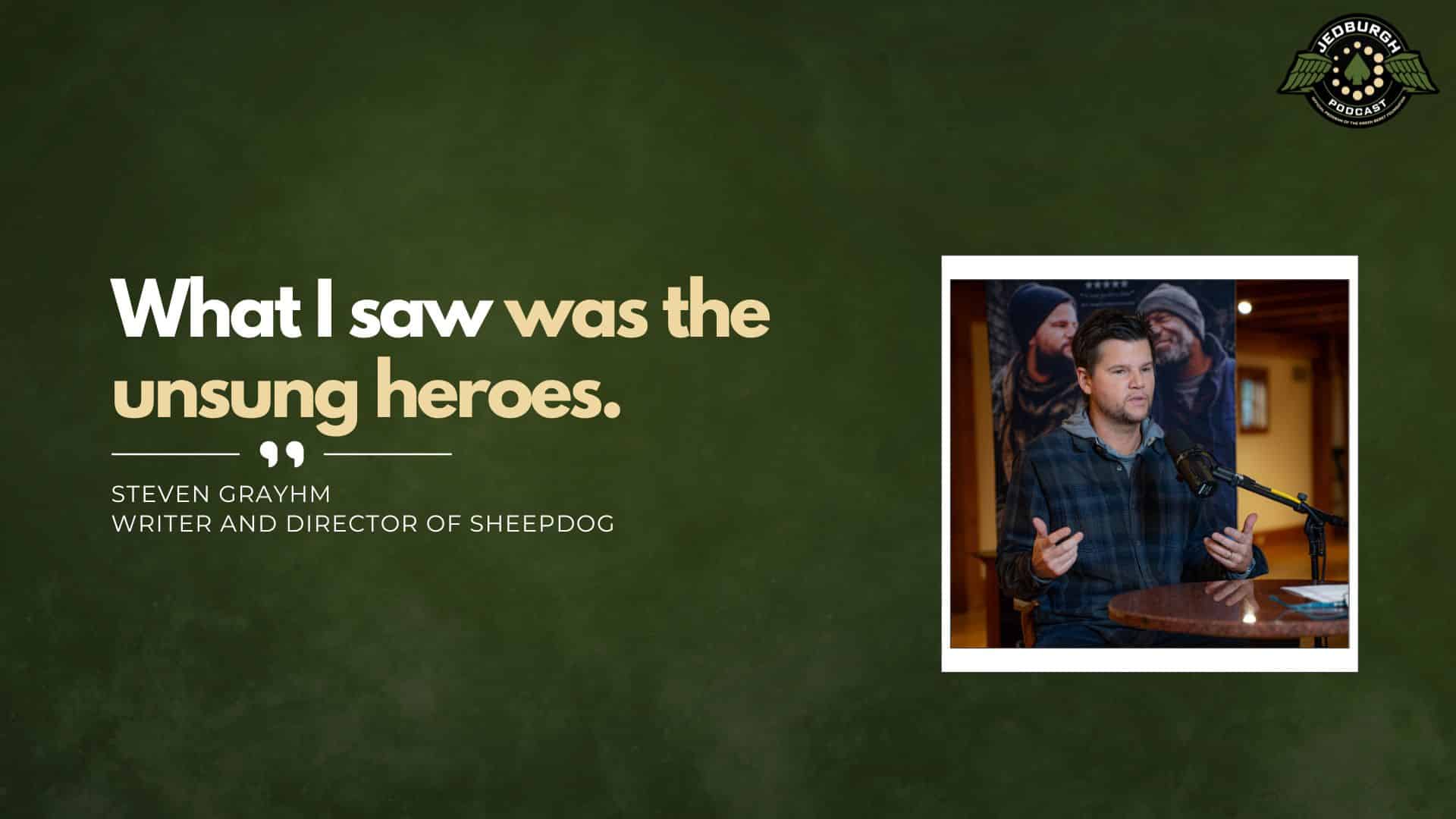
If, for any cynics tuning in, yes, in the beginning, I am sure that you would expect the VA to present the best possible veneer, if you will. I am telling you what I saw was the unsung heroes. It was the folks who were showing up every day to work, trying to make a difference in earnest and making breakthroughs, some of them with our veterans.
In my research, getting into that role-playing to undergo EMDR treatments, prolonged exposure to really fully understand what it is. Also, then you get into all the medications that are being prescribed and why, and what does that do, and what does this do, to try to fully understand the full scope of it. Of course, trying to make an entertaining story that can take place in two hours.
The VA is a complicated place. We have been really fortunate on this show to be able to sit down with Secretary Doug Collins, the Secretary of the VA, and really hear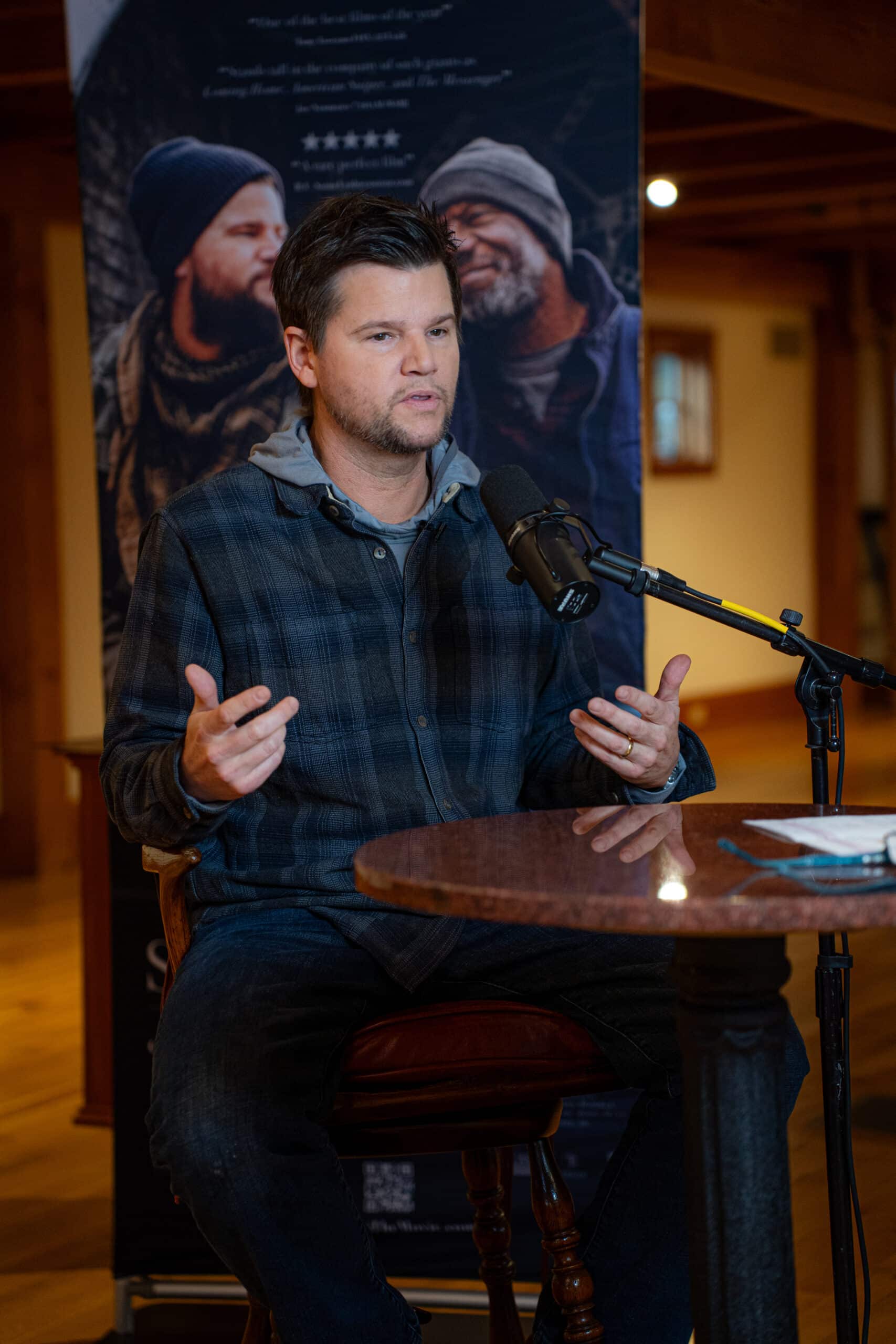
When I talk about generation, I talk about the Vietnam generation. When we talk about what we call the post 9/11 generation, the Global War on Terror generation. That generation in between, who was trained and brought up by the Vietnam generation, had the Gulf War, which had to transition to counter-terrorism operations, which was much different than what the military had done in the past, especially for the previous few decades.
You spend, I would call it a lot of time in the movie, but you have to understand what you are looking at, I think, to get the subtlety behind that. You address the differences between those two generations, between the Vietnam generation and the post 9/11 generation, when you have Calvin and Whitney as two of the main characters here, and the bond that they form, which transcends those generations. Why was that such an important part of the story for you? You saw that, and I want you to tie it back into the VA. I know that is what you saw when you sat in the VA, when you saw those two different types of people live.
Just sit in a waiting room, and you just like that right there, it is just very eye-opening. I thought it was important to hold the mirror up to show what I saw. For instance, Vondie Curtis-Hall’s character, Whitney St. Germain, plays a Vietnam veteran, and I had done multiple Honor Flights to DC out of Austin. For those who do not know, you chaperone Vietnam veterans and World War II veterans to their respective memorials in DC.
I spent a weekend together. They are yours to take care of. You share a hotel room. It is very intimate. In that time, if you are lucky, fast friends, it starts off very emotional if you are going to the wall. You can imagine that some of these folks have not been on a plane, some of them in these rural areas, since they served, since that plane back home from their service. It is heavy, but it is also beautiful.
If you are lucky enough to be invited down to the hotel lobby bar for a whiskey on that first night, that is where you take it all in. I was very open with a lot of the Vietnam veterans that I was explaining, like I was writing a film on the subject matter, and so on, and they were all so gracious and so open. I will say, though, in all of that, I did get to see the differences.
Sometimes you have like OIF and OEF that are also chaperoning. I was a civilian. They get to see the differences as the chaperone. You will see the difference between World War II veterans and Vietnam veterans. I will give you an example. We had a scenario where a couple of guys were arguing, and one of the World War II veterans was just ripping on one of the Vietnam vets, and he was like, “We did not get to come home until we won the war.”
You went on a tour and took a civilian, and you are like, “Whoa.” You have the OIF and the OEF guys that are like, “In the Vietnam vets are like, you were not dropped into a jungle with like trench foot malaria, reptiles.” Just keep going on. Again, respectively in their own worlds, comparing their differences, but also the similarities of sacrifice and service.
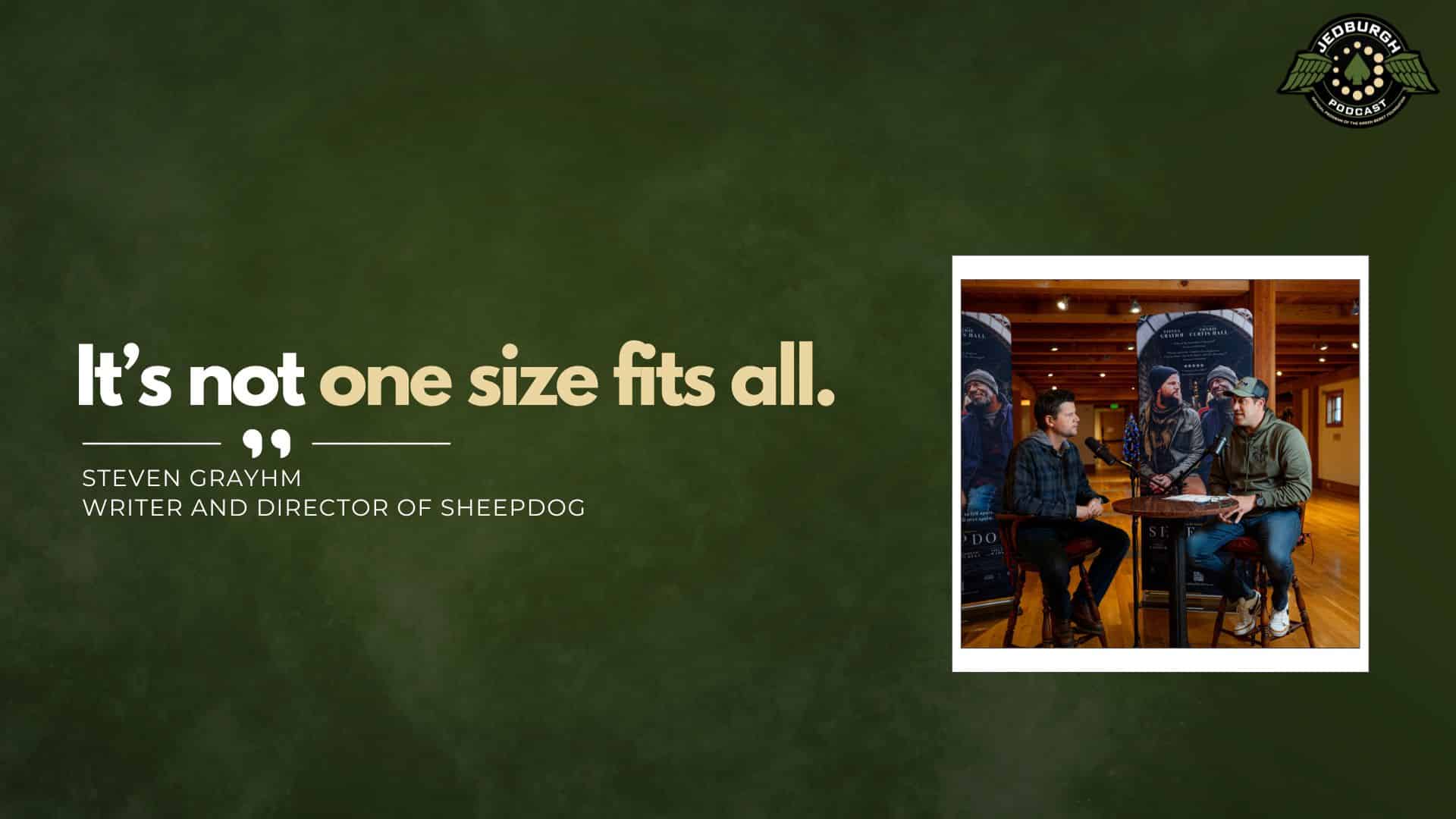
I thought it was important in the film that, yes, some of those things can be humorous. Also, it is like walking a mile in somebody else’s shoes. I wanted the audience to understand that it is not one size fits all. Your experience, even as a Green Beret, is incredibly different than somebody else’s, but your sacrifice, sitting down at a table, and the courage it takes to make that sacrifice is similar.
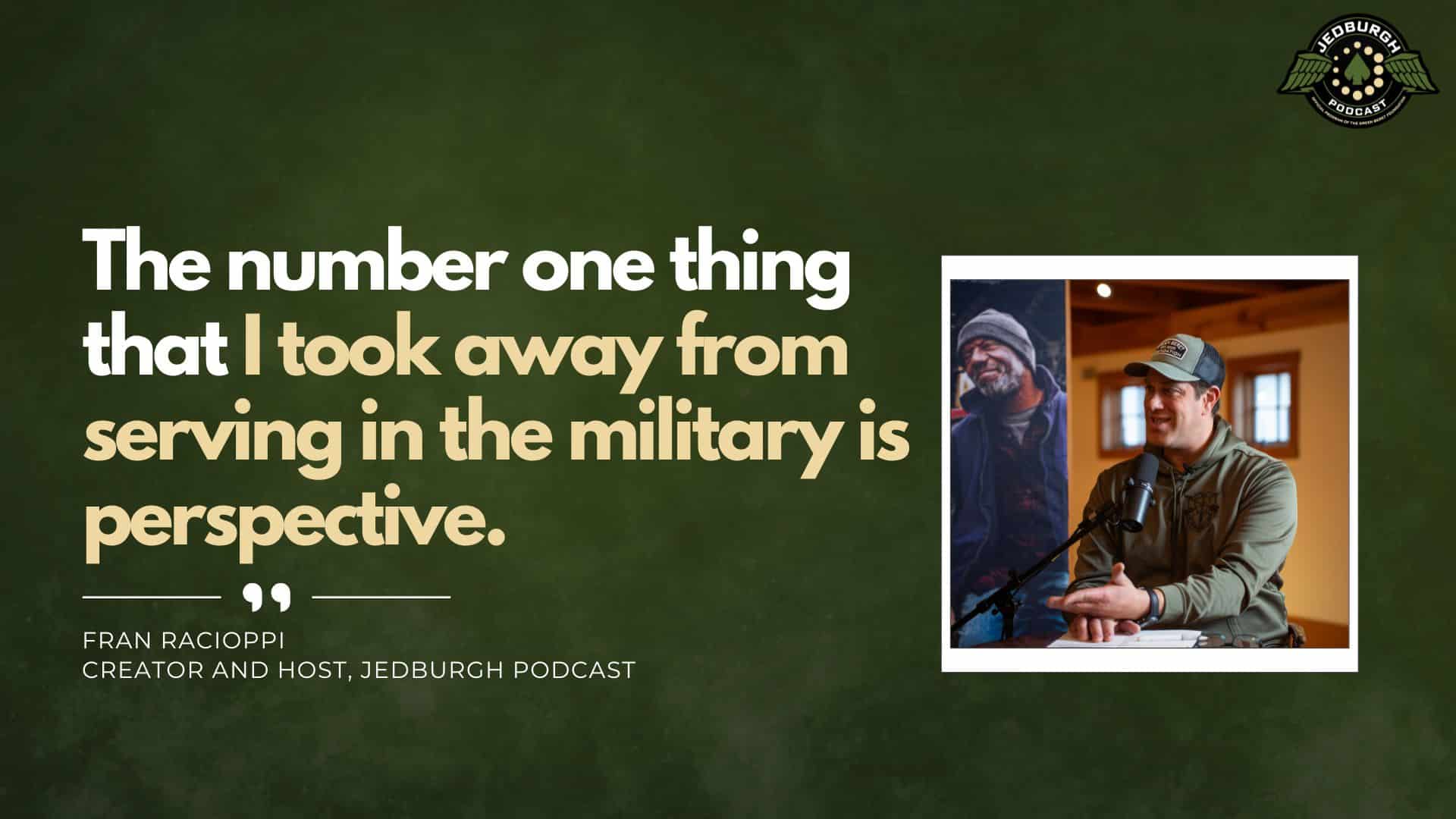
One of the refrains of the film is this concept that pain is relative. The second part of that is here behind us. Sometimes we have to fall apart to find ourselves all over again. A lot of times, people will say, “What is the number one thing to take away from serving, from being in the military?” The answer I give them is perspective. I always have from the day I got out until today that it is perspective.
You understand a different perspective on the world, on challenges that you face, on what truly is hard versus what we find a solution to, and how we are going to do that? Why was bringing that concept into the film really important when we talk about the different perspectives that you have, whether it be from a civilian, whether it be from those various generations, or even from the caregivers themselves?
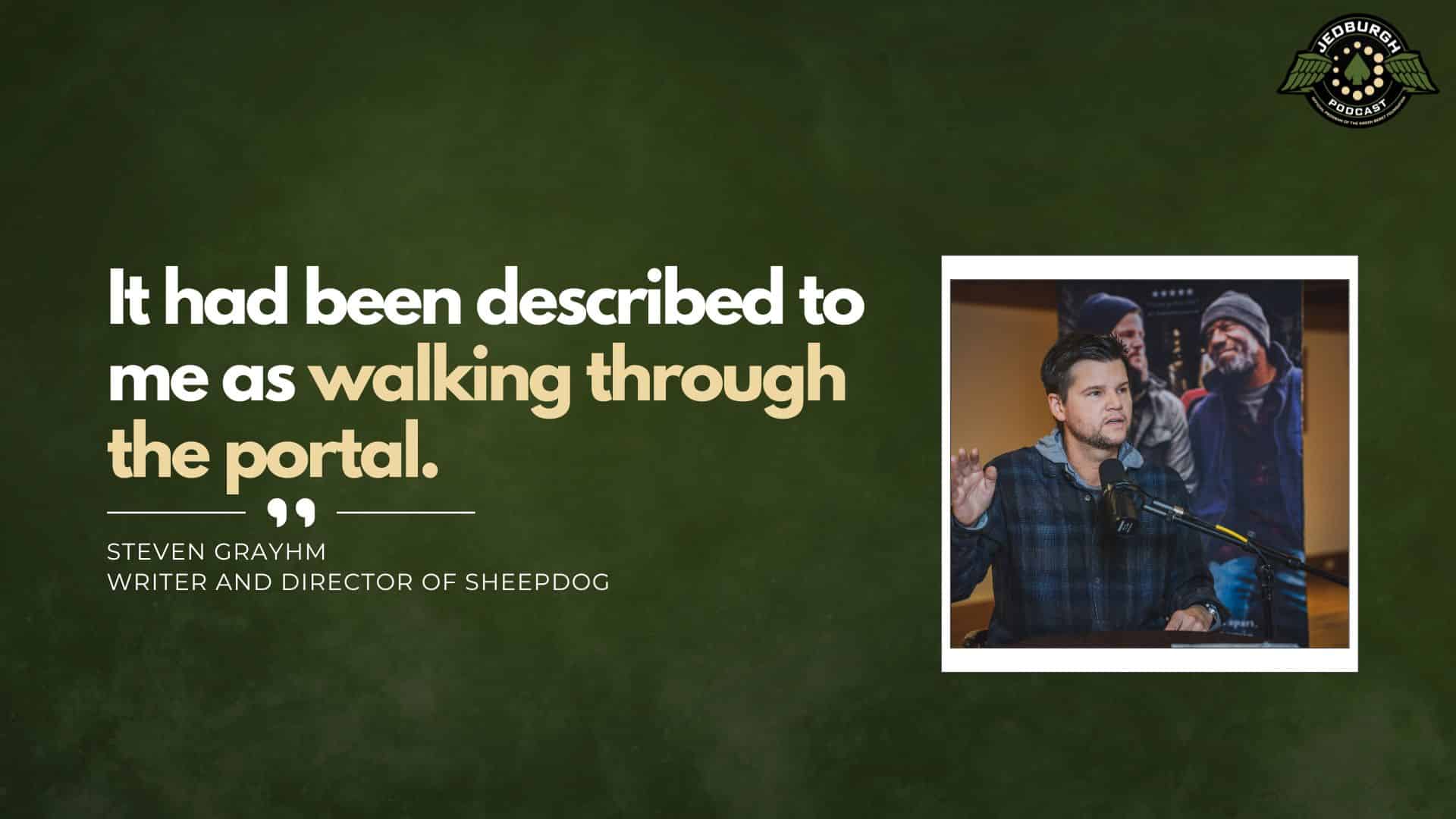
That is a loaded one. Thank you. That is very thoughtful. It had been described to me by some folks as walking through the portal. That is what Whitney has in that line in the film. That could mean various things. First of all, when somebody serves your discipline. It is like, if you are not all folks that serve are in combat, and things quickly become the most important thing is to your guy, to your left, and to your right. Most civilians cannot understand the concept of what that really means.
Most civilians cannot understand the concept of jumping over six-foot cinder block walls during a village sweep at three in the morning. That you are playing the ultimate extreme sport. These are ordinary people in extraordinary circumstances, which makes you essentially extraordinary because of the courage that it takes.
The pain aspect of it is that we say this in trauma, and I have learned this, that we do not compare our traumas, and that is why pain is relative. Trauma does not have to come, and your pain does not have to come from your military service. It could have been something from your childhood. It could be just your family dynamic, the loss of a friend, whatever it is. Why it was important to address that was that how we handle it is really important.
How we cope and soothe is really important. When Whitney says in the film, from the warrior on the battlefield with a thousand-yard stare to the cosmonaut who breaches the unknown, that was a bit about once you have gone into space and you have seen it all, your perspective as we talk about entirely changes. It was a part that had actually been cut out in the film because it was too lengthy, but Whitney goes on about Buzz Aldrin, how he came home, and God bless him, but became an alcoholic.
For a lot of people, even me, I was like, “You breach the unknown. Was it living with the insignificance of our existence? What is it and your perspective?” I have to tell you, I really appreciate you bringing that up because for those who have summited the mountain and touched the fire, that is what they talk about is your perspective. It is important to share, and I am not putting words in your mouth, but just to say that perspective sometimes can be very painful because you are living life unfiltered now.
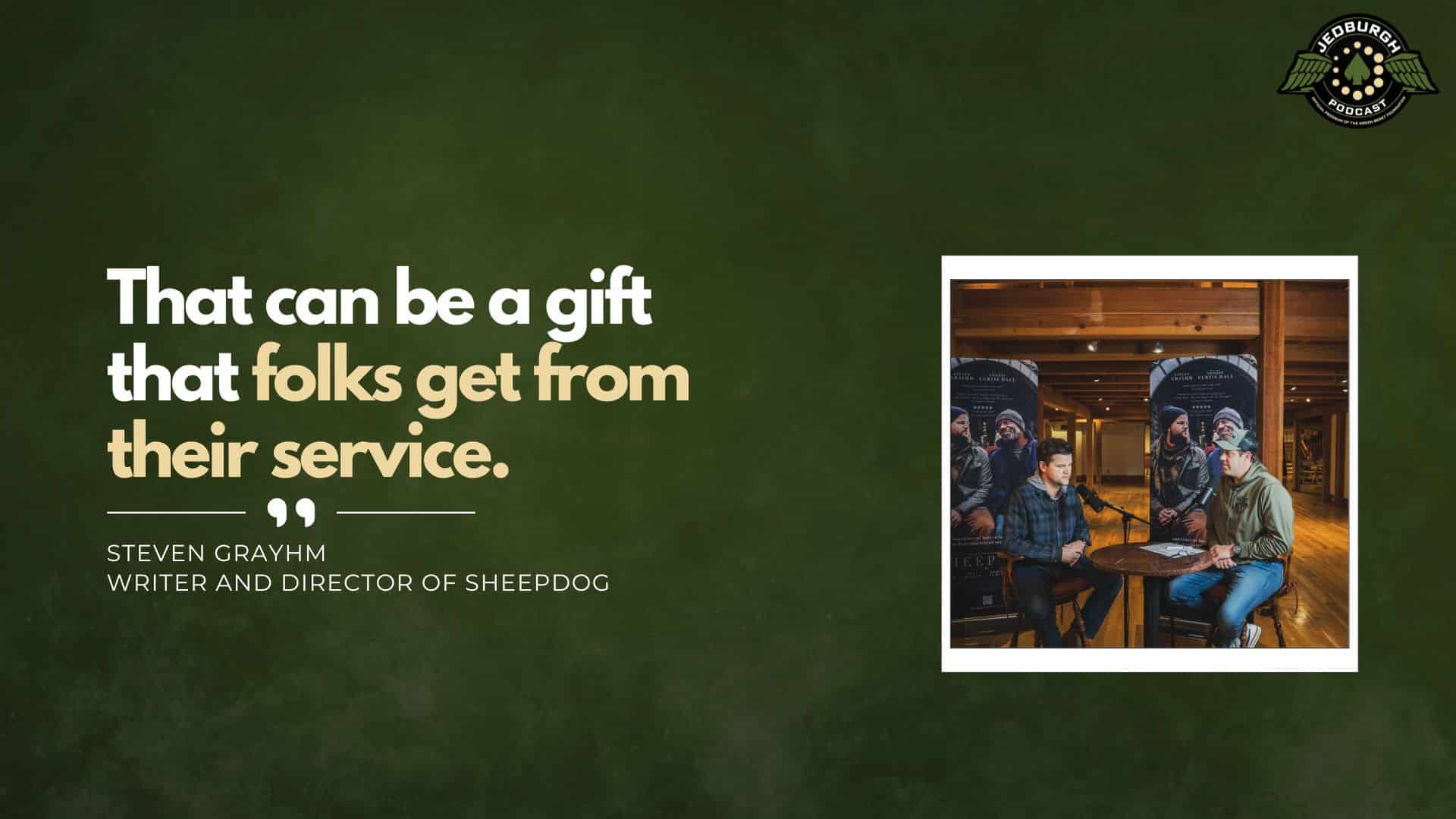
At the same time, when we talk about post-traumatic growth in the film, it is also a sense of enlightenment, your perspective. You are not going to waste time as precious to you now. How you look at your relationships with people, what matters to you most are family, relationships, commitment to service, your business, providing as a father, whatever it is, I feel like that can also be a gift that folks get from their service.
I would say that that was one of the things that struck me the most in watching the film, but also truly understanding that there are a lot of things that when you are a young soldier or Marine, Airman, have the Guardians now, which did not exist when I was in, or wherever you serve, too, there are just things you do not think about. You are trained in, and he is another subtle undertone of the film, is you are trained to do a job.
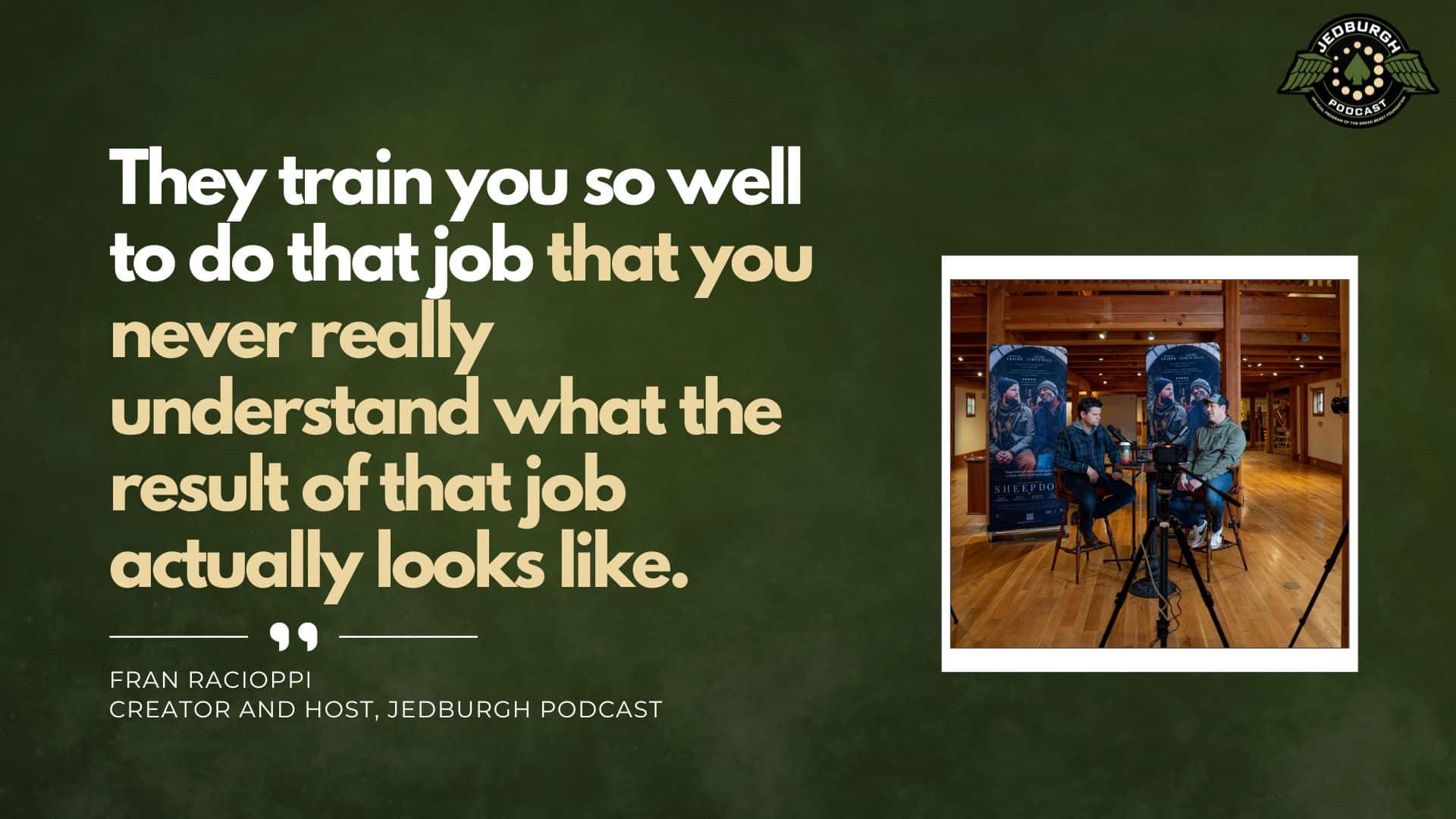
They train you so well to do that job that you never really understand what the result of that job actually looks like until you are there in that first moment. I recall. I have told this story not too many times, but I was an infantry platoon leader in combat for my first time. The only thing I wanted to do was get in a firefight until the very first firefight.
You go through years of training and go to Ranger School. You are a badass, and you are ready to bring it, and then it gets brought. For that split moment, that is about the last place on earth that you actually want to be until that training kicks in. You realize, “We have got a job to do here, or we are not going to get out of here.”
We all have to go through that in our combat experience, and it gets you to understand that there is a very real result to the training and what has been ingrained into us up to this moment. That comes through in the film, and it is something that needs to truly be understood. You talk to the phone about how you lose morality when you go into war.
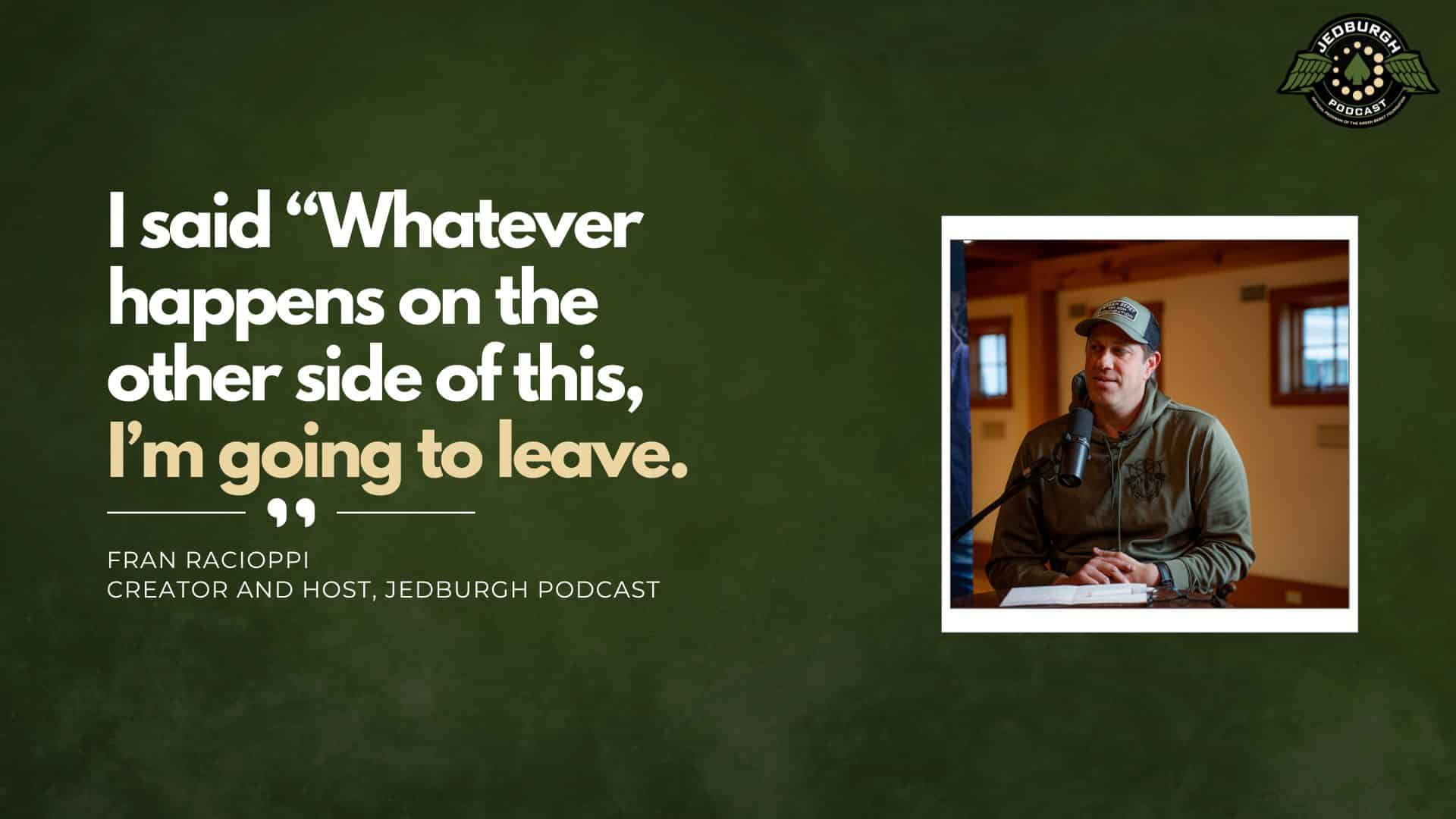
I always told myself I would leave it there. I say somewhat in just folks, maybe that will mess me up later in life. That will come to fruition, who knows? I always told myself that, and I remember the very first deployment, we got to the base of the airplane, we took the steps up, and I stopped, and I paused for a second, and I said, “Whatever happens on the other side of this, I am going to leave. It is going to be there.”
I remember coming home and stepping off that plane, off that last step, and just in my mind shedding that good for you just saying, “Look, that was there. This is this alternate reality.” I told myself that every deployment that I had, everything that I went and did over nearly a thirteen-year career, I had. I do not know if that is the best way to handle what you experience, and what you see, because another thing you talk about is that feelings are normal.
Trauma is not. You see things that you cannot prepare for that live with you. For me, I always felt like this was reality. There are real results here. Some of my friends did not come back. Other guys in my platoon, in my unit, got injured and left the battlefield that night, and I did not see them for 6 or 8 months again. Some I never saw again. There is a very real result to that.
At the same time, there are things that are happening in that reality that are not out here in Western Massachusetts, in LA, in New York. You do not have the power of arrest. You do not have the ability, and I do a lot of work with law enforcement now. A law enforcement officer draws their weapon in the line of duty.
They are under investigation, even if they do not use that weapon. We were in a job where it was expected that you would draw your weapon, use your weapon, and inflict casualties on the other side. Get in your truck and go home, eat a sandwich. Go to your room and do it again. It is a very different place.
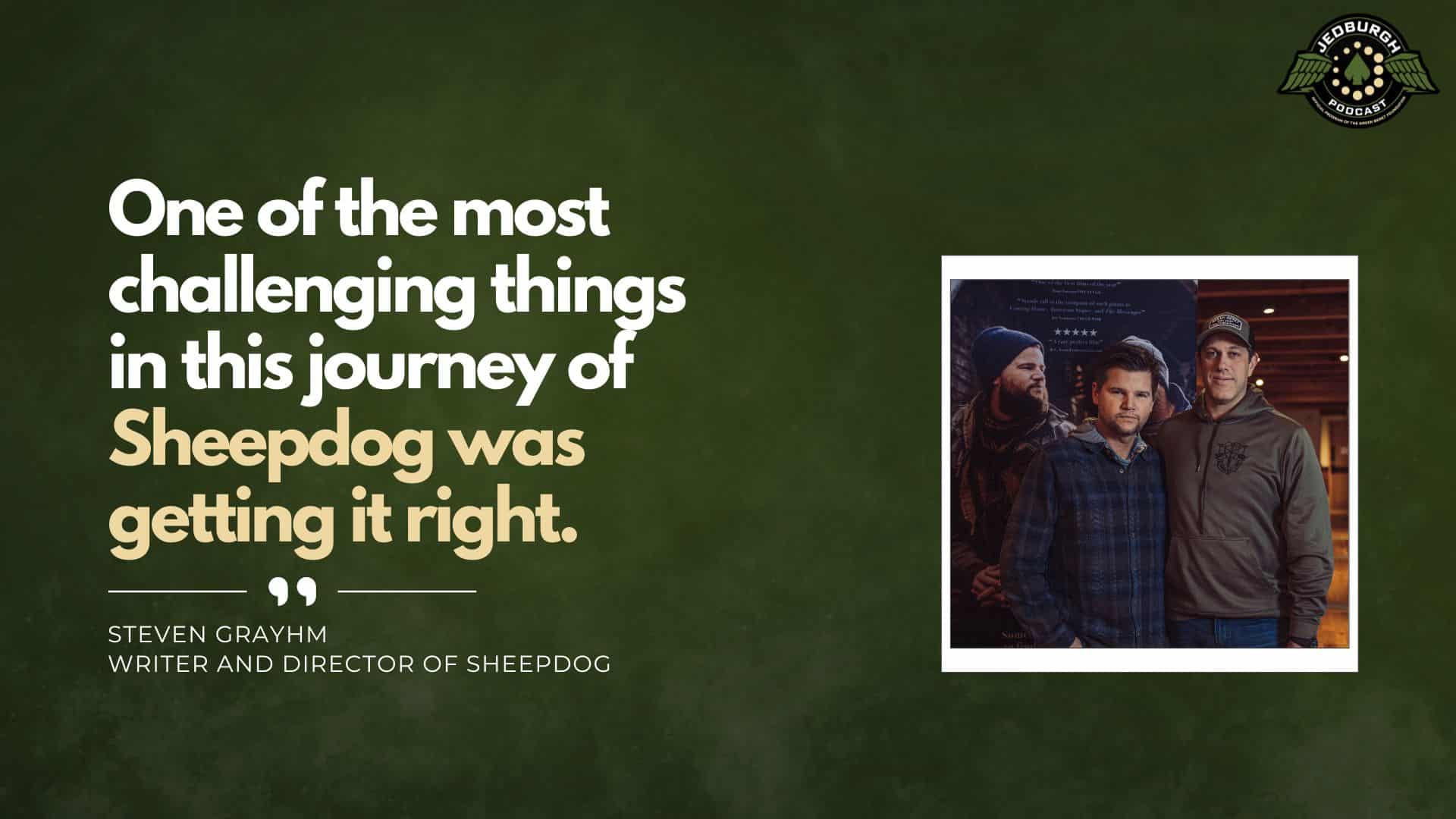
That was part of my fascination, but also once we were in the research, once we were neck deep here, this is a responsibility. That was for me, one of the most challenging things in this journey of Sheepdog, was getting it right. Just one false note, you are toast. You lost your audience. I had studied not only the films in our genre to understand what does not work, what does work, but also in trying to tell a truthful and authentic story that would be in the service of all the folks I sat in front of.
You’re just humanizing right now. This is worth talking about. For any of the cynics that are tuning in to this, especially for civilians, because Sheepdog is not a political film. That was part of why I think, when we went into it, the only agenda was to tell the truth, your truth, whoever we sat in front of. It was not. We did not come into it like, “What would be a cool story to tell her,” or outside influences. We made this movie entirely outside the Hollywood system. I did not get studio notes.
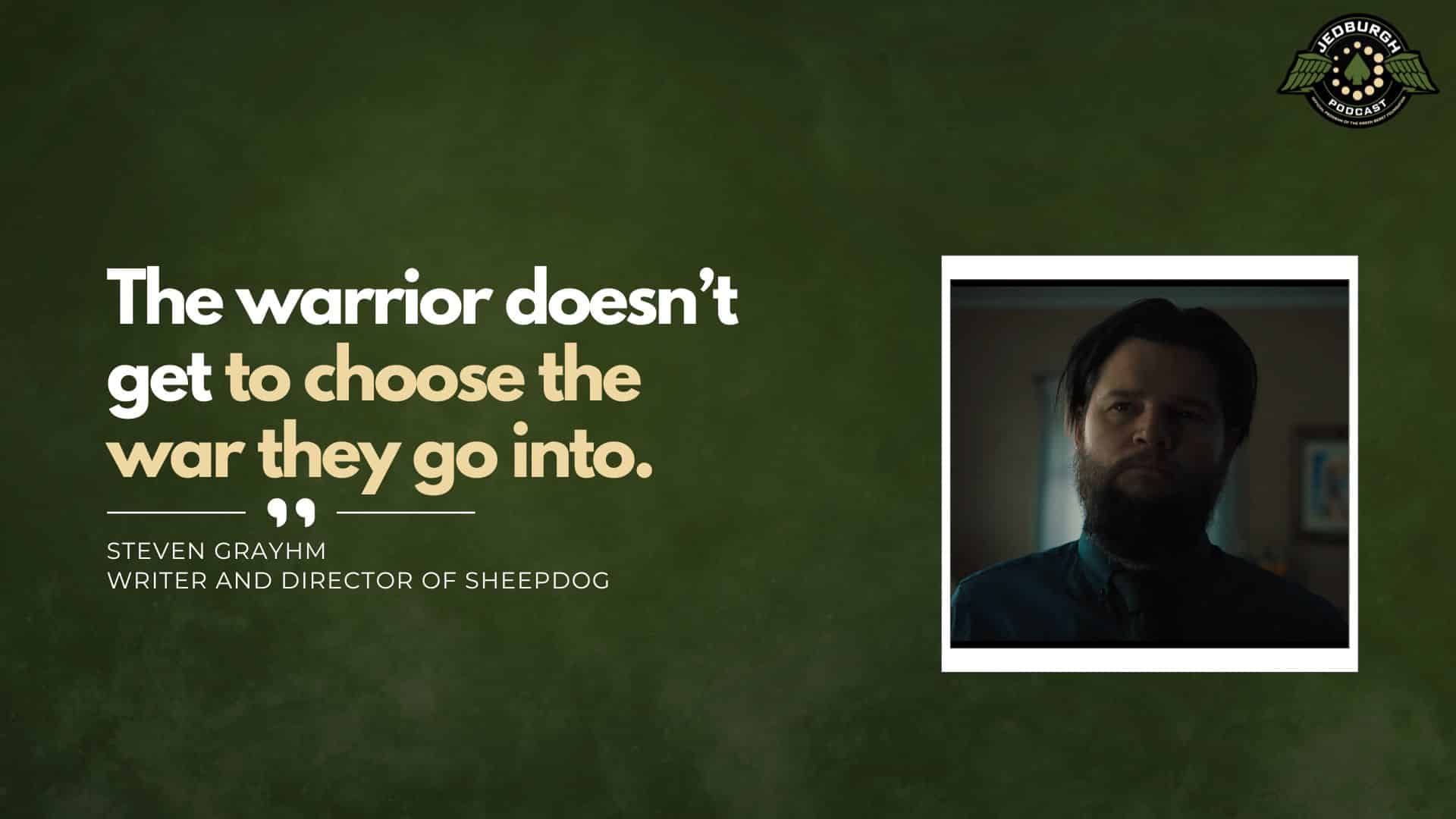
I got notes from the real folks who were in these scenarios. My feeling is that when we, for the cynic, would be tuning in to have judgment on any of these conflicts from Vietnam to OIF or OEF, the warrior does not get to choose the war they go into. You are of service to the country, and you go, and you do your best, you do everything that you are trained to do, and you try to bring everybody home with you.
I do not like to simplify it that way, but the truth is, it is like just even sitting here with you right now in jeans and a hoodie and thinking there was a time you were in uniform, probably kicking down a door and trying to save, that to me, I marvel at. That is not a movie. You live that that is real. The stakes are as high as they can ever be.
I will never stop marveling at that. That was important to show in our film that this is so multi-layered that be put in scenarios like that. Just as you described, get back in your truck, a sandwich back at the place, but then come home to your country and just be at a cookout with all your friends.
You have just experienced something, even if your last deployment was a year or two years ago, you have experienced something that, unless anybody else in that backyard has been there side by side with you, they will never have any comprehension of what that truly is. I really felt that in our storytelling, I was like, “How do I bridge that from the civilian population to the veteran population just to give them an idea without these massive battle scenes or something?” To speak to the war within the soul, to our humanity. I appreciate you sharing that.
Let us go there next. I very much appreciate the fact that this is not a war movie. This is not a combat movie. I went into watching this film with very little background. I
That is so good to hear. I spent years writing these deployments. I was going to show you three deployments, two in Iraq and one in Afghanistan. Some really good advice, simple advice that was given to me from a friend of mine, Braden Aftergood, who was an executive producer on Lone Survivor. He was like, “Brother, if you get to a place where you do not have the budget to properly shoot those deployments, do not shoot them.
No matter how many favors you can cut, just do not do it, because it will be worse. It will be a disservice to the community you are trying to honor.” That was told to me years ago. As we got closer and closer to shooting and the budget just kept evaporating before my eyes, I had to cut. Those were the most expensive scenes. The gift of that was that all that work was some of my best writing in those deployments, and how layered they were, and how much more it was going to reveal about the character.
I thought, lived inside me. When I sat down on the day to shoot with Virginia Madsen, I saw that sheep pen. That was loosely inspired by a real military operation that went sideways. I had met with several of the guys in that unit and lived with one of them who saw it firsthand in Pennsylvania. That was one take. I saw it. I felt it. There was no acting. It was not like I never looked down at my script of what I wrote.
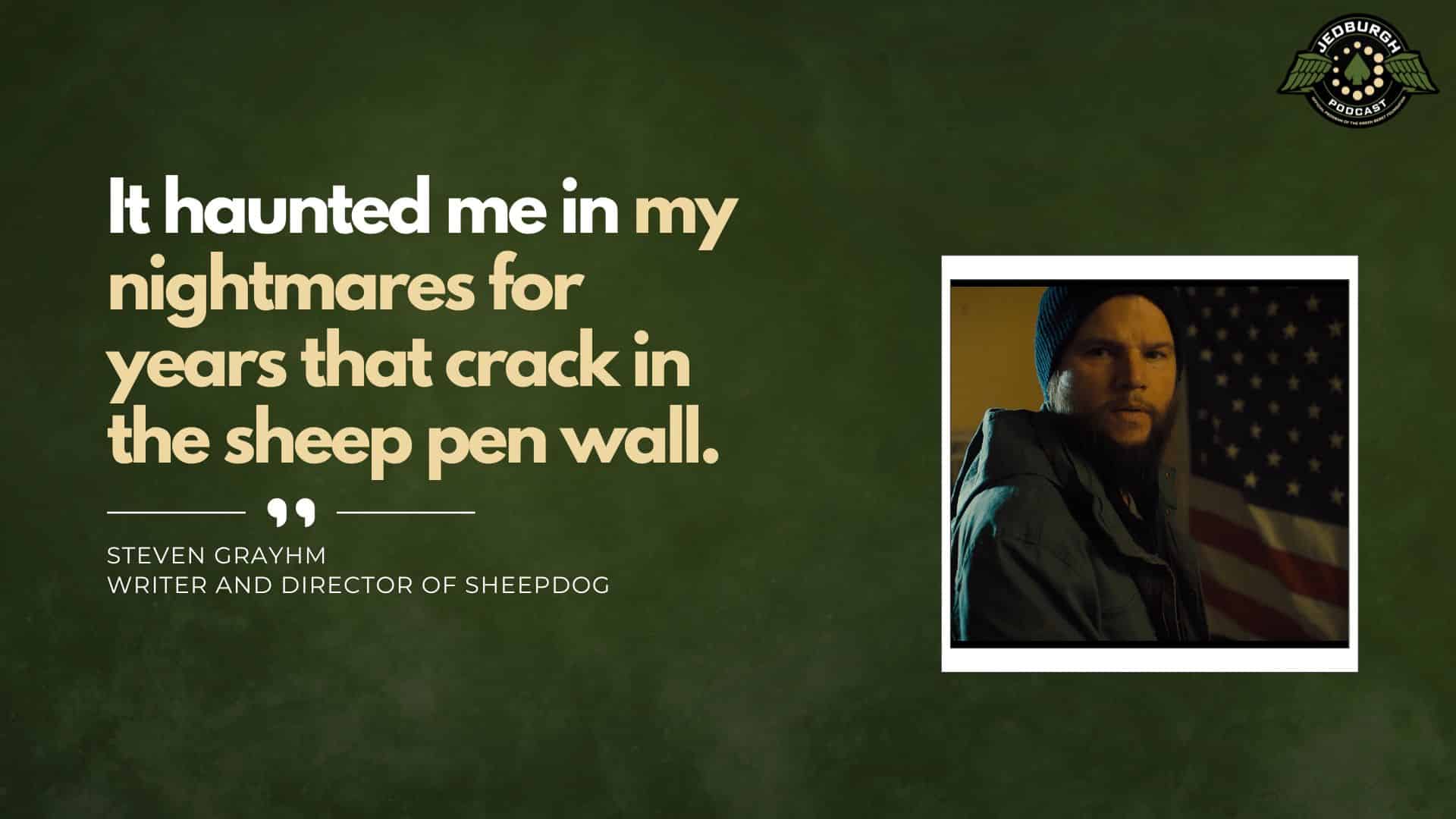
I had lived it. It haunted me in my nightmares for years, that crack in the shoe pen wall. You get to a place where there are no camera tricks. Just speak from your heart and trust the words on the page that you spent years writing and being informed by real folks like yourself. I had to just trust that. I appreciate you saying that because it made for a better film.
I would agree. Let us talk about veteran suicide. Seventeen is a day is where we sit right now, depending on what organizations’ numbers you want to take down from 22 a day. I recently gave a talk at an event raising funds for the prevention of veteran suicide. The very first thing I said was, “I do not want to be here.
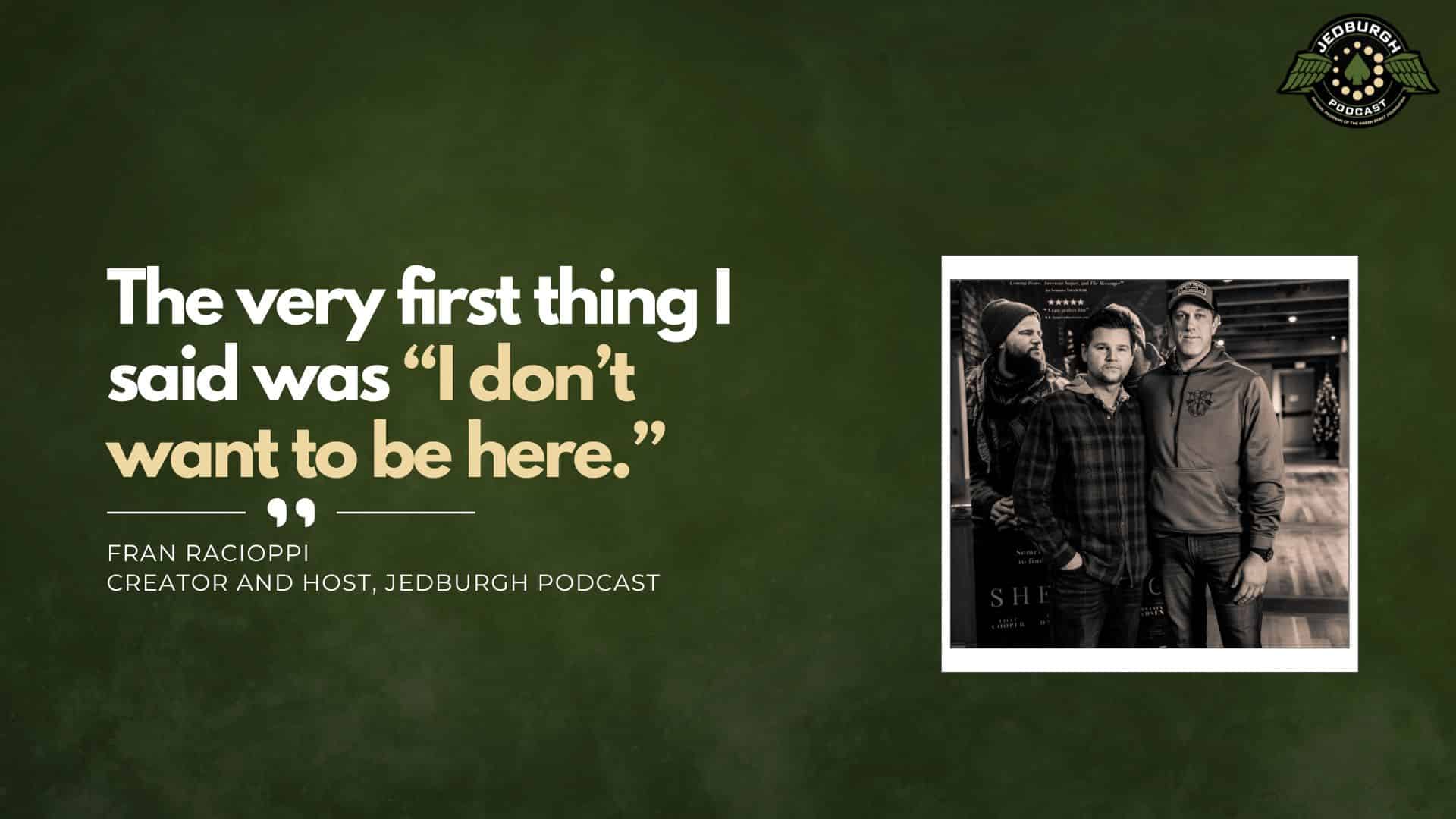
I never want to come here again, because we are here for something that really should be avoidable. More veterans have taken their lives than have been killed in combat on a magnitude.” The multiple is egregious of how many we have lost post-service as compared to how many have been killed in combat. To me, that is an unacceptable number.
You address veteran suicide in this film specifically, really through the relationship between Calvin and Darryl. It is one of the most difficult parts of being in the veteran community is having to talk to the survivors of veteran suicide. There is a part in here where you address it by saying that suicide does not stop things from getting worse.
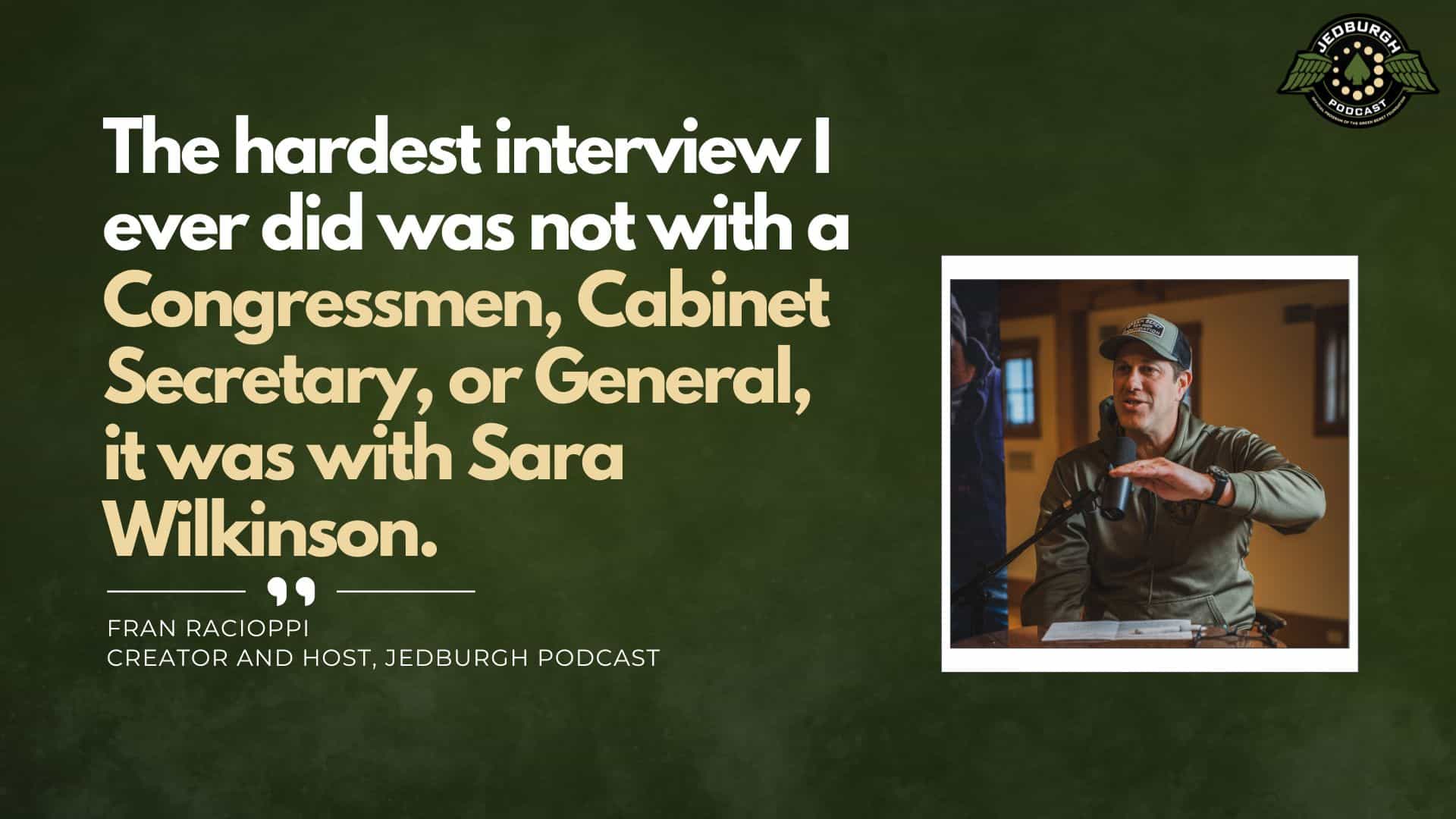
It eliminates the possibility of it getting better. The hardest interview I ever did was not with a congressman or a cabinet secretary, or a general. It was with a woman close friend of mine became a name, Sarah Wilkinson. There was an early episode, and her husband was a Navy SEAL, Chad Wilkinson.
Chad died by suicide, and she talked about the anger and the fact that she had to forgive him, but blamed him for quitting on them and leaving her and her two children and giving up on the opportunity of finding some resolution and moving forward. Why was the inclusion of the suicide piece so important to the film?
When I started this journey, the stat from 2012 came out in 2013 for 22 a day. At the time in my research, every time I talked about it, even when I would talk to the press, nobody wanted to talk about it. The word suicide was like, especially if you go on a morning television show, you will see a producer behind the camera freak out the moment you start talking about that kind of stuff. First of all, it is astonishing are too many, let alone 17, let alone 22.
It was such a staggering statistic. That also was like, but what is the why? How is that happening? In those early years, that built the foundation of the questions I was asking and the truth I was in search of. Matt and I, and a handful of our friends that we were working with at the time, started the 22 push-up challenge. It had begun as we called it, like “Sweat for Vets.” We changed it to the 22 Push-up Challenge because we were going into recruitment offices and pushing out 22 as a way to bring awareness to it.
It was at the time of the Ice Bucket Challenge, and we had worked with some VSOs that were highlighting that, but it was an attempt to make it more palatable if you could to be able to talk about it, because it is a dead-end road, just for the same reason you did not want to be at that place. It is very difficult. I would be remiss to not share that in this journey, you figure fourteen years to the screen, I have lost guys that I was very close with.
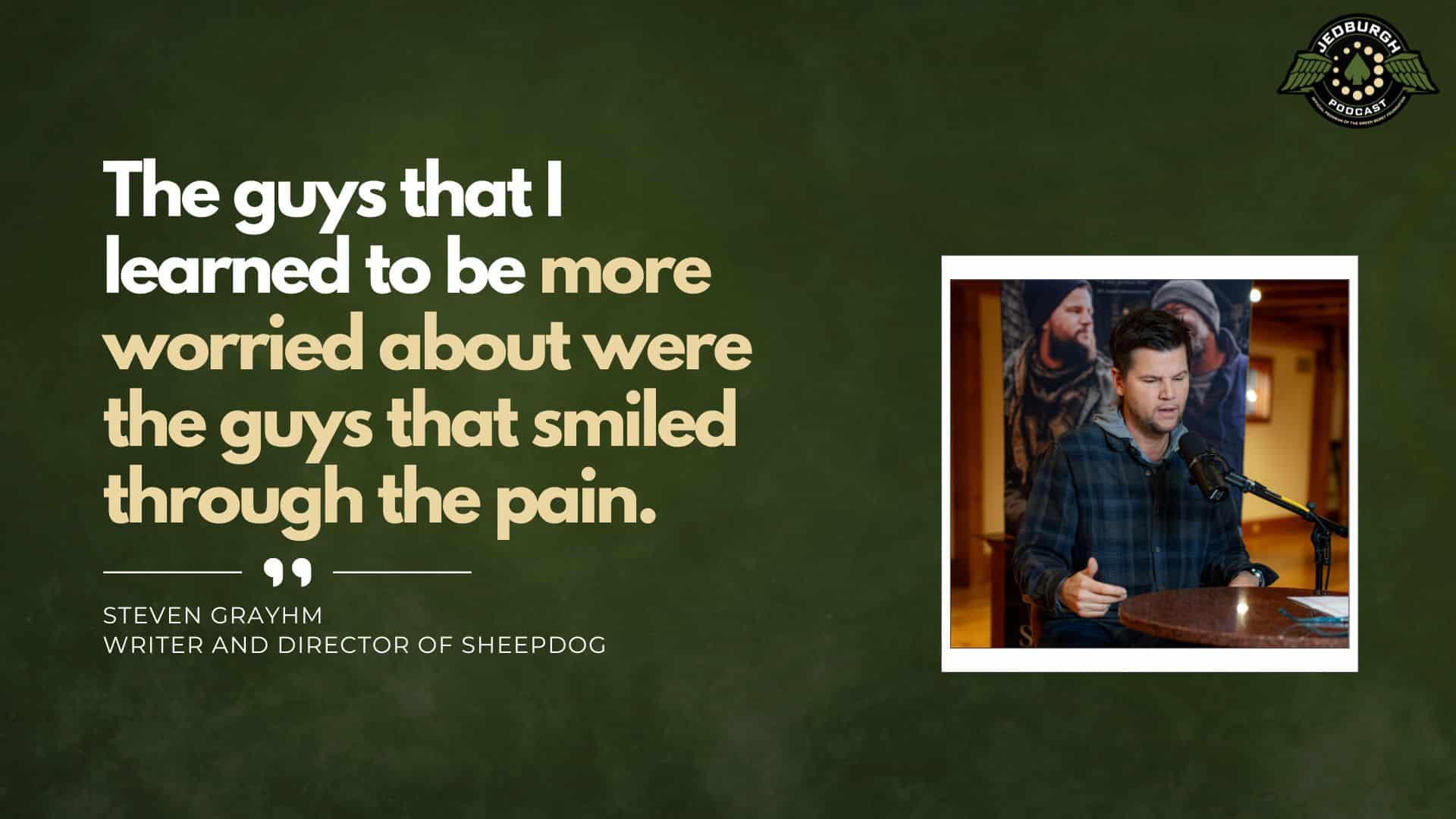
I have been that last call, and fortunately, I have been successful in talking that individual off the ledge that night anyway. It was important in the film to address it because the guys that I learned to be more worried about were the guys who smiled through the pain. Not the guys posting all their problems on Facebook, though that is valid, and though you need to be heard and seen. It was the guys who would like, if you want to look at a Facebook post, it would be like, “Anybody know of a good plumber?”
It would be just random things. You were not going to hear it or see it. That really informed me of just checking in. What that looks like, for years, I never ever shut my phone off at night or put it on silent for fear that I would miss that last call. In every situation that I lost somebody, and the community lost somebody, the veteran community, it would typically just be a text message of the person’s name, and we all know.
I do not have the answers and I hope that the film, if anything, serves as a beacon of hope that though I do go there in the storytelling with post-traumatic stress, I do also show you based on what I have seen, and it is a long road traveled, but it is a worthy one, of the light at the end of that tunnel being post-traumatic growth. I had to take the audience to a place to show them I also lived it, because the folks that I met with in 2011, many of them I still talk to to this day.
The research did not end in 2011. It continued on as I refined the screenplay. I got to see so many people across the country, mental health workers, first responders, veterans, Gold Star family members, and their communities. I got to see the journey, warts and all, the triumphs, the challenges. That is why I thought it was really important to also be a film that I had not seen before, which picks up ten years after the last deployment.
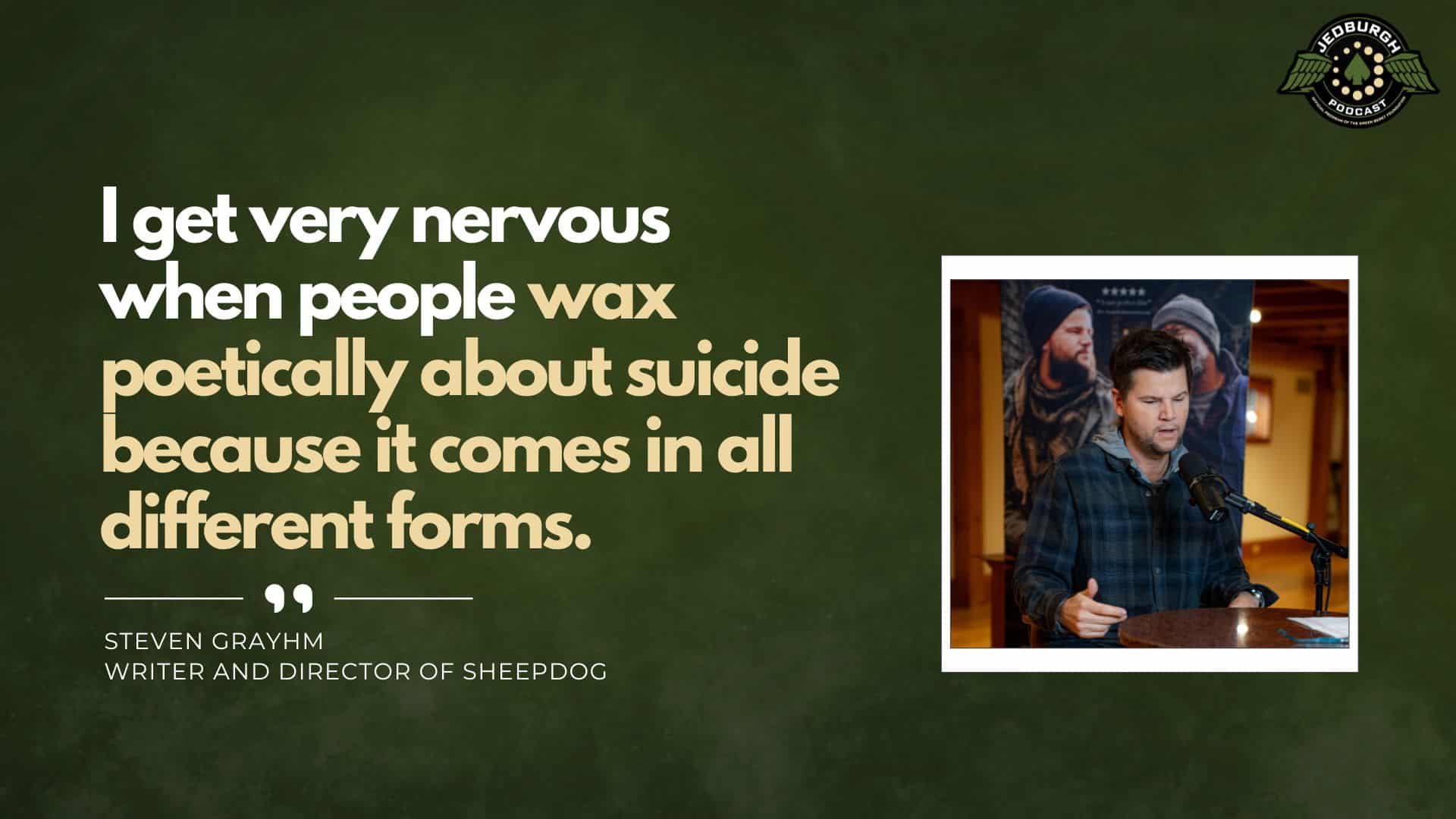
There is a lot of life that happens in that time, not just the year after, though, when you are first transitioning. To answer your question, it is complicated. I get very nervous when people wax poetically about suicide, because it comes in all different forms. We all know that oftentimes the whispers lie.
Other people’s nightmares that they lived became my own as the storyteller, where you start to blur the lines of fact and fiction, where you are waking up in night sweats to something that never happened to you, happened to somebody else, but in your nightmare, it becomes you. You start to take on that, and that was very eye-opening for me. That is why I can sit here and do my best to talk to you about it, just from my own experience being very close to it.
That is the hardest part of that topic. Even in my conversation with Secretary Collins at the VA, we talked extensively about suicide.
What did he say?
The resources exist.
Which is important that we talk about.
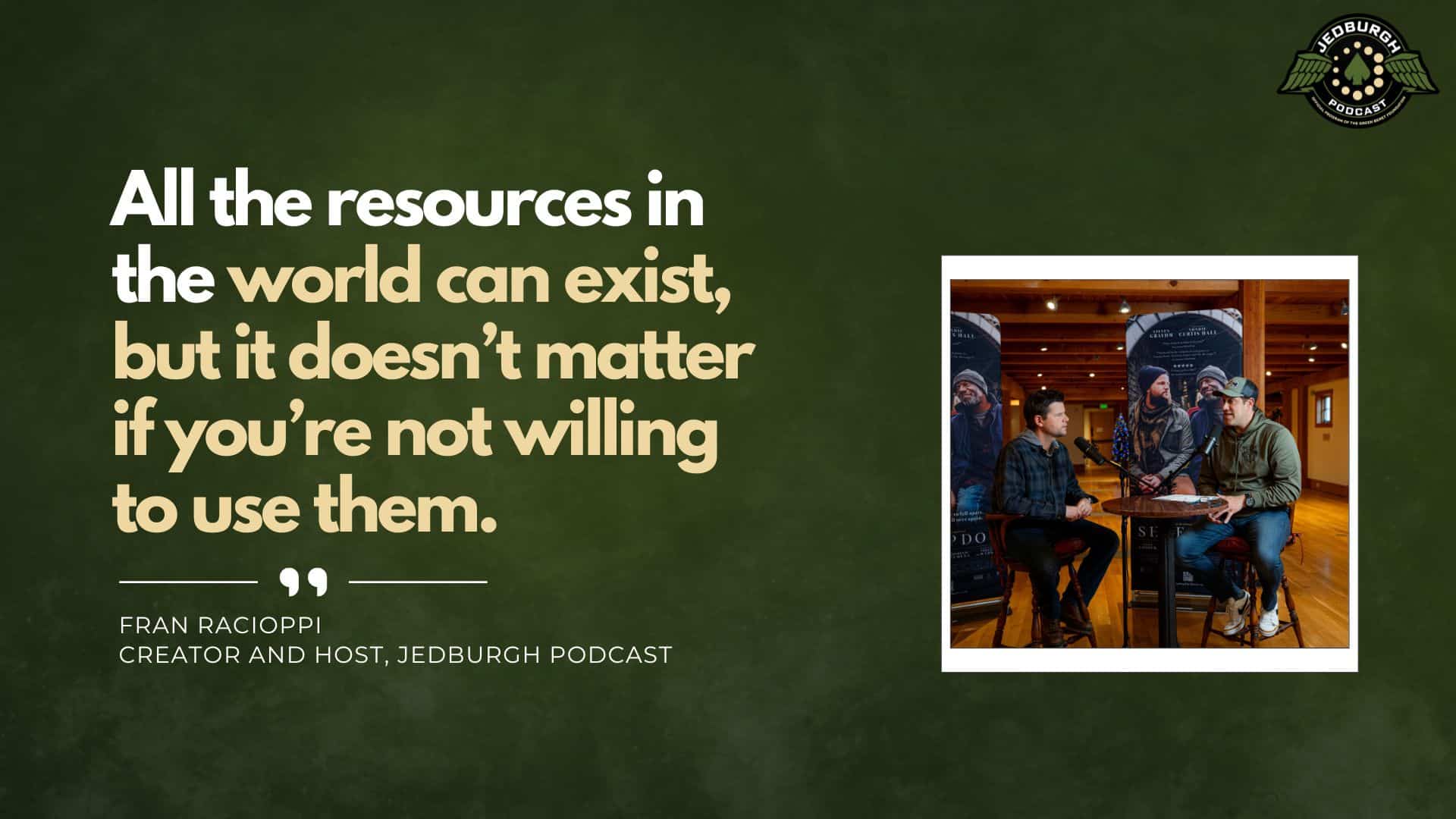
You do a good job in the film of really showing that, like, these resources exist. The stigma of the VA not being there, not having the resources, they do exist. As your character points out all the resources in the world can exist, but it does not matter if you are not willing to use them. We see that in active duty. We see that in the veteran community.
You see that in the retirees. You see that across generationally, and oftentimes people will take on this persona, which I vehemently disagree with, that I am a veteran, so I am a victim. Veterans are not victims. We are not victims. I remind guys who talk to me like that, and I say, “Man, you volunteered.” I will give you that we volunteered for something we did not fully understand what we volunteered for.
The courage that it takes to volunteer, let us not overstep that. Truly, in that volunteering, you decided that most of us do not have it in us to make, truth be told, and you did that. That already makes you pretty extraordinary. Finding that self-value is what you are saying is you are volunteering, but to take heed of that, that is a pretty amazing thing that you were willing to do.
Again, not knowing what conflict you could be sent in, if any, being away from your family, being away from like when you are 22 or 25 and you are in a conflict zone and your friends are back barbecuing that summer in Kentucky, drinking Bud Light, and you are in a foreign country with a target on your back and the stress and anxiety.
Yes, all the camaraderie and all that. I feel like that was why in the film is you would see no one feels sorry for themselves. These are not broken people. There are fragments, but they are not broken. I tell you wholeheartedly that is what I witnessed. This was not a mechanism of my storytelling of “Let us make Calvin this.” That is what I saw. You can get down on yourself, but not how I had seen veterans depicted in film. As drug addicts and the list goes on of all the tropes, but that is not what I saw. It is actually always the opposite of what you think it is.
The quiet guy sitting in the corner can be a very different personality type, the loudest guy in the room, me getting into it of what the personality types are, but just getting back to it, what are your thoughts on it? I am not asking you for the answer, but what are your thoughts on, when we talk about the resources, is it a matter in your opinion that we need to do better on making sure people know that care is there and that there are resources there?
I will share mine. I think we have to do better as veterans to remove the victim mindset to understand that this was a period in our life that we volunteered to do something that we did not fully understand what we volunteered to do, but we went out and did it for a variety of different reasons.
We did it at a high level, and you came home, and you are entering a new chapter in your life. Let me get to the other point that you make in the story about grit, about how sometimes the only way out is through it. I became a Green Beret. Thousands have millions have served in the Army. None of those journeys was easy. None of them was the same.
Every one of us has a different path of service. Have different reasons why we come in. We are joined in a common bond. We go through the same experiences, but our perspective matters and how we tackle them. All of those things took grit. Every single thing that we did. You talk in the film, there is a lot about the medals, the valor awards, the Purple Hearts.
Those things did not come to people. As you said earlier, they came to ordinary people who did extraordinary things when they had no choice. Nobody leaves the base in the morning and goes, “Today I am coming home with a Purple Heart because I was wounded.” Nobody goes out and says, “I cannot wait to earn my valor award.”
Almost anybody you speak to does not want those. You are not hoping to get injured so you get a Purple Heart, or you are not wishing to be in a scenario to prove your courage at the loss of potentially your teammate.
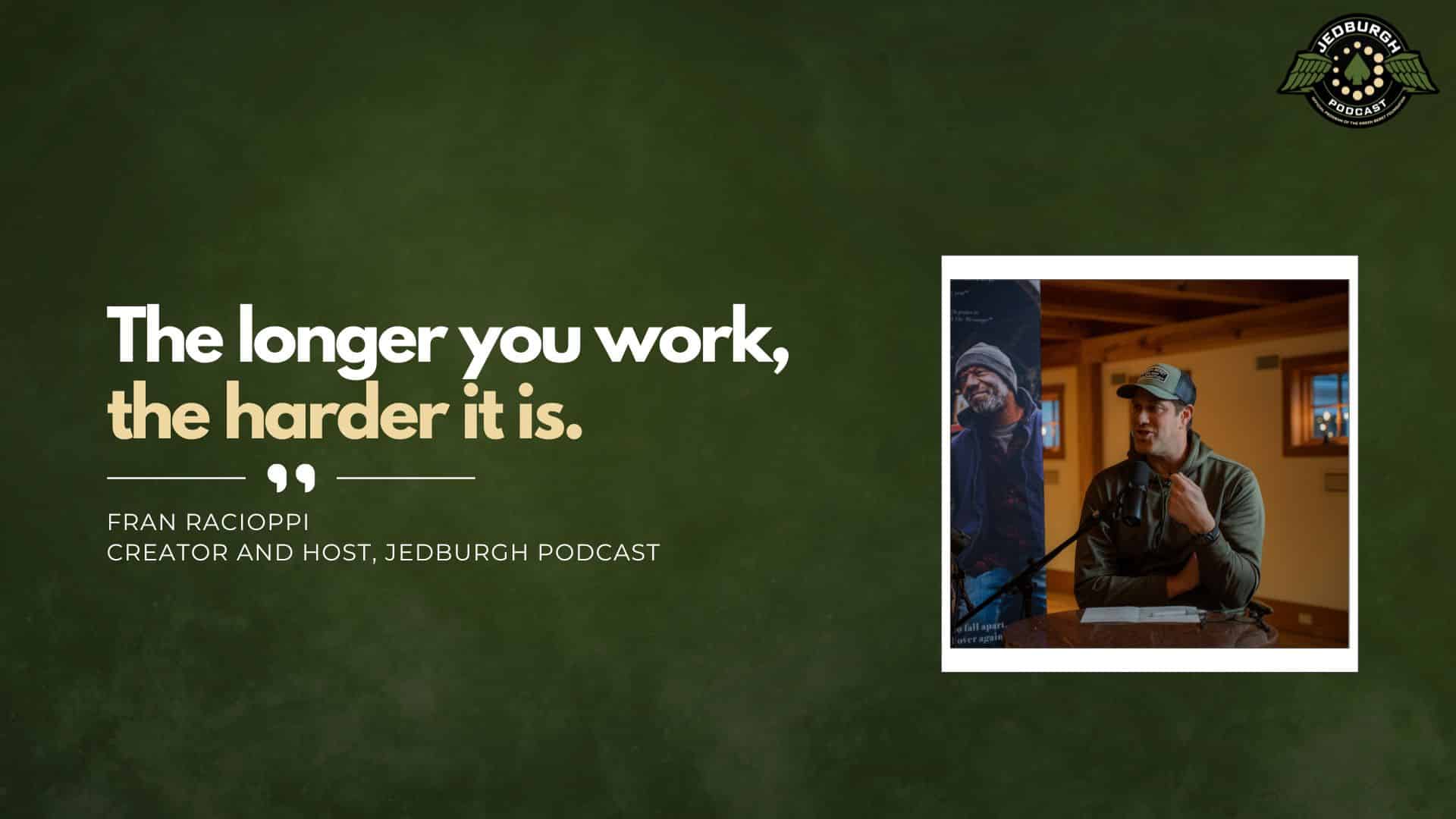
Nobody wants those things, but in order to have gone through those experiences, it took grit, it took hard work, it took them having an eye on the results. What happens to a lot of folks is they come back, they transition out, they adopt this victim mentality, and all of a sudden, they lose sight of the fact that it is going to be hard work to assimilate into civilian society. The longer you serve, the harder it is.
You were not reprogrammed to be a civilian. You were programmed to do a very specific thing that the nation asked you to do. I served for almost thirteen years. Outprocessing is much better now, ten years later. Out processing, especially for our Green Berets, is like 12 months, 18 months. The programs that have been enacted since I got out are tremendous. I had like a week. You sit through a couple of briefings, you read a couple of pamphlets, and they are like, “Good luck. Thanks for your service.”
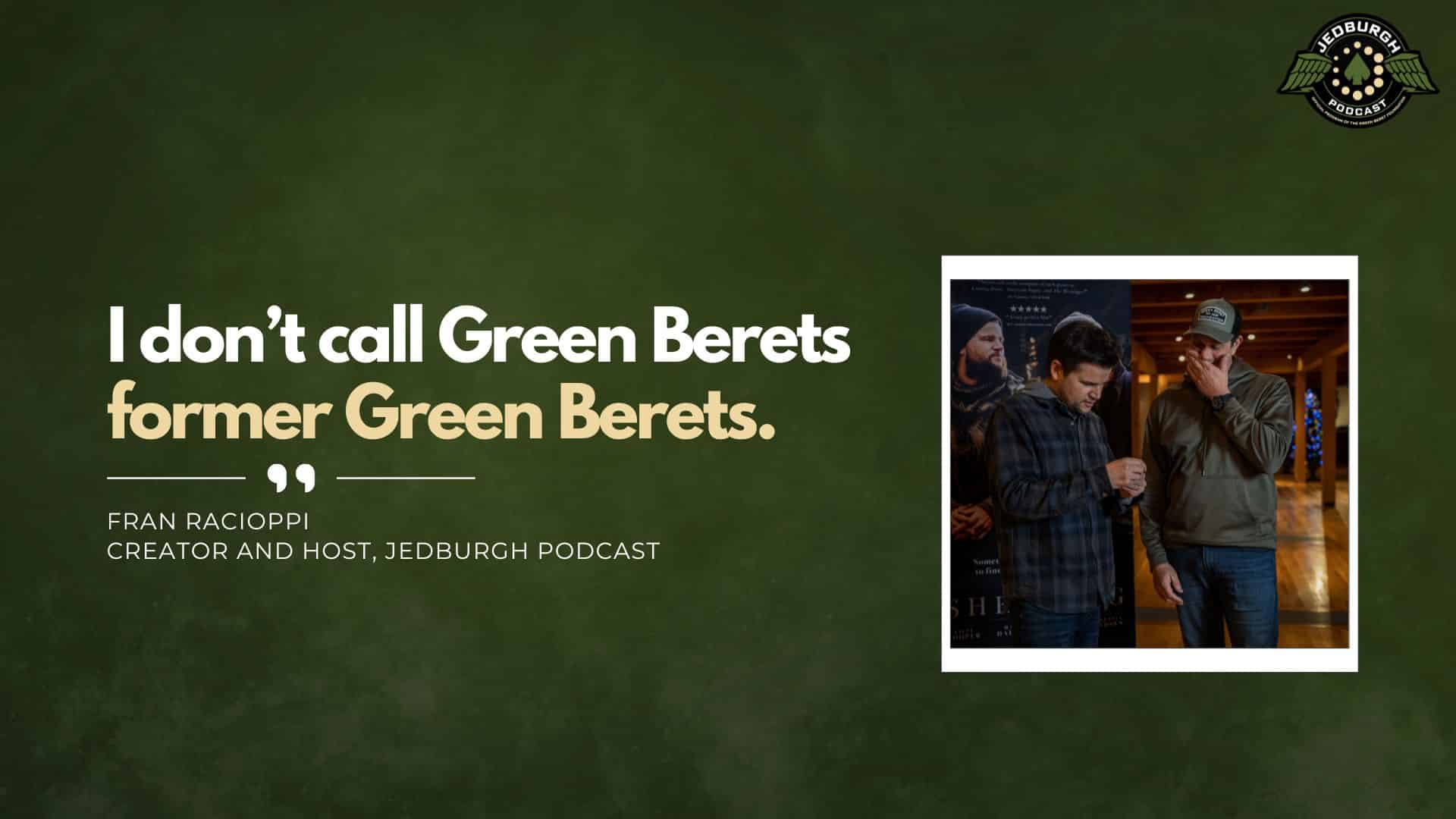
They show you the door, and you leave, and you are like, “What now?” Now we have so many internships that guys take so many different opportunities, but you still have to do the work. You still have to understand that I took the uniform off, but just because I changed my clothes, it does not change who I am. It never goes away. You just have to change your perspective. You have to change how you live life every day. One of the things that I have, I will not say I have worked hard. I do it. I hope that one day other people will do it too. They will see that I do it, is I do not call Green Berets, former Green Berets.
Are you still a Green Beret?
Yes.
You earned that Green Beret. It was not given to you. Just because somebody took your ID card and they handed you a DD-214, and they said, “You are not in the Army
It is also worth mentioning on the subject matter that it is also going back to the week transition that you had, and understanding. I do not want to oversimplify anything, but having a sense of purpose. You had that in the Green Berets, you had a sense of community, of brotherhood. You get transitioned out.
I can tell you stories of getting a phone call from an Army grunt who became very close with, and he had seen some action, and he was doing his best as a civilian at this point, two years out, coping with that. He called me, he was worked up, and I am like, “What is going on, brother? Are you okay?” He goes, “Yeah.”
He had just started a job at Bahama Breeze, and his responsibility, as he had said, had been reduced to refilling ice teas. He was like, “I had commanded my squad into combat. I was responsible for others. I got to hear that you need another iced tea refill.” That to me was very poetic in a way of like he is being underutilized.
When we talk about care, and that is why when we talk about even serving at an elite level, what fits that sort of training in the civilian world for you? If that is owning a business and having employees and working in security, it is like, I know Marine vets that used the GI bill and became a lawyer and then worked at a firm and were trying to utilize organizational skills, and so on, too. Again, not to oversimplify, it is that time, that critical time, that you are trying to figure that out.
That is really important when we talk about community support to get you there. It is not just the care of like, if you have a TBI and you do not know why you feel a certain way, and you are getting prescribed medications. You are irritable. You are hyper-vigilant. Any of those sorts of reactions is potentially traumatic. That does not mean that you have to look at the environment. Maybe you should not be working at that restaurant.
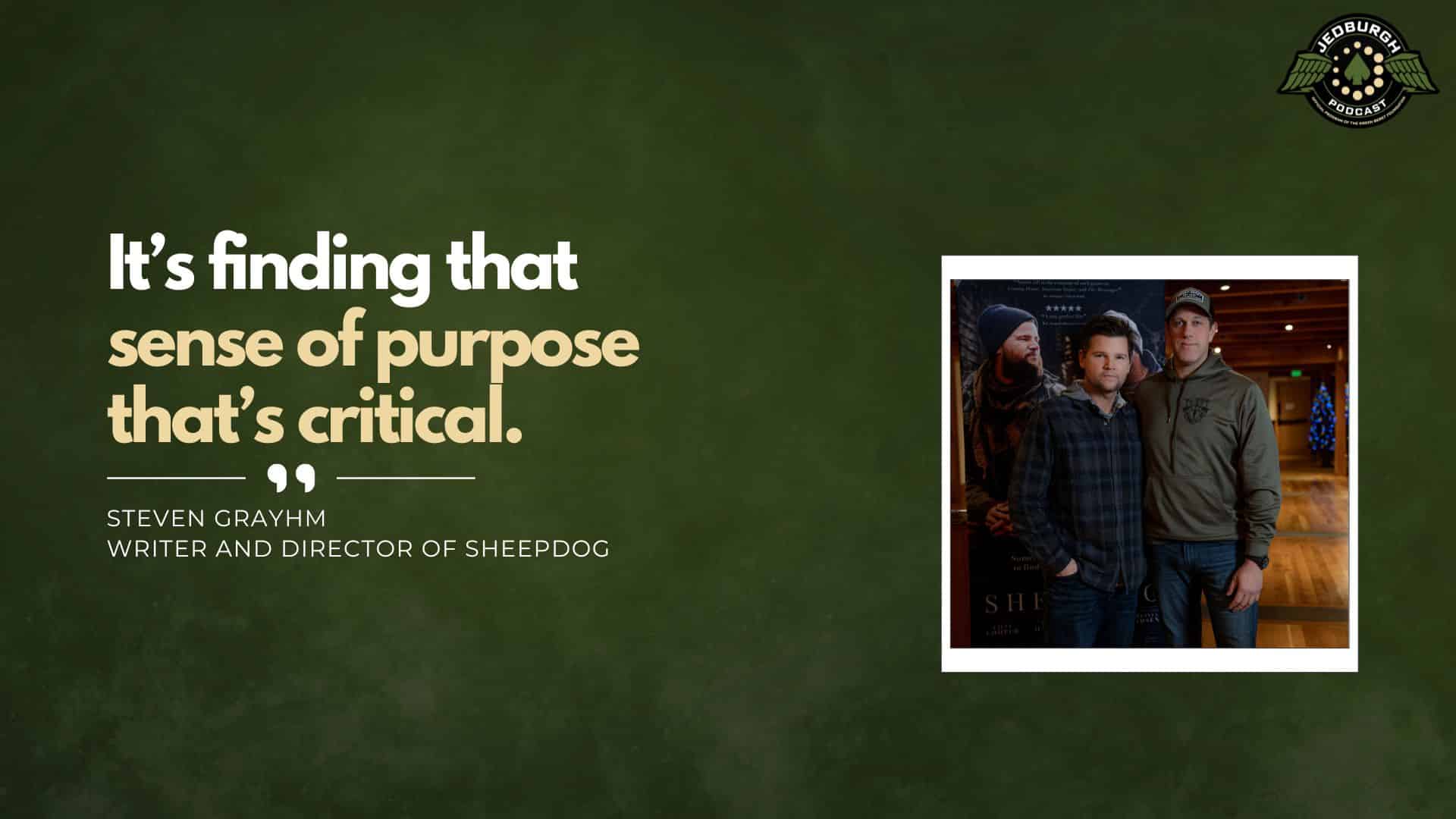
Maybe there is a different environment for you. It is not a one-size-fits-all. As we say, it is important to figure that out. For me, I’ve often seen than not that it’s finding that sense of purpose that is critical. That goes hand in hand with that brotherhood. If you are in a rural area, and I saw this a lot when I would go into small towns, and it is also why I wanted to shoot Sheepdog here in a mill town, because I had seen so much of those that served came from blue collar families, working class families, that had sacrificed so much especially when their kids are deployed to foreign countries.
I also saw the transition of coming home and trying to find work, where maybe the economy is not great. You potentially slip through the cracks, and then you are separated from your brothers that you served with. That sense of community. Civilians do not know how to really understand your experience. I say this because outside of Facebook groups or how can you possibly find that connective tissue? How do you do that?
I would love to hear your thoughts because I know that with the American Legion and the VFW, those places were set up to give you a place to go and to fellowship and connect. I found that a lot of the younger generation were not interested in going into a bar to hear some old guy at the end of the bar talk about Vietnam or something.
I would always encourage the younger generation to go, but there is something in there, though, that you would be amazed. I have seen it when it happens, and it is beautiful that the connective tissue of that person, though different conflicts, can understand you on a level that other folks cannot. I want to just hear your thoughts. Is that a modern-day sweat lodge?
Everyone’s experience is different. You have to accept the fact that this journey, just like when you go to basic training, you are embarking on an unknown journey of unknown duration and unknown experiences. You have to embark on the transition in very much the same way. What I tell guys is, “You have to be okay.” You talked about the concept we talk about a lot in the veteran community. You’ve got to be okay not being okay.
You’ve got to be okay not knowing what’s next, too. We were really good about that in the military. This is what is very interesting, especially when special operators do this all the time. I talk to guys, and they get really worked up about what they are going to do when they get out. They want to have a detailed plan. I will say, “How many times did you have a detailed plan about what your career was going to look like in the Army?”
Almost never did you know your next duty assignment. Did you know what the next project you were going to work on was? Yet our special operators will get up every day. They will put their uniform on, their beret, go to work, and tackle the unknown. All of a sudden, they look at the transition, and they are like, “What do I do? I do not have a two-year plan, a one-year plan, or a five-year plan.” I say, “Guys, you’ve got to do one thing. You have to take the first step.”
I got out of the Army on January 15th. It was a Friday. It was my last day. January 16th was my last day of service according to my DD-214, and that Saturday, I drove from Colorado Springs to New York. You said that you can be lonely in rural Western Massachusetts. You can be lonely in New York City with twelve million people, with a family. Have a family staring at you and be lonely. I had a week where I did not, I guess, the only week I have been unemployed.
I started the only job that I could get, which was to be a financial advisor at Merrill Lynch. Somebody took a chance on me. Erik Nelson changed my life, and continues to change my life. The majority, this show would not exist if it were not for Erik Nelson. For a variety of reasons, primarily because he introduced me to the owner of Jersey Mike’s, and he funded the first two years of this show. We would have never been able to do anything.
In a lot of ways, a lot of ideas are attributed to him, but he took a chance, and he said, “Look, somebody assessed you to be somebody of character who works hard, can get the job done. I know nothing about financial advisory, but I want you to come here and figure it out.” Day one, 2:00 in the afternoon, a guy walked by, and I was sitting at a cubicle.
I didn’t know what I was supposed to do. Nobody was there to tell me what to do. I was sitting there, and a guy came out of his office, swinging a putter. He’s back here with the microphone, talking to somebody. He looks at me, and he gives me a little wink and a head nod. Give me a little kiss thing. It was in New Jersey. You can imagine it was on the Jersey Shore.
It was actually Jordan Belfort.
He thought he was. I looked at this guy, and I said, “Two things are going to happen here. One, I am going to beat the shit out of this guy in the office, or two, I have got to leave. I packed up my stuff.” I walked down two blocks to the Starbucks, and I sat in the window, and I started crying because I did not know what I had done. My whole world had changed. In my last job, I was the aide to a two-star general in charge of special operations in Africa.
I was traveling the world with him, meeting foreign leaders, going to places that do not exist, and visiting government buildings. Here I am in rural New Jersey with some dude out of the Jersey Shore treating me like I am a piece of shit. I am a new guy. I sat there for a few minutes, with no intention of going back.
I thought about my career, my whole life went through my head, and this seems like an hour is probably 10, 15 minutes as I am sitting there thinking to myself, “You did all these things in your life. You were a Division One collegiate athlete, you went in the Army, you were the honor graduate of Ranger School, and the Special Forces Qualification Course. You were at the top of everything you did.”
The only thing I thought to myself was that I never quit. I thought to myself, “Why did I have this success?” I guess in my mind. I came back to this, and you never quit. I said, “You know what, this is not going to be forever. I have never quit anything in my life. Today is not going to be the first thing that I quit. I am going to be here as short of amount of time as I can possibly be here, but I am not going to quit today.”
I packed my stuff, and I went back, and I lasted eighteen months. I worked there while I went to business school. That embarked on what is now a ten-year journey. That journey has been going to business school, working at Merrill Lynch, being the chief security officer at Snapchat in LA, running a cannabis company for a Russian oligarch in LA, and then starting my own company. I was the chief people officer of an outsourced accounting firm.
I worked for my brother’s company. I started this show, and I started my security company, and I still wake up every day and think about it. I am not at the end of my transition journey. I do not know where I am along that journey. I do not know where we are going to be tomorrow. As you said earlier, you are ten years behind your character.
There is a lot of life lived and a lot of experiences that I know I would not have had, and not all those were successful. Most of them were not. Some of the hardest lessons I have learned personally and professionally have been in those ten years, but I got through those because of the grit that I had as a veteran, because of my experiences in the Army, which showed me that you just have to push through and you have to figure it out.
You have to do it when it is 35 and raining, and you are cold and wet and tired, and you are hallucinating, you have to put one foot in front of the other. Being in service is not easy. Being a veteran is not easy. Transitioning is not easy. That is my message to transitioning folks. Nobody said when you join the Army or the Marines or the Navy or the Air Force, “Guess what? You are about to embark on a very easy career in which it is going to be leisurely, and you are going to get to do all the things you want to do.” That is not true. That is not true in life. That is not true when you transition out.
It is also worth adding to the moment you had when you went down to the Starbucks. If you had decided to quit, I do not think there is anything wrong with that. If you decided to stay and go back, either way. The important takeaway as I sit here and listen to you tell that story is having a sense of yourself and your service and your worth to know, “I do not want to ever be that guy. I will never be that guy, but having the grit to go, but I do not have to be.”
I can go back into that office, and I can learn and thank God you did from somebody who became a mentor and somebody who would help. Having that sense of yourself that you took a moment to yourself to go, “Whoa, whoa, whoa. I am not,” especially because you are fresh out and you are trying to define what your next chapter is going to look like.
Having a sense of yourself and knowing, because this is a big thing that I also like as a theme in the film, is having options and not feeling like you are stuck, which can feel suffocating, where you feel like the walls are closing in on you and having the option to leave that Starbucks and go home and you will just figure it out.
You look into a different form of employment or go back into that office and go, “I am not going to beat the shit out of that guy.” I am going to go sit back in my cubicle. I am going to see if there is something here I can learn. If I do not feel a certain way in a month from now, I will find something else out, but I am good. I got it. It does not have to be perfect. Maybe there is something here. There is a lot of strength in that because especially when you are first out.
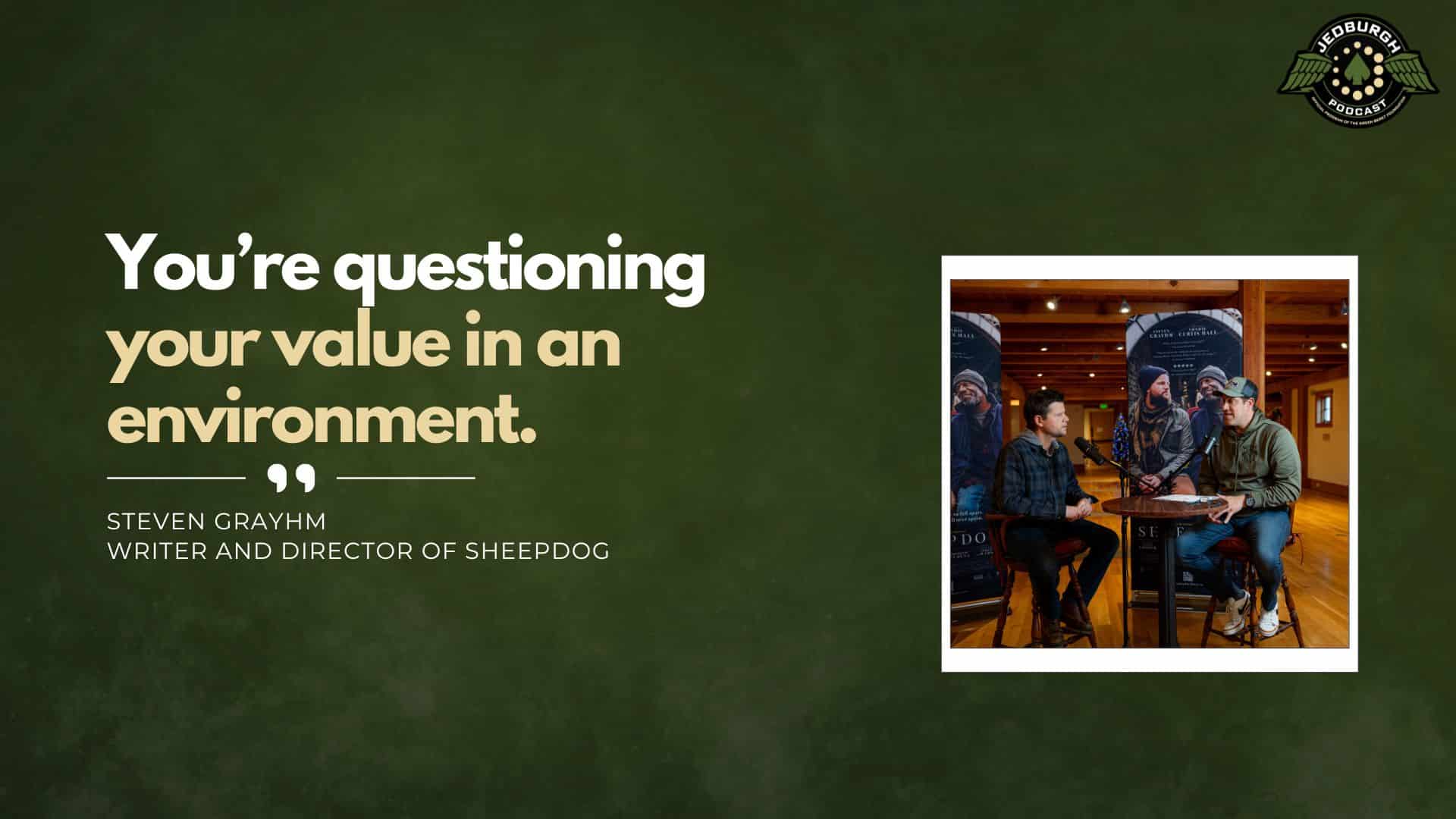
I can only imagine you are questioning, maybe even subconsciously, your value in an environment. You know your value in the environment you were trained in, and you know the value of every single guy you served with. You have to know their value. In a civilian scenario, I get that. That is really fascinating. It is interesting how that path took you to sitting here, having that fortitude to be like, “I will be patient. I will see how this goes.”
I do not think anyone expects you to have all the answers. I had a box. When I left Colorado, I packed all the plaques they give you, all the stuff they give you when you change teams and units, all your awards, and everything. I packed it all in one box. That box sat unopened in my apartment in New York for a year. I looked at it every day.
I looked at it, and I said, “I never intended to open that box again.” I had thoughts that I had to compartmentalize it so much. You start to realize, like, that was a different chapter. I have to figure out what is next. I could be okay with that. I can come to grips with the fact that that is not me. Says something a few minutes ago, which I think is important to bring up again. You said you have to figure out all the things that you did and some of the things that you did, and what you are going in your past life be able to do now.
I also think you are right, but I also think you have to accept that there are certain things that you are never going to do again. There is nothing more exhilarating than riding in a Blackhawk to an objective and landing on someone’s roof in their yard, blowing their door down, kicking it in, whatever you want to do. I do not glorify combat. You will never see that on this show. We do not tell war stories.
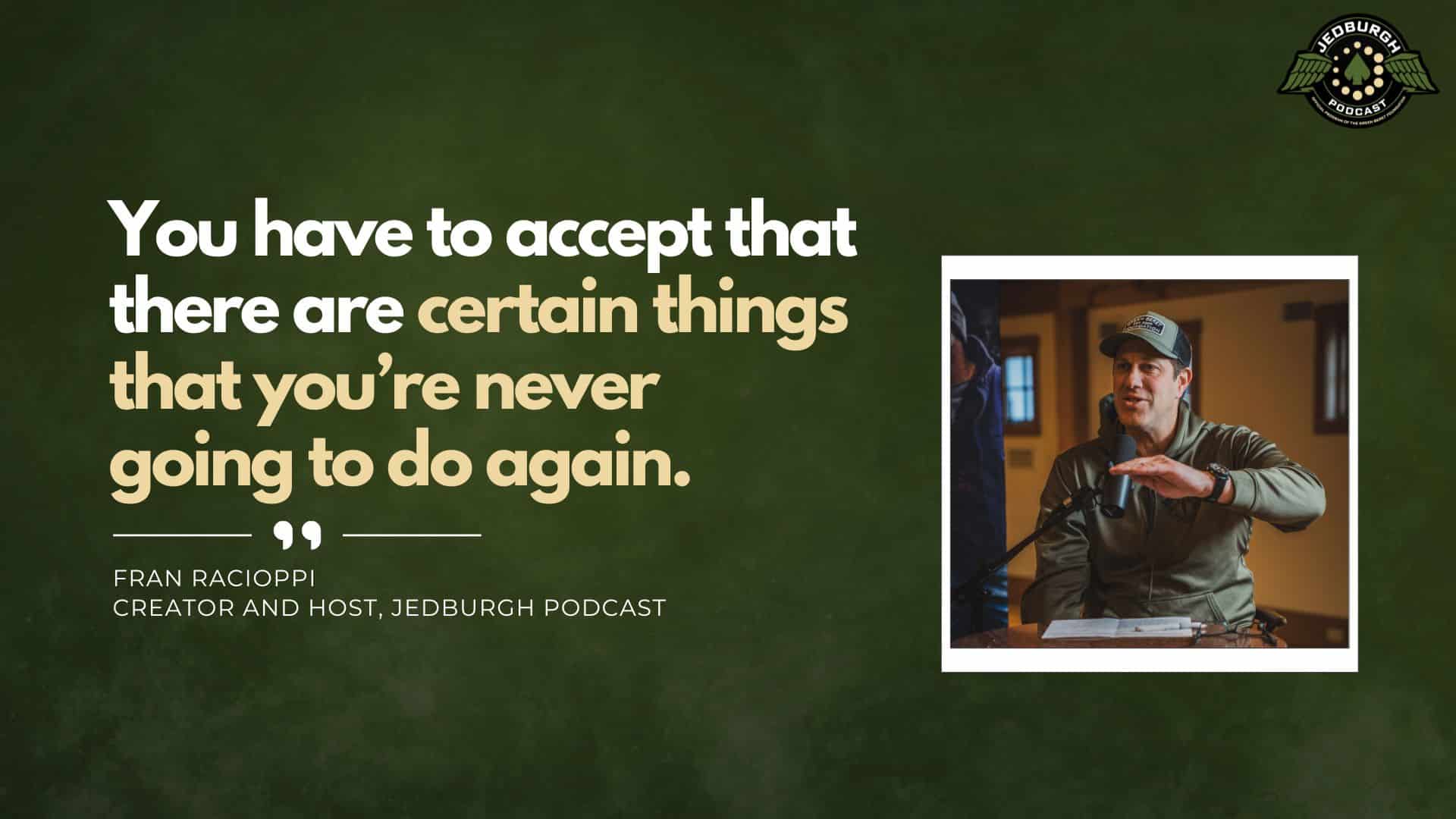
You will never hear me say that. You will never hear me tell a war story. I will never have someone on who tells a war story on the show. Not going to happen. There is nothing more exhilarating than that. Would I love to do it again? Yeah. Am I going to? Unfortunately, I am not. That is okay too. A lot of folks struggle to understand that there are some things that you are just never going to get to do again. You have got to be okay.
It’s because that is important. You get that a lot, especially with the elite groups, because the training is just so intense, and it is just muscle memory that goes into all of that. It just becomes who you are. It is important to say that because that is part of accepting that that was that chapter in your life.
I know that there is also, we do not have to get into this, but I remember my earlier research meeting with folks who had been in very stressful, high-intensity situations during combat. They came home, and their adrenal glands are blown. They are just chasing whatever that is, whether it is bearing the needle on a crotch rocket, or just doing things that could otherwise be described as dangerous to themselves, to others, and so on. That description you just gave is just knowing that, but then understanding, okay, it is not that, but how do I feel useful?
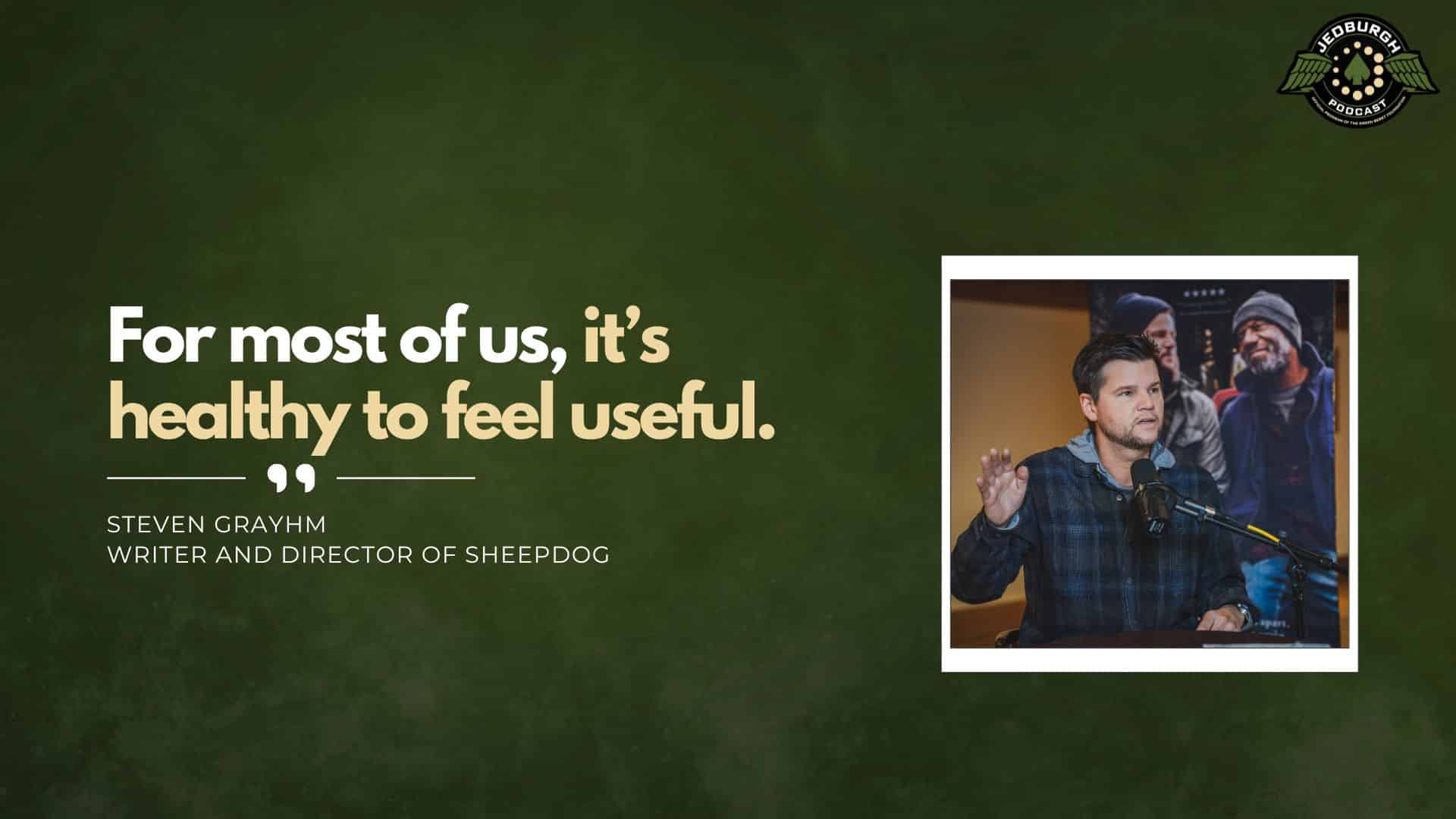
How do I feel challenged? Especially if you hold yourself a certain way that you have accomplished these incredible things. I do not need to pat myself on the back for it, but feeling that way and then going, “This job over here or this pursuit over here just does not fulfill me.” We do not all have to be fulfilled, but I think that for most of us, it is healthy to feel useful. There is one more thing I want to add.
It is an underlying theme of the film, but it comes up more towards the end, and it was all for nothing? Why bring that into the storyline? As we say, I will ask you that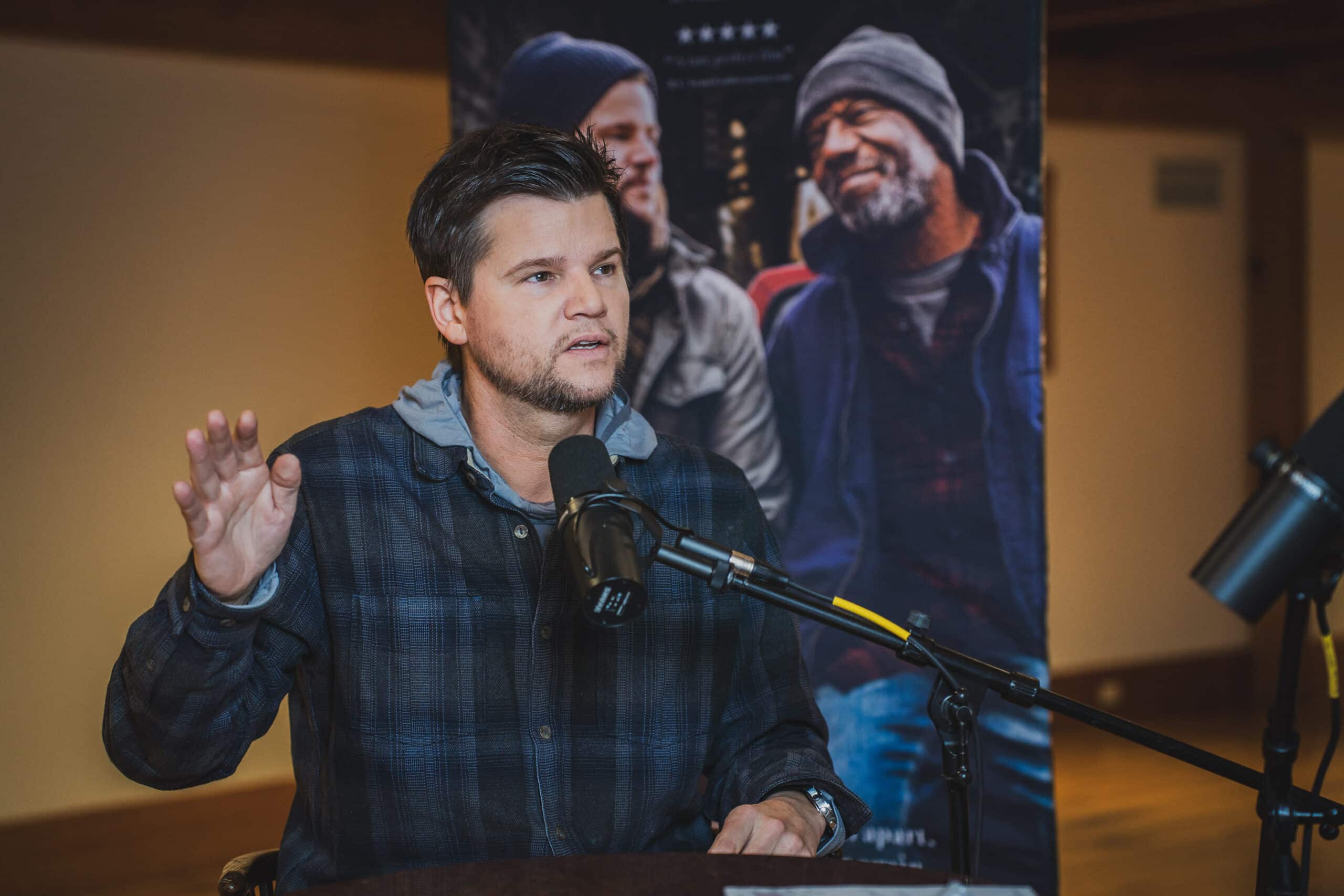
I am going to share a story with you that I have never told because there is a reason why I put that in the film. In that first year in 2011, I was very fortunate to be invited to go to the White House for a Gold Star Family Members event. Buneva Jacquay, who has become like a second mother to me, spoke at our wedding and has been so involved in this journey from day one. It was really important to her fourteen years ago to have me as a guest.
I told her, “I want to earn this moment.” I did not want to go. She is like, “No, you need to see this for yourself. You need to see what these families go through.” We spent a weekend in DC. We were at the White House. You hang an ornament on the presidential tree, and you are immersed in this world. Yes, I needed to see it. It did change everything for me. I am talking about perspective. The last night we were there, we were at the W Hotel.
If anyone stayed there, if you look out the window, the White House is like right there. On the TV is Geraldo Rivera saying, “We won the pullout of Iraq.” He was at the gates, and there were like MRAPs and Humvees coming through. I was sitting on my bed, Gold Star mother, Buneva was sitting on her bed, and we were watching it. I remember because she had the menu for room service in her hand, because we were going to order dinner.
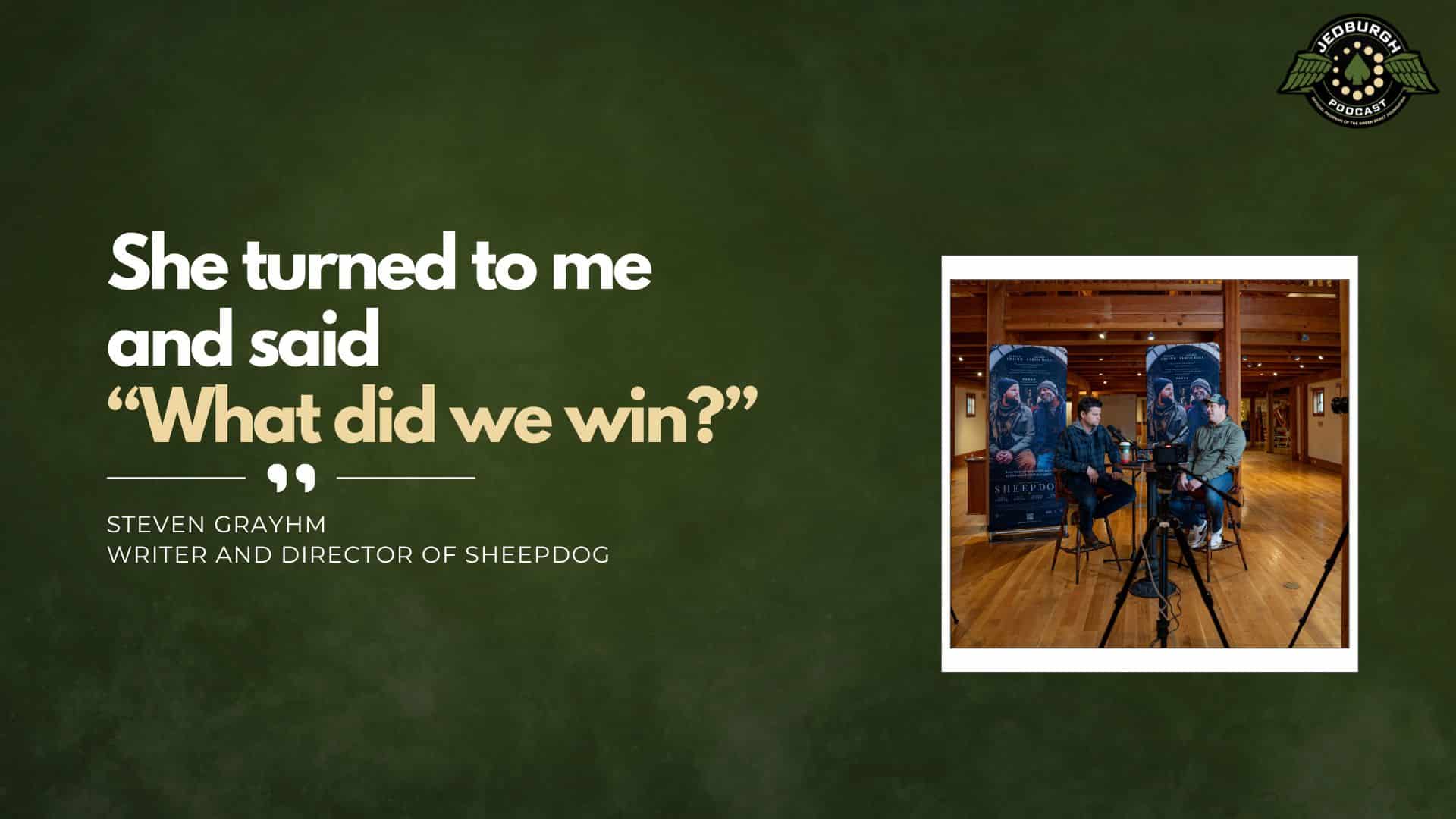
I looked at her, and she looked down, and she looked out the window at the White House. She looked at the TV. She turned to me, and she was like, “What did we win?” I knew in that moment she was processing because her son was killed in Iraq. What did my son give his life for, and how do I make sense of that? She was not buying what the newsfeed was packaging. This is somebody who has lived this, whose son was killed in such a horrific way, and thousands of miles away from home.
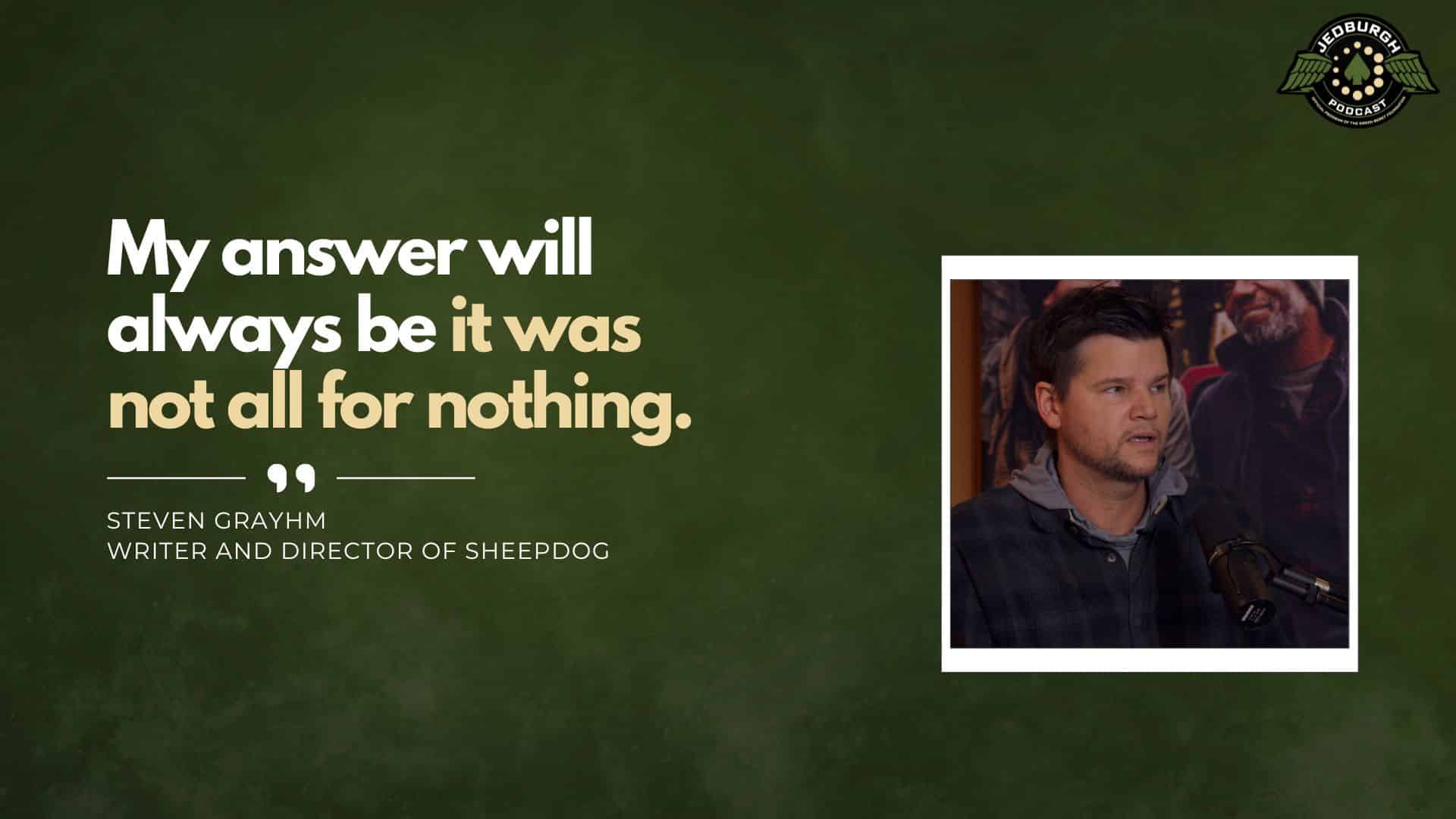
I did not have the answer at the moment, other than to say what he was called to do. Cody always wanted to be of service to his country. He was very good at what he did. He was a team leader, and I thought, “That is a question worth asking in our film. Was it all for nothing?” My answer will always be, it was not all for nothing. You can peel back the onion and all the different ways you want to have, like war on terror, all the different things we have heard, and some of them known to be truthful, but to the individual, that calling is a very personal thing.
The answer for me is that it does count. The lives that you impact. Again, we do not get to choose. Those who volunteer, the conflicts you go into. That moment always stayed with me. I felt that it was important for the folks that we represent on screen to know that I felt that way as the storyteller on behalf of so many hundreds of people I had sat in front of from all different walks of life, that it is for something.
That next morning, we walked around the National Mall and so on. I was just really glad that I had spent that time with her to be here, especially for that moment, also because I had a chance to really open up about her son’s service that she did not know and was not aware of, because the guys that served with her son are spread all over the country. Though she kept in contact with some of them, but to get into the more intimate details of the service.
She had told me that morning that she had never slept so well since the night he passed. That will always stay with me. I do for anyone tuning in to this or seeing the film. You will see that that moment is earned in that conversation that my character is willing to ask that, especially to a mental health professional who has not served, who has not been in conflict. How do you answer that question?
What do you hope is the result of this movie?
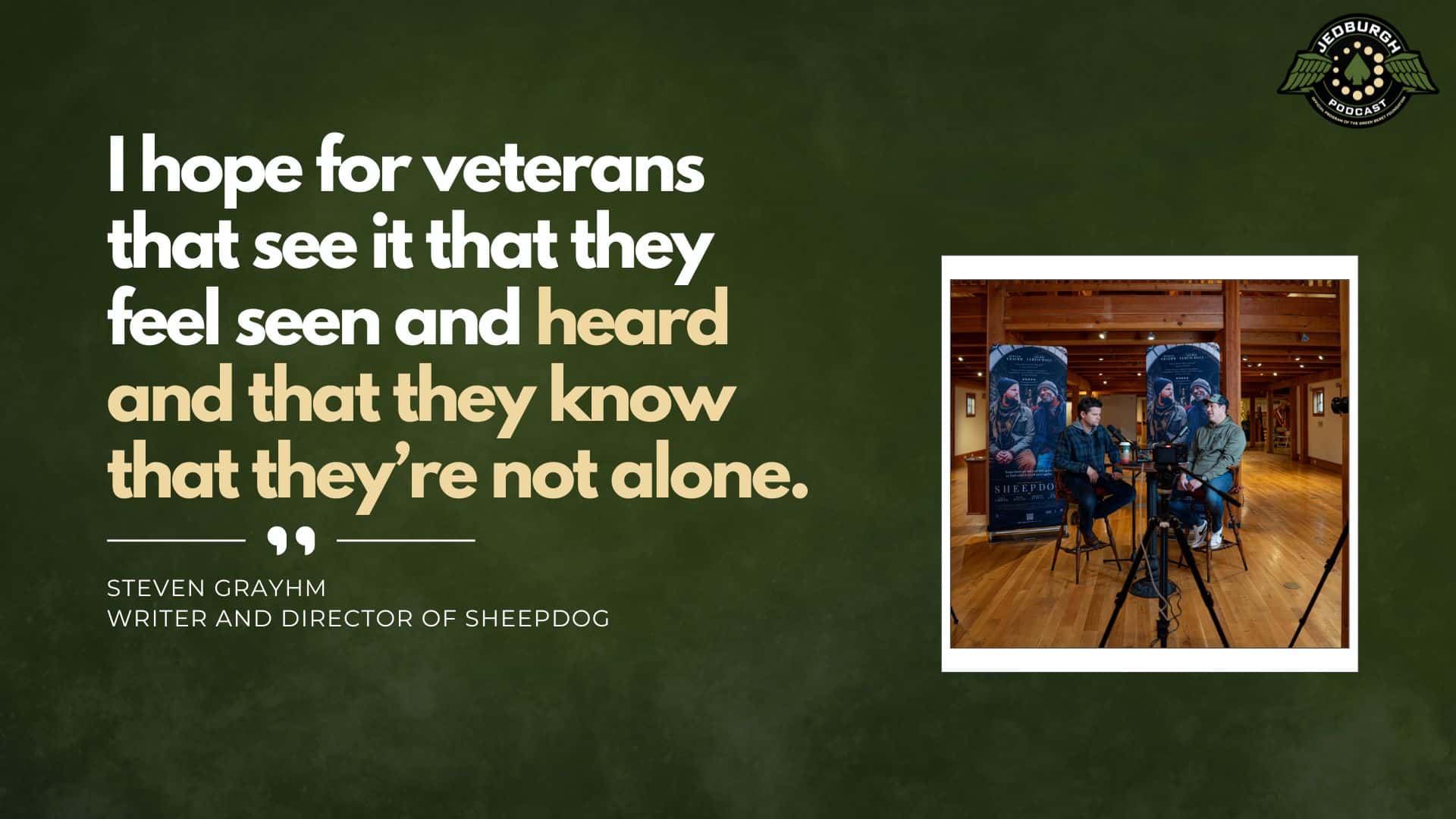
I hope for veterans who see that they feel seen and heard and that they know that they are not alone. Taking it a step further that you do not have to suffer in silence. Yes, it is okay to not be okay. There is a line in the film that my wife in the film says, “Walking through the front door can be the longest journey traveled for some.” She is referring to the VA in this scenario. It is also important to know that there is care there.
There are folks who come to work every day, that this as a job, who are all in. They are trying to positively impact the lives of others. There are other resources, whether it is the GI Bill for folks who have not utilized it, to explore what that next chapter might look like. Most importantly is to know that you matter and to know that your service and sacrifice are acknowledged. For civilians to understand that, I understand, but saying “Thank you for your service” for some folks, especially civilians, can feel like a hollow gesture to a veteran, but certainly, for some civilians takes a lot of courage to say.
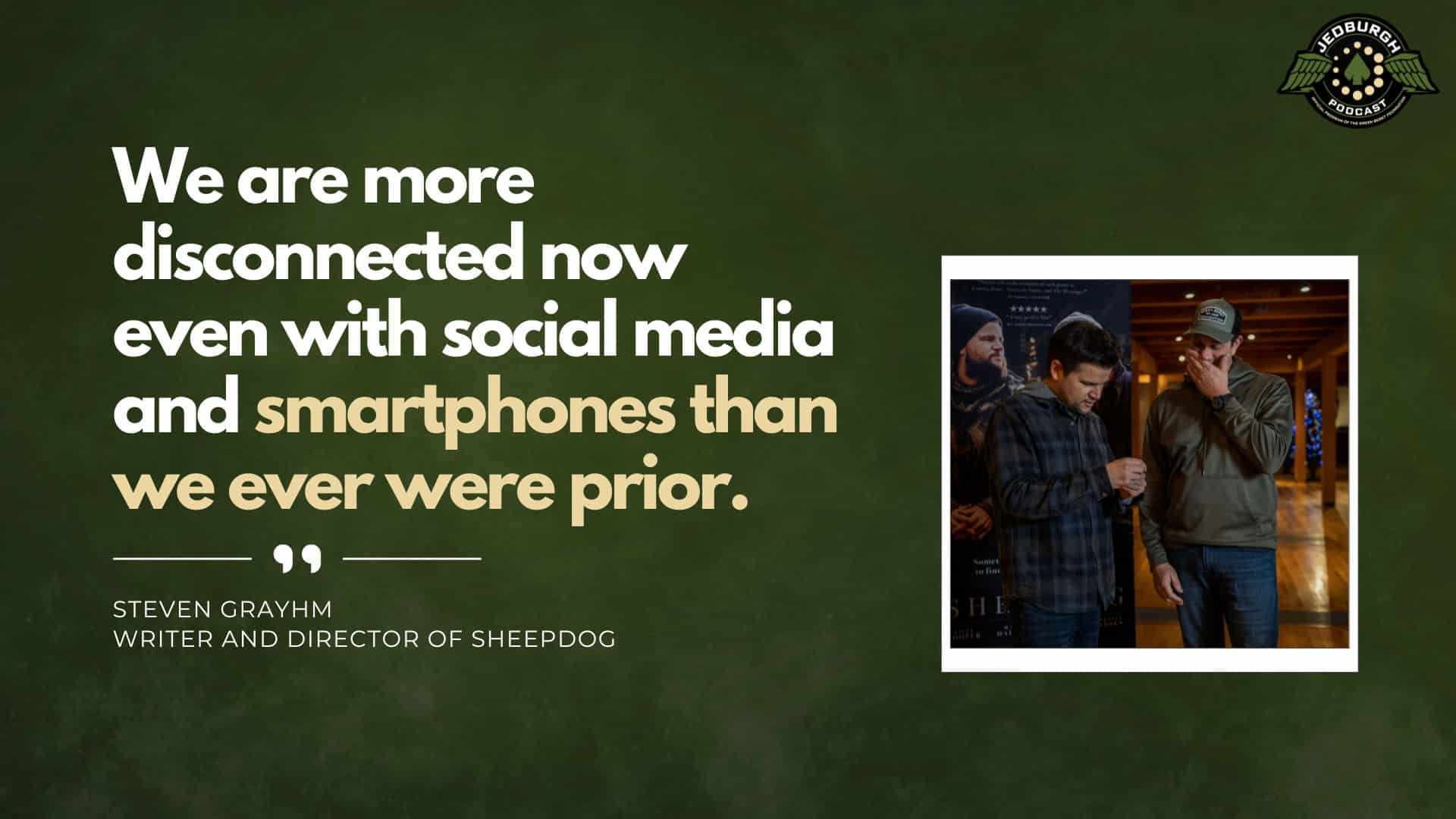
Pushing that conversation or that gesture further to say, “How are you? How are you doing? What was your service like?” Not to say that every veteran wants to get into a conversation with somebody about that, but to bridge that gap that we feel that I have seen, I have witnessed of the one percent of the country protecting the other 99%. Defending the other 99%. I feel like we are more disconnected now, even with social media and smartphones, than we ever were prior, because it is an all-volunteer military, and civilians have the luxury to be disconnected by that.
Not to say they want to be, but just saying that is just sort of what has happened by default. I witnessed firsthand the military community taking care of the military community. You see that a lot. My hope is to inform, entertain, and stir the soul. Whether that is to go out and be of service to your community, especially if you are a civilian, you do not have to serve in the military to relate to the story. As you know, it is an ensemble film.
By design, there are six sort of main supporting characters. My hope was always as the storyteller that you were able to identify with one of those characters, whether it is a military spouse, a mental health worker, a Vietnam veteran, a civilian, a former hockey coach turned cop, or family members, because I wanted folks to see the impact of that service and sacrifice.
When we use the word hero, what that really means when we are talking about courage. Starting a conversation, a really meaningful conversation at the very least, and I have seen the impact that the film has made in the last year on the film festival circuit. I have held in my arms Vietnam veterans with tears in their eyes who have said thank you because they feel seen and heard.
OIF and OEF that stand up in front of a full auditorium and say, “I wish I had this movie ten years ago to show my family why I am the way I am, but why they are the way they are. I wish I could show my ex-wife this film.” To me, that is first and foremost. If we can save a single life with this phone, that would be the greatest Hollywood success story that I could imagine.
I cannot give away the whole film, but we talked a lot about some of the core pieces. I will tell you, I laughed, I cried, I empathized, I sympathized, identified with, I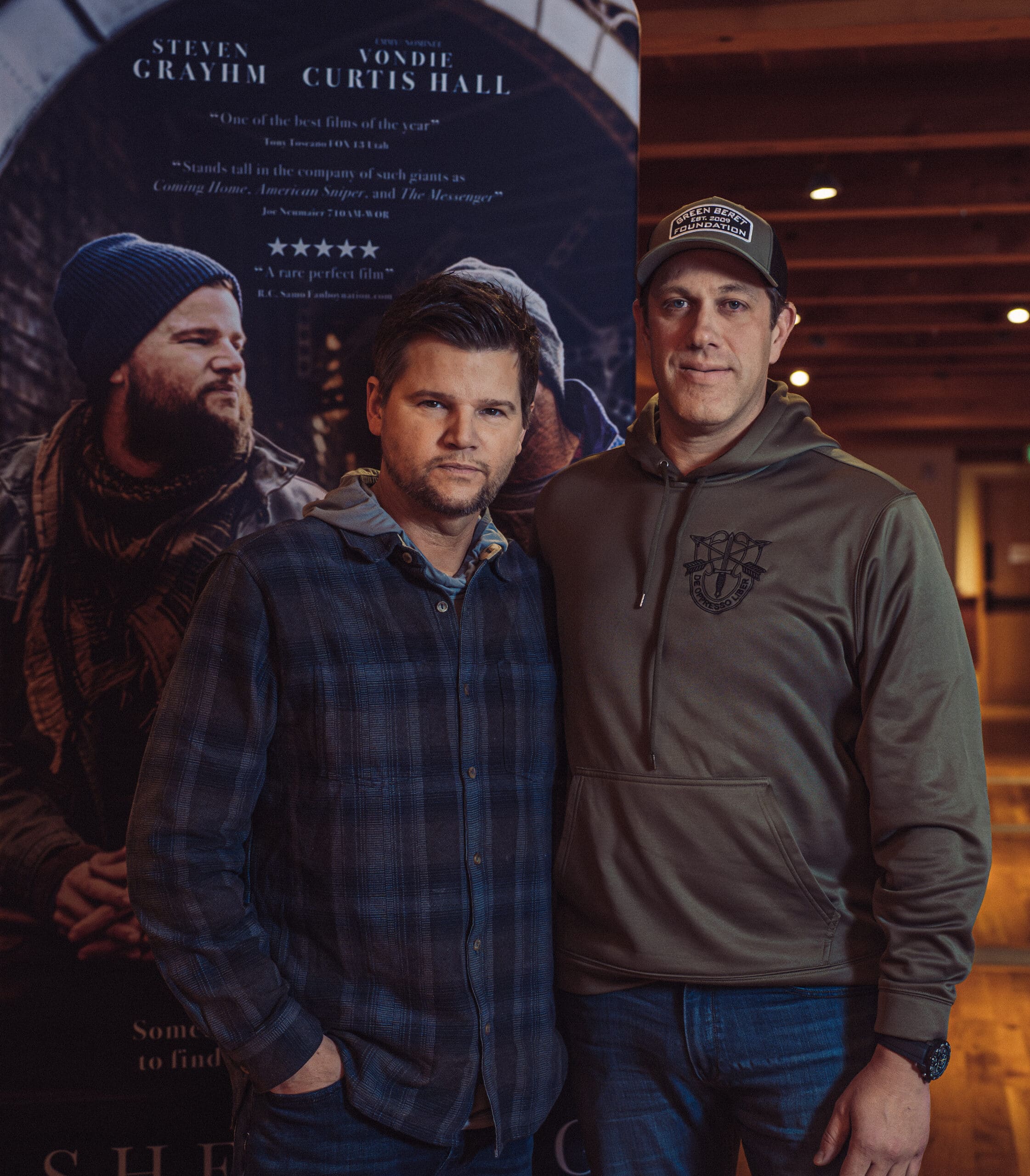
This morning, as I was watching the film, she came into the room, and that was when I knew that this was a story we had to tell on this show. I look forward to Sheepdog being in the broader market. I do know, not hope, I know that lives will be saved because of this film. I thank you for giving us the opportunity to tell your story, and thank you for doing this.
I am speechless. Thank you. The universe does truly work in mysterious ways. Thank you for this honor, and thank you for your commitment to service and sacrifice, and your family’s sacrifice, and for using your platform to amplify the message of Sheepdog and this film. On behalf of our entire team that has worked so hard to try to bring this story to the world, thank you so much, and keep doing the good work you are doing, which is a tremendous honor. Thanks.

Green Beret Foundation
P.O. Box 25138
New York, NY 10087-5138
Note: Please use USPS mail or priority mail. Do not use FedEx.
Green Beret Foundation
10205 US Hwy 15-501, Unit 26-8
Southern Pines, NC 28387-4301
Call: at: (844) 287-7133