What separates warfighting from a warrior? Is it skill? Is it experience? Or is it something deeper that only reveals itself when it matters most?
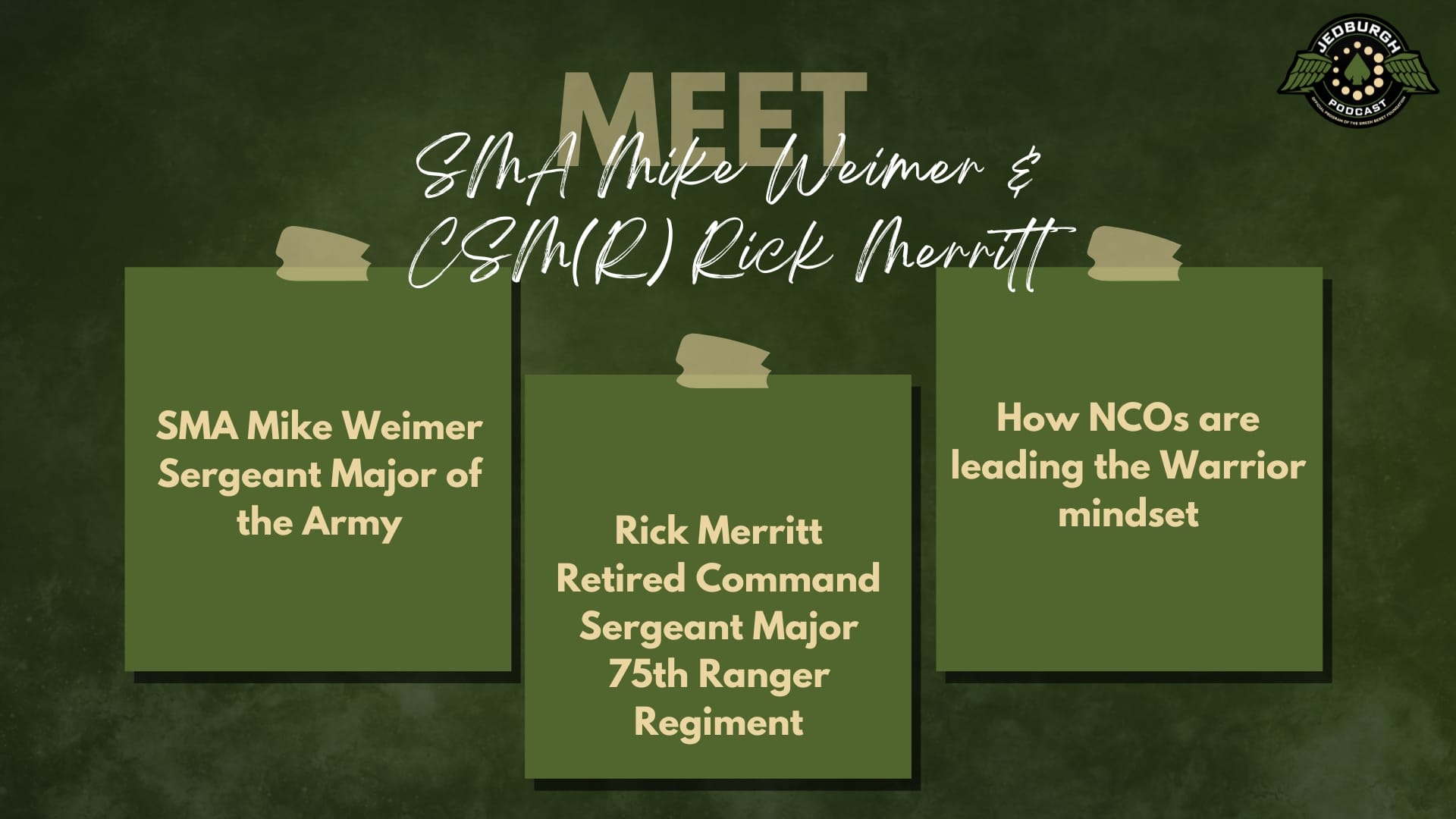
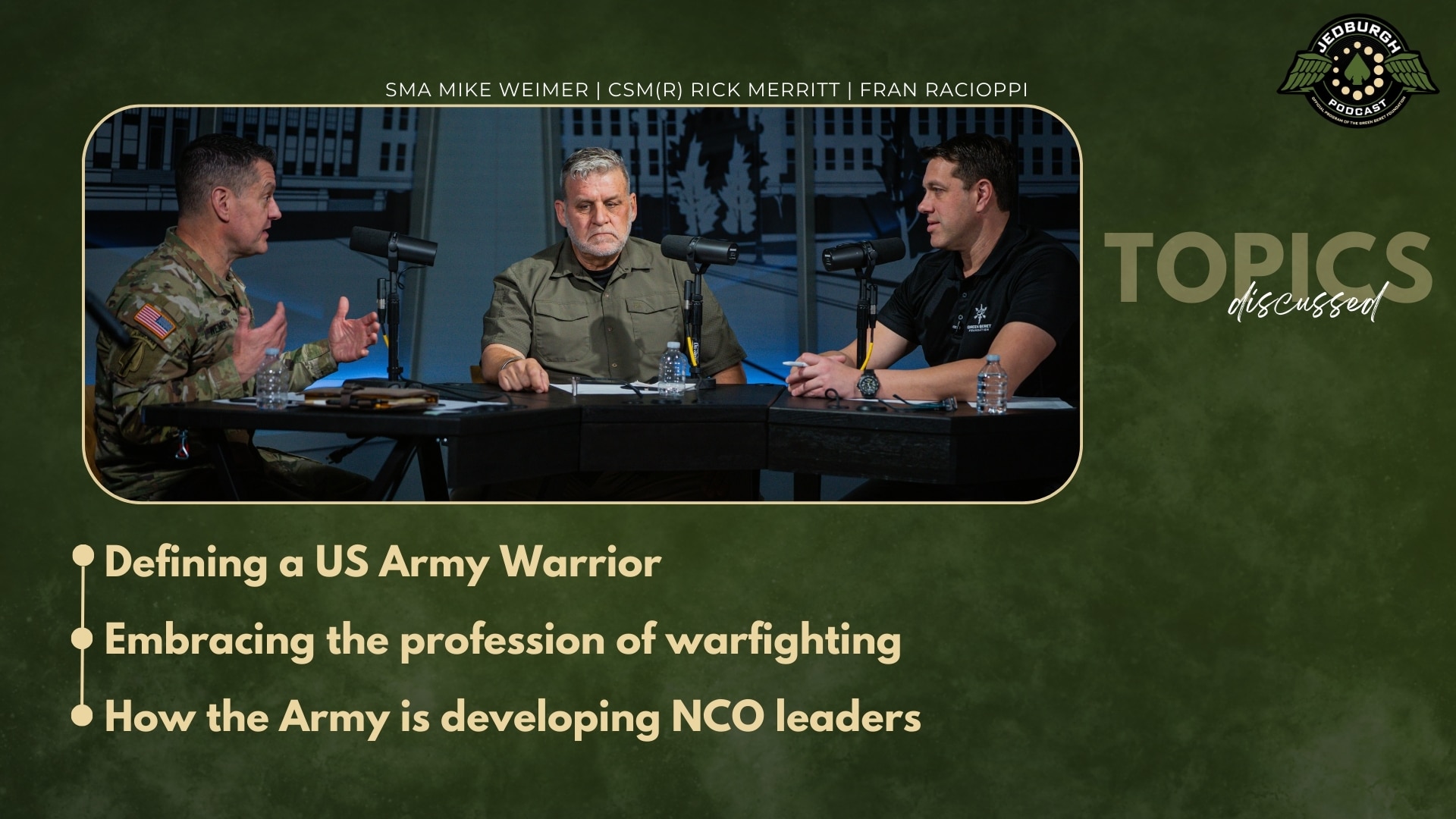
From the Pentagon, Fran Racioppi sat down with Sergeant Major of the Army Mike Weimer and retired Command Sergeant Major Rick Merritt to discuss what it truly means to build and sustain warriors in the United States Army.
CSM Merritt spent over three decades on active duty, including 25 years in the 75th Ranger Regiment, serving in every enlisted leadership position from rifleman to Regimental Sergeant Major. He conducted over 1,500 combat operations under Joint Special Operations Command and served more than five years in combat task forces in Iraq and Afghanistan. His experience spans the full arc of modern warfare.
Together with the SMA, we unpack into the difference between technical proficiency and true warrior mindset, what commitment looks like when compliance disappears, and how leaders enforce standards without eroding trust.
We explore whether resilience is built over time or revealed under pressure, and how purpose sustains Soldiers when motivation begins to fade.
As warfare becomes more technical and systems driven, the SMA is challenging the force to ensure technology enhances the warrior. Future conflict will demand innovation and the technological edge, but victory on the battlefield will still be decided by human judgment, character, and leadership.
This is a conversation about standards, commitment, mental toughness, and the responsibility of leaders to hold the line…not just to engage in the business of warfighting, but to forge warriors ready to close with and destroy our nation’s adversaries.
—
Welcome to the Jedburgh Podcast, and thanks for having us back in the Pentagon.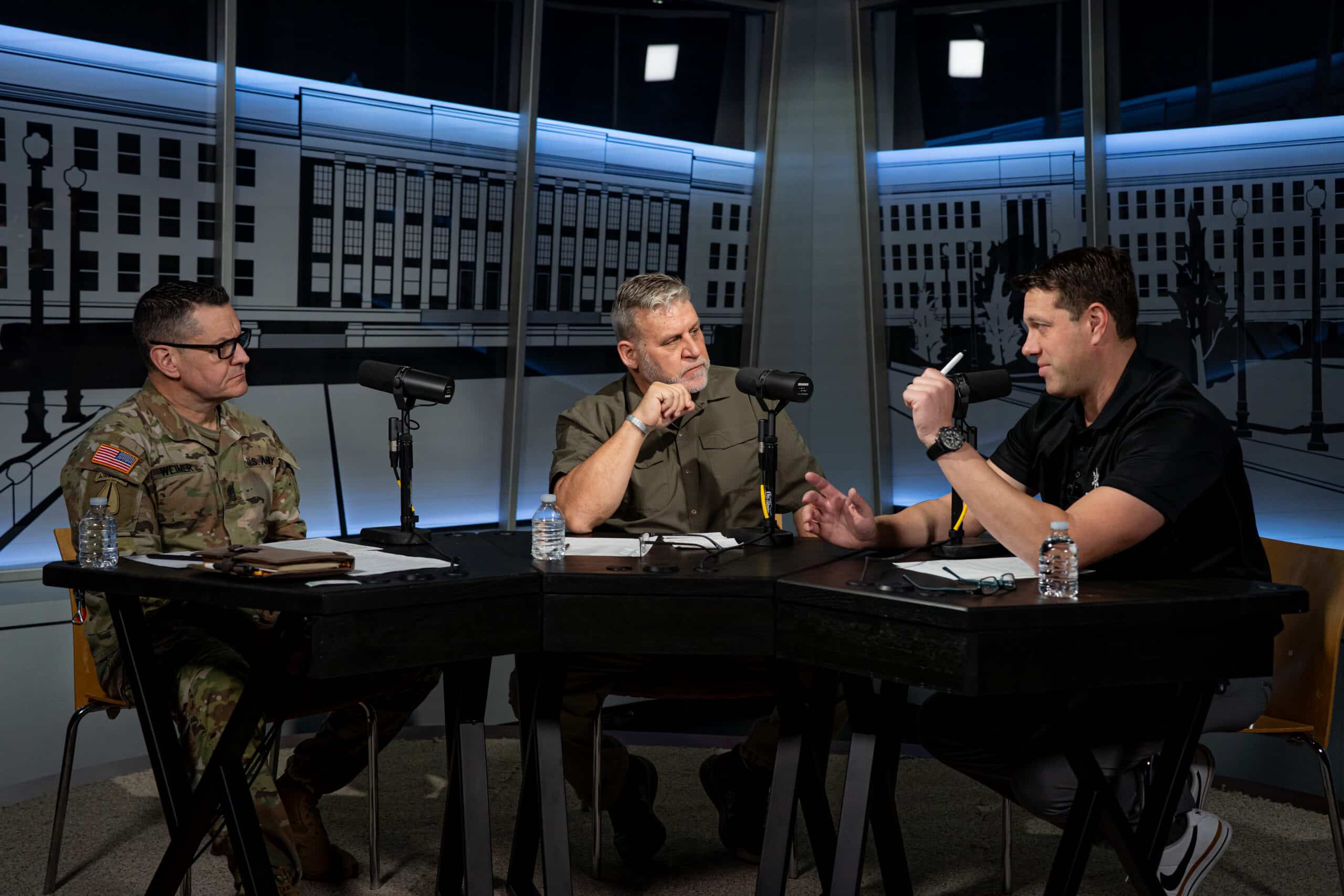
I like this. It is a bit of a recurring theme here. A little different this time because we have a legend with us. It is good to have you back.
We have been fortunate to be able to come in here so many times. We were joking earlier that the first time we came, there were twelve people in the room. The second time there were six, then there were three, and now we are down to one. We are doing something right, and they are getting set up where they are trusting our ability to go to space.
There are so many things that are happening right now in the Army. We are seeing so much of the messaging coming out about transformation, modernization, and investing in the next generation of soldiers. SMA Mike Weimer, we spent a long time, it has now been a year and a half, but you are still the YouTube sensation on the Jedburgh podcast. We spent a long time talking about war fighting and what war fighting means.
Why does the Army have to be built of war fighters? Now we are going to talk about what it means to be a warrior. As you mentioned, we have brought one of the Army’s historic Hall of Fame warriors here to sit with us, Sergeant Major Rick Merritt. I will go through it quickly. Do not blush, but 25 years in the 75th Ranger Regiment, 36 years in the Army, and 14th Regimental Sergeant Major of the 75th. Multiple tours. We have 40 tours to Iraq and Afghanistan.
I do them by months because tours are different for everybody, 61 months in combat.
Division Command Sergeant Major for the tenth Mountain Division. It was like living up in the snow up there. Distinguished member of the 75th Ranger Regiment in the Warrior Legends Hall of Fame, as well as the tenth Mountain Division, the Army Ranger Hall of Fame, and an Honorary Sergeant Major of the Army in October 2025. You are the 75th Ranger Regiment Association president. Thank you, Sergeant Major, for your service. Thanks for joining us. When I told people we were coming here to sit down with you, they said, “That is the conversation we have to have.”
I will start off by laying my thoughts on this. Sergeant Major and I served in combat together under the higher command. I will say nothing ruins a good war story like an eyewitness.
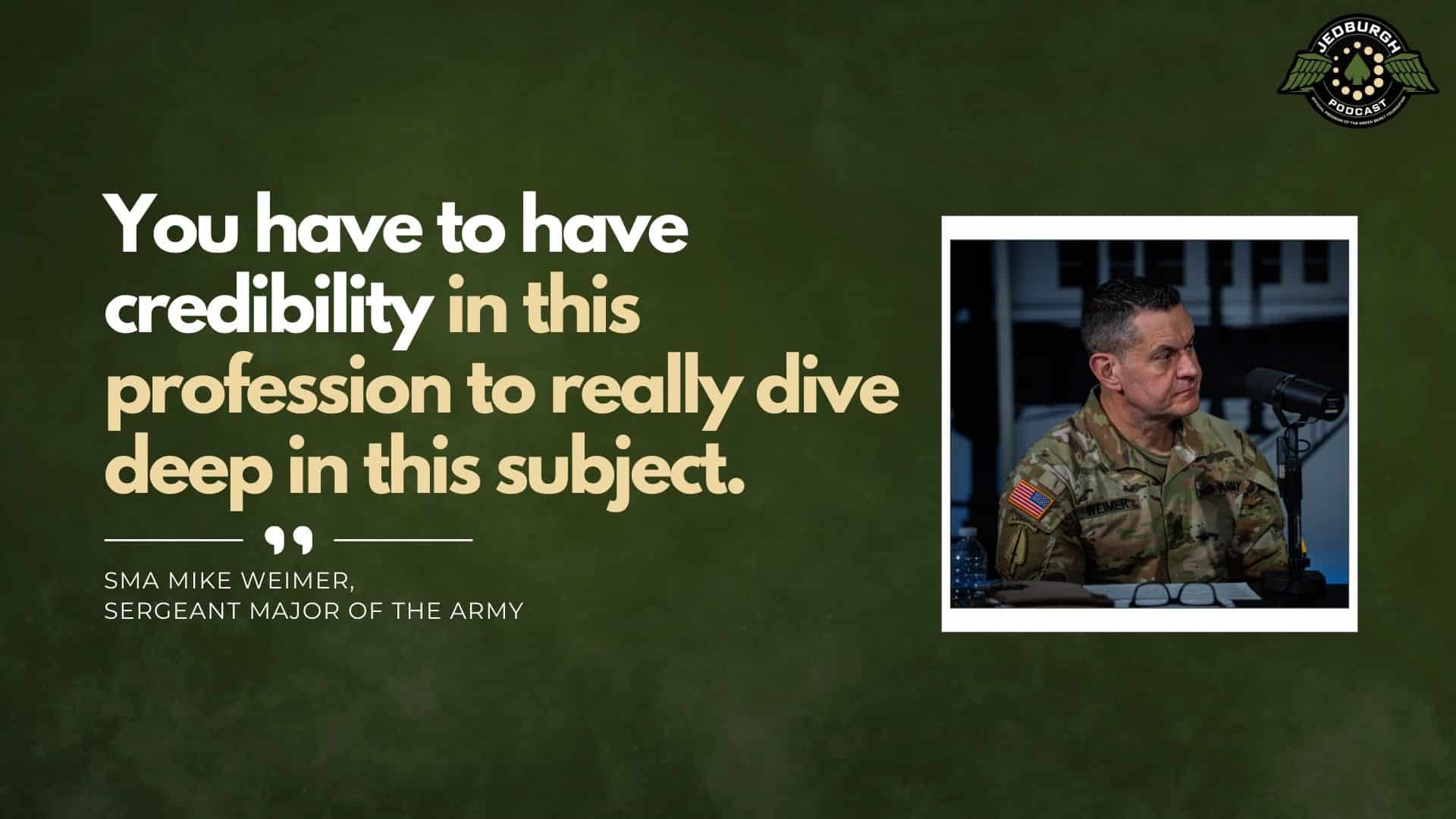
It is true. For this topic, there was no doubt in my mind. I will fess up. When I called Rick and said, “We want you to be the next Honorary Sergeant Major in the Army.” He downplayed it because he asked, “Are you sure? There is nobody else?” If you do not know Rick, the last thing he wants to do is talk about himself. It is never about himself, which is a trait of a warrior. We will talk about that a little bit more. With this topic, this was the right person to bring on because you have to have credibility in this profession to really dive deep into this subject. Let’s start there. We will start with you, Sergeant Major. What is a warrior?
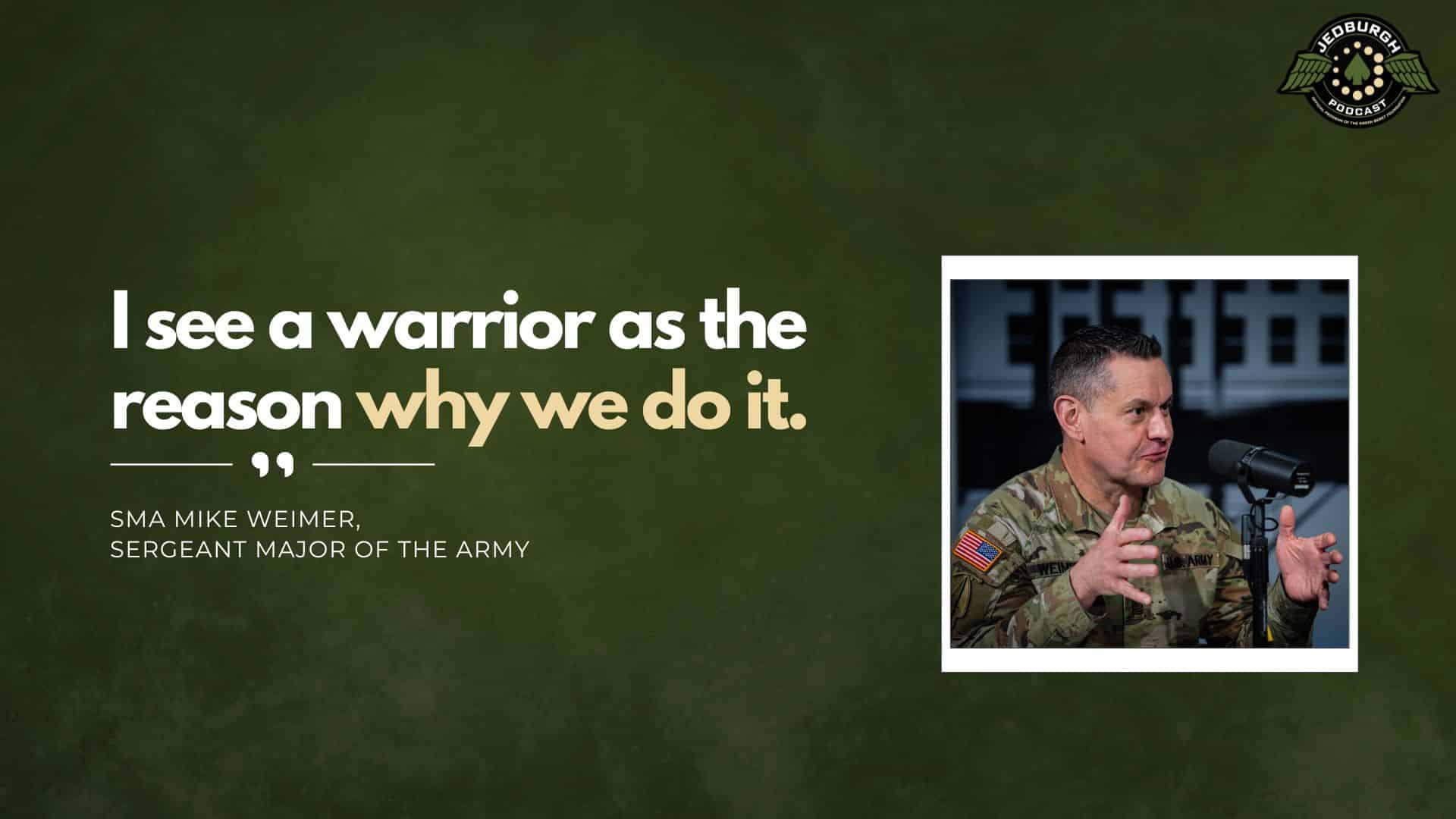
I see a warrior as the reason why we do it. There have been many conversations about the differences between a warrior and a warfighter. In some ways, to me, they are hand in hand, but a warrior can be an everyday warrior. You could be a warrior in any job you do. You could be a warrior fighting sickness, but to be a warrior in combat is a whole different level. To me, that is where the war fighter of it comes in.
When we talk about the warrior, we are looking at our ethics and our ethos, and why we are the warrior, why we will not quit, why we will fight harder, what it means for our values and morals that have been ingrained with us before we ever joined the military and strengthened throughout our military careers. For myself, even to give back continues after retirement, as I took off the uniform, but my warrior attitude and values did not change with that.
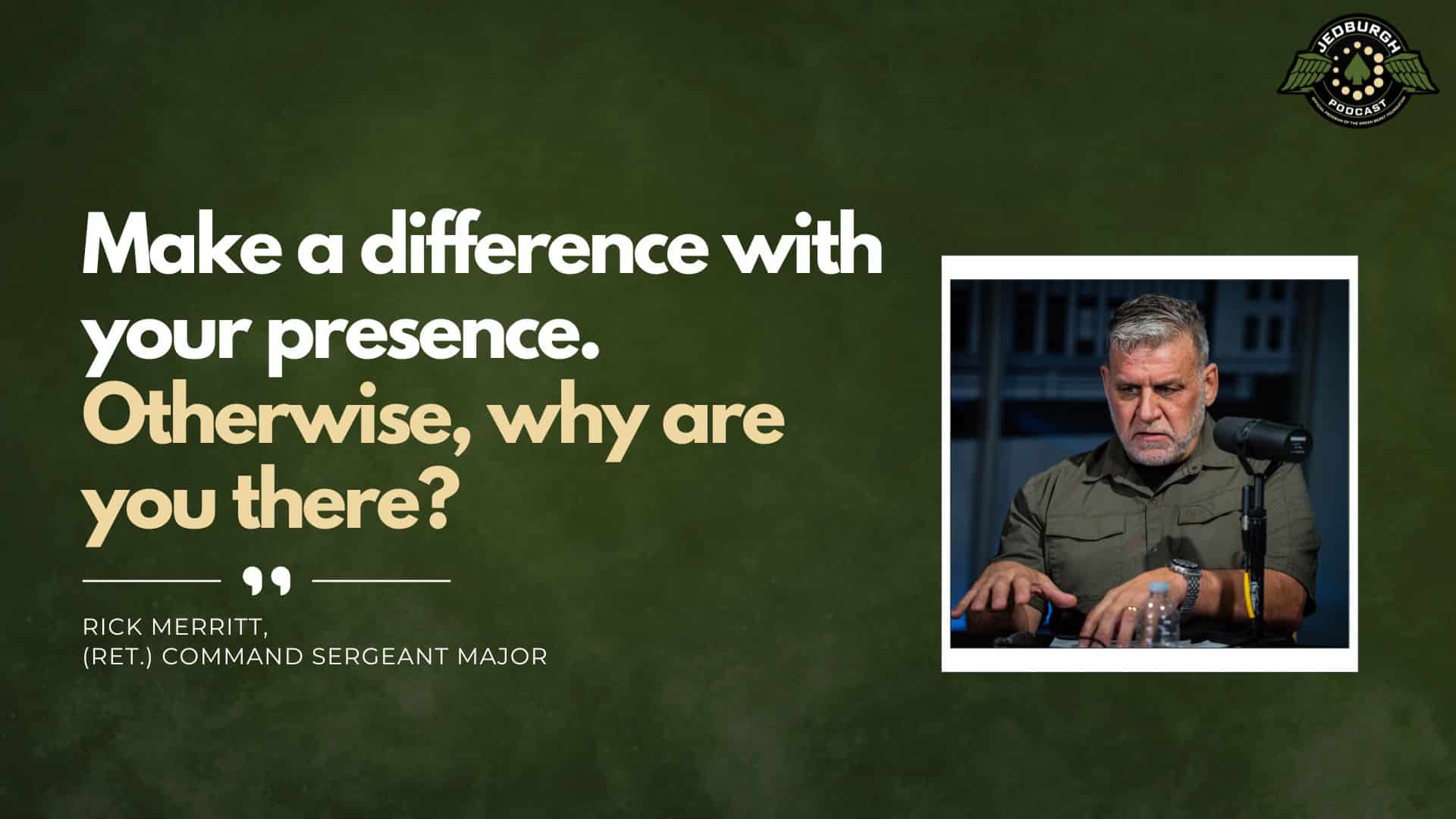
Truly, I think what makes a warrior is more of that. The functional part of it is expertise, that is, where the warfighter comes in. Doing teamwork where I see a warrior, we think of Genghis Khan. We look back at folks like Shogun, Robert Rogers, all through history. To really see an adaptive warrior, an adaptive warfighter in today’s complex world, to be able to think on your feet, make the right decision the first time, make a difference with your presence where you are, you make a difference, whether that is at the breach or at the foothold.
Make a difference with your presence. Otherwise, why are you there? That is what warriors do so well to make that difference because they were there. I can have a deep conversation forever on that. All that talking, really, the warrior happens at a split second of a firefight when that first round is fired.
Which takes years to get you to that point. SMA, when we think about this concept of warrior and how it plays into the concept of war fighter, from your position leading the Army and being the personnel manager, you are in charge of training, you are running what it looks like to define and become a warrior of what the US Army and this country needs for the next battlefield which we’re talking about warrior now. What is that warrior? What does that warrior look like to you?
It is a complex conversation. It goes back thousands of years. I do not know if it is not the longest-standing profession, but the profession of arms has got to be right close to the top. We are in the war-fighting business, and we are war fighters, but a warrior is a way of life. That is how I separate them. Rick is spot on.
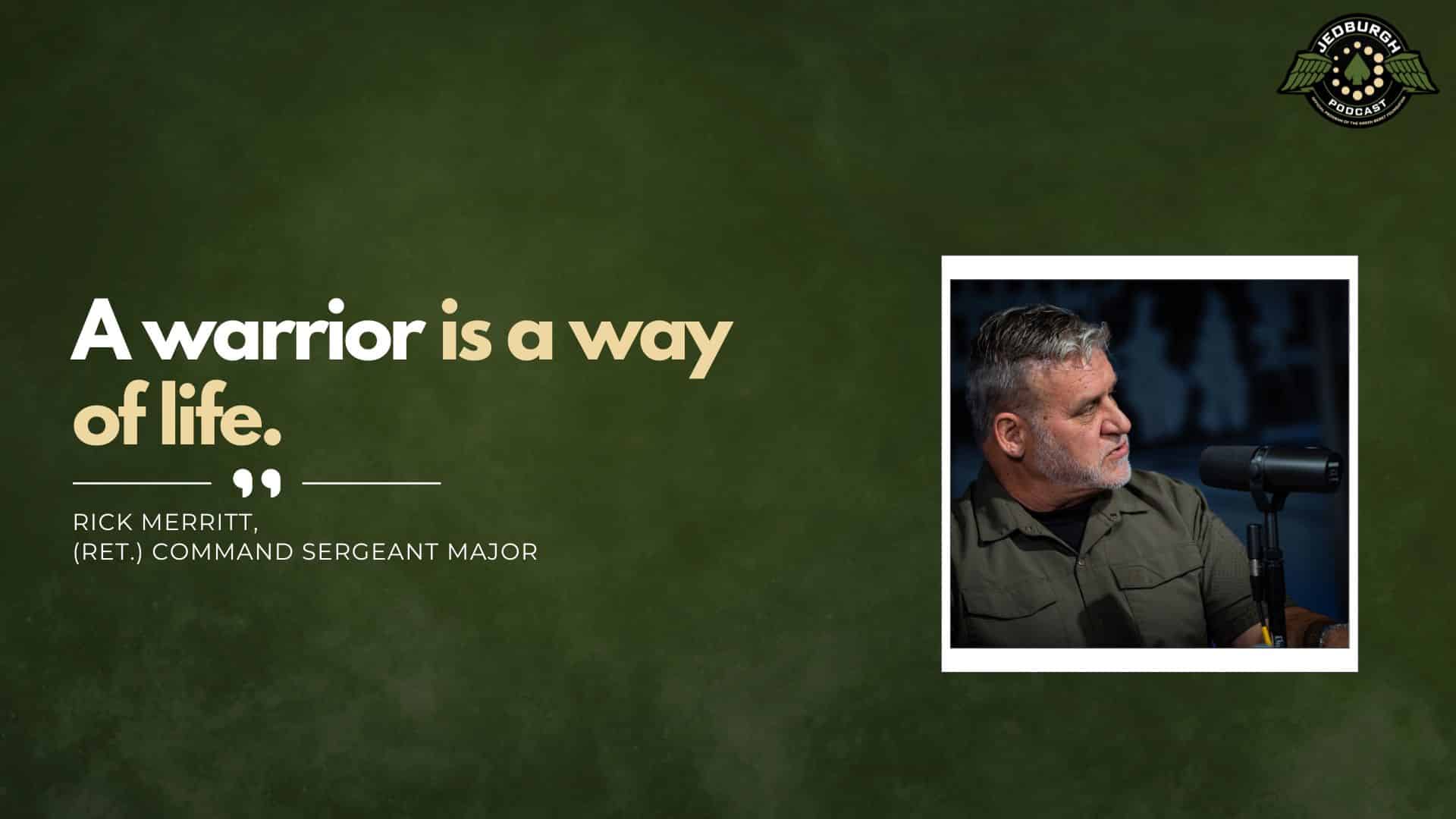
It is a mindset that is associated not so much with what you do but more with how you do it and the dedication and the selflessness and the sacrifice, the things that people do not understand why in the world you go that extra mile. That is how I separate it. When you associate with the fight we have today. It is today.
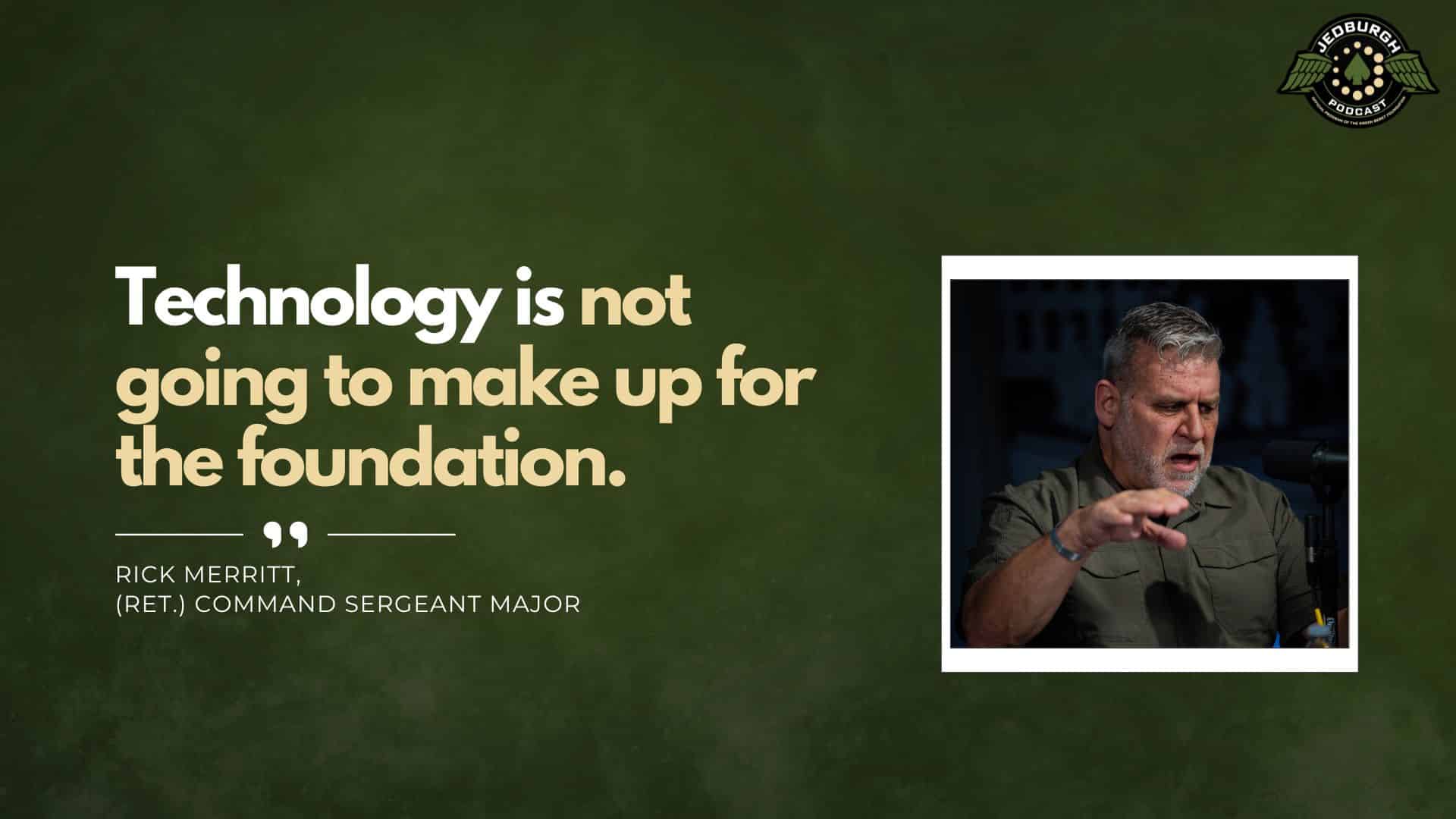
It is not a tomorrow fight. It is the fight we have today. You cannot lose that because you are going to have all this technology. Technology is not going to make up for that. You know how I feel about this. If you have that as your foundation, and I think that is key in leaders, what is the difference between a senior non-commissioned officer who has gone past twenty years?
That is a warrior because they should have retired already. Now you add all that technology? Now you add all that generative AI and all these fancy things? You talk about lethality that we have not seen in the history of warfare. That is why I get excited about starting with the basics, who you are, and why you do what you do. You talent manage people who are extra committed at the senior levels, which is why I say it is a way of life.
What are the traits? We’ll talk about compliance to commitment here in a second, but you’re talking about bringing somebody in when we look at it, and you’re both experts in recruitment, assessment, and development. At the end of the day, that is what we have to do with all of our recruits, whether they come into the Army or they are going to a Ranger Regiment or the Special Forces Regiment. We are going to recruit them, we are going to assess them, and we are going to select. When we think about needing a warrior at the most foundational level, we are in the business of developing soldiers first. What are the traits that we are looking for in a warrior? Go for it, Rick.
I look at those traits in a warrior as one who is dedicated, disciplined, and willing to go the extra mile. They will fight for those on the left and right and never quit. We put all those words in creeds. I have a multitude of creeds, from the Soldier’s Creed, the NCO Creed, to my Ranger Creed. If you look at them, that is in those creeds.
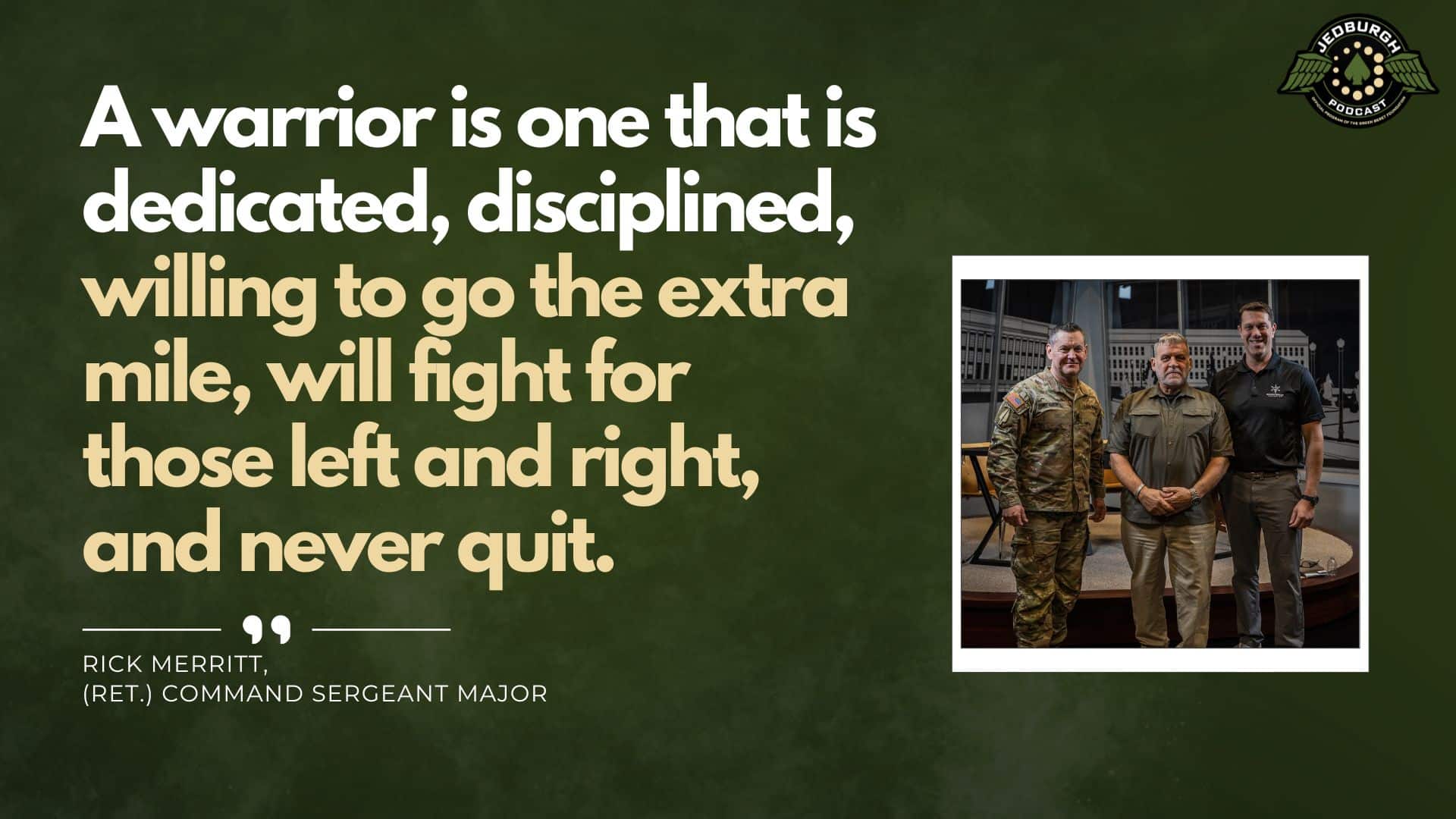
Those words in there are more than being taught. As he said, it has got to be a way of life ingrained in you to where not only do you believe it at first because it is the rules and you have to do it, but then the commitment comes in when you understand why, and you become that reason and use it in your own words and actions. I will take a look at the Regiment. Every man in the Regiment once did 600 questionnaires.
We were starting an RASP that we have now for eight weeks to get the commonality across that for us to be able to put those in words and know for a recruit, what we are looking for in there, and to go across America and find them, SMA, we were talking earlier. I was 23 years old, had been a paramilitary firefighter, and played many sports growing up with my family. Most of them went into the NCAA. With me being a low silhouette, I thought maybe the Army was a better profession. I had Villanueva, almost seven feet, a couple of Purple Hearts. I was talking to him, and he said, “The NFL wants me.”
For the Pittsburgh Steelers.
I was like, “Look at you. You have already got two Purple Hearts. Who is the enemy going to shoot when you come over that hill?” “You first. Do your family a favor and go to the NFL.” I did not know he would make it as he did. I went back and said, “If you make it, do not tell them you are a hero on the gridiron. You are telling them the hero is overseas killing bad guys.” Years later, he did that. Where do we find those guys? We find them in America, the backyards, and the cities across there. Look for those traits in that. The best recruiters we have are our service members and our veterans, whether they did three years or 30 years.
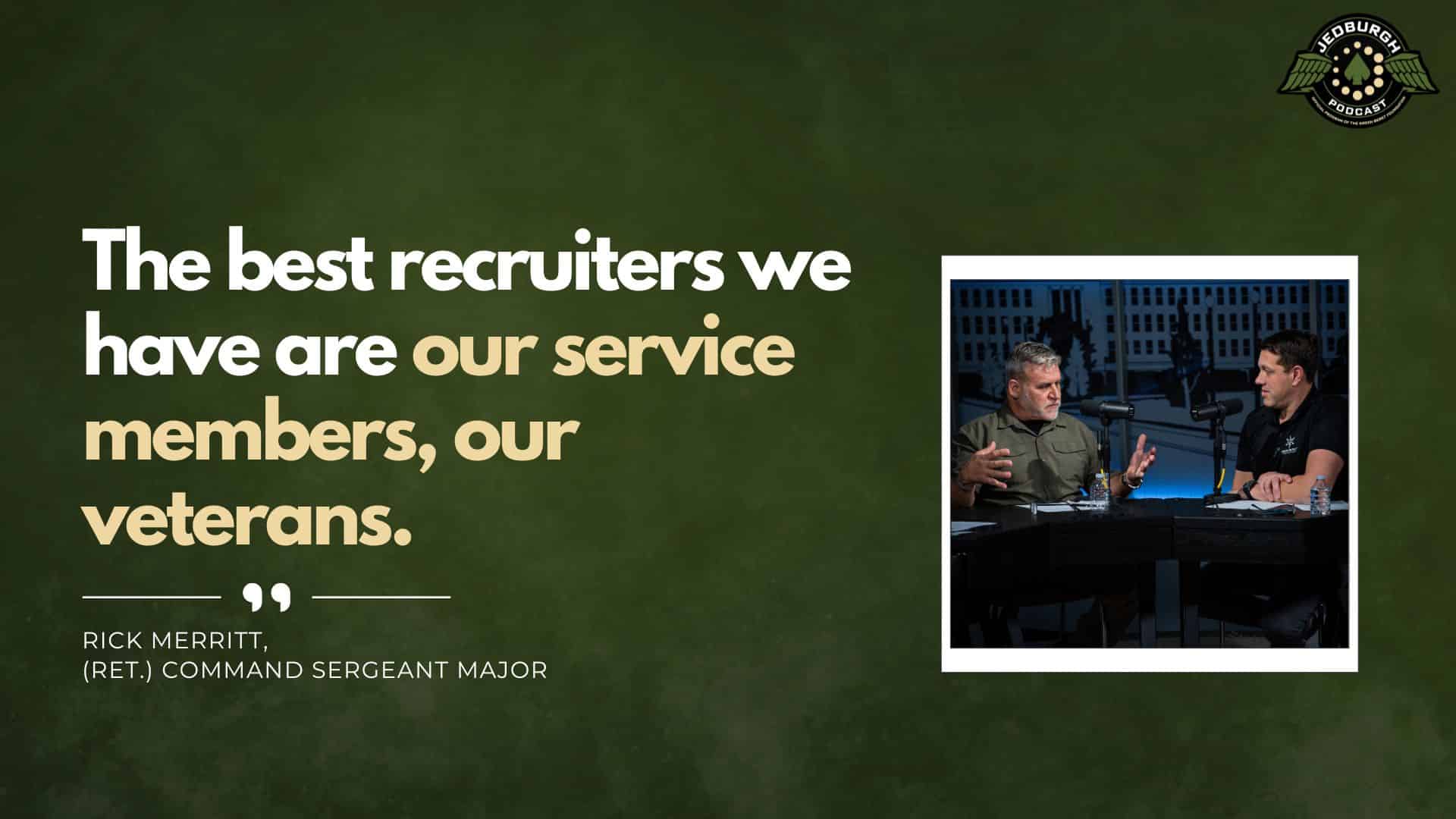
The way we treat them when they come in and, even more importantly, what we see is the way that we treat them when they get out matters. They did a big ceremony for me when I retired. I asked, “Why cannot I do a ceremony for the young man who did four years and was a team leader and fought hard as he is going out?” That is our greatest recruiters across America. At all levels, there are our veterans, and we use them across that.
There is a lot there, Rick, but I will tell you there are two types of folks that you are assessing, if you will. There are folks who have been doing it for a while, and then there are your off-the-street folks. The Ranger Regiment does this well in both categories. You have got your option 40 folks, and then you have got your folks that are already in the military that are going to come and be assessed either as an NCO or an officer for a first tour or a second tour.
We do it in SF also off the street. When you’re looking for that young new recruit, I would say you are looking for key attributes that you can build on. If you’re looking for a completed human being that has everything already figured out, you are not going to find that recruit. The science and the art of it is, how much is enough of these key attributes I see to take a risk on you and bring you in and start developing the rest of that.
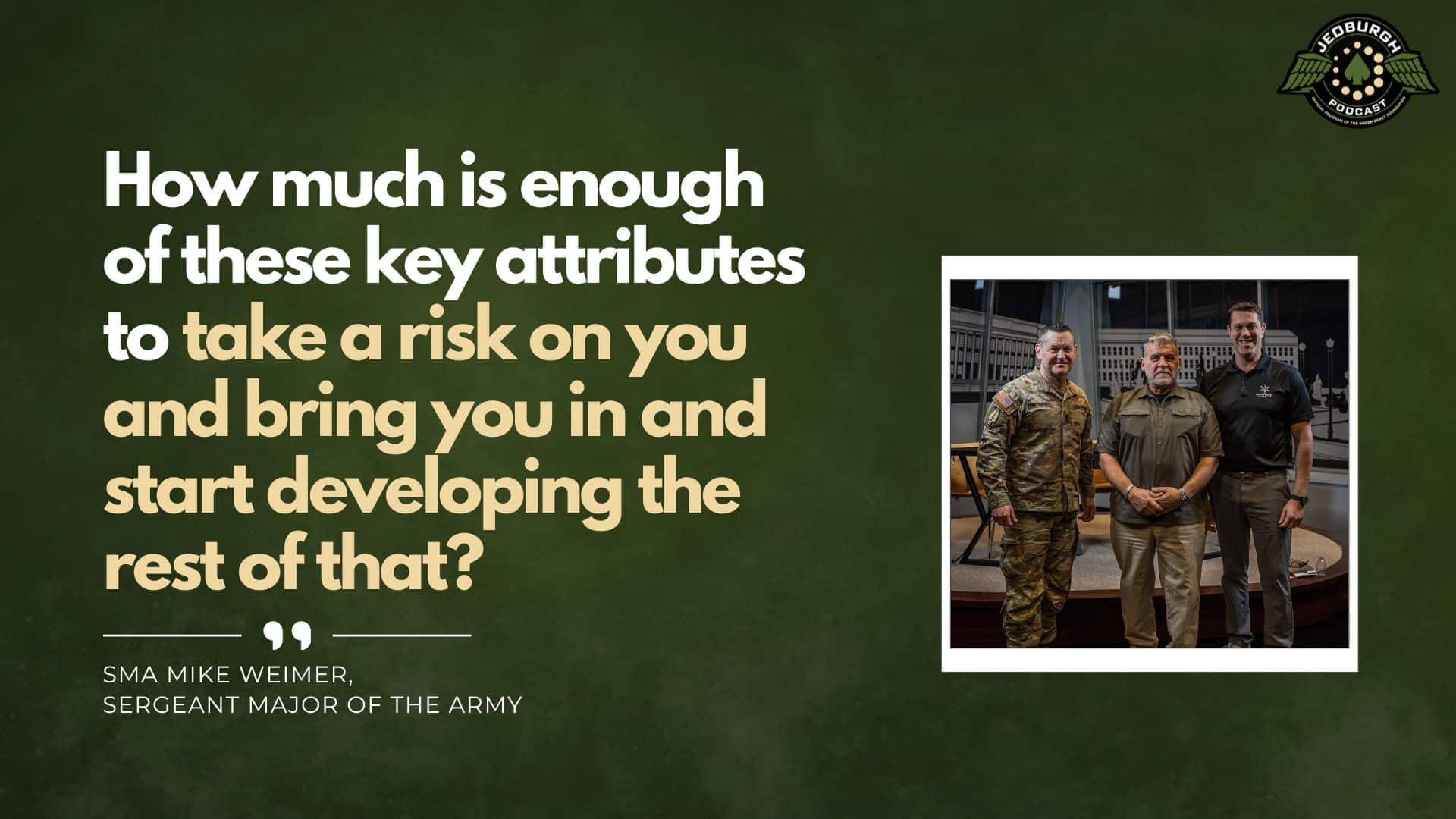
If you compromise on any, the op-psychs would tell you there are a few things you do not compromise on. If you want an immoral person in your formation, then compromise on that. No, you would not do that. If you have got somebody who will not quit, but maybe is not a genius with an IQ, but has enough intelligence, I can work with that. I might even turn that into a phenomenal warrior.
Now, if you are Sergeant First Class Merritt and you’re coming back into the Ranger Regiment, I am going to assess you differently because now I am expecting more out of you. There are different ways to do it, and there is science to it, but I do appreciate, I’ll say his name, Ryan, he is retired, an op-psych for almost 30 years in the SOF community. He would tell you there is still art because we are still human beings.
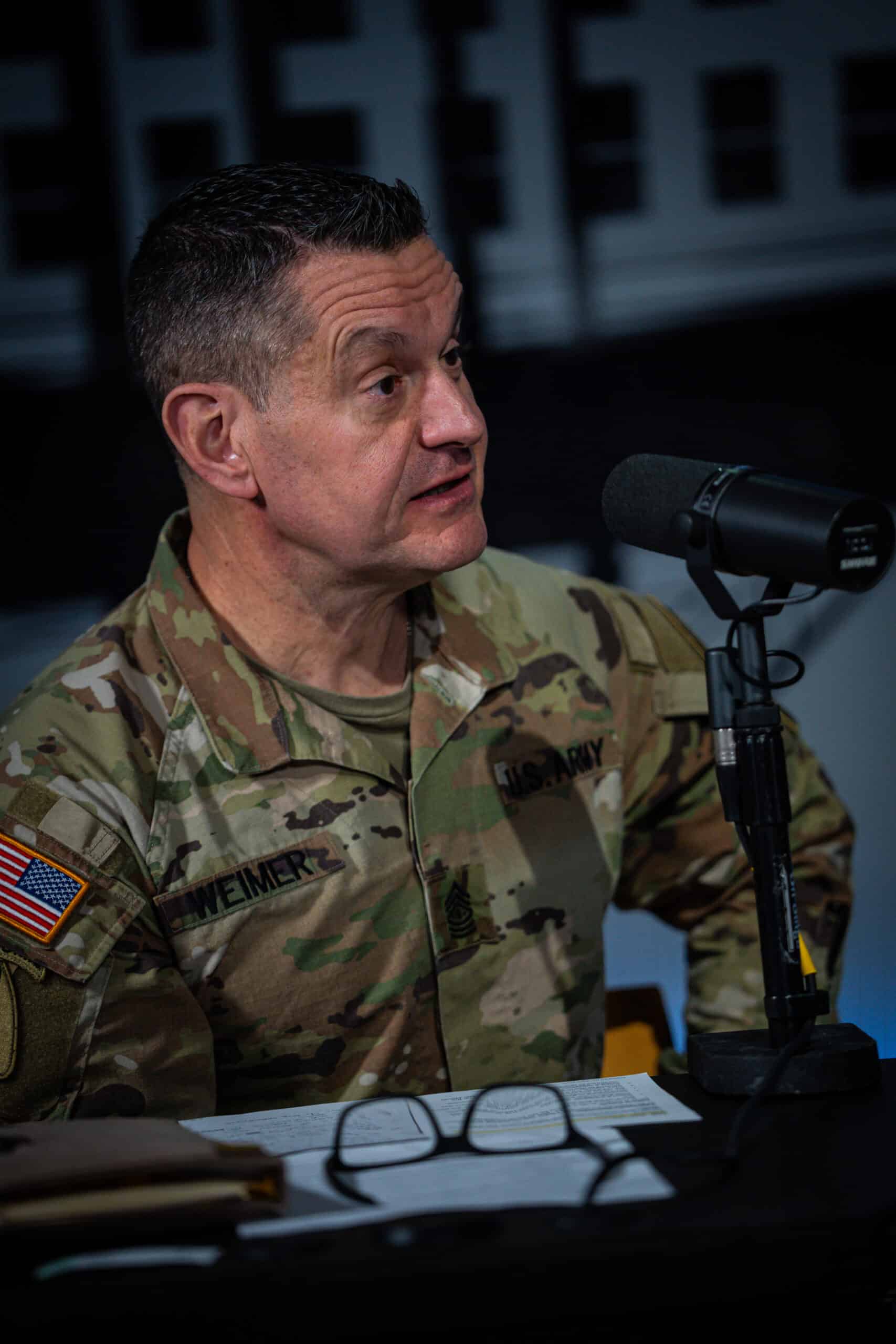
They are going to yell at you some more unless you extend your arms, and then eventually you hold the bag over your head because it is the right thing to do, and that’s what you know. When you’re a soldier, and you’re making this transition from compliance to commitment, and being a warrior becomes your foundation and your way of life over time, how does that create the warrior that we need in the US?
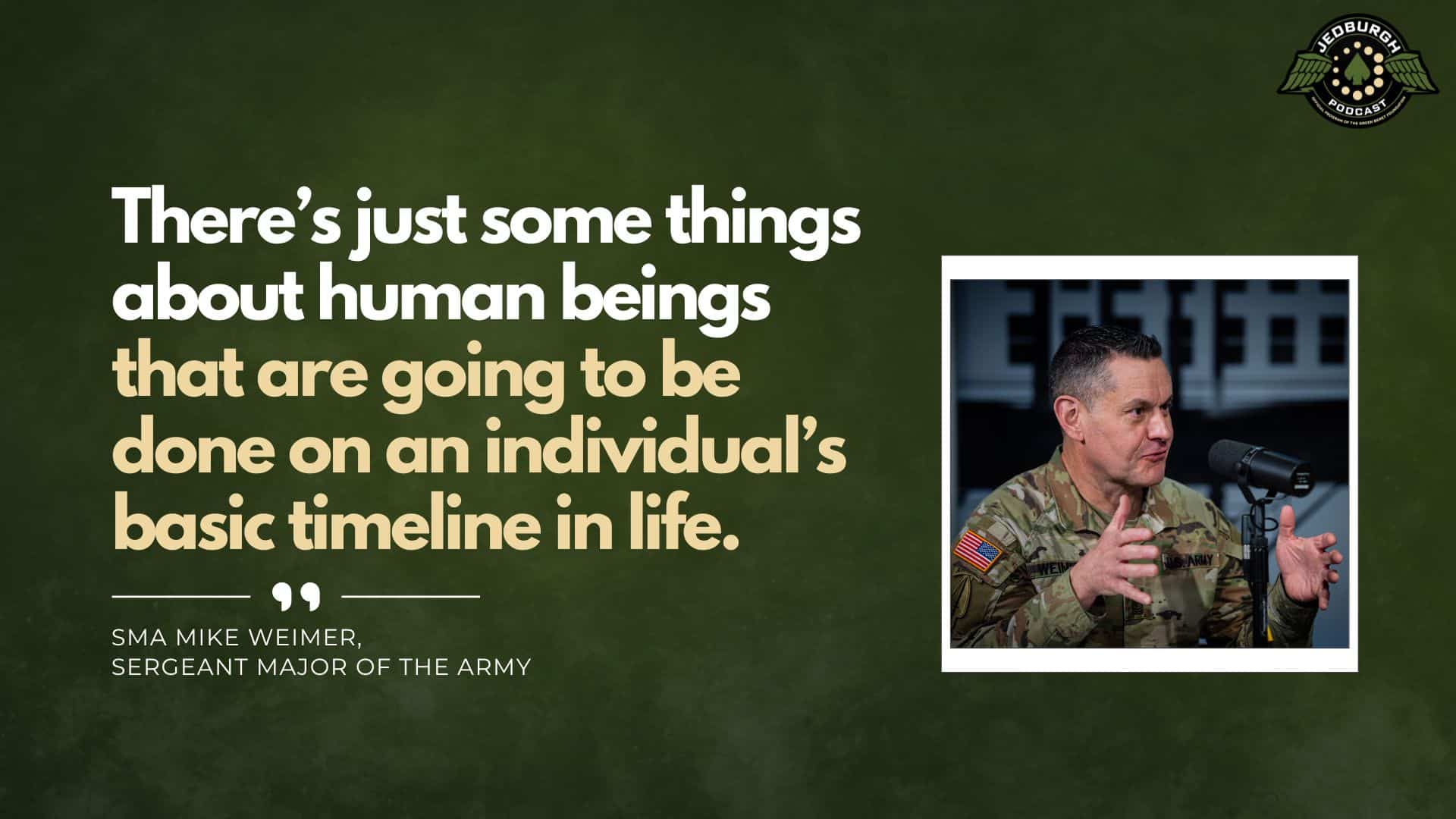
It is a little different for everybody because each one of us is on our own journey. We get in a hurry to try to scale this and replicate this so that we can scale it, and we’re infatuated with collecting all this data. There are just some things about human beings that are going to be done on an individual’s basic timeline in life. Everybody’s chapters are going to close and open a new one in different seasons in their life. You cannot lose that.
Generative AI is not going to figure that out for us. I will tell you that troopers these days versus the trooper when I came in as a new trooper, the sooner you take the time to explain the why to them, they move from compliant to committed a lot faster. My generation, I held the bag over my head. I used to say, “Just shut up and color. Be seen, do not be heard. I wanted to be in the Army, I wanted to be a soldier, because my father was in the Army.”
I did not need the why. That faded as I became an NCO, and I started to want to know the why. We do a much better job these days, starting out from literally the time you take your oath for the first time. I am passionate about the oath. That is why it is in the Blue Book. What does that oath mean? Who am I swearing an oath to? What am I swearing an oath for? What is this all about? All the way to when you get to your first duty station, and you are being asked to do some hard, uncomfortable things.
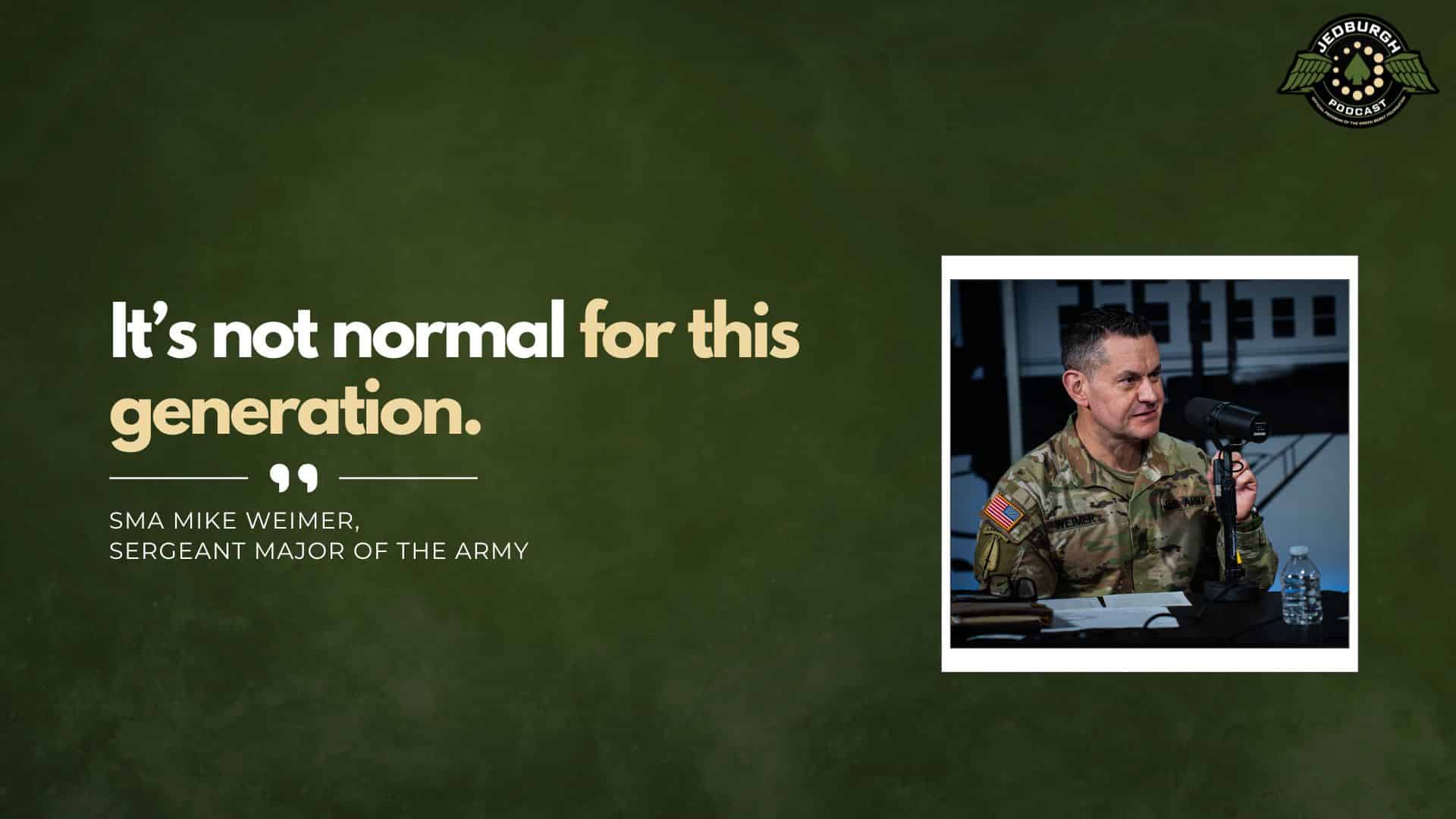
Lethal Eagle, go to the field for 40 days with the 101st right now at Fort Campbell. That sounds normal to us because we grew up in that. It is not normal for this generation. If you’re compliant, that is a hard thing to understand why you are doing that. If you’re committed, you’re like, “Roger that. Let us build the training and set some objectives. Let us get after this.”
I will tell you, the goal for us when we develop NCOs, from what happens inside the company to what happens at PME, is to get troopers to understand what it means to be part of this profession and the responsibility you have as a Non-Commissioned Officer Corps, and then you quickly move to that committed space. Would you agree, Rick?
I agree. In the compliance to where it comes to commitment, it was powerful for me when I realized that I crossed that threshold. Starting out at coming in at 23 years old, I had been a paramilitary firefighter and came from a military family. My baby brothers were already officers, and I was catching up with them. I came into the Army for two years to serve, then go back to my civil service job.
After one year, I’m like, “They are paying me to do this?” I ran this for 35 more years. I look at where I started in Germany. Under compliance, we had an SQT test. My roommate and I got a hundred on it. It was not because we wanted to make sure that we were well-trained for the unit and the fight against the Russians in the Cold War, but that was more for our personal values and morals, and how we were brought up.
EIB, it was a private pass for every event. I came in under two hours on the road march. It was for that same reason, competitive on that. From there, to starting the 3rd Ranger Battalion, I go to the Ranger Regiment. Now I am in a unit where that was the norm across that. What I was doing before under commitment, I am seeing that this unit strives more for that. It crossed over where it became a commitment into that. That was powerful to see.
I then understood the big picture of what that meant to do that, and to make sure that for the unit and the mission. I’ve called because you keep going on about that. I talk a lot across the Army about combat readiness as a way of life. It is in everything you do. Any combat that we succeed in started long before we ever showed up in combat. For many of us who started long before we wore that uniform, I often see folks and say, “You were a soldier. You’re a ranger. Your mom could have told you that when you were thirteen years old.”
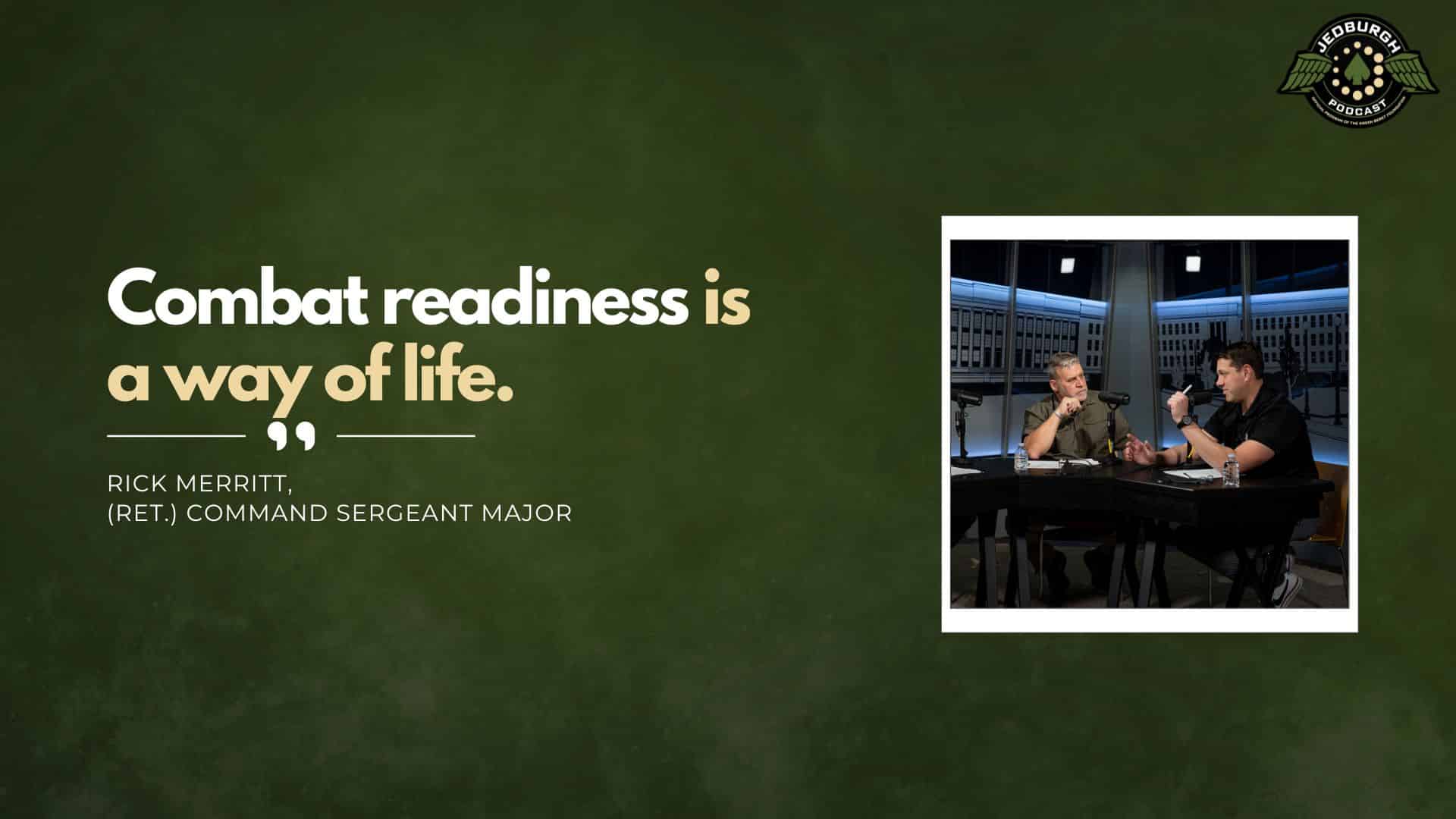
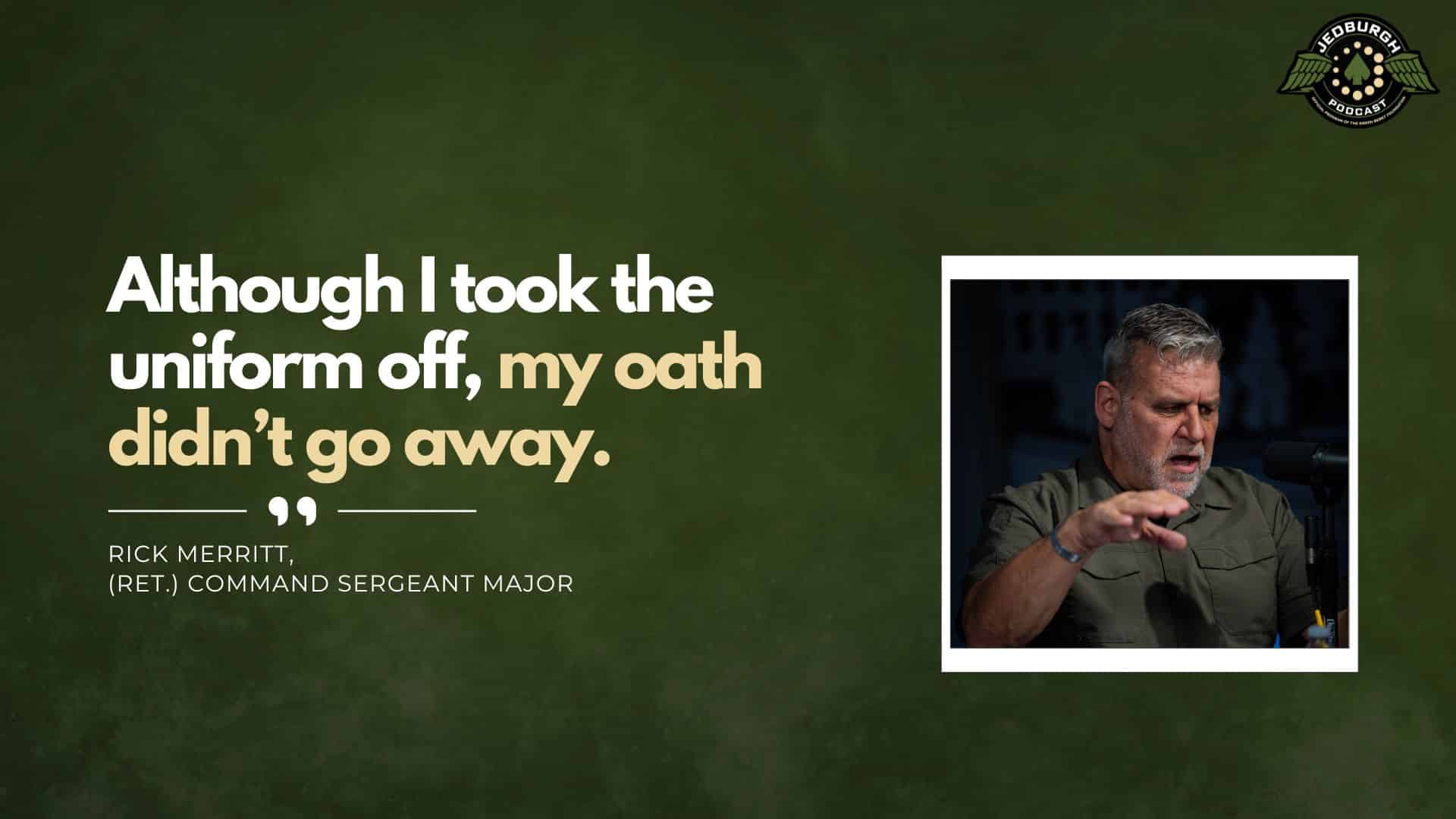
It was not until the cadre told you that you realized it. To see it is powerful. As we have seen, leaders convey that, and the tools we use to get the soldiers to see that and take that on their own. We’ve talked about a third level of that commitment to staying in. 36 years in the Army, I would have done 50 if they allowed me to. Although I took a uniform off, my oath did not go away, and my willingness to give back.
For one reason, I think I stayed committed to that because I could not change who I am. We say some soldiers struggle after retirement or ETS of going out to the civilian world. I think because maybe they’re trying to change who they are instead of being that warrior and using it to be successful for whatever that next thing is. I want to try to enhance that warrior spirit across America in all small towns and big cities, doctors, lawyers, judges, teachers, coaches, and politicians, to make America great through veterans. Using that warrior spirit is very powerful.
That is good, Rick. I want to ask about culture because some of what you’re talking about is culture, because the culture becomes ingrained in you. I run FRsix, a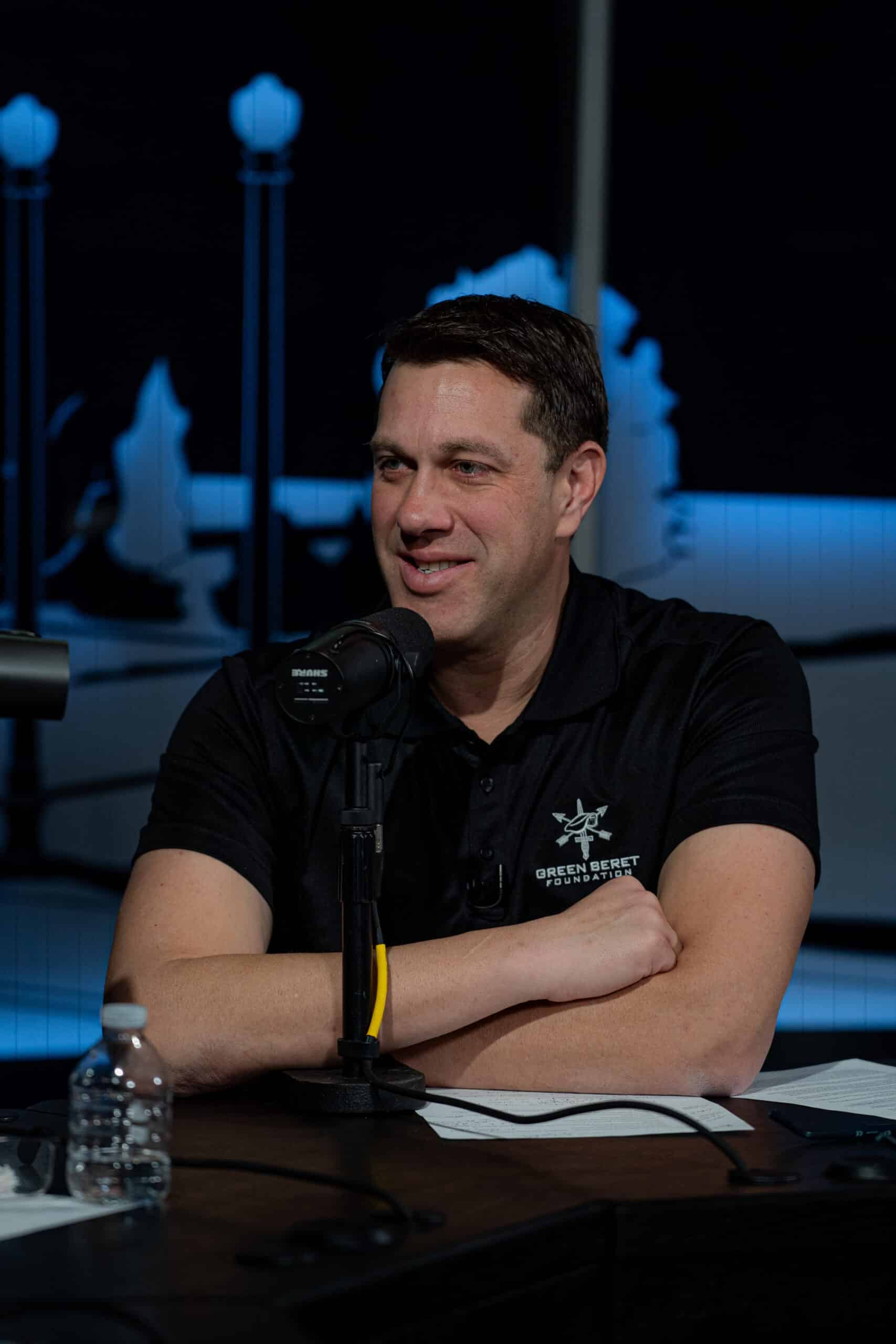
You are trying to get me in trouble. I’m not taking it. Carlos is going to call me on, “That’s it. I’m not taking it.”
I have met him. We have got to have him on. He is a dude. We have got a few other folks who are absolute high performers coming from their various backgrounds. We recently brought back a guy who got out a couple of years ago out of the tenth Group and went and did something else, mostly because it was closer to his house. He recently came back a couple of weeks ago.
I was talking to him yesterday, and he said, “You know what, man, I feel more alive than I have in the last two years. I was with you before. I feel like I am back on a team again.” I’m not going to lie, it was an absolute disaster. Everything that could have gone wrong, starting from 6:00 AM, went wrong, including a four-hour delay flying from New York. I went to bed last night and thought, “This was a good day,” because the guys on my team know that they are in the right spot with the right people with the right culture.
When we talk about being a warrior, there is an evolution of the culture that has to happen. We talked about culture before. We have seen across the Department of War. We have seen the Chief and the Secretary talk a lot about the evolution of culture. You’ve spoken tremendously about culture. How does the idea of becoming warriors from the foundational level through senior leadership change the culture of the Army?
Rick alluded to it a little bit, the complaint to the committed. What is that next thing because you refuse to not be part of that culture, regardless of uniform on or uniform off. It does not matter. I have started to talk about it as compliance, commitment to consecration. The 35-year, the 30-plus-year, the teammates that we have are frankly fiscally irresponsible for continuing to do this as non-commissioned officers because we are in high demand in the civilian community right now because of all the reps and sets and the level of responsibility non-commissioned officers have evolved to after 250 years.
We did not start this way. You can look back at 1965, 1975, and 2026 and see what Sergeant Majors do today with 30 years of service. It is the envy of the world and part of what makes our Army so special. What is that? That is different. Culture is a big part of that. That is why I have started to say it is almost like you’re consecrated into this culture that I have got to find when I retire. I have to find it.
Trust me, my wife knows I have to find it. It will not be defined by a paycheck. She would be mad at me if I did not say, “The paycheck is not going to matter.” It’s not going to be defined by that. I will absolutely take less money for the right culture. The thing I like about it, and I know Rick said he would have done 50, you know why?
It’s because he became the keeper of the culture as a senior non-commissioned officer because he was consecrated by it, and he would accept nothing else but the highest standard of culture. It is not perfect, but you’re striving for that excellence. That is the journey that many Sergeant Majors who go 30 years and beyond do not think about that way, that’s why I wanted to talk a little bit. It is actually who we become.
I would like to segue into that culture. We hear culture a lot, and there can be a bad culture. We have seen some of them before. To me, I see that what makes that unit culture is really character and character development. I feel you cannot talk about culture without character development.
If you look at a unit that strives more on individual character building, not only by holding themselves accountable in their decisions, their actions, and the way they think, but also by building that culture into their men and women. That strong character because it takes a strong individual character to make a unit culture.
They have to go hand in hand, especially to have the culture that we need for the military to be powerful, to do just that. With that ingrained and making a warrior, they know how to think and what not to think. That is probably the difference we saw over the decades and centuries of our military with a non-commissioned officer in how to think. You look at an adaptive warfighter and warrior, adapted to be able to get it right the first time.
That is instinctive, but that takes much repetition and putting yourself in situations, and the character building to make that happen. Not only is that character, but that is character for a nation. I feel that probably the greatest thing our Army has ever done for our nation over 250 years is the culture that we bring out. We still need that today across our nation.
Even though you’re trying to keep it in your company, your circles touch other circles, and it becomes contagious.
I see evidence of that in the Regiment. I call it the Airship Factory. The general officers in positions and the Sergeant Majors in positions take the character they learned there out of the Pentagon and to our divisions, corps, and other formations.
It is the essence of the Abrams Charter. It really is. Having read it numerous times, every version of it, including maybe an updated version in the future, but it is woven in between every one of the lines about the original Abrams Charter, that culture right there. In the back of the day, we would call them war fighters and leaders of character. At West Point, it is leaders of character. It is beaten into the USMA grads.
When they commission, they know they can have a conversation about that without even thinking twice. That was not my ROTC experience when I was a cadet for a little while at Ohio State. I am not saying we did not discuss it, but the ROTC cadet part was part-time. It is not in places like that because the culture and the character are so important to being committed to the culture. You’re spot on, Rick.
You both brought up the role of the NCO. The story I told you about my company, I’ll have you know, I am the only former officer in my company. Are you pretty successful right now?
We are very successful.
Do not change that model. We have all SF NCOs and one guy who thinks he knows what he’s talking about, but knows the least. That is me. I want to ask you about the role of the officer and the role of the NCO in the development of, number one, culture, and number two, that warrior mindset, because they are different.
I’ll take a look at where I’ve seen that happen within our Army, as well as looking at what we know doctrinally as Mission Command. We were doing Mission Command for years. We just did not have a name for it. Probably one of my commanders who pushed most for it was Paul LaCamera, a recently retired four-star. He was using Mission Command because he knew that we knew his commander’s intent and two levels up.
To trust and give me the tools of discipline to follow his Mission Command and my ways to do it across there was powerful. I look at the officers. For centuries, we have had the NCO Corps. That is probably what makes the difference in the world, where our NCO Corps is compared to those of other countries. I look at Korea. Their NCO Corps is 75 years old. They are light-years compared to where we were 75 years ago.
Of course, they have had us coaching and mentoring as well. That culture does not change overnight, it has got to be an investment. I see the officers hold us NCOs accountable and then give us the tools, and we earn their trust to carry on. The more that they trust us and we are able to do that, it really expands beyond that. The commissioned officer definitely has a big role in that by holding us accountable to do that.
I am passionate about this topic. We could do a whole episode on this one. The command team relationship is key. The commander has all that authority. They are the commander. I used to remind young troop commanders, “You’re the commander. You’re also the newest person in this troop, the least experienced. Do not let anybody walk all over you. You were hired for a reason. You’ve made it.
Now you have to hold your guns, use your gut, and be a commander.” I worked for some phenomenal commanders. Some of them you know, and Rick knows them also. That was because they were the commander, and they figured out how to empower those NCOs and hold us accountable. Sometimes Mike Weimer could have some crazy ideas about how to solve some problems, but I got hired to be a problem solver, and winning matters.
I also need guidance, and I need to be coached and held accountable. I am a firm believer that the Non-Commissioned Officer is the keeper of the culture. I am passionate about this because I have spent almost 30 years inside a SOF culture, and twenty years inside a very small organization where officers come and go, but the NCO stays. When there is a culture issue, I do not blame the officer.
We looked in the mirror. I was very hard on ourselves. That is where I came to appreciate the importance of not compromising on talent management of senior non-commissioned officers, because one leadership change and compromise on that goes back to character. We talked about that, and I’m so glad you brought that up. It can affect the entire culture. I saw that in a very closed organization. Very few things changed, and it is also controlled.
You trap it like that to the whole army that I’m serving now, and Rick finishes his career with. We talk about cohesive teams, yet we PCS so often. We only get fifteen months as commanders or Command Sergeant Majors. That is one of the reasons why we have been working on stabilizing people and letting them stay in places longer. Once you’re cohesive, culture tends to itself. We will hold each other accountable because we have a relationship.
When we are moving people around all the time and swapping leaders in and out, we do not actually have the relationship to hold each other accountable. Culture does not always tend to itself. There is so much written on this one. I appreciate academics, but I appreciate folks who have actually lived it, tend to do it good and bad when it comes to who you should study in the topic of culture. Relationships become transactional.
When relationships become transactional, whether you’re in the military or you are in business or even in your family, then it is very difficult to really get things done because people want to do things with people they like. We talked about this all the time in my company. You have to be a person who has a personal relationship with someone else. Companies do not give work to people they do not know. By default, companies do not know. People do not hold others accountable who they do not have a personal relationship with.
I’ll share an anecdote with that exactly there, as we were discussing earlier. I feel a strategic change they made greatly affected combat readiness on the peninsula of Korea. I had one-year assignments there, and the turnover of 10% to 12% every month meant the leader and lead did not know each other. It was very tough.
I came from a unit where you could stay as long as you were performing and needed. I look back. A former Ranger buddy of mine who was a pretty high command in the Army said, “If you want to be known as a guy who lost the Korean War, keep up your one-year assignments.” I think that was our biggest challenge in Vietnam, when a leader and a lead did not know each other. We talked about character development to make unit culture and trust, and how that builds. There was so much turnover there every month that I do not think they ever had the opportunity to do that.
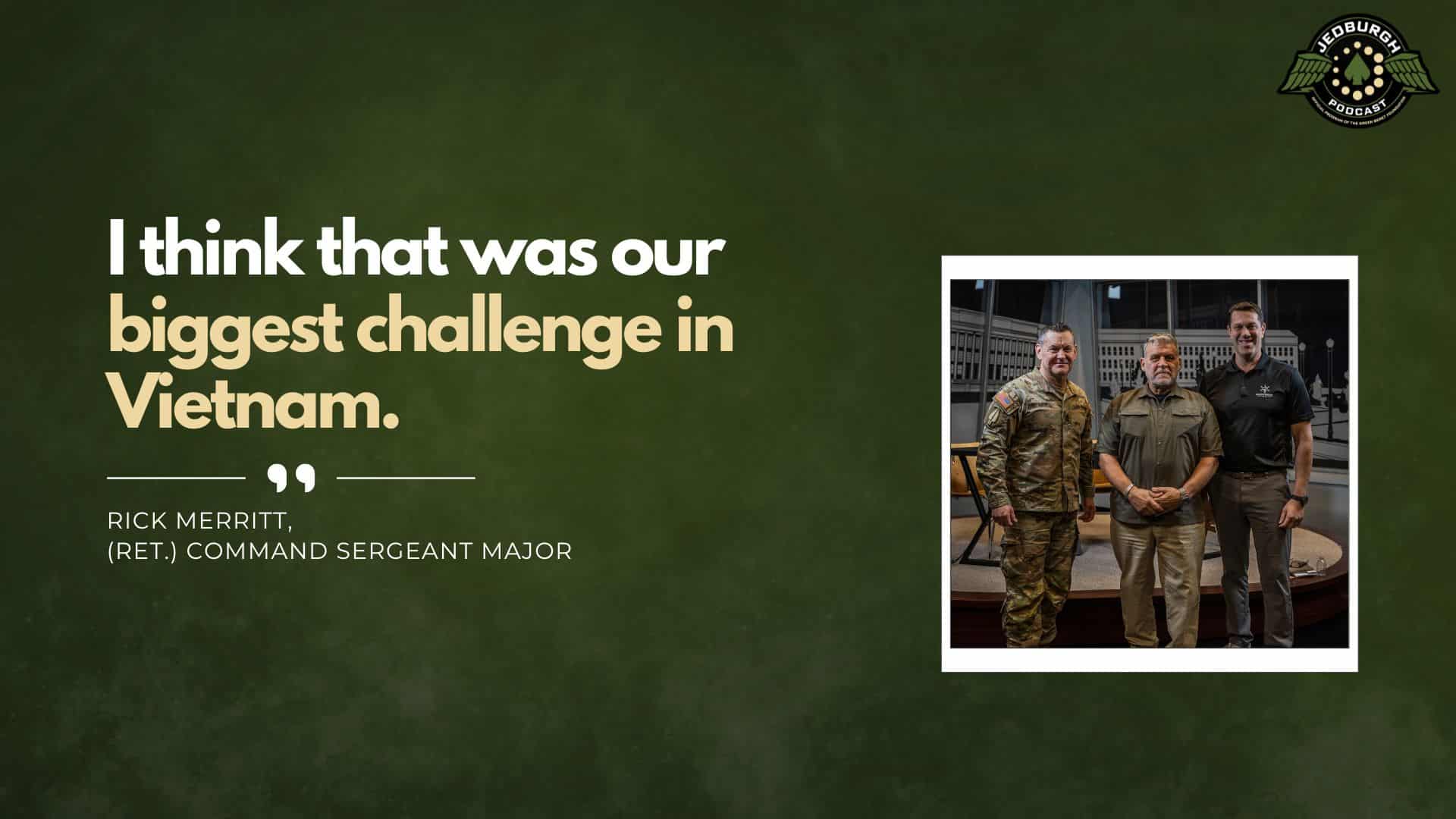
I asked him, “Sir, with your time in combat in Afghanistan and Iraq, how would you like to have your units then?” Twelve percent turnover every month from company commanders, first sergeants, and platoon sergeants. Now with the longer assignments in the rest of the Army. Of course, conditions change, as much as mom and dad are not in Korea anymore, but that was my number one challenge to combat readiness there, and probably the greatest improvement in my lifetime since the armistice started to help combat readiness on that peninsula.
Pull that thread a little bit. We go back to where we started with compliance to commitment. Imagine if you have leaders who are not actually even committed. Now they do not even understand that we do not have a choice. It is going to be disruptive. I have to pull you out early because I need you in Korea. Now I show up in Korea, and I’m a compliant leader. I am also responsible for the culture, building real relationships, and holding people accountable.
Be the standard, enforce the standard, and demonstrate discipline. You can see how you go back to, if people do not understand the why and what it means to be part of this profession, you took an oath, you are different, and they’re not committed to the mission. This profession is not a paved path. In this profession, we hand you a machete, and we say, “Take that path.” You’re like, “What path? I do not see the path there.”
That is right. In this profession, you’re going to cut your own path. We are going to assist you, and we will help you sharpen the machete and give you the tools and some awesome teammates. This is not an easy profession. I do not think we talk about that enough. Everything in society now is about how to make life easier. No. Grit comes through hardship.
Grit comes through putting in the time. You go back to what we are looking for, and young Rick and young Mike. We are looking for people who embrace the hard stuff. That is a little bit different in a million-person Army, from cyber warriors to mechanics to cooks. That is not a one-size-fits-all, but there are some key specialties in our Army where that has got to be their story. You come to love it.
I do not know about you, but I have some legendary stories, I had to watch myself because if it wasn’t hard enough or if it did not suck enough, I did not feel like we were training hard enough. There is a point of diminishing returns, so you have to balance that stuff out. You create that kind of culture with people who have committed to that. Give me whatever technology you want because now I am going to be unstoppable.
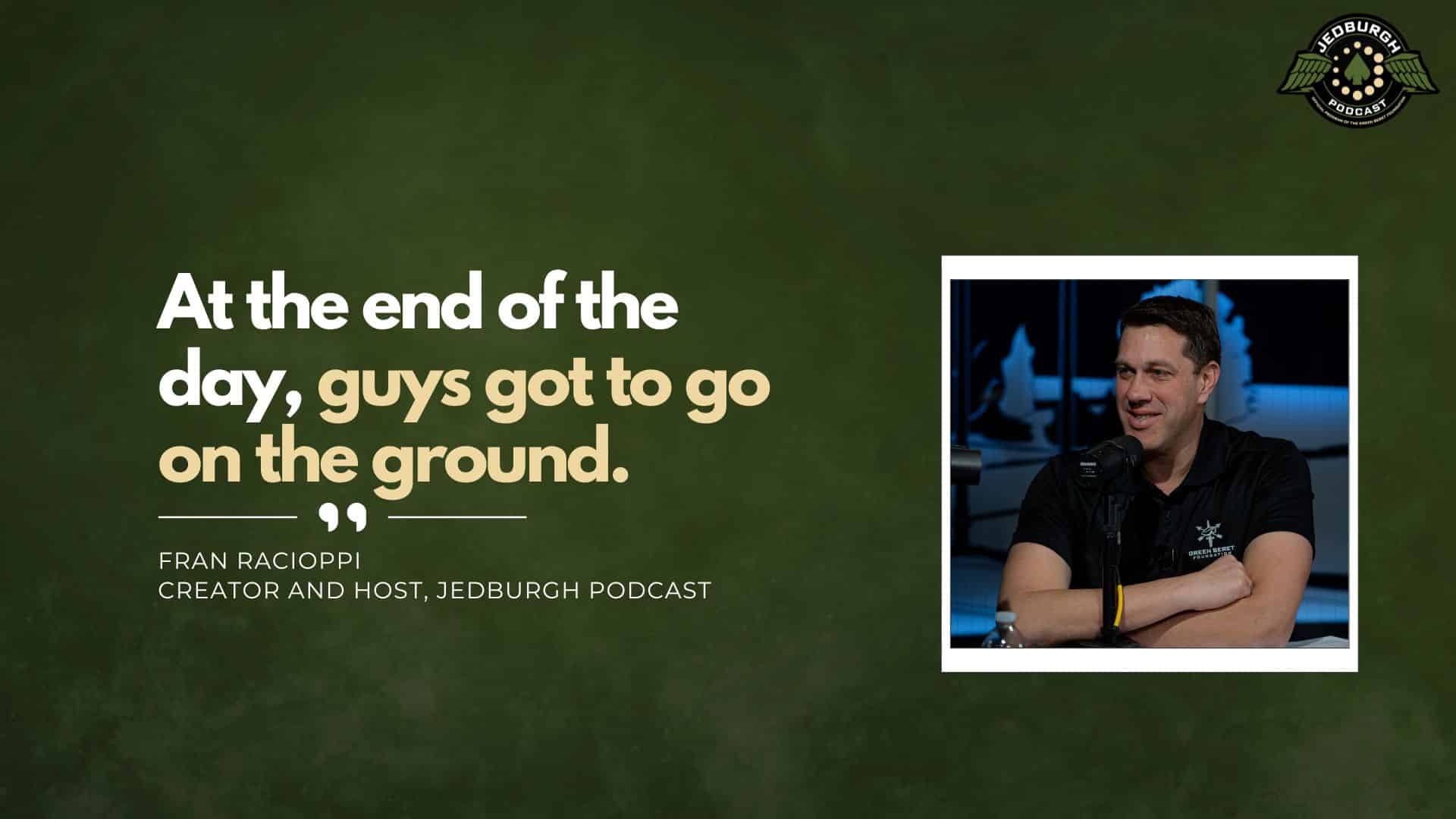
At the end of the day, the Army is a people business. We can talk about the technology all day long. We have the greatest technology in the world. We will not talk in detail here because of where we are, but look at the operation in Venezuela. At the end of the day, with all the technology, you guys had to go on the ground. This is human-centric. People did that. People controlled the technology from space to the ground. People had to put boots on the ground. Highly trained warriors who were proficient in their craft and who have spent decades working together.
That wasn’t a group that just got thrown together at the last minute and said, “Tomorrow you’re going to go out there, and you’re going to do something amazing.” That is decades of experience and trust to be able to get something like that done. SMA, it took a whole Army to be able to do that because it is not just the guys on the ground. It is not just the helicopters. It is not just the Air Force. It is the whole Joint Force that is what this nation is capable of when we have the resolve, and we have the people who are willing to do it.
That is what Rick was talking about. It is bigger than just the Army. There’s part of the nation. It was a whole-of-government effort to be successful in that.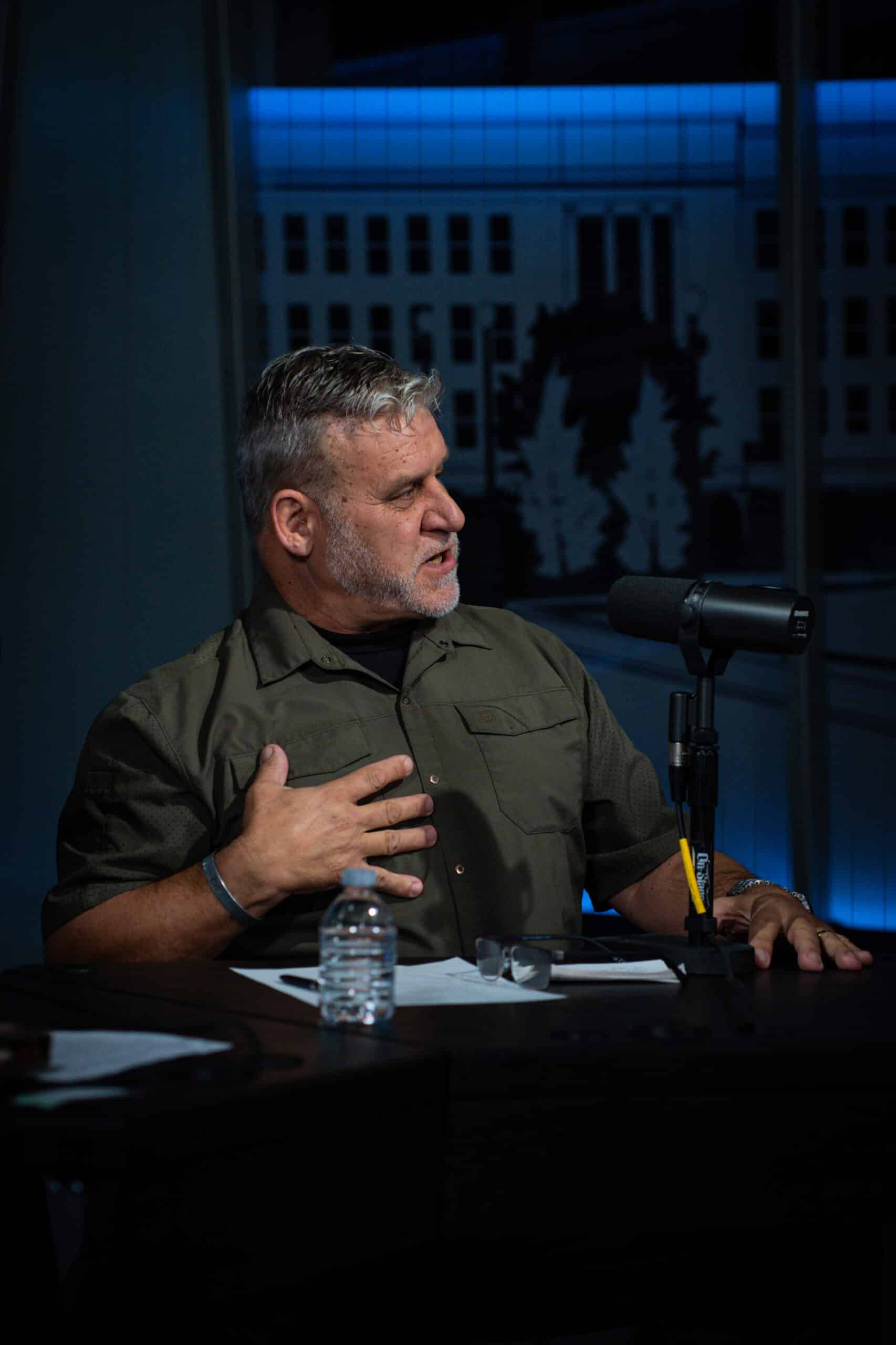
All echelons from the IT world to my Intel folks to logisticians. I had a Seabee Reserve Company. I look and see what they did for a day job. “I build hotels. I build cities.” You can make me a JOC overnight on there.
You do power plants. You’re like, “You do what in your day job?” Pretty amazing.
I am down in Salerno, and my Guardsman is like, “I am the city mayor. I am the police chief back in this county.” Seeing that talent across that, I am looking at helicopter pilots asking, “What are you doing in your downtime?” “I’m a heart surgeon.” “What are you doing flying?” “This is what I do for fun.” Just seeing that talent management is the other piece that we do a lot.
Talent management comes from headquarters, HRC, which is so much more involved in talent management as we are moving people two places up. I look at my Ranger buddy, Sergeant Major Norton, and wonder why he is in this office. It is not for what he is doing at the Pentagon. It is for the next job, and then he will do talent management across that as well.
When you look at leadership, and you’ve both served at all echelons of leadership, whether that be in command or at the tactical level, soldier to team leader and up. How important is it right now for our leaders, tactical and operational level leaders, company and field grade officers, to understand the magnitude of their job every day, leading soldiers and developing soldiers? The NCO and the officer leadership are there.
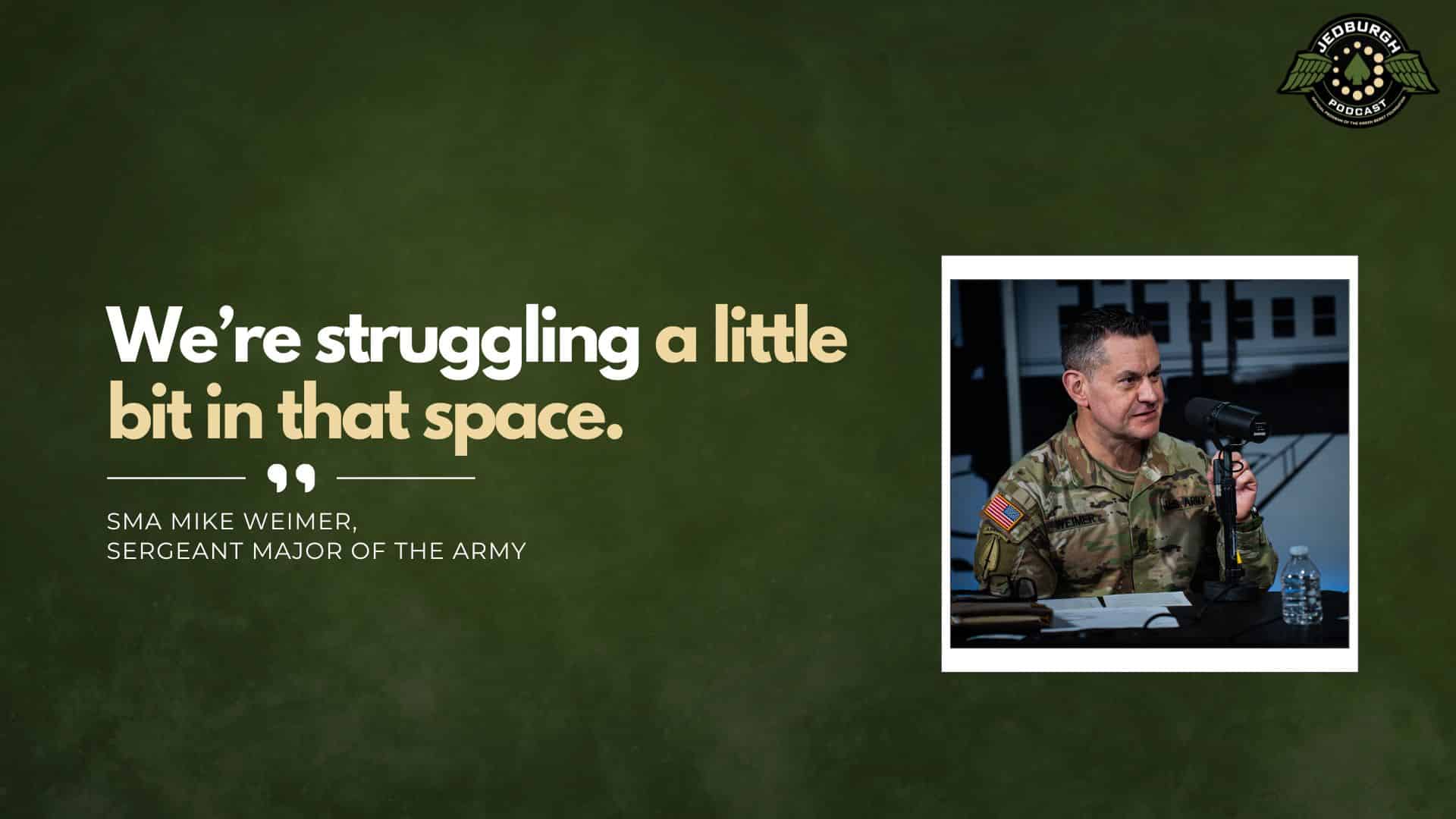
Unfortunately, a little bit of truth. It is not impressive in our history, but we’re struggling a little bit in that space. There are amazing opportunities outside the military, also, and so there is a bit of tension. We have a group of leaders that is at that phase of their career where many of them decide to get out. Remember, there is no time limit on honorable service. That is important for everybody to understand.
Whether you do 2 years, 4 years, 10 years, or 30 years, well done. You raised your hand, and you served your country. We are better for it already. There is tension there. What we’re finding is that those leaders are super committed, and they want to be company commanders for two years. They want to be a squad leader for the full time. We are trying to balance ourselves out as an Army so that we can allow them not get pulled out of the jobs that are the most impactful.
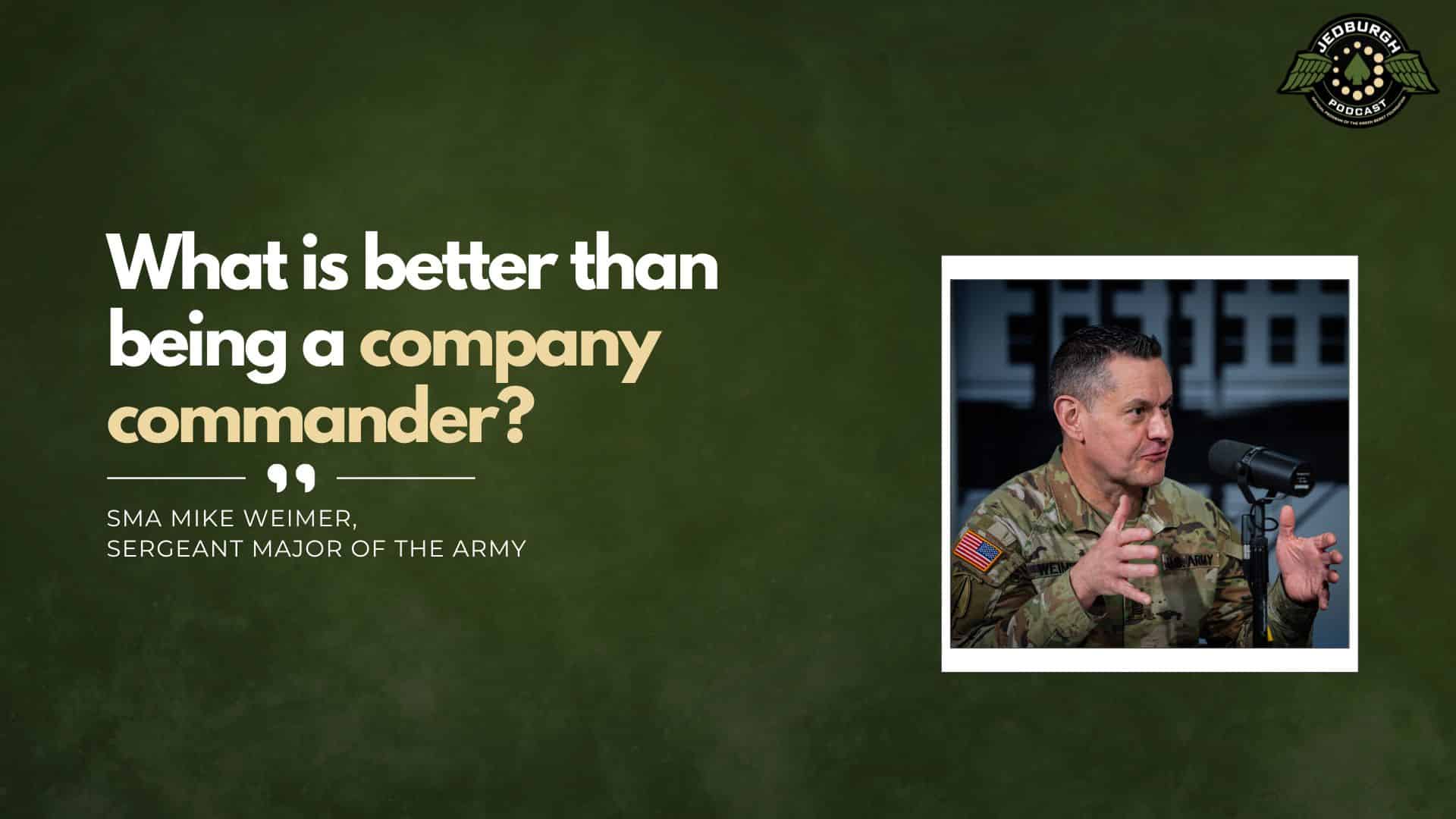
As a company commander, what is better than being a company commander? What is better than being the First Sergeant for a badass company commander? I cannot think of anything, but we’re only allowing company commanders twelve months in command right now because then they have to go straight to a staff job. They did not come in to do all those staff jobs. They came in because the gold medal is company command.
We have got to figure that out. It is a big initiative for the Army right now because we are losing some talent for that. I do not say they’re not committed. They are so committed that they want that full experience as a company commander. Same with PLs. We are cutting PL times. We have got lieutenants working in three shops waiting for a PL time. We have to fix this balance. It is a big Army, so it is not an overnight problem.
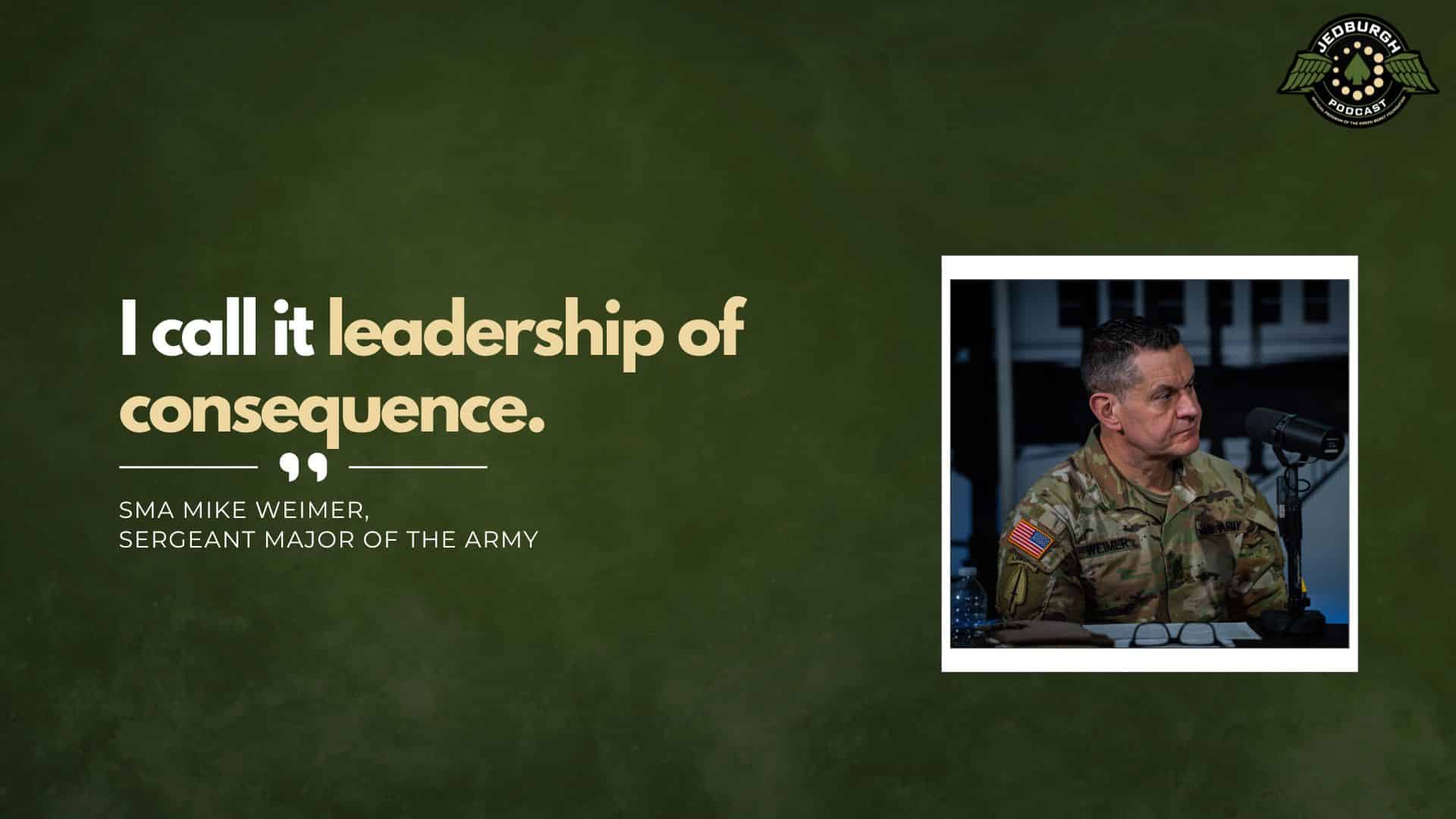
I do not think it is a commitment problem. They do not understand and feel the weight. I call it leadership of consequence. In this profession, there are tremendous consequences. If you do not feel that weight and you are not going that extra mile, there is a commitment versus just being compliant. Rick will agree with me on this, there are just some people who need to do their minimum time and serve honorably. It is time to go do something different.
There is nothing wrong with reaching your potential. Some people all along decide, “I am serving my country, and I’m going to take that away from me as a veteran and move on,” while others stay for a career. I look and see again how we brought that person in, and oath raise the right hand and how we take a commitment to that. While he and I had a retirement ceremony, the specialist or team leader who ETSs did not have an awards ceremony for getting out.
Getting back and seeing those levels of commanders and where they are to see. I look back historically now that I am able to see. After long periods of combat operations in our country’s history,
There were times when the Rangers did not exist after major conflicts. It took much manpower and money, and downsizing and then coming back up until ’74, where we have kept them since. After the major global war on terrorism, I worry about the things that we may have. We talked about Mission Command. We developed that in combat on our targeting cycle and kept that going through trust and working with our teammates and sister services.
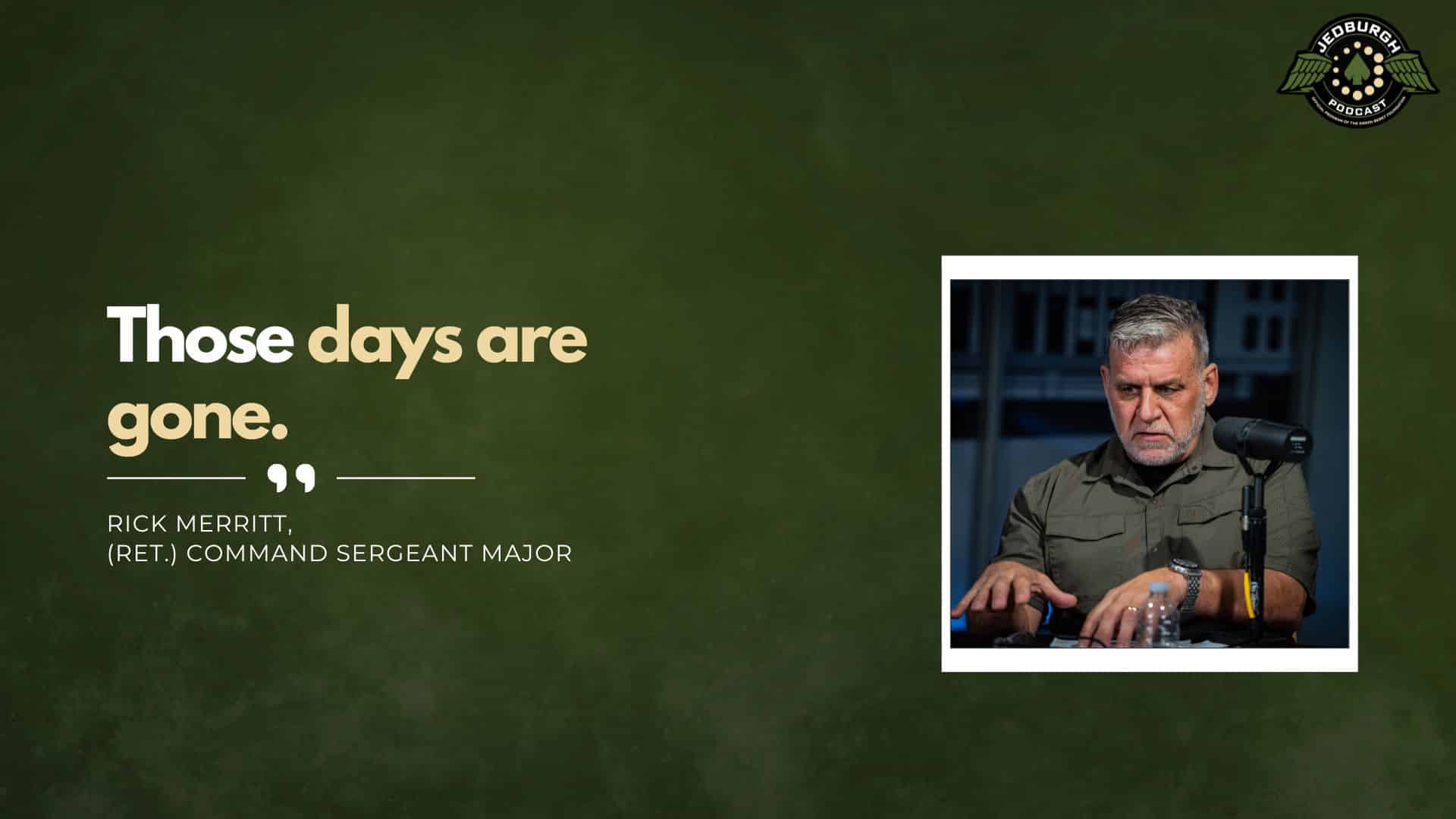
Had we been doing Mission Command in 1993, I do not believe we would have had a Black Hawk Down because I would have been out on the vehicles instead of sitting out in the Indian Ocean. I believe we would have gotten Bin Laden at Tora Bora. We developed that over twenty years of combat. There was a time for our Joint Special Operations Task Force when if a conventional unit had a target of interest TI outside their gate. We would not tell them if we were hitting it. Those days are gone. We built that. Now I worry, what would keep me up at night?
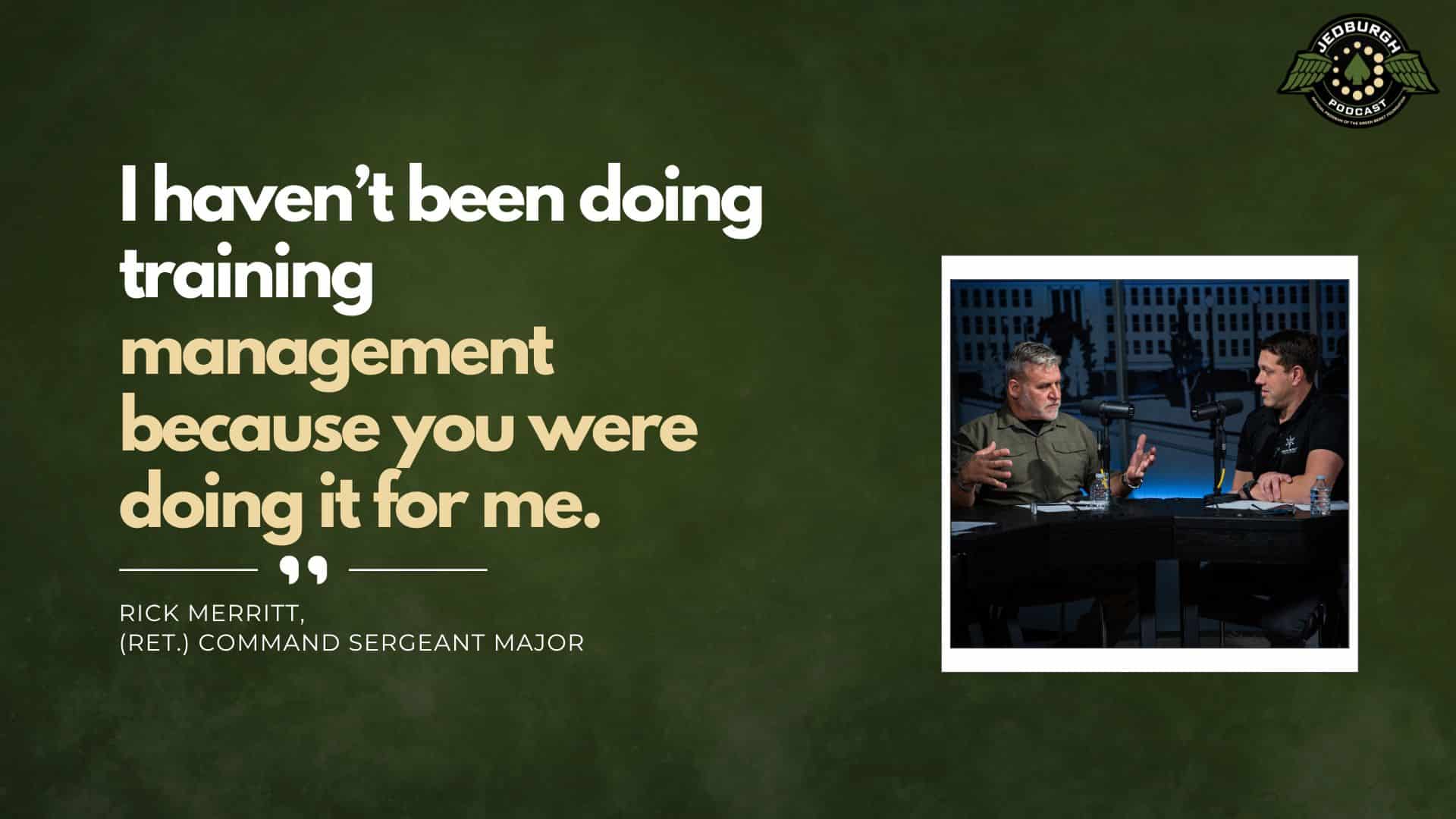
That builds up one brick at a time. We build those walls again. Leaders like this, with all is to ask for combat experience and background sees that, and they want to do a good job to try to keep that from happening. We have got to find ways to exercise those leaders still when they’re not in known combat on that. I see where training management. We were turning and burning, having a surgery so much that at my echelons of ops, the leaders were like, “Company commander, First Sergeant, we got this for you. We will set it all up.” Training management. You just go out and execute. Now they are colonels. Maybe some majors would be like, “I haven’t been doing training management because you were doing it for me.” We have got to catch up on that.
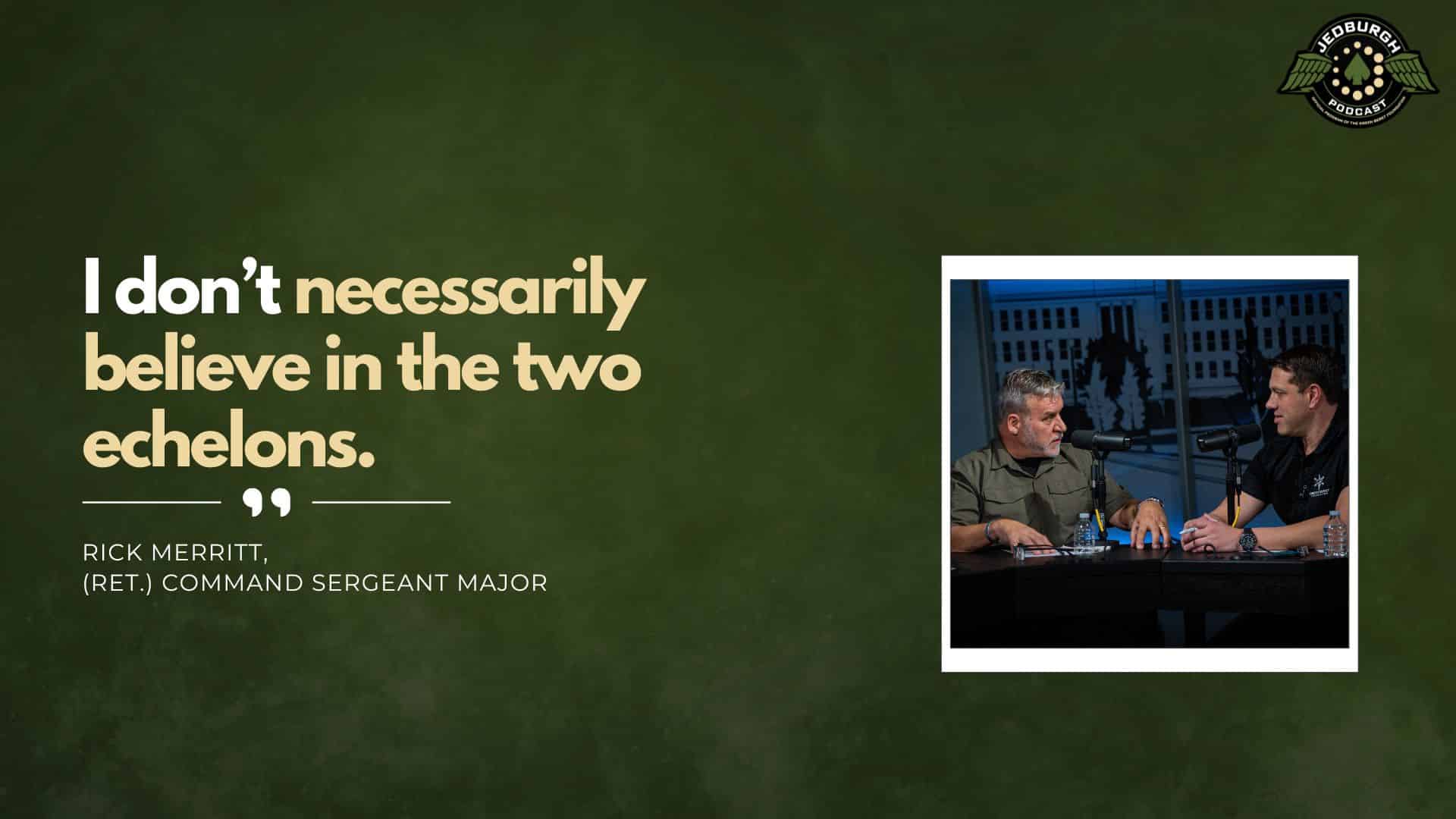
Fran, some of that I think maybe for the audience, I just want to know. I do not necessarily believe in the two echelons down thing. I know, me, the doctrine guy, everybody knows I’m not the doctrine guy. There is a capstone doctrine that absolutely matters, and then there is some other doctrine that had better keep up with the changing character of war, or you are going to lose on the battlefield.
This is one where I think leaders who have all those reps and sets and experience that Rick’s talking about are obligated to go down to that level and pass on all of that. Not in a belittling way, but as a coach. Shame on me. My legacy should be garbage if I am not passing on everything I have. That is why I am sitting here with you, because this is not my favorite thing to do. It is our job where we should be held accountable to do that.
Back in 1998, we had 1 or 2 people in the company in A/3/7 at Fort Bragg that had a mustard stain from Panama, and maybe an old-timer from Grenada. The group Sergeant Major at that time still had some experience in Vietnam. I do not remember him coming down at the 06 level and sowing that into us, yet he was the one who had reps and sets from Vietnam. That is our generation’s role. He still does it. That is why I asked him to be on this podcast. We are obligated to do that.
I was fortunate to have one leader like that, a guy named Don Purdy, a Vietnam Ranger with a 6-man ranger team that came back in the Army and was in the Iranian rescue team with the unit up at Bragg and then into the 1st Ranger Battalion. As my Sergeant Major in the 3rd Ranger Battalion, he was able to share that, and he is still giving back today. I have got him coming to talk on the Team Leader Course and LPD with officers and NCOs on that relationship. He talked about two levels down and made me smile to see that in combat be at the friction point.
Two-levels down, I have always seen that. If a platoon is out there and no one else is out there with them, if the Platoon Leader gets killed, the Platoon Sergeant has to step up. A Squad Leader steps up to be the Platoon Sergeant and vice versa. Anytime that we have other senior leaders out there, it is not going two levels down if he arrives there. Make a difference with your presence. In that case, if you’re not going to jump in there and make a difference, why even be there? There is a time and a place where three levels up is getting into a fight.
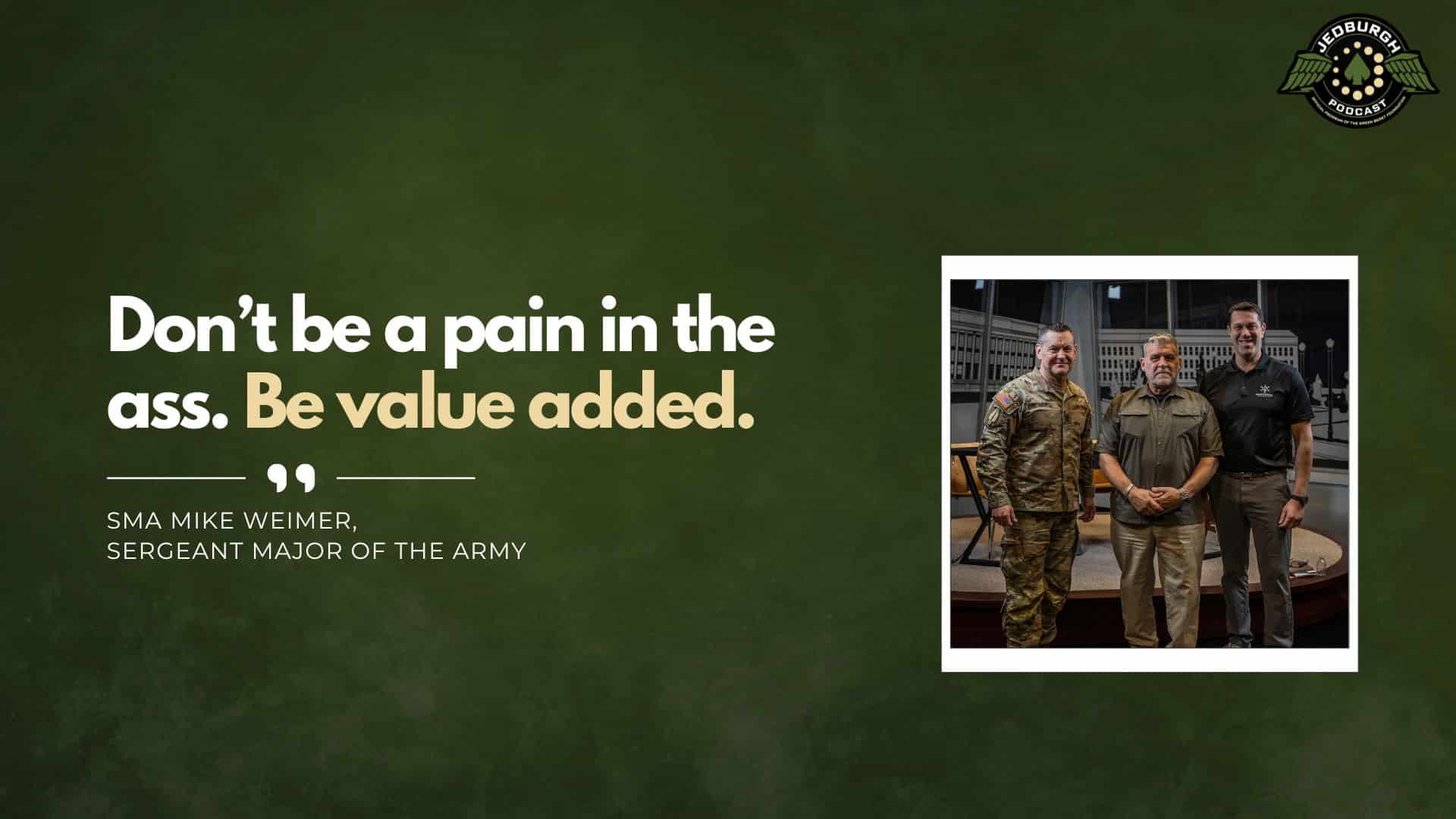
Do not be a pain in the ass. Be value-added. If troopers hear you’re coming to a company live fire range and they say, “Oh God,” there is a problem in your leadership. They should be going, “Holy crap, Sergeant Major Merritt is coming down to our company’s live fire range. When is he getting here? Can we get everybody together?” There is a difference, and you need to be figuring out how you are perceived, or you are not coaching like you think you are.
Even in combat, I look and see that it is also training. Combat is training. We do After Action Reviews on it. For me to be the eyes and the ears for my commander, as he called me, the common sense, I could not do that sitting behind a computer. I had to do my work there, but to be with the man at the point of fighting. How can I do that and not be in their way? I found the best way to do that was to grab something heavy to carry and find a buddy right away.
Be there. Pericles reminds us, our legacy is not in what we leave in carved stone mountains, it is actually what we sow into the people we are responsible for. I believe that. He knows it, that’s why he gave that to me, and to be intentional with that. You’re not doing all this so you can come on the Jedburg Podcast and talk like, “What are you doing with everything you’ve learned in 33 or 35 years? You should feel obligated to give that back.”
We are in the human business, and we are in the business of war fighting, and it takes warriors to war fight. Our job as soldiers of all levels is to fight and win our nation’s wars. That is something that we have done in this country for a very long time. It is something that we will continue to do, and we will continue to support that mission.
I know that with your leadership and your guidance, you both have been instrumental in the lives of generations of soldiers at every level. Many of those who sit in echelons above us all owe a debt of gratitude for all your work and everything that you’ve done. Thank you for taking the time to sit down with me and share this. We need warriors, and we’re not going to stop making them. I know you’re not either. Thank you.
It is an honor to be here. Remind everybody out there, this is a journey, not a destination. You do not check a bunch of boxes and finally make it. This is a way of life.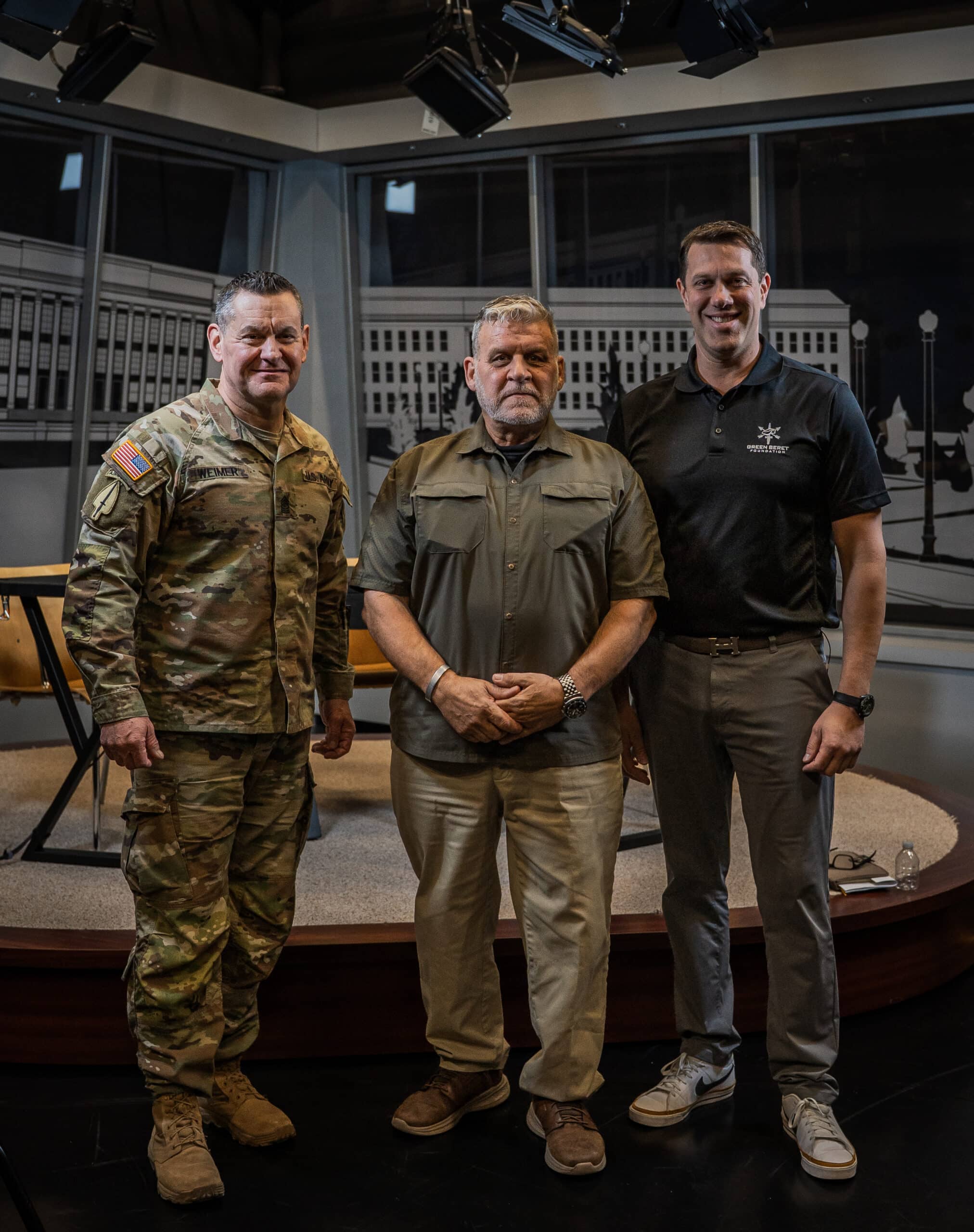
Honored to be here. It’s very humbling to have Sergeant Major of the Army Weimer have me as his ambassador for war fighting. I talk a lot about the combat renaissance as a way of life, and I get great discussion about that from those warriors. Warriors could still be out there. For what it’s worth, it’s still America afterwards.
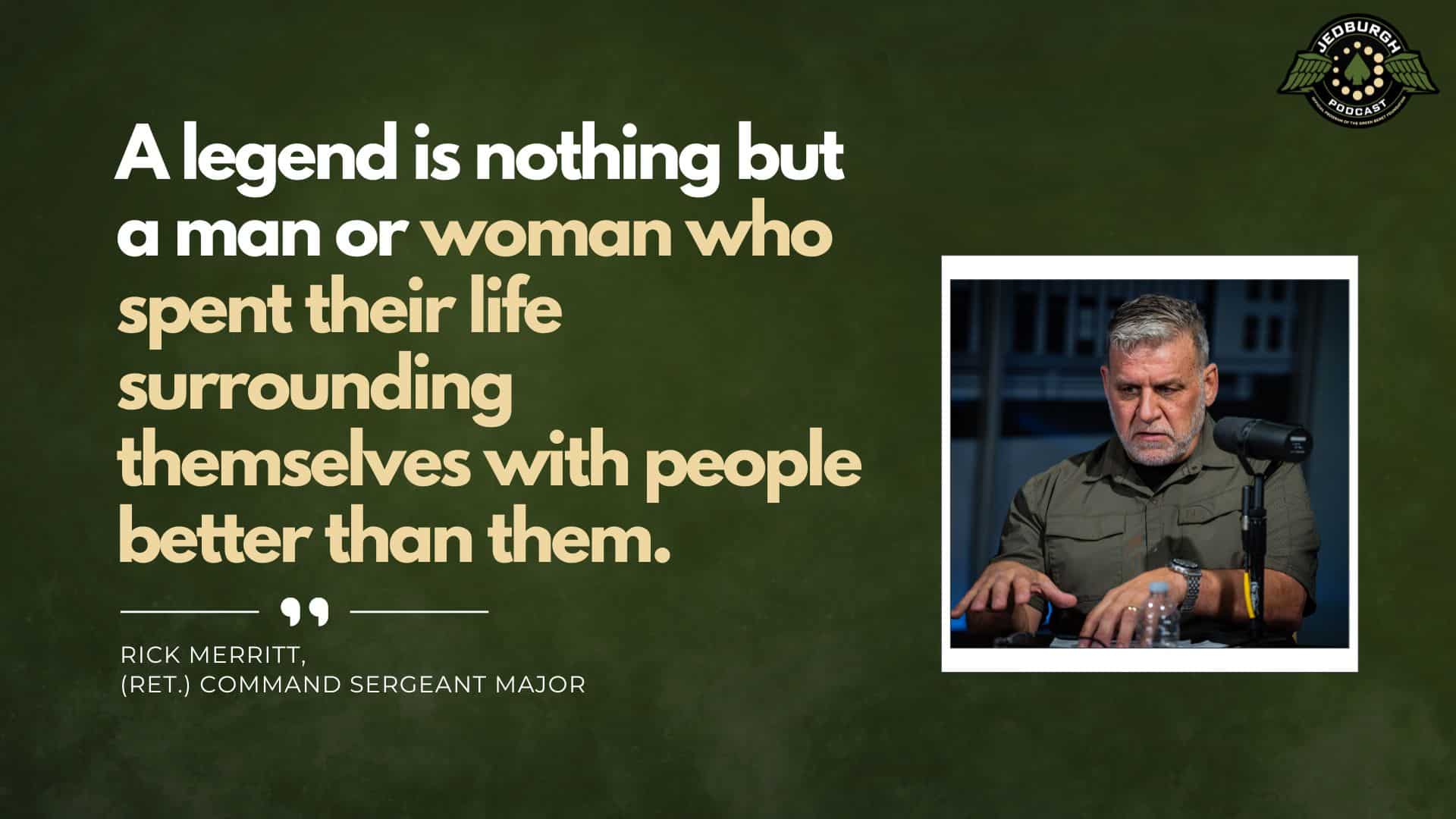
Our nation needs them. That has been the strength of our nation, over 250 years of warriors leading us. Whether it was two years, you use the word legend, and I see a legend as nothing but a man or a woman who has spent their life surrounding themselves with people better than them. By the likes of it, I am still doing that today. I’m so honored to be here.
Thanks, Fran.
Green Beret Foundation
P.O. Box 25138
New York, NY 10087-5138
Note: Please use USPS mail or priority mail. Do not use FedEx.
Green Beret Foundation
10205 US Hwy 15-501, Unit 26-8
Southern Pines, NC 28387-4301
Call: at: (844) 287-7133