Unified Special Operations commands are critical for allied nations to maintain the advantage over our adversaries. A single command structure enables interoperability at every level, from communications and equipment to tactics and acquisition, ensuring partner forces can train together, fight together, and answer to a common mission.
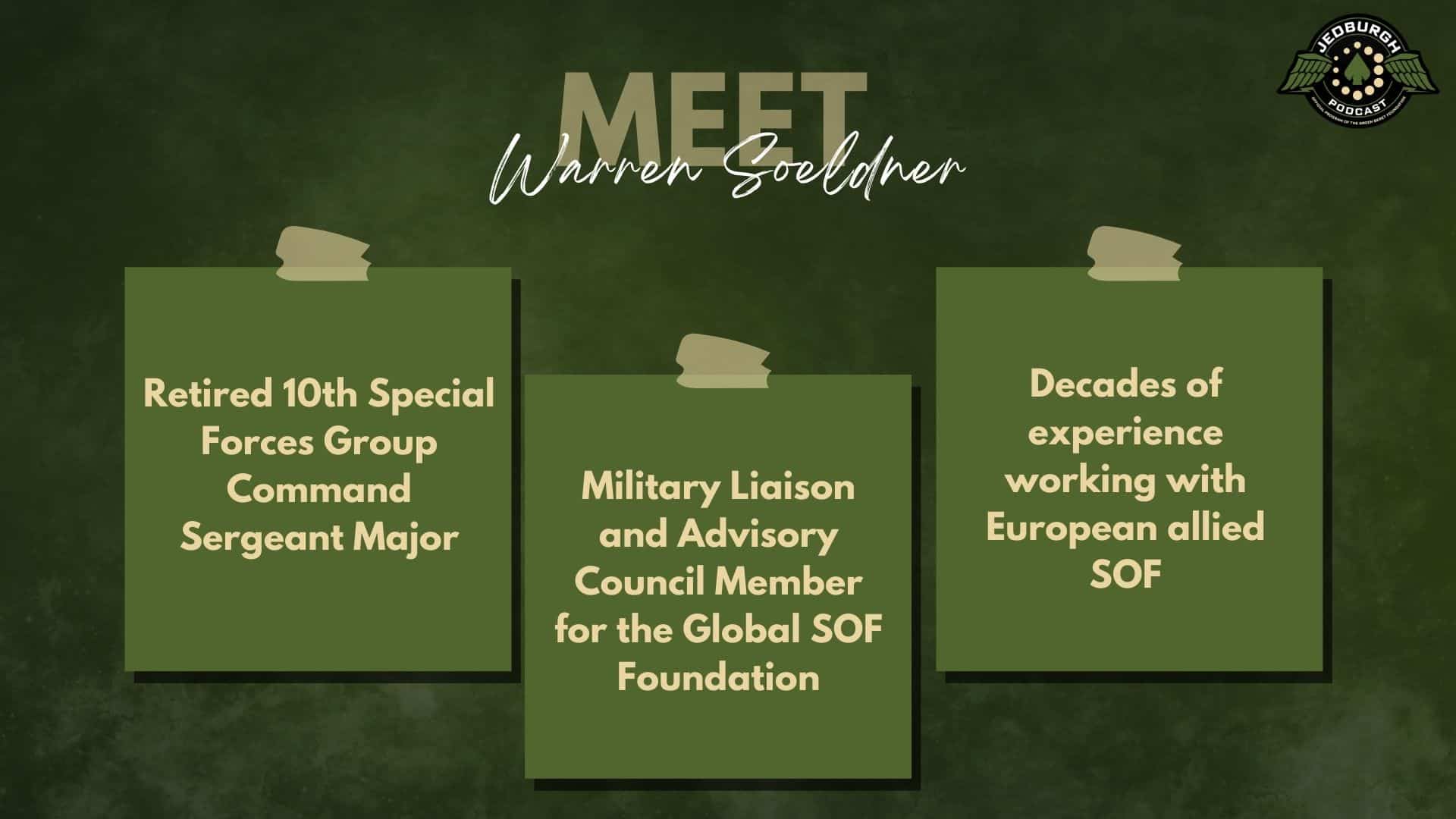
From the Global Special Operations Foundation Symposium in Athens, Greece, Fran Racioppi sat down with retired Command Sergeant Major Warren Soeldner, a 10th SFG legend who now lives and works in Greece supporting the Global SOF community.
Warren brought home the central tenet of modern allied warfare explaining that Special Operations Forces across nations solve problems together, build trust, and operate as one.
He spoke about the importance of standing up capable national SOF commands, the evolving NATO environment and the realities of today’s threat landscape. From Russia’s invasion of Ukraine to the long-term strategic pressure posed by China and Iran, Warren emphasized that modern conflict cannot be viewed through a single lens. War now spans diplomatic, informational, military, and economic domains, and Special Forces play a critical role in shaping outcomes long before conflict becomes visible.
This discussion returns to what Green Berets have always done best: building capability in partners, understanding history and culture, maintaining discipline and professionalism, and quietly shaping global security in ways few ever see.
Follow the Jedburgh Podcast and the Green Beret Foundation on social media. Listen on your favorite podcast platform, read on our website, and watch the full video version on YouTube as we show why America must continue to lead from the front, no matter the challenge.
—
—
Warren, welcome to The Jedburgh Podcast.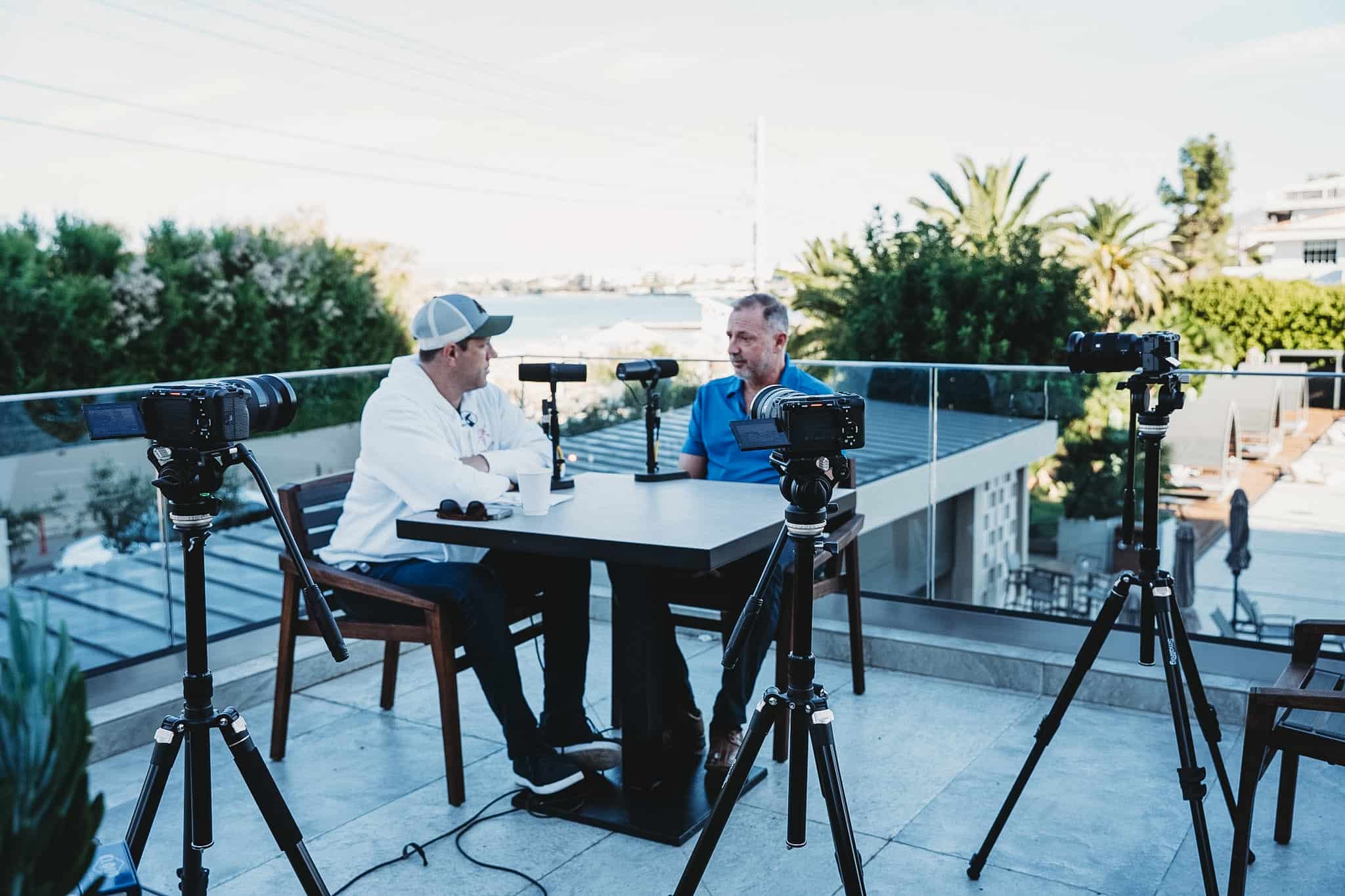
Thanks, Fran. Happy to be here.
We are staying out on the deck. I mean, beautiful Greek morning. Music is playing in the background. We have had a great couple of days here at GSOF. Really having some opportunities to sit down with so many of our partners and our allies to talk about the importance of coming together as Allied nations. What does that mean? How do we define interoperability?
That was one of the big terms that we heard thrown around. For us as Green Berets, as guys who served primarily in the 10th Special Forces Group, where Europe was our area of focus, you are like the mayor here. You and Stu Bradin know absolutely everybody. He has been very friendly to the show and was kind enough to start to welcome us to the GSOF Community. Do you live in Greece?
Yes.
Talk for a second about why an organization like GSOF coming to Greece to have the European Symposium becomes so critical to building these relationships.
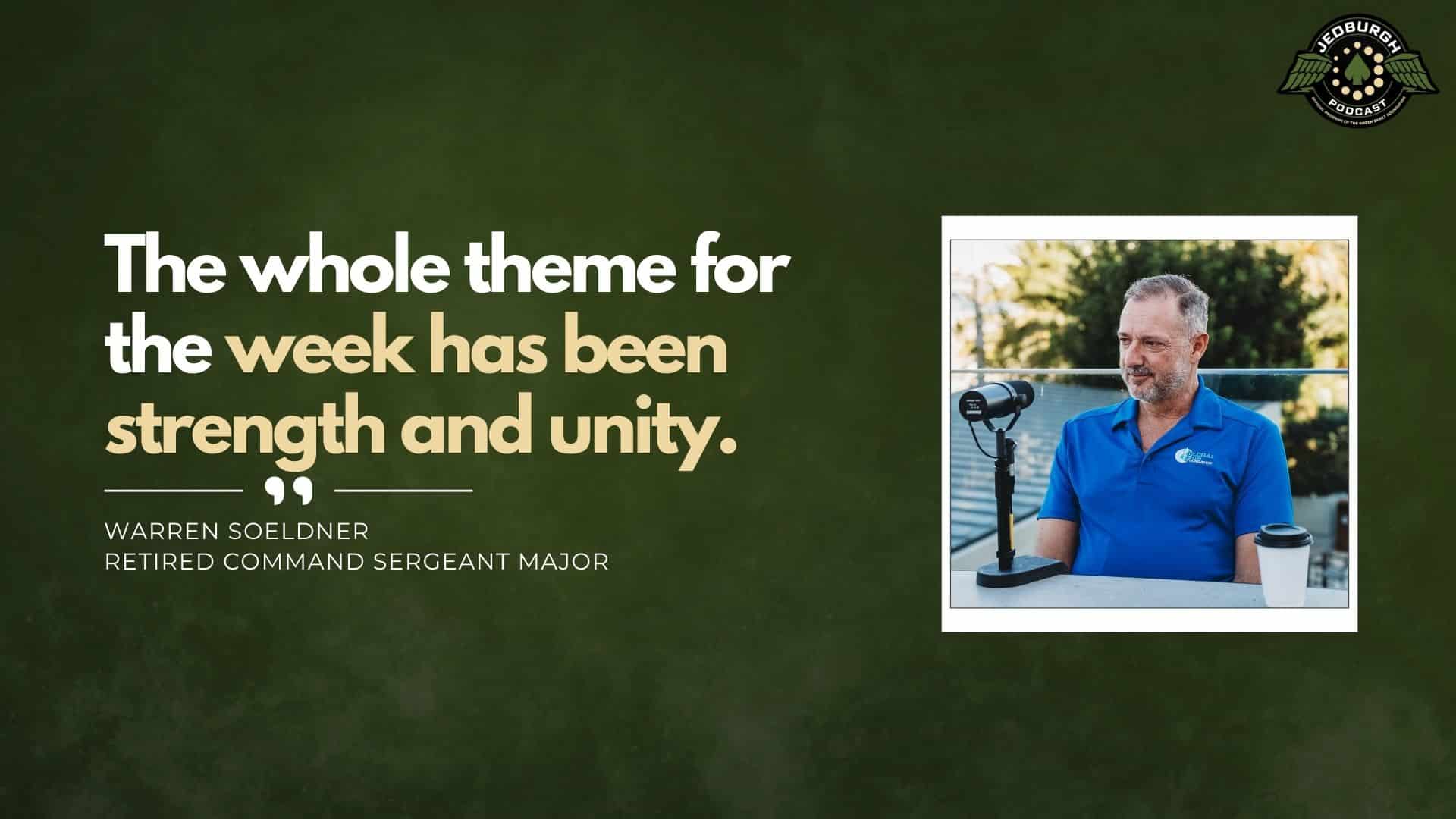
I’ve seen in the week that the focus and the theme for this whole week has been strength and unity. I am really trying to bring all of our partners together, and the focus for Global SOF Foundation is Global SOF. Stu has been beating this drum since he retired. It is about bringing all of the Global SOF together to solve all these problems and to work together. Every year when these symposiums happen, that is the goal. This year, what we have been pushing is to really get Greek SOF and their fairly new special Warfare command visibility, not just with the Global SOF partners and with the SOF partners from other nations, but in Greece as well.
What we really wanted to focus on here was to bring everybody here, bring the Greeks, and let the Greek public, and more importantly, parts of the government that still do not understand why it is important to have a Joint Unified command, see that it is a supported option that everybody is using. It is the type of command that all the countries are using, and they needed it too. We brought all these units here, their commanders, their staffs, their acquisition people, and it has been a very successful event.
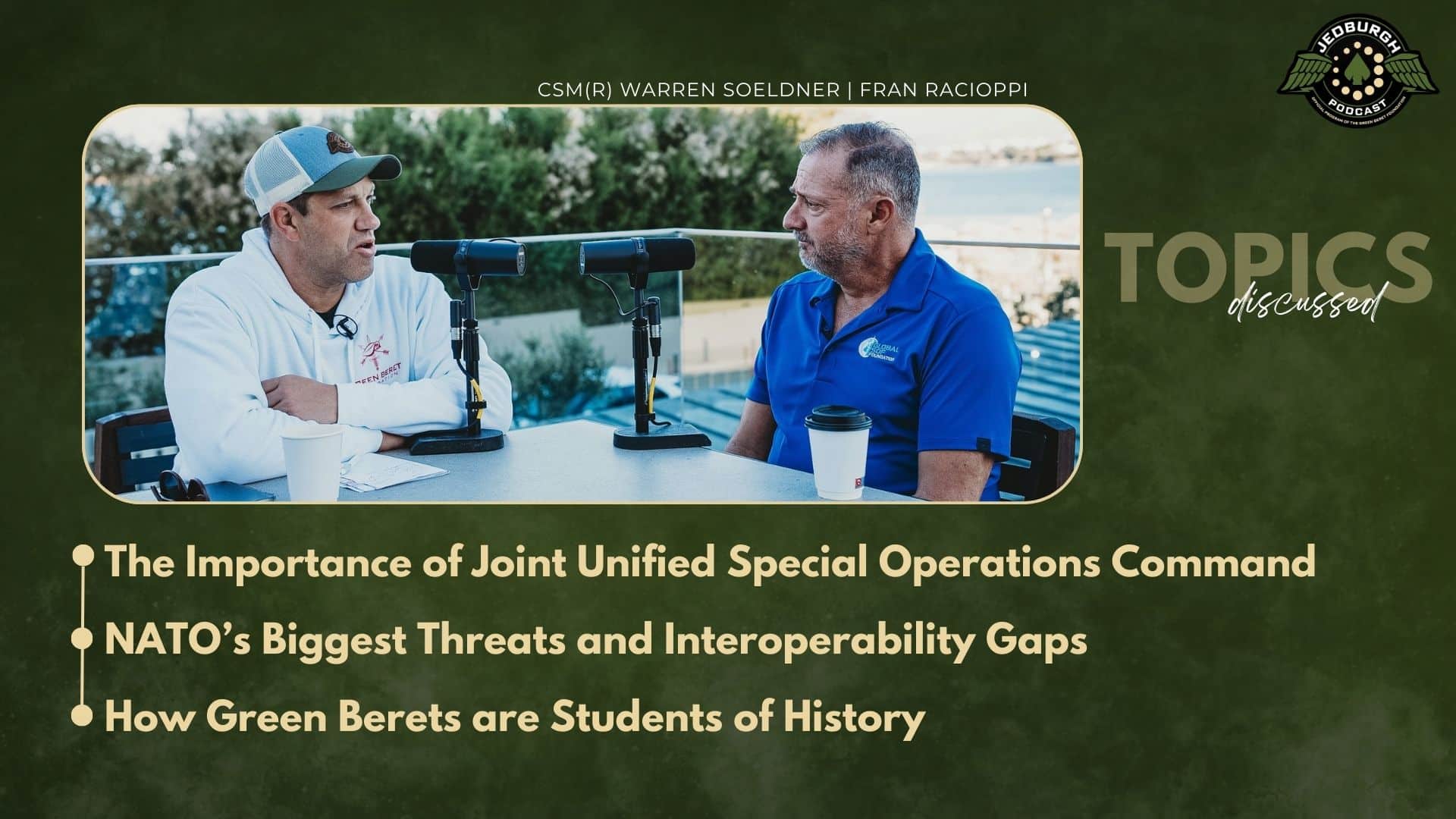
The discussion around the Joint Unified command has been an interesting one this week. That is a big takeaway for me because I think we take it for granted. Yes, we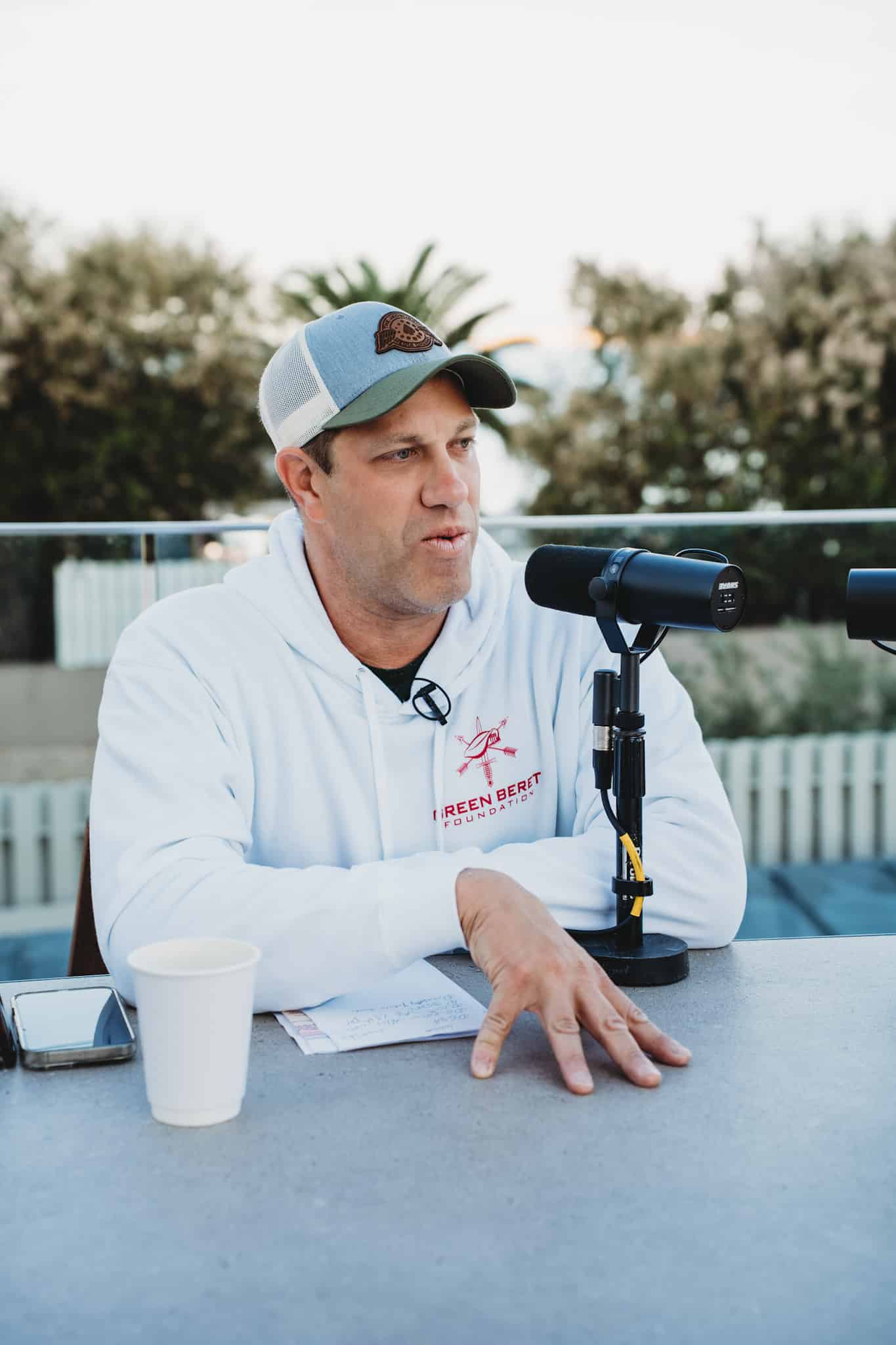
We had a great conversation with Lisa Costa, who was the director of communications and the Chief Information Officer at SOCOM, who talked about being in the JOC during the Black Hawk Down situation in Mogadishu and realizing that our air and ground units cannot talk to each other as effectively as they needed to be able to respond to the threat.
What we see in those situations is the need to bring all of our elements together under a single headquarters so that they can then begin to communicate at the same level, share equipment, share TTPs, and answer to the same Commander. We always take it for granted, as I was saying, but then you look across the Allied Forces. I had a chance to sit down with the commander of the Armed Forces of the Philippines JSOC, who just stood up. Why is the Joint Unified Command for each of these nations so important for them to stand up?
When we look at our budget in the US, the SOCOM budget is massive and for the right reasons. A lot of these smaller countries just do not have that kind of budget. It is not that they do not have them, but they are on much smaller scales. For them, making sure that one command is funneling the money down to buy the equipment for the troops becomes more important. In SOCOM, everybody knows about the hammers that we buy in the US military.
I was a mechanized infantry platoon leader. You get fired for losing the 1,000-dollar hammer. You cannot go buy it at Home Depot for $3.
That worked for us for a bit there, and we fixed that a lot in the US, but here, you cannot afford to do that. $1,000 is a lot of money in a smaller country that does not have the GDP we do. It is important that, as a unified command, when we are talking about acquisitions, especially for trade shows like these, where we bring in all of our corporate partners and sponsors, and they can show their wares and things that these forces might want.
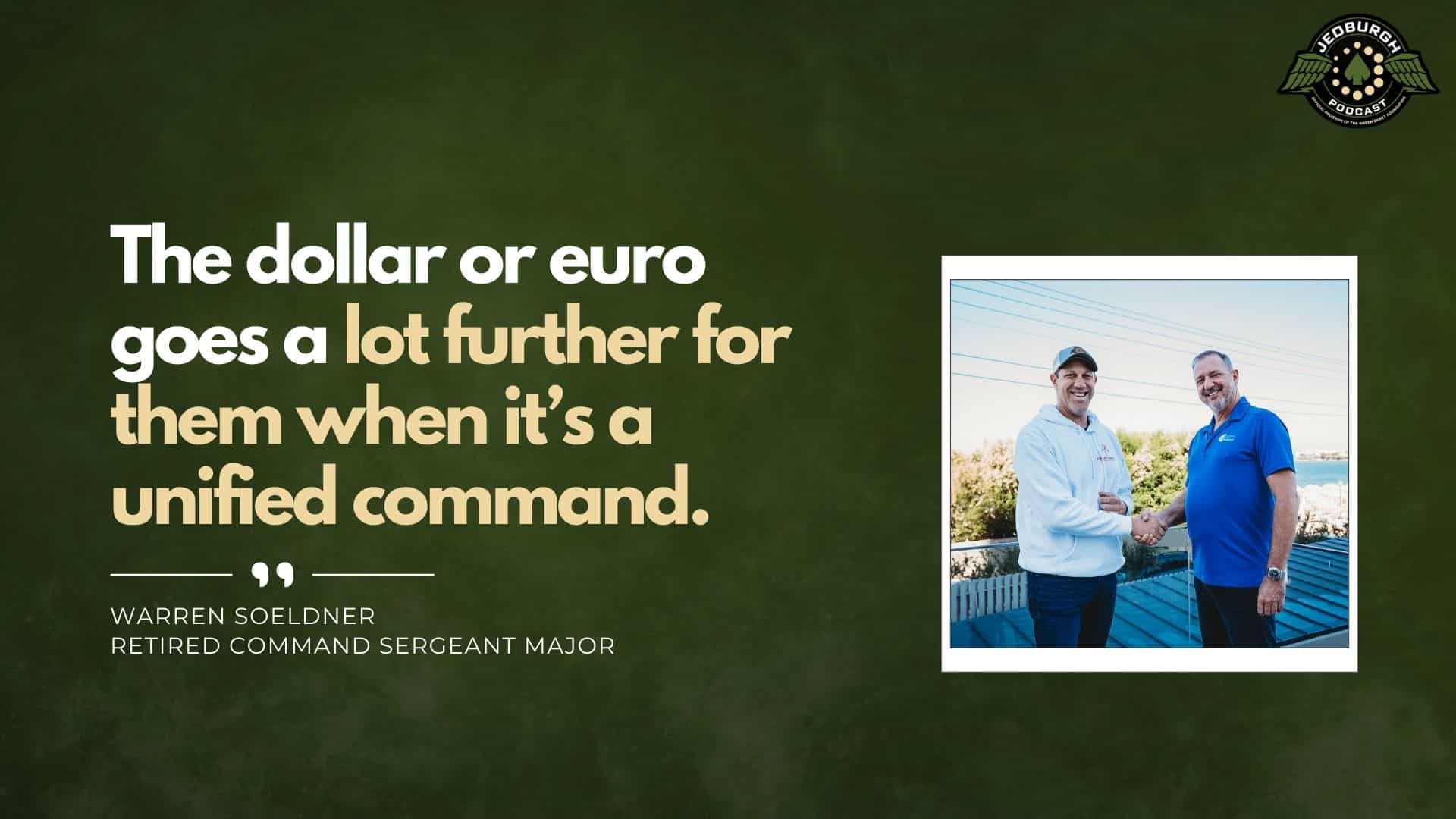
The dollar or the euro goes a lot further for them when it is a unified command. They can say, “We need a new weapon system,” something that the Greeks are looking at right now. Do they upgrade their current weapons, or do they go to a new weapon? They look at the prices, but now their unified command is looking to arm their Army, Navy, and Air Force Special Operations, and the rest of the military as well. It is one weapon system.
It may be modified for naval or maritime use versus ground use, but it is going to have the same basics, parts, supplies, and mission, which is where all the money goes when it comes to the weapons. It is important to have one command to do that instead of disparate commands or headquarters at the three-star and four-star levels trying to push down something.
We all know that once you get up to those levels, you are not really connected with what you need on the ground. It also leads to the ability to do research and development for specific mission sets. Now you are shopping for specific things, and you are only paying one bill at the unified command level as opposed to each of those services paying those bills separately, which is not very cost-effective.
I want to ask you about the importance of the European Alliance, specifically NATO. As 10th Groupers, we are intimately familiar with Europe and our allies here in Europe, and how strategically important they have been throughout history. We have been partnered with the French since the American Revolution. They become critically important when we talk about force projection.
A couple of years ago, at D-Day, we had the chance to sit down with Sergeant Major Jeremiah Inman, who was at that time the Sergeant Major of US Army Europe and Africa. We still have forces in Europe 82 years after the end of World War II, but that only gets us so far. It is really this concept in SOF of by, with, and through our partners and our allies, where we really affect the strategic policy of US defense plans. Can you define by, with, and through, and what that means to you as a Green Beret?
The Shifting Dynamic Of NATO & The Need For Partner Nations To Lead
The NATO partnership here in Europe is something that I have been a part of. My first unit in the Army was in Germany, and it was a NATO unit. It is huge that everybody is working together. I have worked with the Greeks for a long time, and I have lived in Greece and visited here. In the past, it was, “That is just what the US and NATO says do this.” To some extent, that may have been correct in the past, and we know SACEURs are US generals.
Everyone said it was the US telling us. That has changed. That dynamic has definitely changed, not just because of the stance on making other countries in NATO pay their bill, but also the fact that, since the incursion into Ukraine back in 2014, we realized we did not have the US forces on the ground here anymore that we needed. The other countries had to start picking up a lot of the work.
That is when we started to find out that some of the NATO processes were not really streamlined for other nations to be able to react, while the US rebuilt its strength over here again. It became critical that the other forces now had the ability to project a rapid response force more quickly than the NATO process.
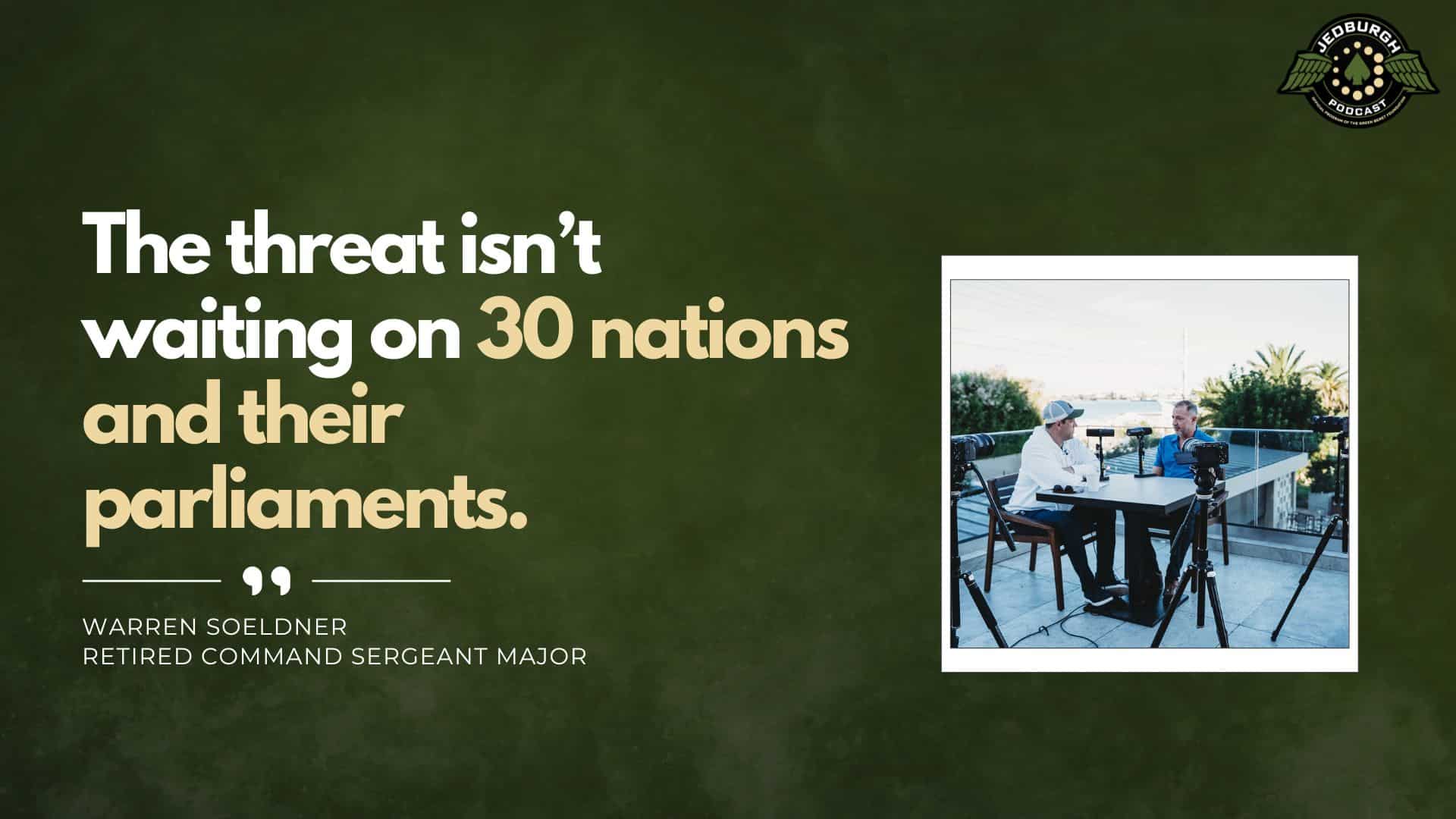
At that time, it was 30 Nations having to agree to do something. The threat is not waiting on 30 Nations and their Parliaments. Things have changed, and since that time, NATO has been getting more streamlined and better. Other nations have been picking up some of the staffing, procedures, and manning of these response forces.
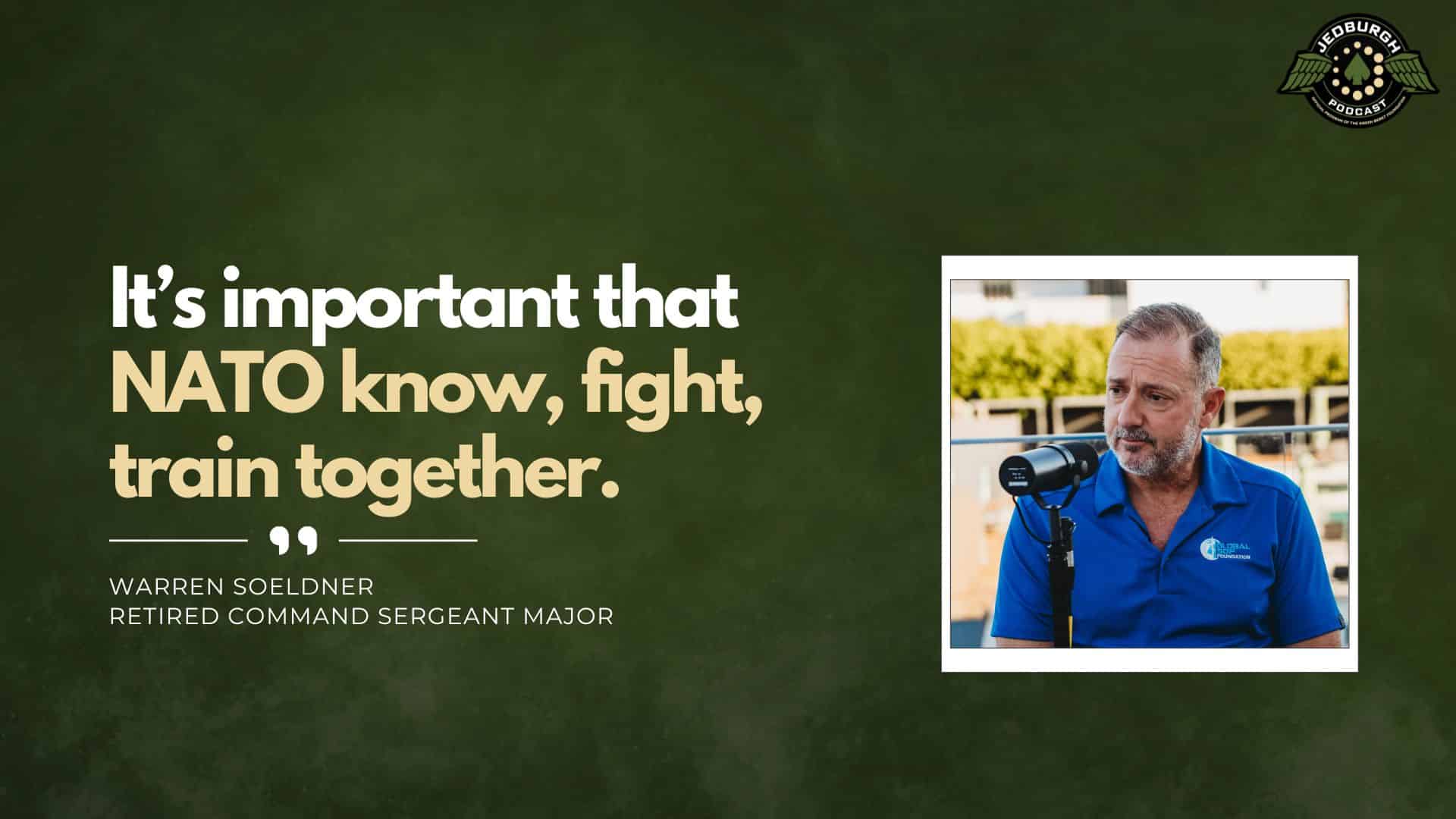
At the same time, America is the one that has a huge piece of it. Now we can see people or the Parliaments here are starting to pick up a lot more of the ball. At the end of the day, NATO is just in the US. NATO is 32 Nations now. They must fight and train together. That is what we are doing here. That is what I was doing before I retired from the Army and what I have been doing even now as the military liaison for the Global SOF Foundation.
You mentioned Ukraine in 2014, so Russia’s incursion into Crimea. I think that certainly propelled the conversation about the relevance of NATO at that time. How much has the conversation around NATO changed since Russia invaded Ukraine proper? How much has that changed the conversation around NATO’s relevance? Crimea was one situation, but now they are on the doorstep of Europe. We got an update on the Romanians as well, and they are sitting right there on the edge of the battle.
It is critical. The other part of NATO has the same equipment and has the same resupply capabilities. The NATO standard is something that even some of the NATO countries drifted away from during the Cold War and into the time leading up to now. We saw it with the invasion of Ukraine, where we had former Eastern Bloc fighters, tanks, and armored vehicles.
When one country is using one standard and the rest of the countries are using another standard, resupply becomes a lot harder for that country. Now you are running two different resupply lanes. You are not going to resupply for Eastern Bloc equipment other than battlefield recovery because, in this case, the threat is also the producer of that equipment.
It became very interesting.
The NATO standard must be maintained. It is important that the tactics are maintained. When I spent some time at the 1st Group, and I went over to Asia, the countries were still looking for what tactics and doctrine to use. Even now, we tell them through the Global SOF Foundation, “Why are you not using NATO standards? You might as well.” The manuals are out there. The procedures are out there. Everything is available. It is done for you.
You build your units into NATO standards so that now you can come over to Europe and you can exercise with NATO countries. NATO countries can come out to Asia, especially as we look at
Interoperability has a big scale too. There is interoperability in terms of, if we are in Allied Nations, “Can we talk to each other?” There is a level of interoperability that says, “You have a platform that I need. Can you give me the use of that platform? I am going to use it through my systems and then give it back to you when I am done.” How effective has that type of interoperability been in NATO, and where are the gaps right now?
I have been a bit away from the problem set for about a year and a half, but when I was still working in Germany, the gaps we were seeing were intelligence sharing compartments. Way too many compartments still. We, as the US, were the worst at it. We had so many compartments. Half the time, we did not know what we were doing. We have gotten much better at that, moving a lot of our communication down to a NATO secret level.
We are just keeping the US, the Five Eyes, or the other compartment stuff on separate systems, but getting everything down from a top secret level, where we seem to always jam stuff. We are getting it down to NATO secret systems so that we can share that with the partners. We can share intelligence and information. We can share doctrines and TTPs, but more importantly, we can plan better together. It is amazing when you are planning an exercise with 5 or 6 NATO partners in a room.
Everybody is working great. Everybody breaks off and goes into their own little spaces and then reads the whole plan in order to utilize the assets that they brought with them that have a different TTP that we may not want to share with our partners. At the end of the day, we are all out on the same battlefield, and they are seeing what we are doing, and we are seeing what they are doing. Information was always the biggest gap amongst the planners and planning systems.
We have language problems too, but a lot of that is with AI. You see, here we are doing briefings and General Sessions, and we are using apps that translate on the fly. Our friends, the Filipinos, or the gentlemen from the UAE who were here, I am watching these guys. They are watching the stream in their language as they are up on stage speaking in English. It is an amazing capability that we are now starting to integrate into these planning processes. AI is helping us a lot. The new era of digital communication is filling that gap.
When you look across NATO right now, what do you think the biggest threat is?
Russia is a huge threat right now, but I think we may be getting too hyper-focused on that and forgetting that we do have other threats like China and Iran. When I travel across NATO countries here, and I am driving on roads that were built by the Chinese, using cell towers that were put in place by the Chinese, and seeing everybody using Chinese technology and electronic cars from China.
It is one thing for us to sit in the States and buy 80,000-dollar Teslas and 2,000-dollar iPhones. A lot of the countries are not as rich or do not have the salaries that some of the larger countries have, and they are buying all this stuff. Their optic on China may be different, but at the same time, it is definitely a NATO problem. These are NATO countries. We are looking out the front window at problem sets of China, but coming through the back door is China.
We have to define what war is based on the adversary that we face. We always have to take that back to DIME, the Diplomatic, Information, Military, and Economic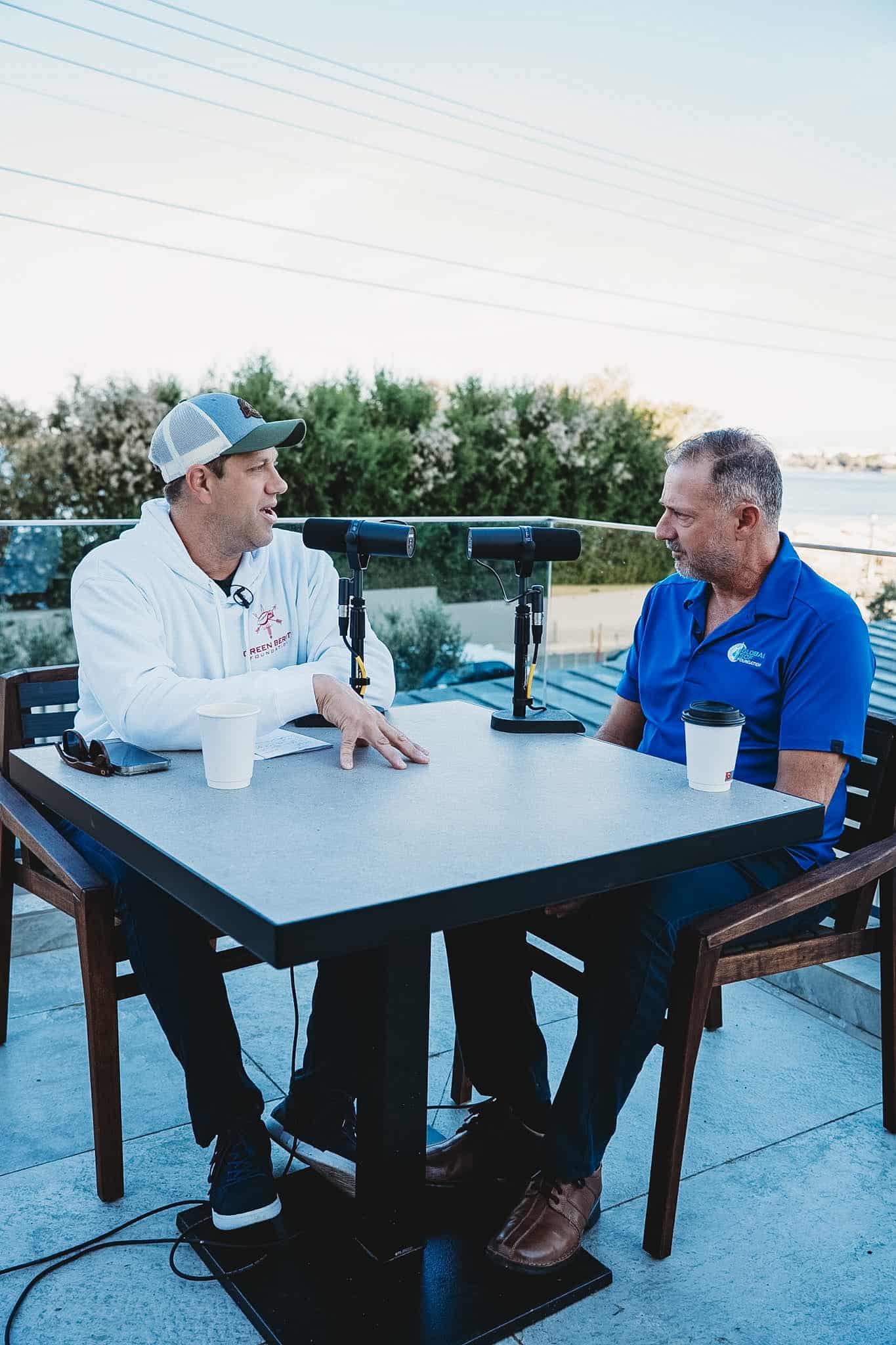
We can certainly say we are in a gray war with China, possibly through proxies. Economically, we are certainly at war. Informationally, we are probably at war with China. Diplomatically, the amount of time that I have been fortunate enough to spend in Africa, the amount of Chinese and Russian investment in Africa is tremendous. Because we do not have the long-time affiliation that we do with a lot of the European countries, their ability to get in and supplant us is way easier and way faster for a way lesser amount of money.
Their cost of investment is much lower to go to places like Africa, where you have a wealth of natural resources. We continue to underestimate the long-term value of the African nations. We really have to start to define where we are in respect to the elements of National Power. Russia, on the other hand, are we militarily at war with Russia?
We might not have Americans shooting at Russians or Russians shooting at Americans, but we certainly have American weaponry and Russian targets. There is no hiding that. The same for Iran. Qualifying it in that metric can really help us to broaden our lens to understand what the real threats are out there and how we are combating them.
As we focused so long on the global war on terror, we have to ask ourselves, did we then allow these countries, specifically Russia and Iran, whom we definitely were fighting in the global war on terror, and China, to focus on their long-term plan to achieve some of the aims that they have? We have to say, to some extent, yes. Certainly not to discredit our efforts in the global war on terror, but how do you focus on everything at once?
How do you do it when everything changes every four years? Some of these threats do not change every four years, and their projection out to success is counted in hundreds of years and generations. We are going for four years at a time. We are focused over here, four years later, we shift and focus over here. We have lost that edge with whichever adversary it may be when they had a long-term plan, and we do not.
One of the values that we take out of serving in the Special Forces groups is the regional focus. I have got to hold our Green Berets high for a minute because it is important. There are two aspects of being a Green Beret that I think separate our eighteen-series from everybody else. Number one, Green Berets are certainly not a bunch of door-kickers. Through the global war on terror, that has been a lot of the highlight of a mission set we have, but that is not the core mission set of what we do, and I will never say that it should be.
It is one of the things that we are capable of. The most important thing that we do is build capability in our partners and our allies, which requires our Green Berets to be students of history. How important is it to you to look at our eighteen-series force and make sure that they are students of history? How does that set them apart from their conventional partners?
That is a great question, Fran. Green Berets came up in an era where we did two things, unconventional warfare and foreign internal defense. All those other seven missions we have, we do those too, but we do them in support of unconventional warfare or FID, which is both sides of basically any conflict. You are either trying to undermine a sitting government through unconventional warfare, or you are helping a sitting government battling insurrection or resistance through foreign internal defense.
The CQB, the SAR, the long-range reconnaissance, special reconnaissance. All those other things support those two lines of effort. I grew up in an era where we had smaller teams. All of our Green Berets had to do two or three things at once, and we were doing it in foreign countries. We were going to different countries in Europe, Africa, Asia, South America, wherever the group we were in was, or the Middle East. We did not have resources.
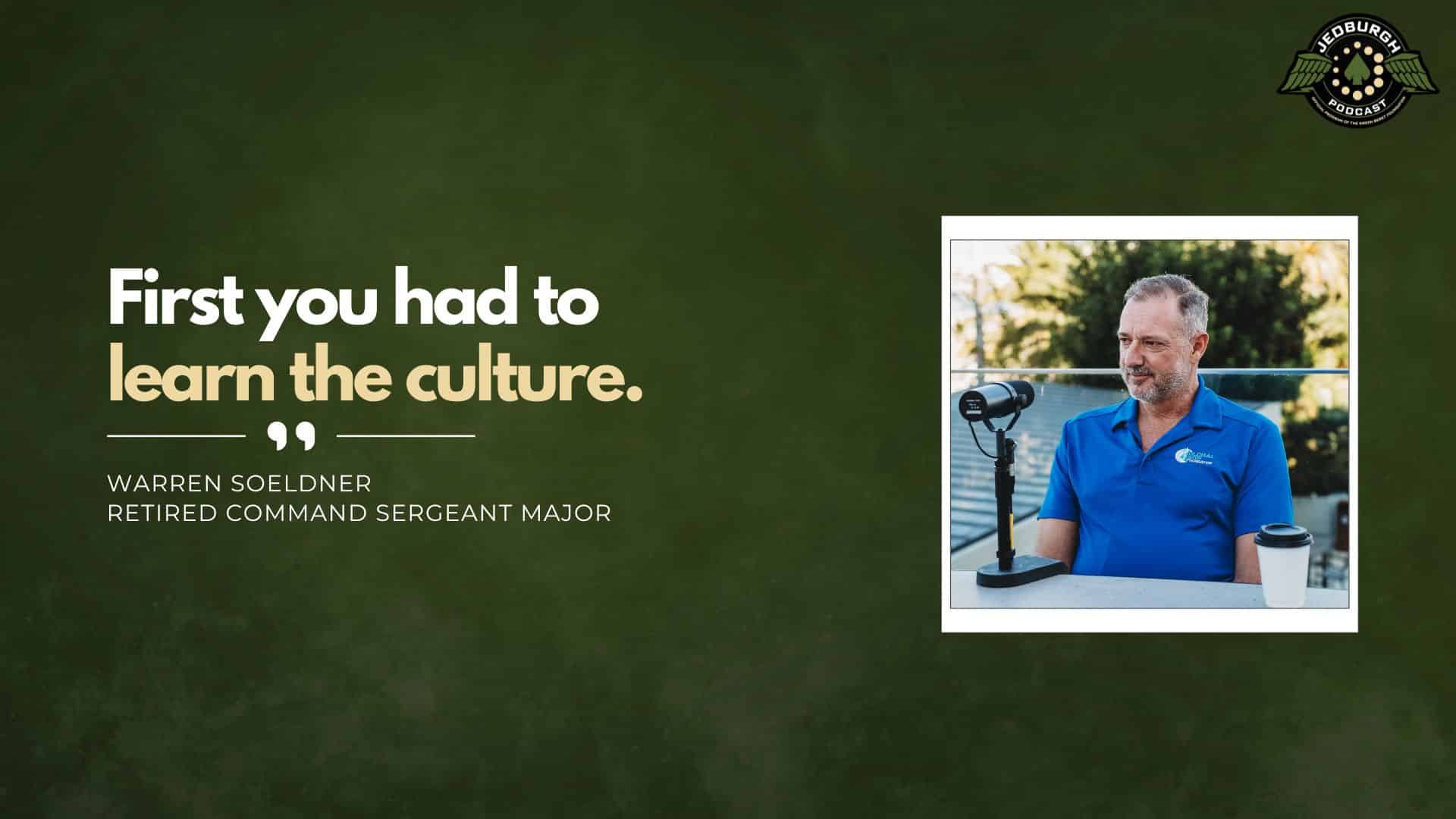
We had to learn the culture. We had to speak the languages. We had to support ourselves. We had to understand the culture because we did not have huge FOBs with rings of security and CAP overhead. What we had was us. First, you had to learn the culture so you could fit in, understand, and identify a threat. You had to understand your history so that you are not alienating the people you are working with by making comments or not understanding what they have been through to get to where they are at and why we are there now, whether it is training them or helping them defeat some target.
The history part, from my perspective, was that we would isolate before we would go on a mission. The isolation was where you learned everything about that country. You learned about their history, how they got to where they are, who the leaders were, the people who put them in that position, what the economy was, and who their enemies were. As you go into that country to either help them or fight them, you need to know that too.
The history part has always been important, and I think Green Berets have always been good at doing it. When you change from that type of environment to going into the FOB, we lose some of that focus because every night now we are coming back to a secure area. It is a critical piece, and I know we are going back to that. I am happy to see that we are finally going back to some of the roots that made Special Forces successful in the past, for the long term.
A lot of the discussions are around, “What is the next conflict?” I would argue that we are in the next conflict. The sooner we start to really realize that, the better off we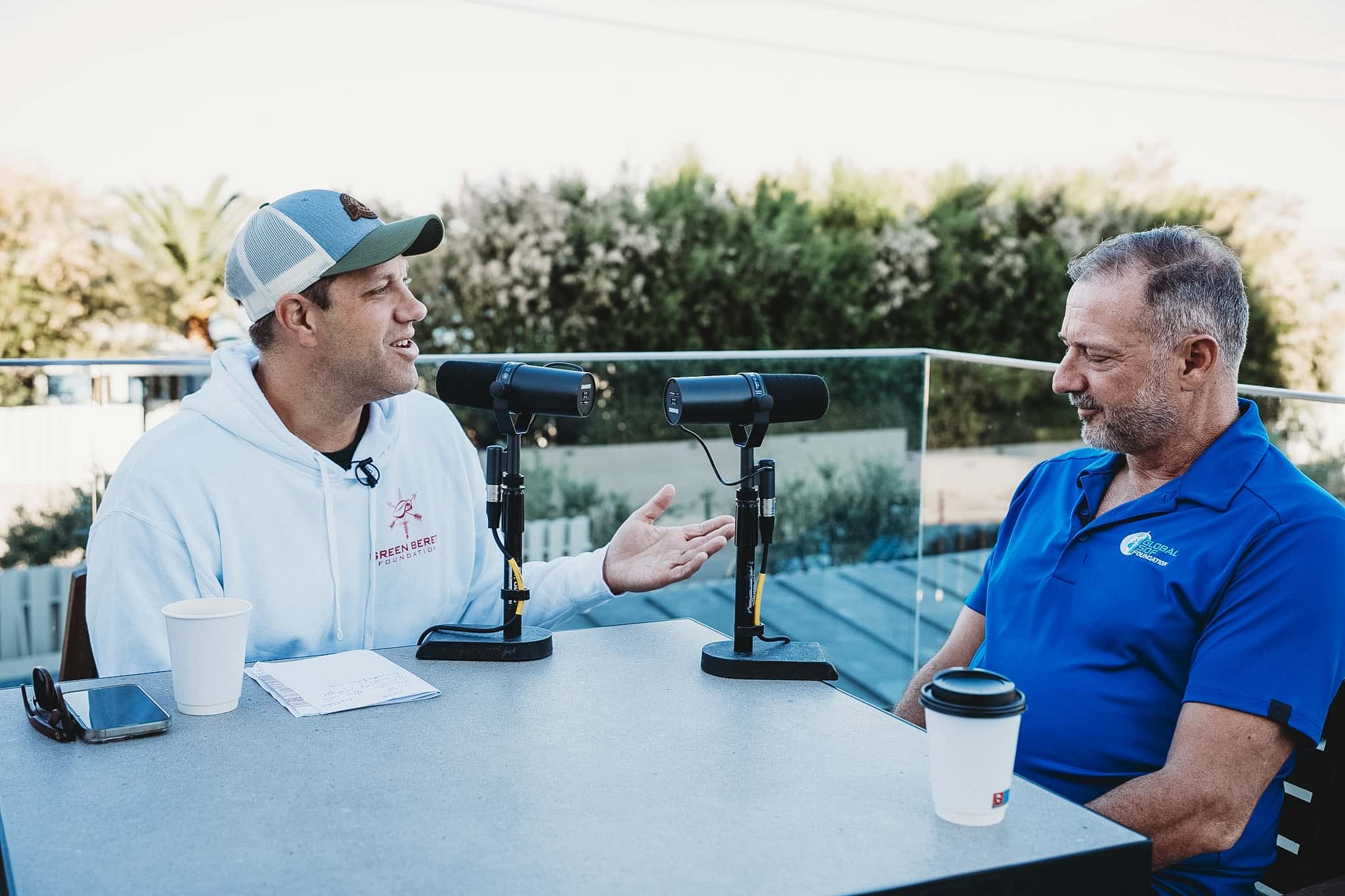
Large-scale combat operations, what is the difference between CT and COIN, really? You are looking at a nation-state on a nation-state. What happens when you have great power competition? That is what you are seeing with a move away from counterterrorism precision operations that we saw in Iraq and Afghanistan and the global war on terror, which still exists and is still a critical part of what we are doing.
We cannot forget about the terrorist organizations that have not stopped. They did not wake up one day and go, “We do not hate America anymore.” They still do, and they hate their allies here in Europe and want to target us at the first opportunity, so we cannot forget about that. When we look at large-scale combat operations, we are looking at long-range precision fires. We are looking at over-the-horizon type operations.
We are looking at innovation and technology where autonomous capabilities are going to become critical because the sensors that our adversaries have rival the sensors that have given the US and our European allies the advantage over the last twenty-plus years. Where do you see Special Operations integration into large-scale combat operations?
I have argued about this for years, working at staff headquarters. At some point, Special Forces became its own thing. All of a sudden, it became about Special Forces operations, and then you had conventional operations, and we were in the same battle space, and we had to make up ways to integrate. It came about that Special Forces were conducting our own operations.
I have always believed that, yes, Special Forces is its own command and we have our own commanders, but at the end of the day, I grew up in an era of the Soviet threat where Special Forces supported large-scale combat operations. When that theater commander needed something done, and Special Forces was the right tool, that was the tool that needed to be used. In some cases, we have conventional forces supporting Special Forces missions.
The supporting concept applies. When we start looking at large-scale combat operations, Special Operations are not the primary tool for that, even though we try to make it that, and then we just build our bigger forces and add more enablers. We bring in more gunships or other types of technology to conduct those operations ourselves.
In Afghanistan, in the mountains, when we were chasing bin Laden, I would argue those were large-scale combat operations because they were over a large area where we were directing a huge volume of firepower, and we could move in those areas. When I look at large-scale combat operations, do we need artillery anymore? We have got swarms now, we have got UAVs, we have got all these other types of capabilities.
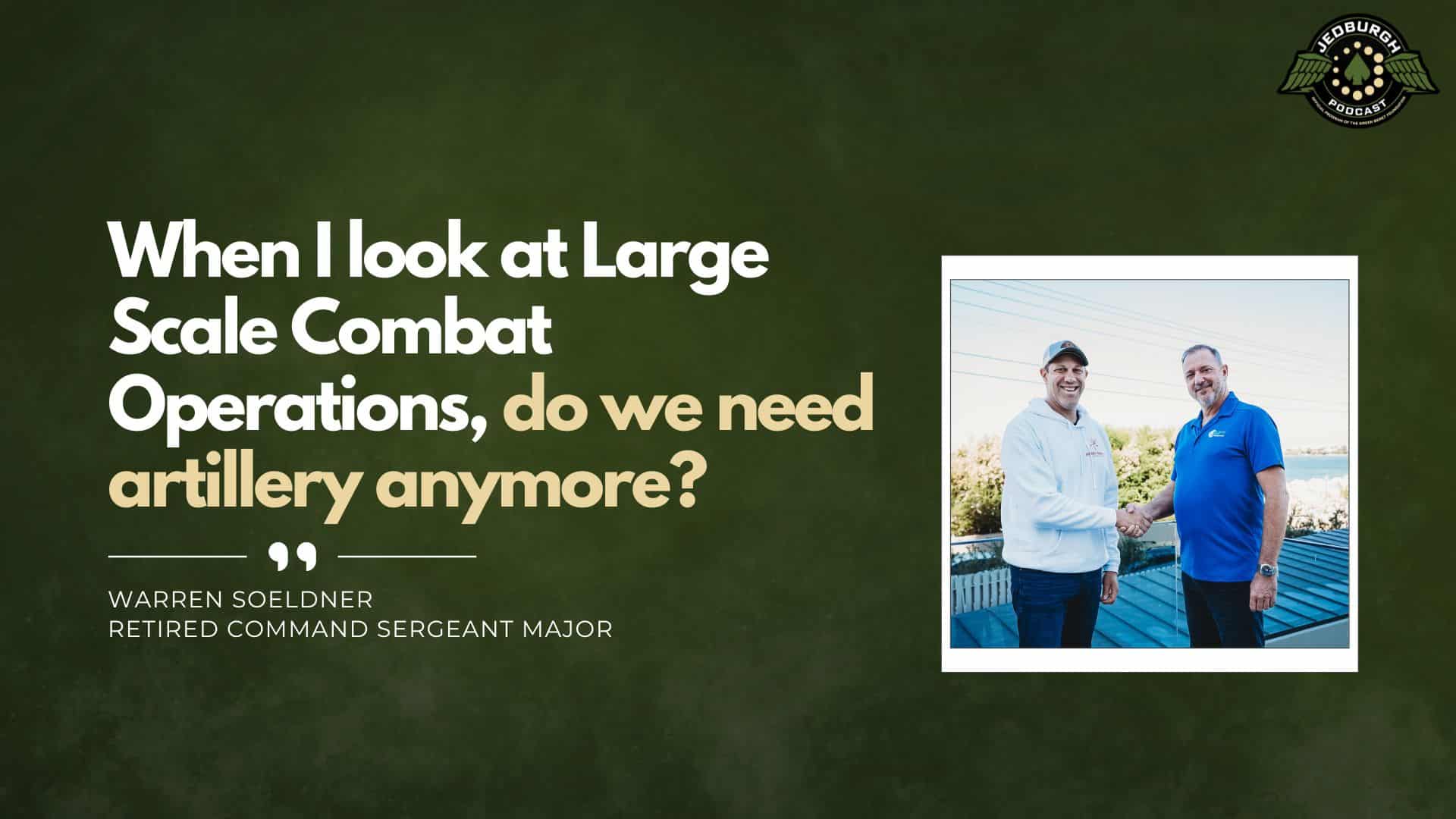
We still need artillery. If we go back to that type of scale with a larger threat, the value of artillery is that you can still clear square kilometers of terrain quickly and effectively. Some would argue that now we can do that with UAVs and be more precise. There is something to be said when you are raining artillery rounds on a whole area. It has always been a tactic that we had in our pocket that we have not used.
I asked the Polish Deputy Commander of their Armed Forces a very similar question about where he saw large-scale combat operations playing into SOF in the next several years. He gave me a very similar answer because he said, “I came up in the Cold War, fighting the Soviets. We went, and the Polish were instrumental in the NATO mission in Afghanistan.
Now I am fighting the Soviets again.” All of those of the generation who were young officers and NCOs who started their careers fighting the Soviets now have to pull those TTPs and tactics back out, modifying for technology today, and then refight that battle almost again and prepare for it. His position was that it is actually not that much different. We have already been here, we have already done that, which I think is very interesting.
When we look at the Army, and you look at the US Army, you could apply that to our allies as well. We have three generations that exist. There is a generation of senior leaders on the enlisted and officer side who were the pre-9/11 generation, who understood what it was like before the CT/COIN fight and then led our country through that, and now serve at senior levels. You have folks like me who were the 9/11 generation who were inspired by the 9/11 events and said, “I have got to go out and serve,” and they are retiring now.
You have got a group that is coming in who were not even born on 9/11, and those are the ones who are getting ready now to lead. Those are our captains, our majors,
I remember when Russians crossed into Crimea, and I was in SACEUR at the time. We are all in a conference room, and I was stunned at how surprised all of us were when that happened because we had all been looking at GWOT. Everybody was supporting GWOT, and it kind of surprised everybody. There were some younger people in the room, officers and NCOs, and they were like, “What do we do?” I brought in something that we used to have a lot of, and I threw the deck of recognition cards, Soviet recognition cards, out on the table.
I said, “I guess for the equipment, we might want to start studying back up on what all that equipment looks like.” I was flipping about it, but I was a little disappointed that we had been very surprised and lost the ball. SACEUR is a small command, but the whole bigger command had lost the ball and been surprised. We recovered well and got to it. That is what makes us great, and that is one of the reasons we are successful is we recover quickly and get back to the task at hand.
At that point, I realized that we did have a huge gap in learning and understanding in Special Forces and Special Operations because we had been so hyper-visioned. We focused on that CT/COIN piece in GWOT and forgot everything else that we do. They still teach it in the Q-course, but as soon as you get out of the Q-course, your focus is on whatever group you are going to and what they are doing.
At the team level, when I went back as the group CSM, I made it a point to make sure that we do not just focus on one thing. There should be team training on this. You should be going back to country studies and mission letters that assigned countries again to ODAs, so they could study and learn how we grew up.
When I was young, on a team, and walked into my first team room, they opened the safe, and they said, “This is our target country. You start reading this. You need to know everything about this country, and these are our three primary targets.” Back then, our ODA had Yugoslavia, and one of our primary targets was a dam. We had to know everything about that dam. We had to study our languages. My language was Recon German.
I was awful in Yugoslavian because if it took a longer ODA, we were going to take out that dam. That is still critical to Special Forces, and I think that is how we maintain that Soviet-era mindset for the ODAs by making sure that we can go do CQB and halo refreshers, but the importance of that ODA is I have got a twelve-man team and two six-man splits that I can fire like a missile at a target.
Send them out the door, and they are more mature, culturally aware, speak the language, proficient in all of their MOSs, and cross-trained. I can send them out the door to go hit a target, and they are fire-and-forget. They will report back once a week or whatever the contact schedule was. We have lost that now. Now you cannot go out the door without 50 different messages and reams of paper to call up.
Back then, it was why Special Forces was successful because they went out and they did their mission, and it was not, “I need to know what they are doing right now,” or, “I need to direct the mission from the headquarters.” It is important that teams still do that because that is how you fight any threat. In that isolation, when you are doing that pre-mission isolation, that is where you fine-tune the skills that you need for that mission. I used to preach that you do not need to do SFALC every year.
Once you have learned how to shoot, you know how to shoot. If you are doing it every year for a mission that requires that type of precision shooting, then okay, great. You learn how to shoot, and then you go into that isolation training phase. That is when you are supposed to say, “In my mission, I am going to be doing this,” and you spend some time refining those skills. All my guys need to be able to speak a language.
That pre-mission training phase is where you are tightening up that specific language. We got away from that. PMT was always the same, rotate back into the box, do an eight-month rotation,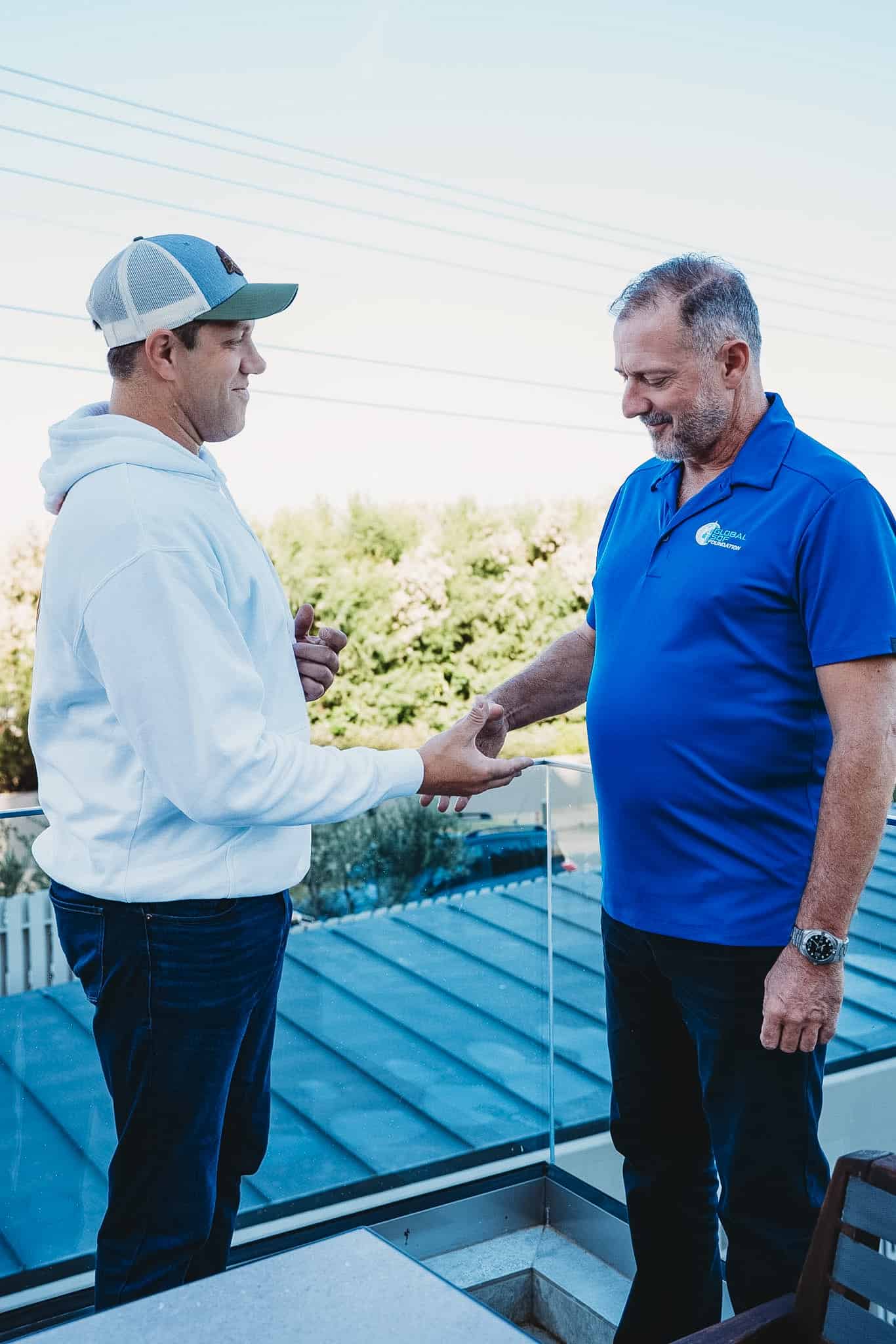
The new Green Berets did not know. I know team sergeants. I am not going to use a name because he is somebody who was killed in action, but when he made team sergeant, he came to me as a Sergeant Major, and he was like, “I do not know what to do. All I know is CT.” He was a great dude and a very solid professional operator, and I was like, “You have got it.” He self-admittedly said all he knew was CT. We have a whole generation of Green Berets that way. We are fixing it, but it takes time.
The topic of discipline and standards is front and center. In the Army today, we have been really fortunate to have been embraced by Sergeant Major of the Army Mike Weimer. He has been a huge advocate of the show, and we are very lucky to have been brought in by the Army to cover some of the big policy changes that the Army put out over the last couple of months. Changes to the Army fitness test and also the Army directive 670-1, which clarifies guidance around the uniform, wearing, and appearance of the Army uniform and hair. While beards are not covered in that, Secretary Wormuth did cover the beard situation clearly.
Beards go special.
That’s why I bring this up, because I believe that as a Special Forces operator, as a Green Beret, there is nothing special about being a Green Beret. We are just a bunch of dudes, but the difference is that you do things to a higher standard more consistently without compromise. My question to you is, when you think about your long career as a Green Beret, and you look at those who wear the Beret now, and you think about the importance of standards and discipline, what does it mean to you to be a Green Beret?
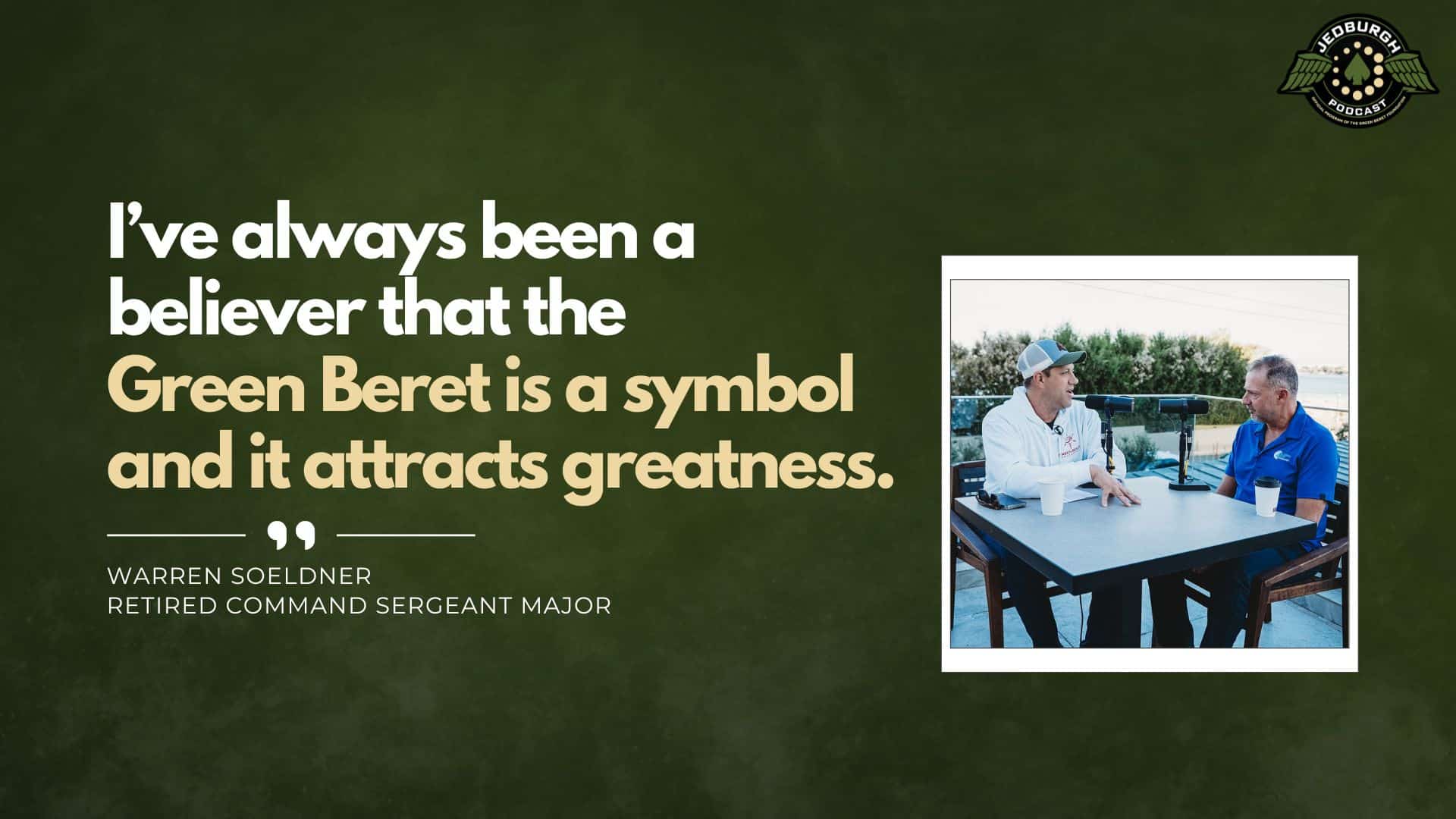
I was fortunate enough to spend a long time as a Sergeant Major. I was eleven years as a Sergeant Major, and all my guys know, when you are in garrison, and you are back home doing your day-to-day stuff, you need to be the best, and you need to look the best. I have always been a believer that the Green Beret is a symbol, and it attracts greatness. Try to be the best to be great at everything you do.
I would tell my guys, “Look, guys, when you are walking around, you are a recruiting poster.” That is what brought me to Special Forces, seeing a Green Beret and wearing that thing proudly, not on a big puff of hair and over a beard. When you are in garrison, you need to look like the most professional soldier because we are professional soldiers.
Whether you have a beard or your uniform looks good or not, some would say it does not define you as a professional soldier, but it does because you go back to the standards and being exact at everything you do, taking pride in that, and looking sharp. We have to do that because that is what brings new guys into the unit. That young E-2 or E-3 who is trying to decide whether he wants to reenlist, we cannot fill the ranks.
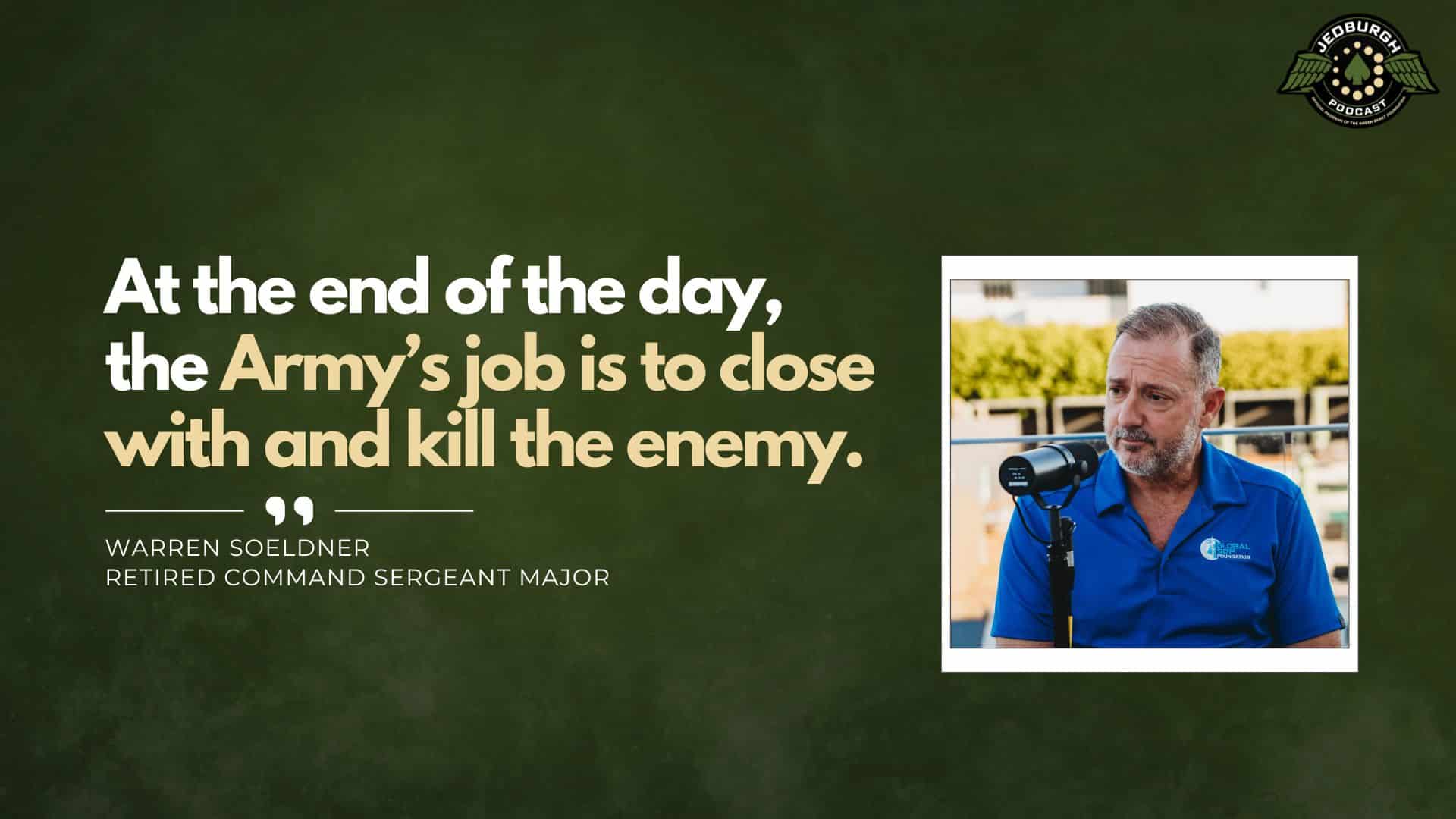
We are making numbers in the Army, but we are making the wrong numbers in the Army because, at the end of the day, the Army’s job is to close with the enemy and kill the enemy. Not go to college, or learn how to drive a truck, or learn how to cook. That is all parts of the Army, but every person in the Army needs to be able to do the Army’s job, which is close with the enemy and kill. That is what we do.
To do that in Special Forces, we need the right people, and we need a constant flow of them coming in. Part of that is guys that see a Green Beret and say, “Man, that is what I want to be.” I think part of that comes from looking professional, being competent, and being in shape, and not trying to stand out and be special because we are the quiet professionals. I remember an instance where I walked into the shopette on Carson down by Gate twenty, and there was this infantry E-7 just screaming at a guy about how he was looking.
You could tell the guy was an SF guy. How could I tell? It’s because he was in a mix-match of uniforms, unkempt hair, two days’ growth, different boots, and he had been out at the range training. They just got back, and he had stopped into the shopette to grab something on the way back to the team room. I did not say anything. I let that E-7 do his thing. I drove back up to the group, and as I was parking, I saw a young soldier parking.
I walked up and said, “Man, what was he on you about?” He said, “I was just running in there to get a drink on the way, and he just started on me about my uniform and talking about how you SF guys are making us all look bad.” I am like, “How did he know you are an SF guy because you have no patches on, right?” He goes, “It’s because I have no patches on.” Exactly that. He was right. Great kid, good dude, solid soldier. Maybe you go back to the team room first and put on a good uniform, or at least put on the uniform and then go to the shopette.
It is stuff like that that makes us all look bad. It does not matter whether it is right or it is wrong. That is what is happening. People are making judgment calls on us based on what they see with the first impression. It is not necessarily the beards. For me, if the mission calls for a beard, grow a beard. If it does not call for a beard, you should not have a beard because those are the regulations. I do not know whether it is right or it is wrong, but that is what the regulations say, and you just have to be able to do it. It is not hard.
You did spend eleven years as a Sergeant Major, and I was fortunate that for about three or four of those, I was able to serve around here. It was really an honor. We talk about standards and discipline. I am biased towards the 10th Special Forces Group. It was the honor of my life to serve there and serve with you and some of your peers who were really instrumental in not only developing me as a young officer. We learned a lot from the officers, but we learned more from the NCOs. I can tell you that, and that was something I learned as a very young platoon leader.
When you walk into a room of combat-experienced NCOs, you realize, “I better listen to these guys.” You come over to SF, and you realize these guys have even four more times the experience of the guys in the infantry. It truly was an honor to be around you and learn from so many things that you continue to share. It was love catching up with you this week, and to be able to see you back in action in this room, shaking hands and hugging everybody.
It shows the impact over the long term of why SF guys are different from everybody else. It may seem like a small thing to know a bunch of people in this room, but the people in this room this week are the ones who are affecting international policy and setting the conditions for the security of the world in the future. That all comes back to the work that you have done over your career and continue to do at the Global SOF Foundation. Awesome to catch up, appreciate you sitting down with me, and I think we have a gem of the day here.
I appreciate it, Fran. It has been a phenomenal week. I am worn out, but it is good. It has been fantastic meeting everybody again and seeing everybody again. I am truly honored to be able to help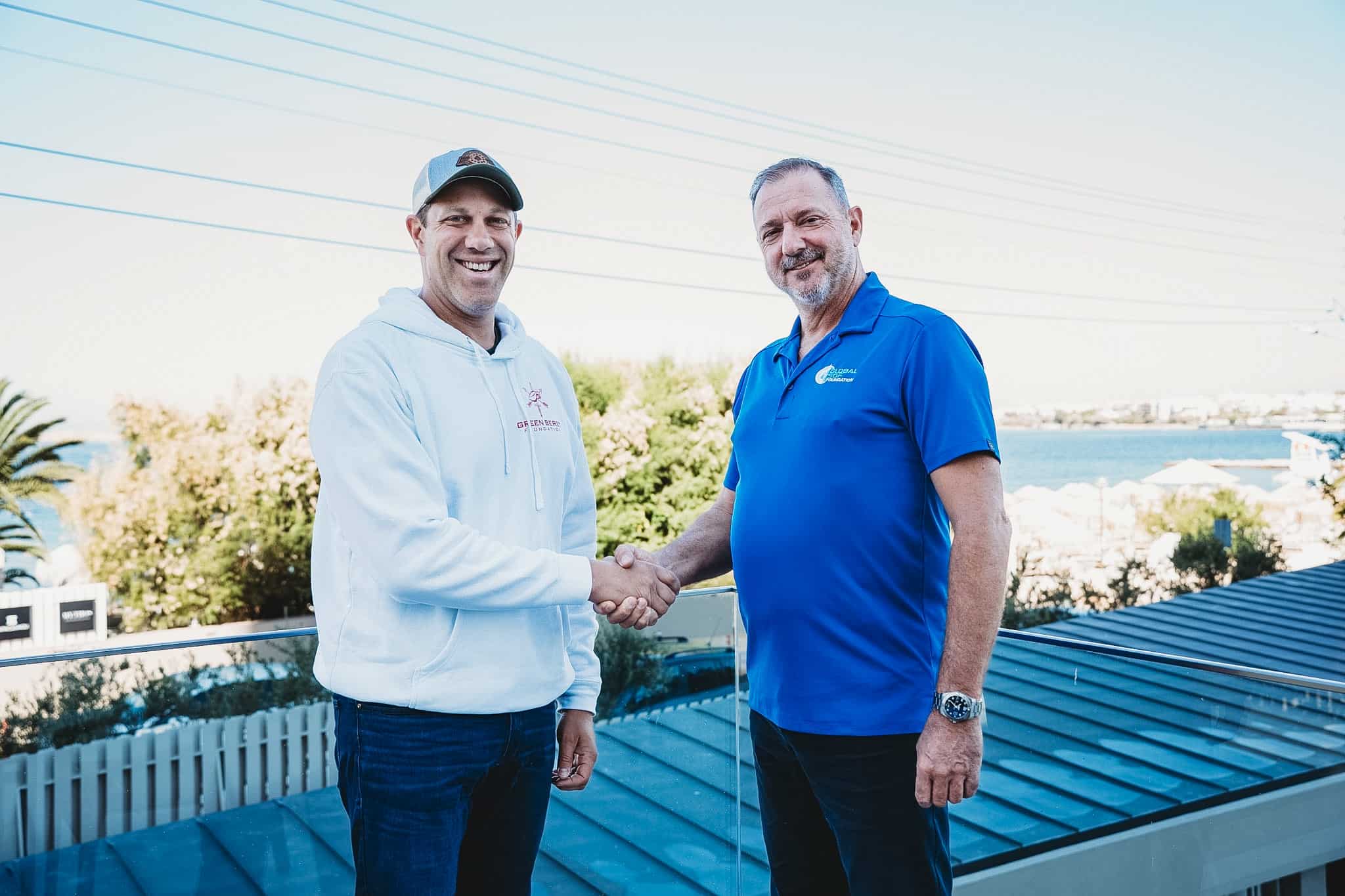
Some of them I first started working with when they were E-5s or O-5s, and now they are sergeants major or colonels and generals. Those are guys that I developed a relationship with over 35 years now, and the last five years as I helped them stand up Special Warfare Command as a liaison here. It has been an honor and a culmination of this great event. Seeing you here was fantastic. When I found out that you were signed up to come along on this, it was great. The Green Beret Foundation is very close and dear to me. It is a fantastic organization. Thank you.
I’m jealous you live in Greece.
Green Beret Foundation
P.O. Box 25138
New York, NY 10087-5138
Note: Please use USPS mail or priority mail. Do not use FedEx.
Green Beret Foundation
10205 US Hwy 15-501, Unit 26-8
Southern Pines, NC 28387-4301
Call: at: (844) 287-7133