In August 2021, the world watched in disbelief as Afghanistan collapsed, leaving two decades of sacrifice, hope, and war in question. America’s longest war, forged in the aftermath of 9/11 and costing thousands of lives and billions of dollars, ended in chaos, confusion, and the swift return of the Taliban. But what truly happened in those final, frantic days? Who held the line until the line was irrevocably gone?
In this exclusive interview, host Fran Racioppi sat down with General Haibatullah Alizai, the final Chief of the Afghan National Army, now living in exile. General Alizai offers a raw, firsthand account of the challenges, the political decisions, and the human cost that led to the nation’s swift downfall. From the initial hope sparked by the post-9/11 intervention to the crushing weight of the Taliban’s propaganda machine, he confronts the harsh realities faced by Afghan forces and the devastating decisions that altered the course of history.
Discover the candid perspective of a warrior who fought for a country that no longer exists. General Alizai speaks on loyalty, the pervasive impact of corruption, the strategic failures that enabled the Taliban’s resurgence, and his powerful message to the American service members who served alongside him.
War provides Warriors perspective. Is it possible to reclaim what was lost? And was the 20-year commitment truly worth the cost? Dive into the complexity of war, the human reality behind America’s longest conflict, and the future of a nation still searching for stability in the shadow of the Taliban. This is the untold story of the Afghan Army’s last stand.
The Jedburgh Podcast is brought to you by OneBrief; enabling military leaders to make innovative, informed and deliberate decisions faster than ever before. Superhuman command wins wars.
Follow the Jedburgh Podcast and the Green Beret Foundation on social media. Listen on your favorite podcast platform, read on our website, and watch the full video version on YouTube as we show why America must continue to lead from the front, no matter the challenge.
—
—
General Alizai, welcome to The Jedburgh Podcast.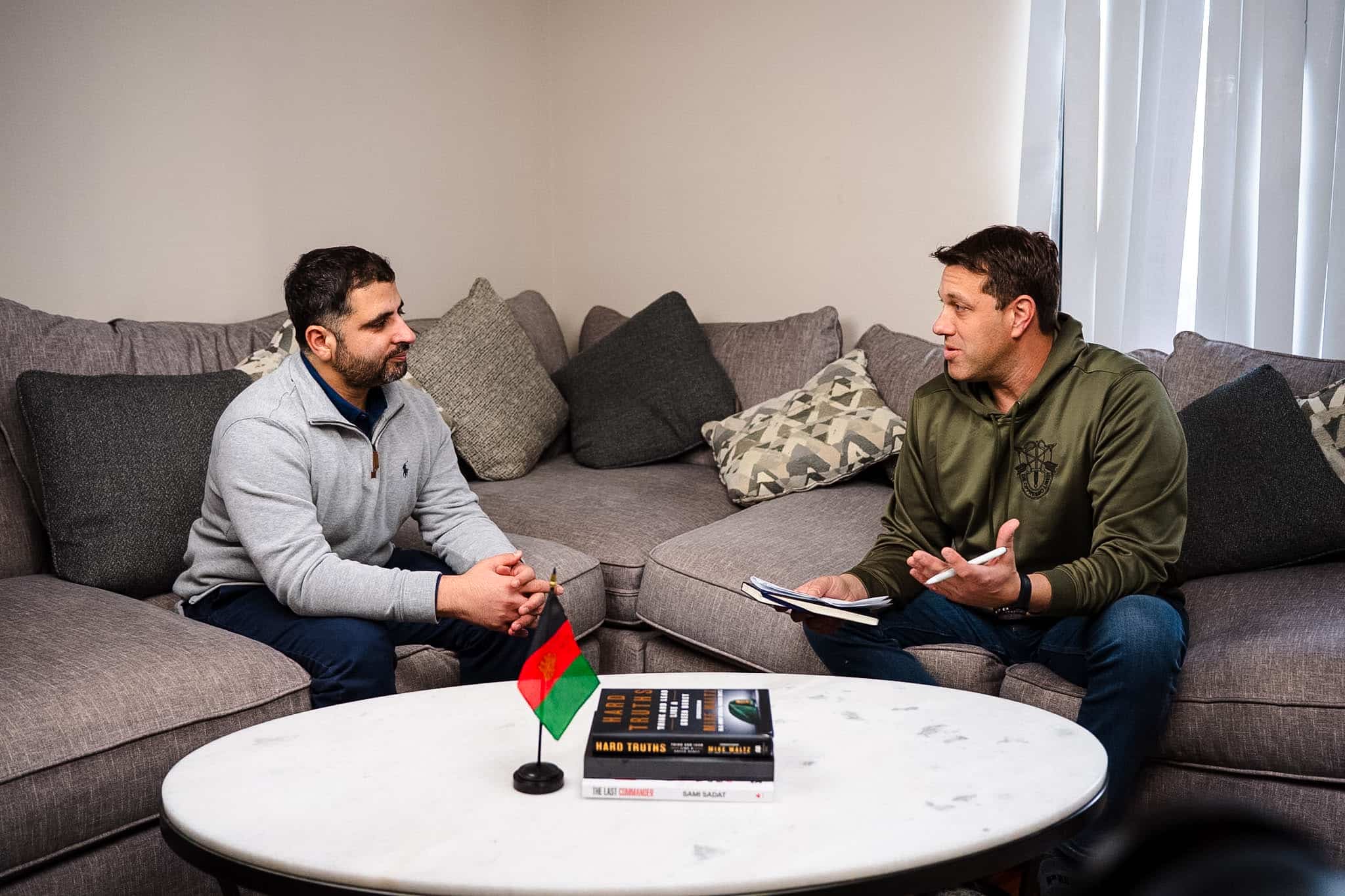
Thank you, brother. Thanks for having me.
Thanks for welcoming us to your home.
Absolutely. My pleasure and honor.
It’s been almost five years since the fall of Afghanistan and the fall of Kabul and the resurgence of the Taliban in power in Afghanistan and we’ve covered a lot of that story over the last several years, the situation in Afghanistan, the 9/11, the trajectory of the Global War on Terror. My life, it’s changed, America’s position in the world in a lot of ways, it’s changed the American military, but it changed Afghanistan.
A lot of times, as Americans, we tend to be centric to America and to the United States and we forget about the impact that our actions and things that happen in the world and what we do in the world have on other nations and other people. We sit here outside of Washington, DC and we look at your career, your life, where you’ve come.
We talked earlier, your three phases, the pre-9/11, then the American occupation of Afghanistan and now your life as a civilian but in August of 2021, you were the chief of the Afghan army. To you, as you look at Afghanistan now and you see the Taliban now in the last couple of days has said women won’t go to school and they’ve imposed more and more restrictions. You look back at your life and where you are now, I want to start with asking you, what’s it like and how are you?
It’s been tough. I cannot say it’s easy. We, being a soldier or coming from a military family, always tried to put our lives into defending the country, the constitution, the people. Unfortunately, now when we see all these radical actions happening in Afghanistan against Afghans, it’s really difficult to see and accept that.
It’s every moment, every hour, every day business thinking about Afghanistan, thinking about the people. To be honest, for almost five years, it’s been very difficult to balance, to think about yourself, about the country and your family in the meantime all together in the same balanced way. Most of my time is being spent on thinking about the country, about the people and just trying to find ways to put an end to the situation that the Afghan people are under that. That’s how I feel and that’s how I’m busy with right now.
Take me back to August of 2001. What was Afghanistan like?
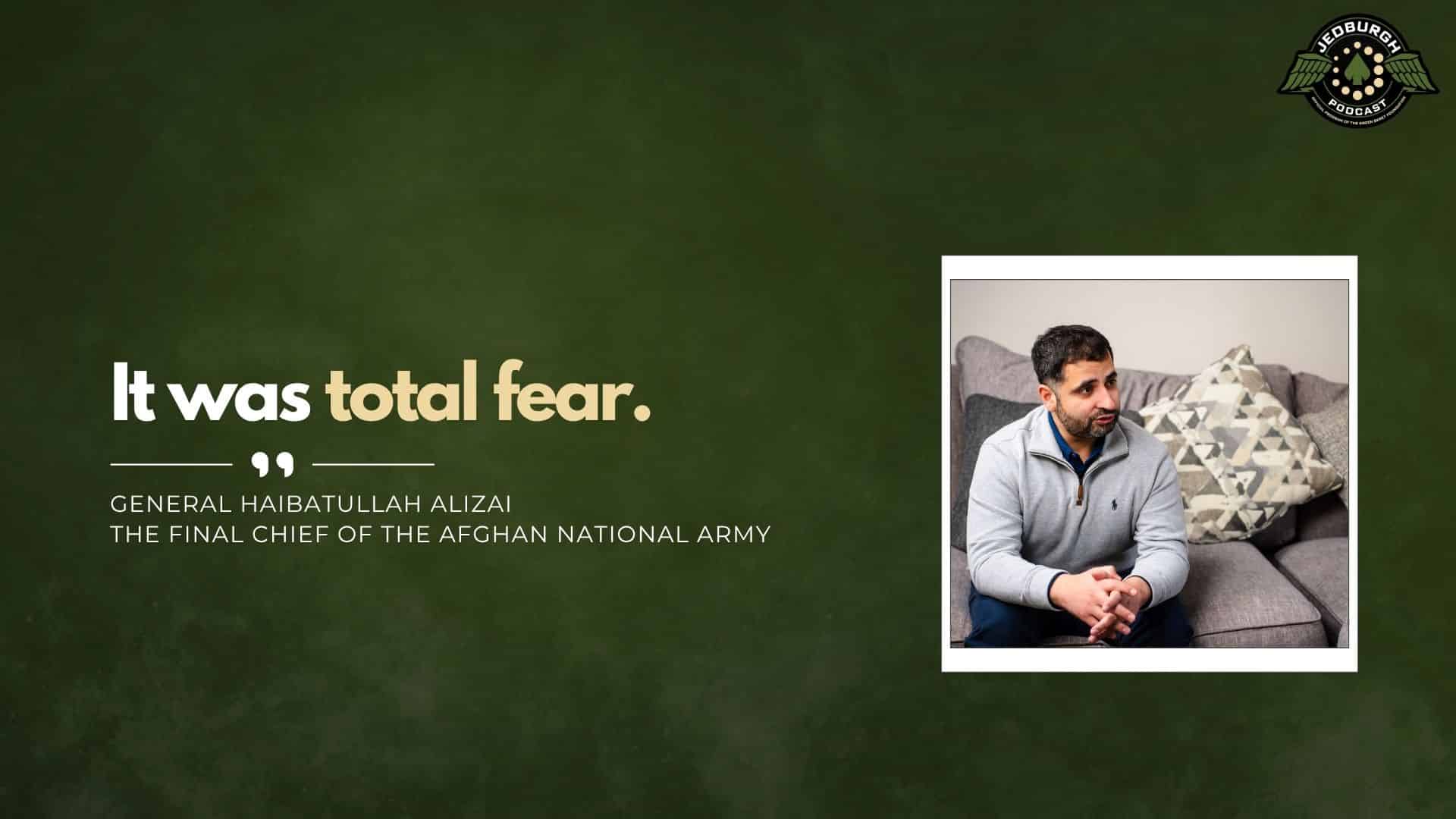
2001 was a different time. We were immigrants in Pakistan at that time in 2001. We escaped from the civil war and the Taliban first regime. Since there were no schools in Afghanistan, it was total fear and I’m coming from a family that I have 5 brothers and 5 sisters. With my stepbrother, we are 6 brothers. A big family and then my sisters would not have the opportunity to go to school even when they were small little ones at that time. My father, who used to be in the military before the civil war, he decided like, “We cannot live here anymore,” because the biggest reason is the school for boys and girls.
We had to move to Pakistan. We were there for almost 5 or 6 years. We were going to school but it was not our country. It was like every day, we would be bothered by our neighbors. At the school, they would not call us on our names. They would call us Muhajir. Muhajir is immigrant, “Immigrant, how are you,” or they would tell us, “Gilam Jam.” Gilam Jam was a famous word at that time. They were referring to Dostum’s militias during the civil war and every Afghan would be seemed as Gilam Jam to Pakistanis.
We were living in Peshawar, they were all our own Pashtuns. Still, they were not accepting us there as some people that are in great danger in their country for school, for some opportunities, for work. There were a lot of, I can say, unhappy moments in the childhood in primary school, middle school and then in 2001, after the September 11th happened, my father moved back to Afghanistan.
I think it was December 2001 when he went back to Afghanistan and we were able to secure our home back and he did some renovation and stuff and then after 3 or 4 months, I think it was May 2002, we came back to Afghanistan. When I left Afghanistan I was in first grade of school. When I came back to Afghanistan, I joined the eighth grade of school in 2001. We took it from there. We were going to school with my brothers and my sisters and I finished the school end of 2004 and joined the police academy.
However, I took the exam which was the most toughest exam in Afghanistan for the military academy at first and then my father was
He told me like, “You’re not going to become an officer.” I said, “Why not?” He says, “You have to go to Canada for some school. You should become an engineer or a doctor.” I was like, “Dad, I’m not going to become a good doctor or engineer at all.” It took a few months, this discussion, and then the academy started.
Without asking permission, I took the exam, passed the exam with good marks and then they found out at the family and they were like, “No, you’re not going to do this.” I missed the first year opportunity and then we moved to Kandahar and then I had to take another exam for the police academy. I just tried to make myself fail in the second exam so I won’t join the army or the ANSF and I will have a reason for that like, “I failed the exam.” I took the exam and I passed it again. Since I was always a topper in school, I always had 30, 40 people under me like my classmates doing their administration stuff and doing like that.
I passed that exam and then again, my dad was like, “No, you’re not going to do this.” One night, he’s coming from his work. He was a tough guy. He’s still a tough guy. He’s a three-star retired general and it was not easy to talk to him and look into his eyes. I entered his room. He was changing his boots, opening the sleeves and I said, “It’s not good.”
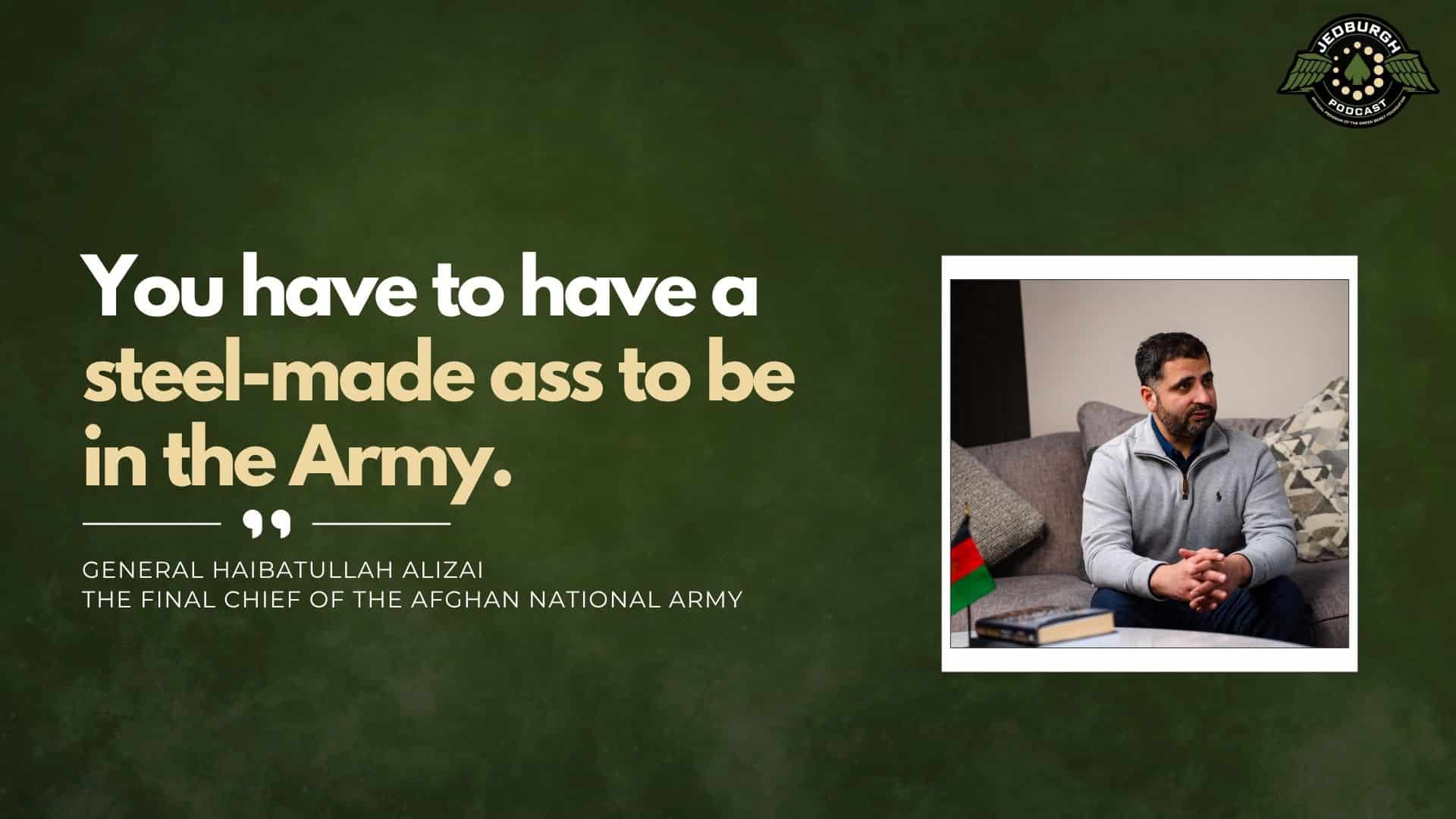
He said, “What’s not good?” My mom is standing and I’m like, “It’s not good that eighteen year old American women are coming and defending our country and a general is not allowing his son to join the armed forces. Who the hell will defend the country? You will retire in 10, 15 years.” He looked at me like this and said, “You have to go, you have to have a steel-made ass to be in the army.” I said, “I do have that.” I got really excited and happy. The same night, I took the bus, 3:30 AM, Ahmad Shah Abdali bus transport and I traveled straight to Kabul. Shaved my hair and got into the police academy.
This is how I started. On the first six months, I topped the class. Again, I became in charge of 40 people in the group. Three years with practical, four years, graduated end of 2008 and then joined the police in west of Afghanistan and Herat. Every year, we had three months of winter holidays and everybody would go to home. I would just go to some part of Afghanistan and do practical work. When I graduated, I was eligible to become first lieutenant and that’s I went to Herat and then to Mazar-i-Sharif in 2009 and all the way to 2010, ‘11 and then to Paktia to the police zone.
It took me a year there. I was working on all these P2KG, remember Paktika, Khost, Ghazni, Wardak, Logar on their police trainings and human rights situations there and operations, stuff like that. I came back to Kabul in 2013 and joined the DPI, Directorate of Police Intelligence. Their job was to watch every single police not to become corrupt politician and like it was a CIA type of police force. I was watching these intelligence guys being internal controller for these couple thousand people.
Mid-2015 and then after that, I got the opportunity to go to UK for staff college, a little bit more than a year and came back mid-2016 and joined the Afghan JSOC in NDS. Switched from police into the National Directorate of Security into the NDS and I became the Deputy Director NDS for the Joint Special Operations Coordination Center at the beginning.
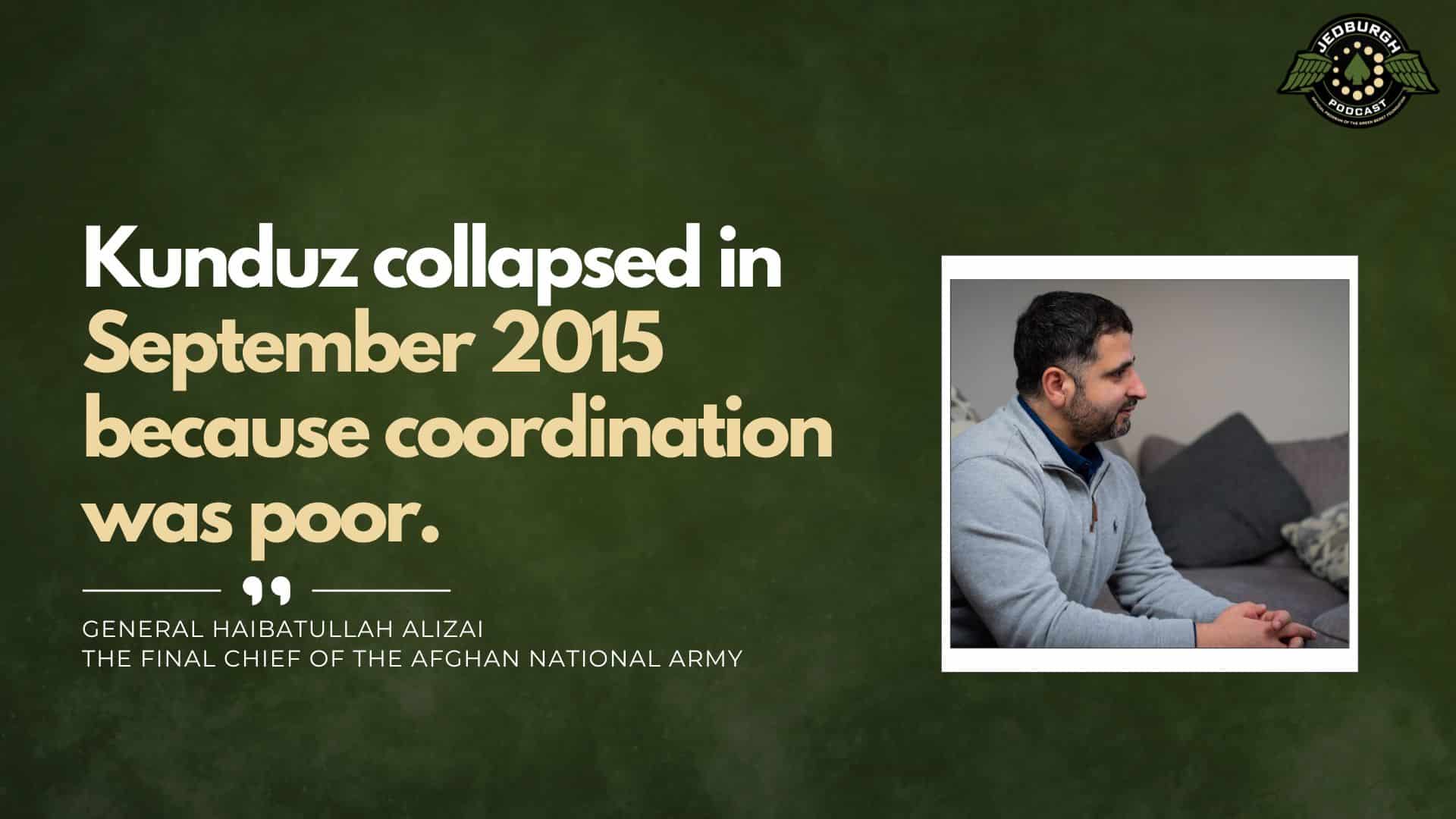
It was just a 5- or 6-months old organization. The aim was to bring coordination between Afghan SOF and NATO SOF forces plus the CT and the organized crime departments of Afghan government plus NATO and some embassies like US embassy. The reason was when Kunduz collapsed in September 2015, the coordination was poor.
We had the opportunity to be prepped for any crisis in the future so that’s why the JSOC was established in 2016. I joined that and we did a lot of stuff there and moved up. I was there for 3 years and then me being highly engaged with all 3 ministries like Ministry of Interior with National Directorate of Security or NDS and the Ministry of Defense.
We got into situations that we would deploy task forces to parts of Afghanistan and then we had five lines of efforts focusing on the enemy leadership, their networks, their infrastructure, their supply routes and finally crisis response. That enabled us to be more tactically and operationally get involved with the local forces. Police and the local and regional corps and NDS provincial departments.
That influence gave me the strength into the team, we were core team there back in the days. We got to understand the real problem in Afghanistan like why we are taking a lot of casualties and why the recruitment has become a problem. What the issues are with the trainings and a lot of those stuff. We started to dig into every single problem from our perspective since we were working with rangers and ATF’s and different other special forces teams and that culture also influenced us.
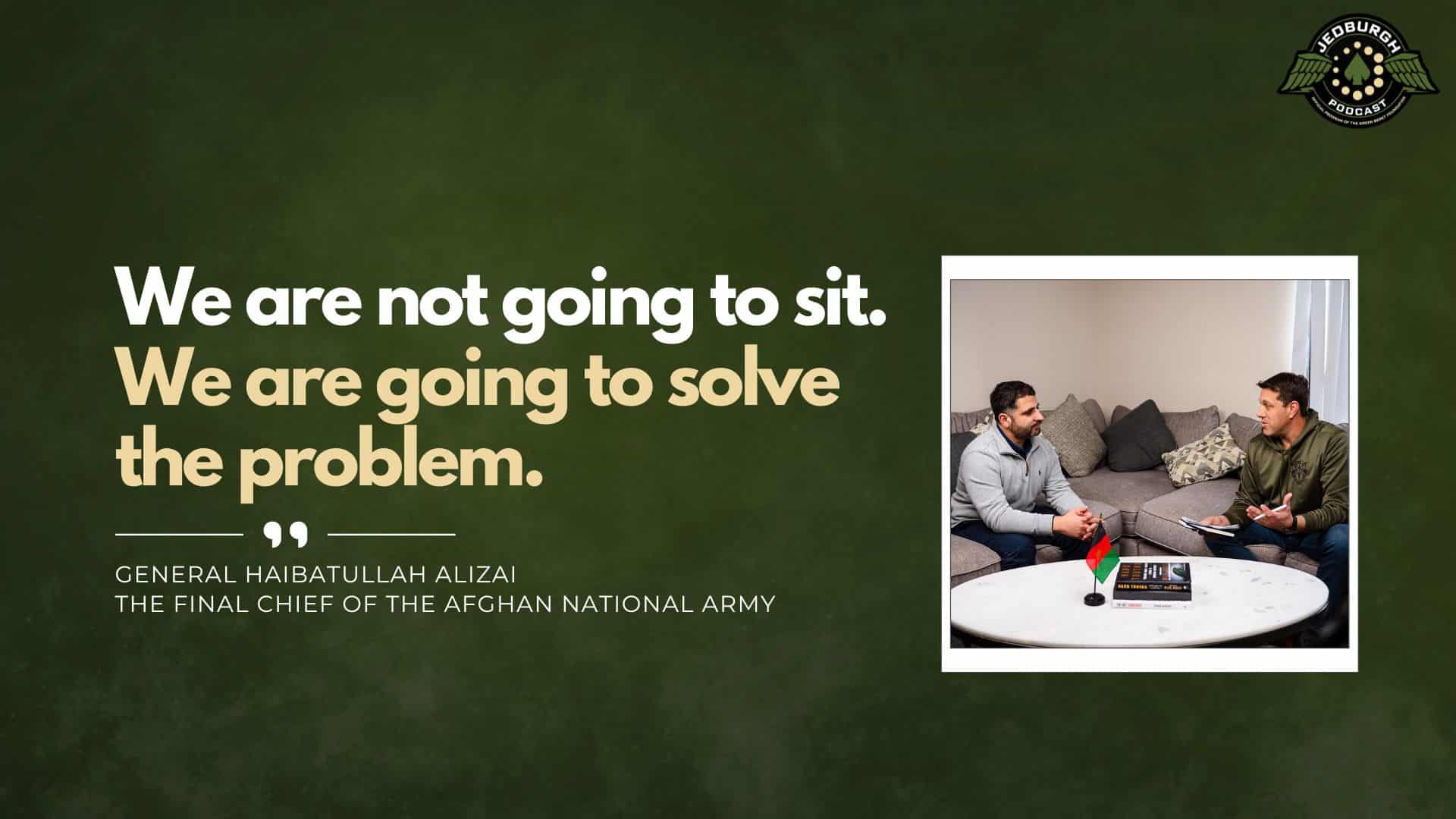
We learned things like, “We’re not going to sit. We’re going to solve the problem or bring the problem up unless we are not stopped fully.” We just tried to bypass and skip all those bureaucratic steps that were pausing us or keeping us back from moving. In 2019, based on all those 3, 4 years of work in JSOC and a lot of targeting, analysis and collection, I was appointed as the GSG3 of the army.
At the Ministry of Defense, 2019 elections, the Taliban al-Fath operation, they used to announce annual operations and then every year, we would have a fighting season started with the spring and ended up with the autumn. This year, it was the al-Fath and Taliban part they will take over Afghanistan in 2019. It was the first time we drafted Afghan campaign plan after nineteen years. That worked. Taliban could not take any provinces.
We were able to secure the Afghan elections, presidential elections independently for the first time and then we took over 12 districts from Taliban after 24 were already collapsed many years ago, so they didn’t have any achievements. I moved to the North as corps commander in 209th corps in Mazar-i-Sharif when people were expecting Taliban to pray on Friday in Mazar-i-Sharif Blue Mosque. That’s how I went there and immediately started offensive operations all over Balkh province in the north.
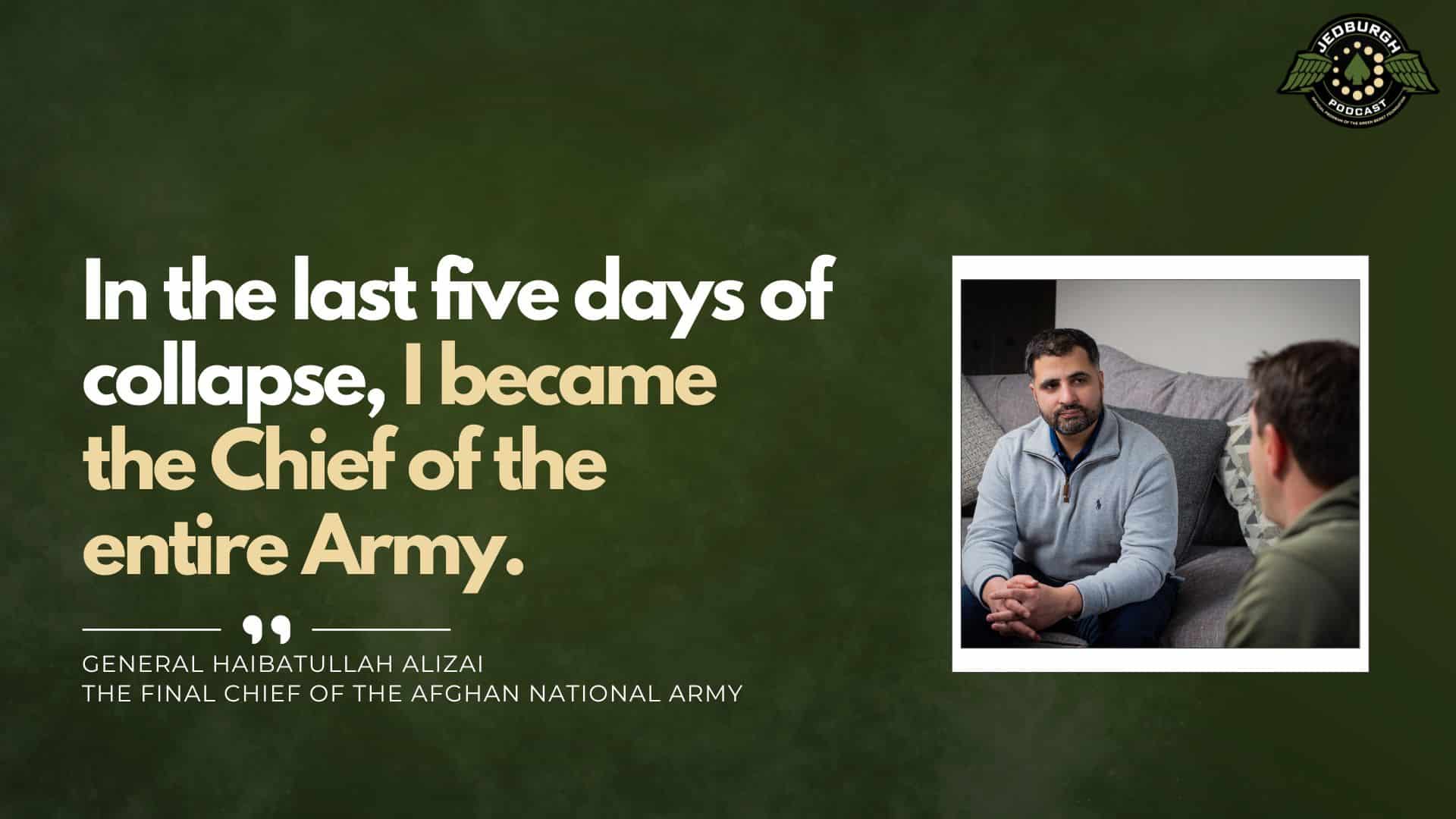
Wali Khan used to be the AOB north commander. He’s still active. It was a nickname for him, Wali Khan and then Zumray replaced him. Yeah, we did some cool stuff there too and came back to Kabul in 2021 and I just became the ANASOC commander, Afghan National Army Special Operations Command. We launched the surge all over the country and there is a lot we can talk through. On the last five days of the collapse, I became the Chief of Army for entire Air Force, Ground Forces, military. I think it was too late. If we had a little bit time, like a month or two, it would be a different situation.
I came here to US September 2021. I left Afghanistan on August 25th and since then, I have been residing in DC area, Maryland, Virginia. I’ve changed places few times now. I work. I live with my brother. He is working too for a company and besides, I work for survival and for the family. I do a little bit of politics and I’m fully engaging with my soldiers and officers that are left behind, especially that are in Afghanistan and checking on them and talking to them. That’s how I’m doing day-to-day business here in the US.
You saw an evolution of Afghanistan from 9/11 through 2021. You spoke about all of the schools you went to and the growth that you went through in your career. The United States spent twenty years there in varying degrees. Large force, small force, large force and continuously evolved our policy within Afghanistan. In your opinion and from being in the roles that you held, what do you think America’s goal was in Afghanistan?
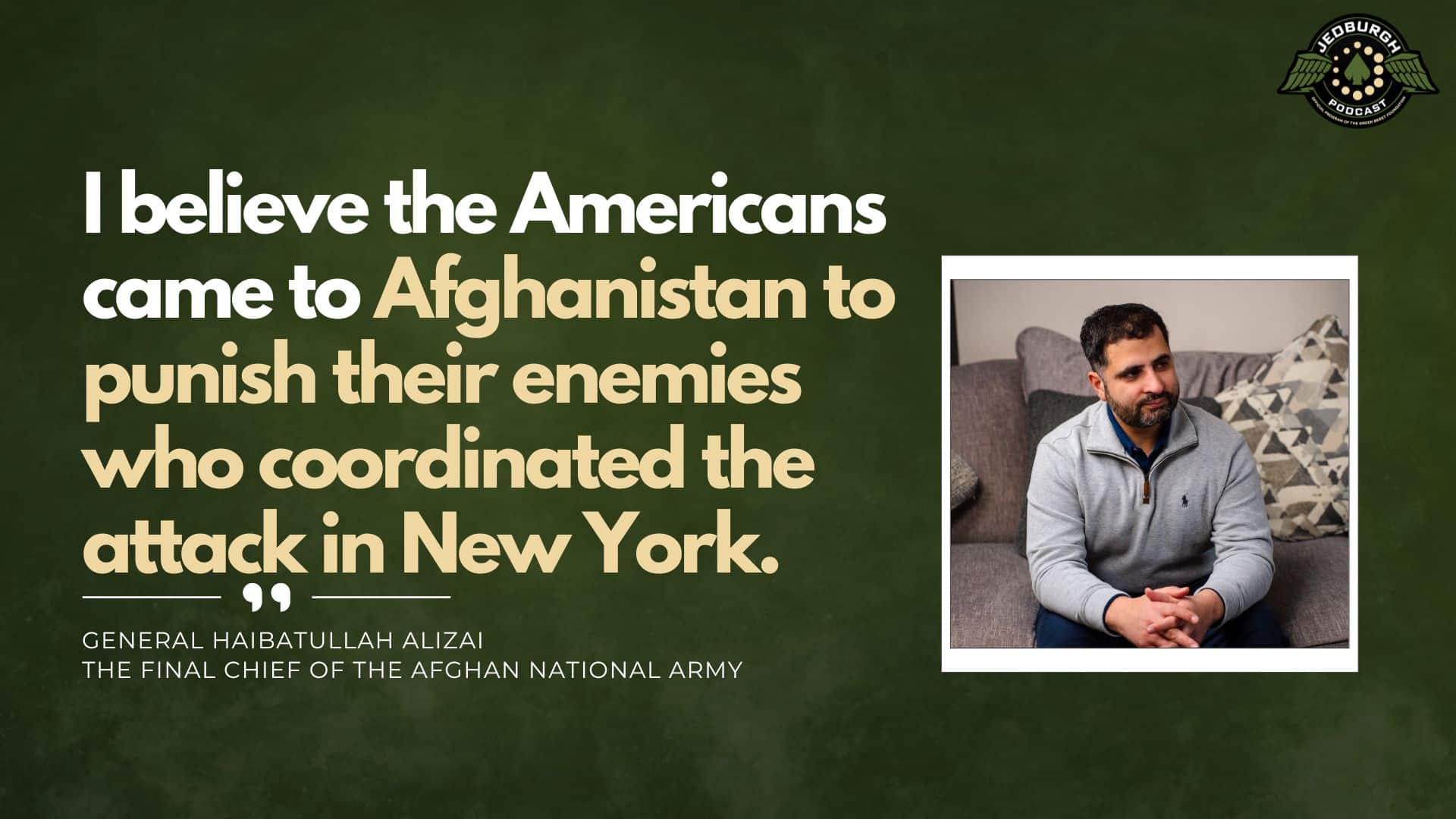
I believe initially, the Americans came to Afghanistan to punish their enemies who attacked or coordinated the attack in New York 9/11. I guess to make that mission successful, I believe they were not supposed to or they were not thinking about staying in Afghanistan for twenty years. They thought it would be just sneak in, eliminate and come back operation, but then it took longer than they could expect.
For a few reasons. One was the Iraq war that grabbed the attention from Afghanistan away. The counterterrorism mission started taking longer than we all expected. US was like, “Now, we have to make this successful,” so they stepped into nation building to have the population with them, the people, the education and agriculture and all other parts and elections, democracy and stuff. It really worked well to certain points.
Can you bring democracy to Afghanistan?
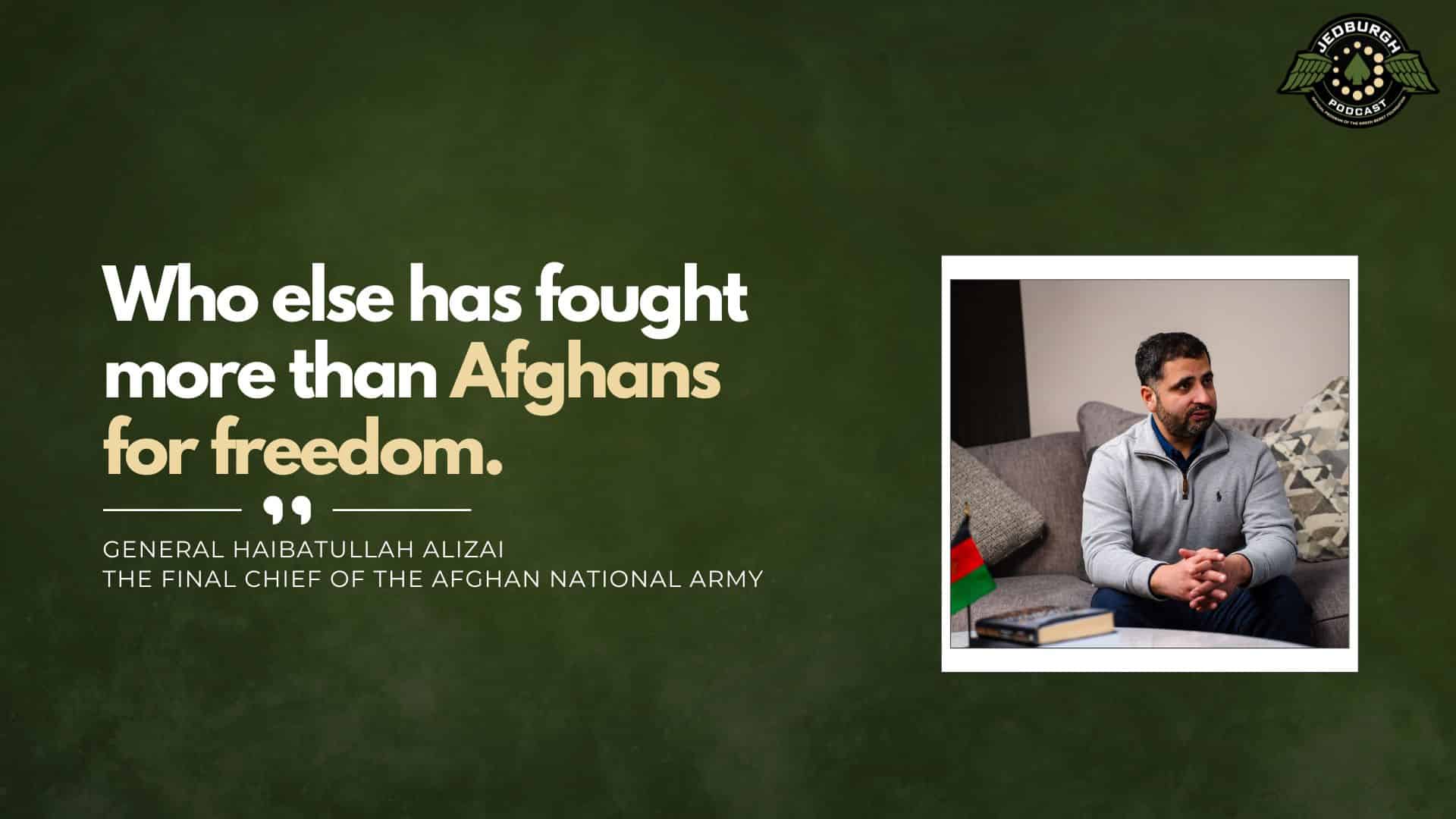
Of course. Afghan people are the same people like other parts of the world when it comes to the freedom. Who else has fought more than Afghans for freedom in the history? It’s been packed 50 years now. We have been fighting for freedom. We fought the Soviets, we fought the terrorists for twenty years. It was for freedom. Freedom of speech, freedom of movement, freedom of education, freedom of work.
I believe the Afghan people are thirsty for democracy. There could be some differences based on the cultures, based on the different parts of the world. That’s too East, this is too West here. It could not be a total photocopy but yeah, there is a definition for democracy in Afghanistan and Afghan people want democracy and they’ve been fighting for that like without even questioning that.
When 9/11 happened and Afghanistan became in the bullseye of United States, what was the sentiment of the Afghan people? How did they feel?
I was very young at that time. I can tell you about my own family and Afghan families are big families. We have uncles, aunts, we all
I would hear like it’s a very honest thing that even in 1997, 1998, I was very young at that time, like sixth or fifth grade of school, I remember when they were talking, they would be like, “We wish the Americans would turn their eye on Afghanistan, open eye, and we wish that they will get involved with Afghanistan.”
When 9/11 happened, it was evening in Peshawar. Getting dark, close to dark. I switched the TV. Normally we would come from work and school, I was working too beside the school. I was 17 or 18 years old and then I saw that it had a PTV. There was a television called PTV and then a couple hours a day, they would bring the feed from BBC and CNN. I see CNN and they are airing a picture, some smoke coming up from the building. At that time, I could speak English so I was taking English course and classes. I shouted on my dad, I said, “Dad, can you come and check this? What the hell is going on?” He’s like, “Yeah, what’s going on?”
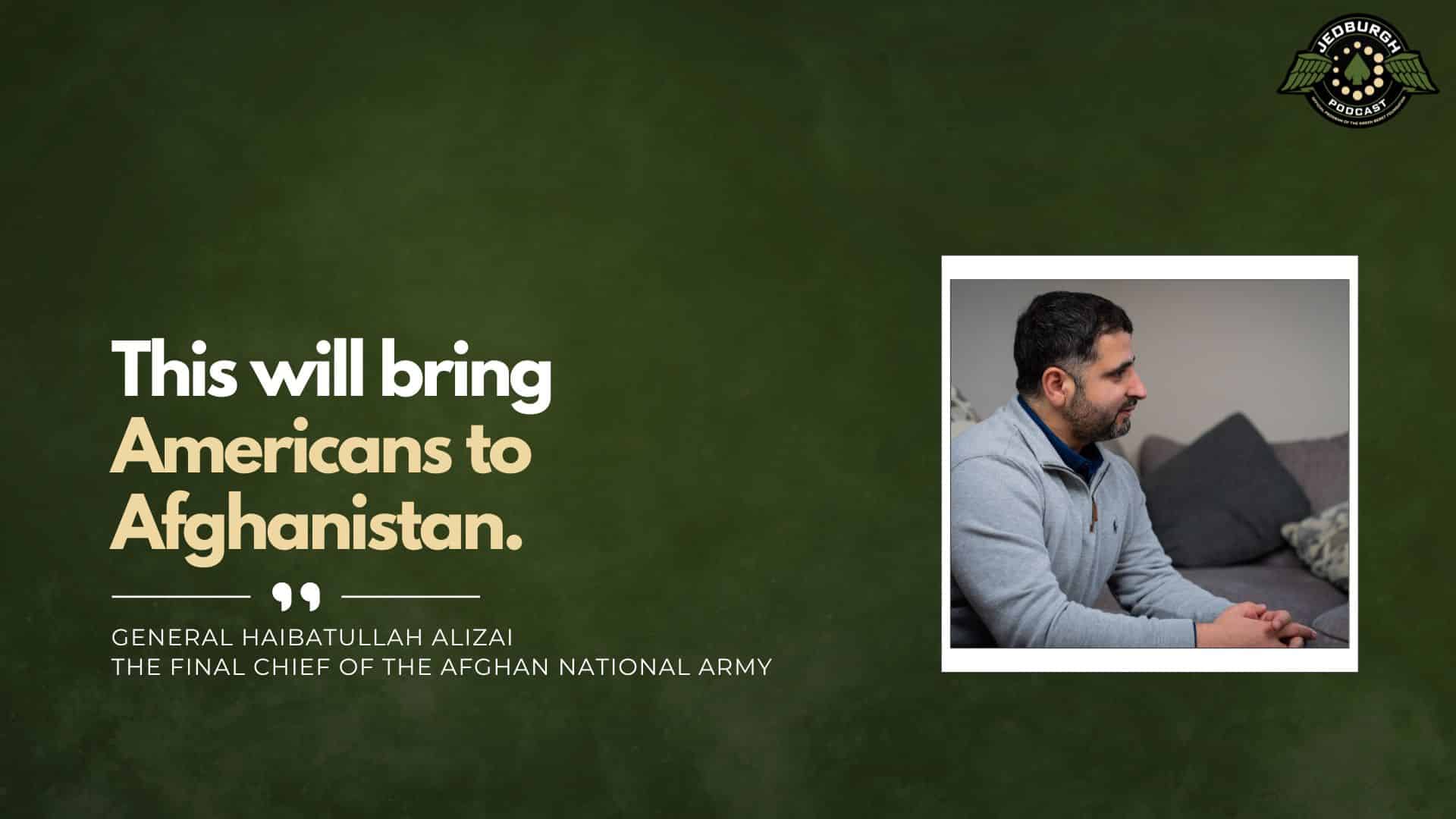
I said, “Some smoke is coming from these buildings.” He read the headlines and says, “Americans are attacked.” Immediately, in first couple of minutes, he said, “Americans are coming to Afghanistan. This will bring Americans to Afghanistan.” They were saying it’s a terrorist attack, they were mentioning Al-Qaeda. We all knew that Osama was in Afghanistan and the his association with the Taliban being an umbrella for the terrorists in Afghanistan. That was the thing.
Immediately after the attacks, it became more clear and we all knew that Americans will attack the terrorists and October they started the campaign. With the launch of the campaign, we had some other relatives who came from Afghanistan to our house in Peshawar. We had a lot of guests in those days like for month or two until the whole situation was under control in Afghanistan and they left back. Everybody was excited, to be honest.
I remember in those days, Americans were dropping some food and some clothes and some logistics from air to those remote areas that people could not have access to food and water. Those had some positive effects. I remember people were receiving that positively in most part, especially in my family, and like big family and whoever I knew, they were happy.
They just go and live for a couple of days or a few days with some relatives or the people they know. They would go for their medical checkups and stuff, and then the Kabul people. I started going to school in Kabul, started going to take more computer and English classes and courses and then we had classmates. People were excited. They thought there are dozens and tons of up opportunities for them and the girls were going, our classmates in English class. Yeah, everything was going so much good for a couple of years. Peaceful. We would drive from Kabul all the way to Helmand without being questioned or stopped.
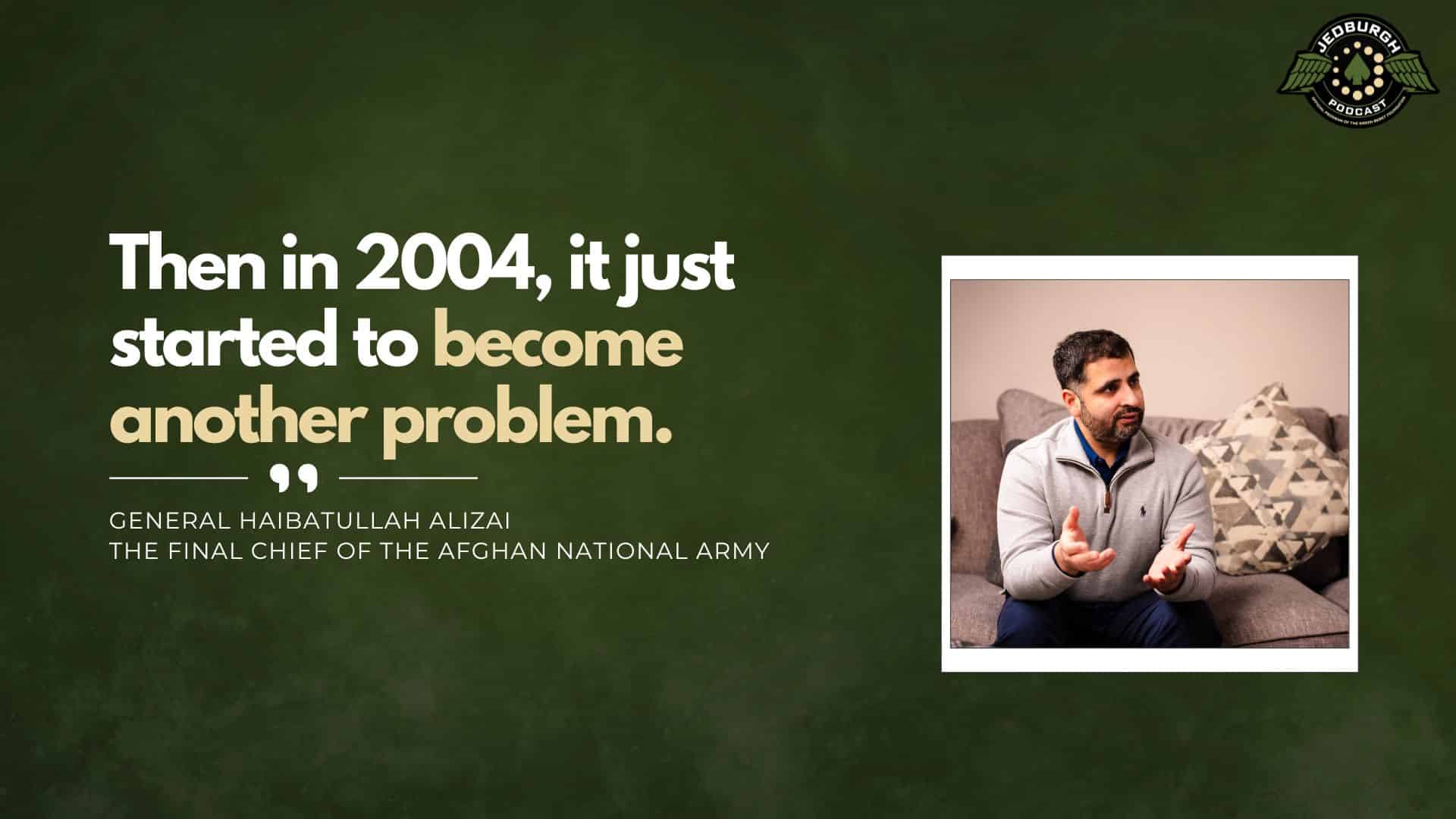
In 2004, it just started to become another problem. It started with some suicide attacks inside Kabul city, Kandahar. These two cities were the main victims of suicide and VBIED attacks. Some movements of Taliban started in Kunar and Eastern Afghanistan, in Zabul province, in Panjwai and Zhari district of Kandahar, Musa Qala of Helmand. I remember that the government was newly formed and the first election was just finished and then we had a new army, the first battalion graduated in 2003, I guess, and there was a Loya Jirga for constitution and they were deployed to secure the Loya Jirga. We only had battalion of Afghan National Army at that time.
Prior to that, there was no armed forces?
No, there was not. Mujahideen, the Northern Alliance and different other groups that were the opposition for Taliban, they existed and once the Americans came to Afghanistan, the interim government during those days, there was no army. They all switched to become local police stuff. That created a lot of problems too but this is what it is, we didn’t have any trained force or army to professionally take care of the country. Everything started from scratch and the KMTC, Kabul Military Training Center, was established in I think it was 2002.
Did the sentiment change over time and the feelings towards the Americans being there change over time within the populace?
Here’s the thing. No one would tell you in front of you in Afghanistan that he doesn’t like you.
That’s almost anywhere in the world.
Based on my family, family members and then the people I was engaging with, like at one point, I was engaging with hundreds of people every day when I reached to higher commands. The level of hatred to Americans were less than the level of hope and the level of support to the Americans. That environment made us, the Afghan government and the American side, to too proud not to be careful with the Taliban propaganda machine which was a small bite of a bigger ocean. That affected us negatively a lot.
The Taliban propaganda. What was their propaganda? What was it saying and who were they trying to influence?
First, part of their propaganda was brutality. They started with chopping heads in 2003 and ‘04 like they would put a checkpoint on Highway One Kandahar-Kabul and they would search for any documents that shows if a person is related to the government. Multiple cases, especially when I was police and we were interrogating cases.
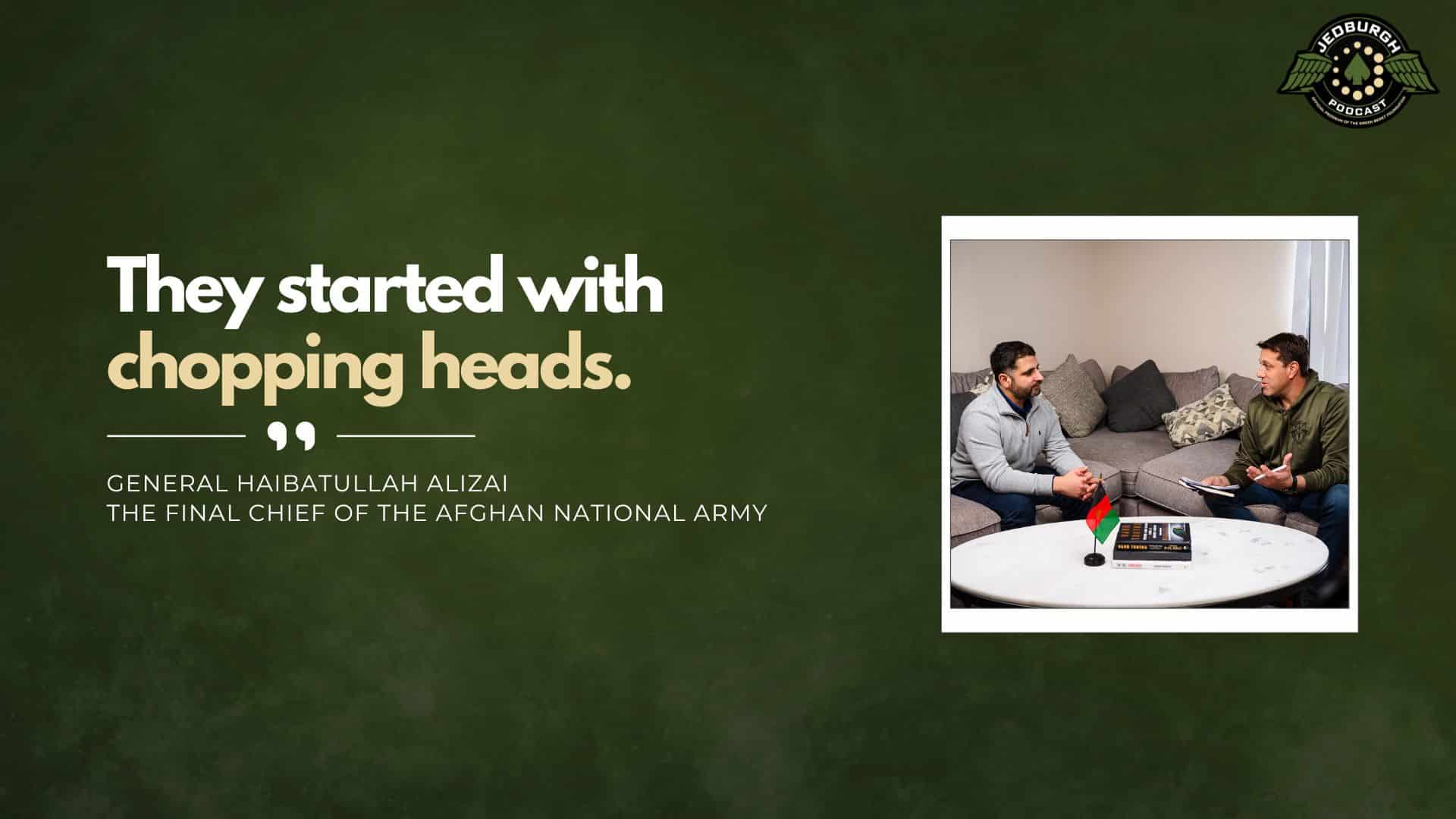
I was an interrogator too for some time and arresting these Taliban elements. They would even just arrest a civilian if they would not find government official and they would put a mark on them saying you are spying for Americans or spying for the Afghan government and they would just chop their heads. That brutality was the start of their propaganda.
The second thing was their business, the poppy business, the narcotics business and it started from Southwest, in my province, Helmand, Kandahar, Uruzgan, Zabul and then they influenced people because, in those remote areas, far away villages, there’s new government after almost ten years of civil war or more than that. There’s lack of schools, lack of access to the media, radios, everything is so limited there. When the campaign against the narcotics starts in Afghanistan and the poppy fields were being destroyed, the Taliban were like, “You see, these are Americans and they are destroying your fields.”
We, as a government at that time, were newborn children, if I can say that. It was a year old new government after ten years of civil war without an army, and then this was the second thing, that helped the Taliban to recruit more people in their side. The mistake of our government plus the overall NATO and American approach was that we could not offer something that could replace the poppy fields into some income stream to the farmers in those provinces. There’s no other business in those provinces. They have gardens, they grow fruits, they grow vegetables.
The poppy became popular during the first Taliban term so if we would be able to offer something better, it would not be helping Taliban at all. Afghan forces were not being trained enough to go after the specific key Taliban leaders or Al-Qaeda or other terrorist networks, so it was totally American-led or NATO-led operations. That would be misused by the Taliban like, “Do you see these guys they are coming to your villages?” They would not say they are coming after one individual who is a highly demanded terrorist or highly wanted terrorist. They would say they are entering your homes without knocking.
Again, lack of education, lack of access to electricity, lack of access to the media, social media, understanding the whole context of what terrorism is not understanding what that really would affect the life of Afghans. They all were became strength points to the Taliban and weak points to us. In the big cities, and even in villages associated to the cities in districts, there was no opposition for Americans at that time. Twenty years is a long time. If you make it months it will be hundreds of months. If you make it weeks it will be thousands of weeks or days.
Every day, they were moving very slow strategically and they were trying to eat us from inside. Our side, we were trying to ignore that. We were too much into the nation building, democracy and the Afghanistan internal political problems between the warlords and the leaders and the elections and stuff like that grabbed the attention from something very fundamental that should have been considered during the even the interim government.
Using the forces, Afghans made a few mistakes but it was being put onto the media and social media into the brains of people ten times larger scale to make them against us. There would be a problem in the North of Afghanistan that a warlord arrests a person mistakenly or deliberately and puts a name like, “You’re terrorist or you’re Taliban, you’re Al-Qaeda.”
Someone would be arrested in Kandahar or Herat or Nangarhar in east of or Kunar and then that one single problem that we never wanted to talk about because we were doing 1,000 good things so we were like, “Don’t worry about that one thing.” That one thing became a nightmare by days passing, months passing, weeks passing and years passing.
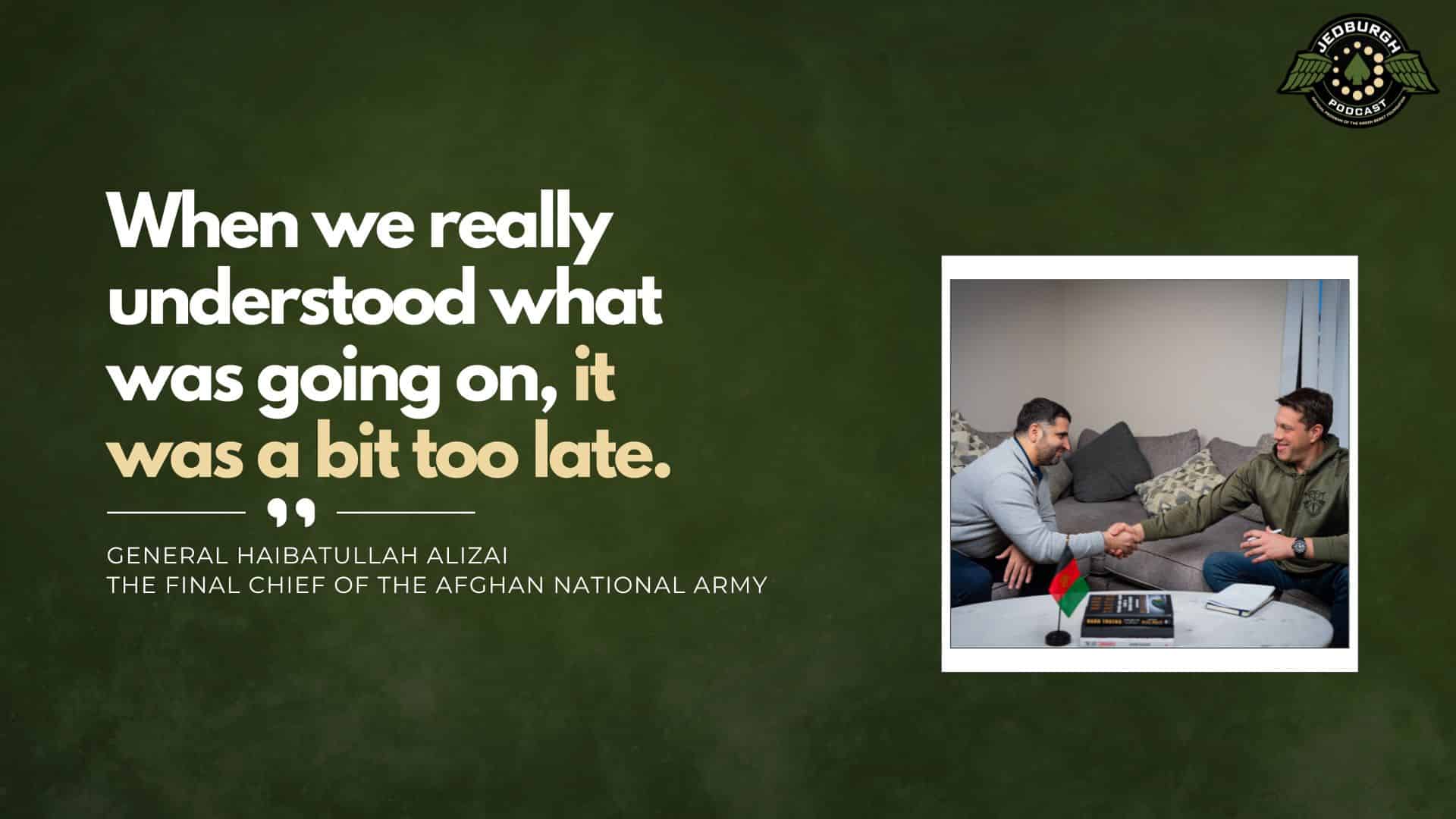
It was a very long-term strategic move for Taliban and that supported their propaganda machine against us. At one point, when we really understood that what really is going on, it was a bit too late for us. We needed to do some crazy things to shift the mindset of people towards our side but we could not have that opportunity.
They waited us out, essentially. When you look at Afghanistan now, what’s the level of support internally for the Taliban?
Here’s the point. Let me put it into a formula. Twenty years. The size of the Afghan armed forces minimum started from 70,000, it grow up all the way to 350,000 people. Every three years, we were doing signing contracts for the soldiers. Some would renew, some would leave. In twenty years, we had 6 to 7 terms of ANSF recruitment in Afghanistan. A normal Afghan family is 5 to 10 people.
If we were able to recruit around 2 million Afghans only to the armed forces, police, intelligence, army, local forces. If they have 5 family members, it would be 10 million people. 2 million times in 5, 10 million people. If it was 10 million people, it was the whole population of Afghanistan that were being fed from the resources that were flowing into Afghanistan to support the counterterrorism mission in Afghanistan.
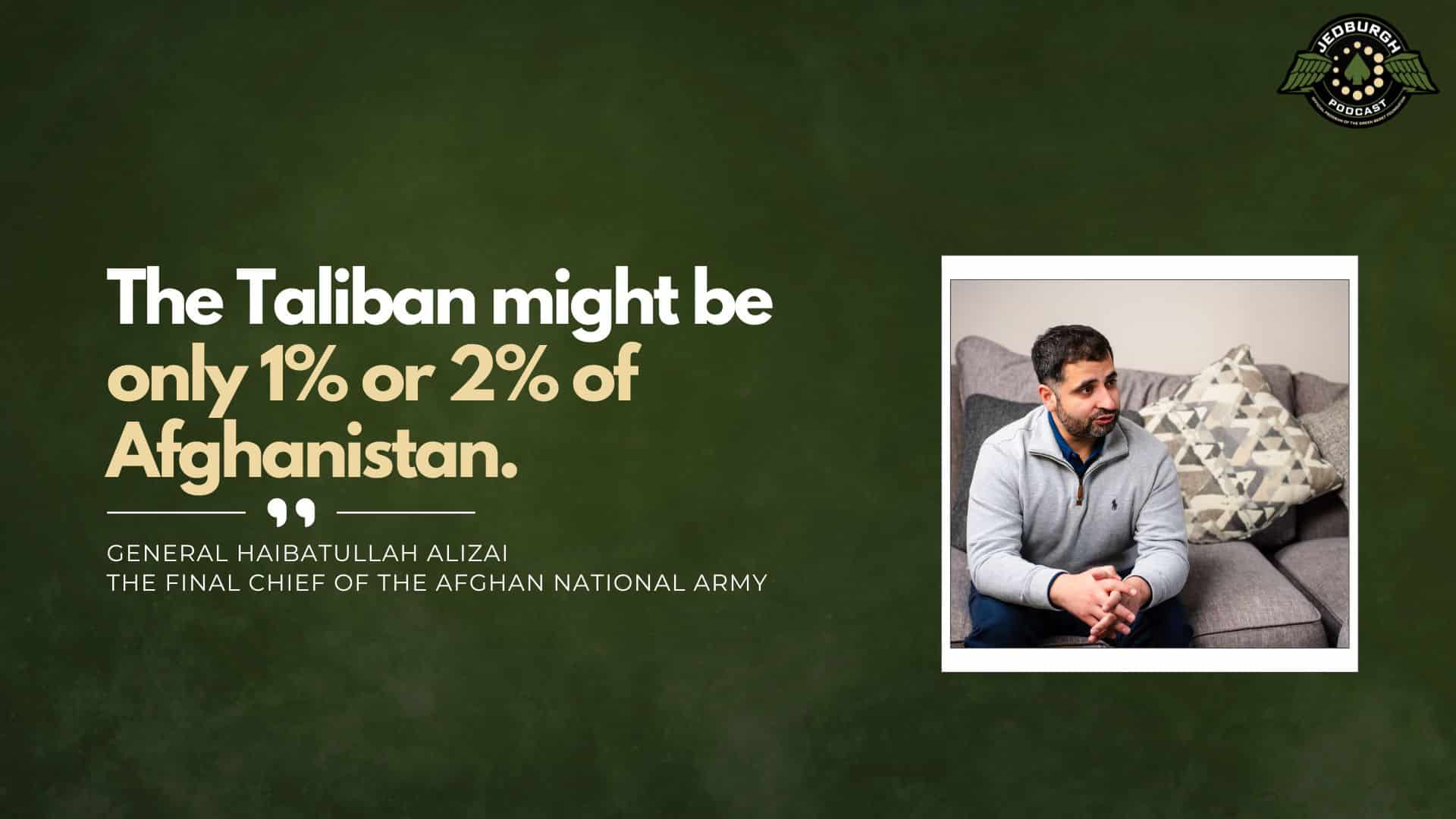
I’m not talking about the whole government which was 1 million employees, civilians, engineers, doctors. Afghans and they all had family members. Taliban might be 1% or 2% of Afghanistan at that point, and still they have not grown up a lot. What helps you grow up if you offer jobs, if you offer good lifestyle for the people, electricity, healthcare, security, honor. None of them are being offered by Taliban nowadays. Right now, people are suffering from healthcare problems. People are suffering with their agriculture situation. People are suffering with education.
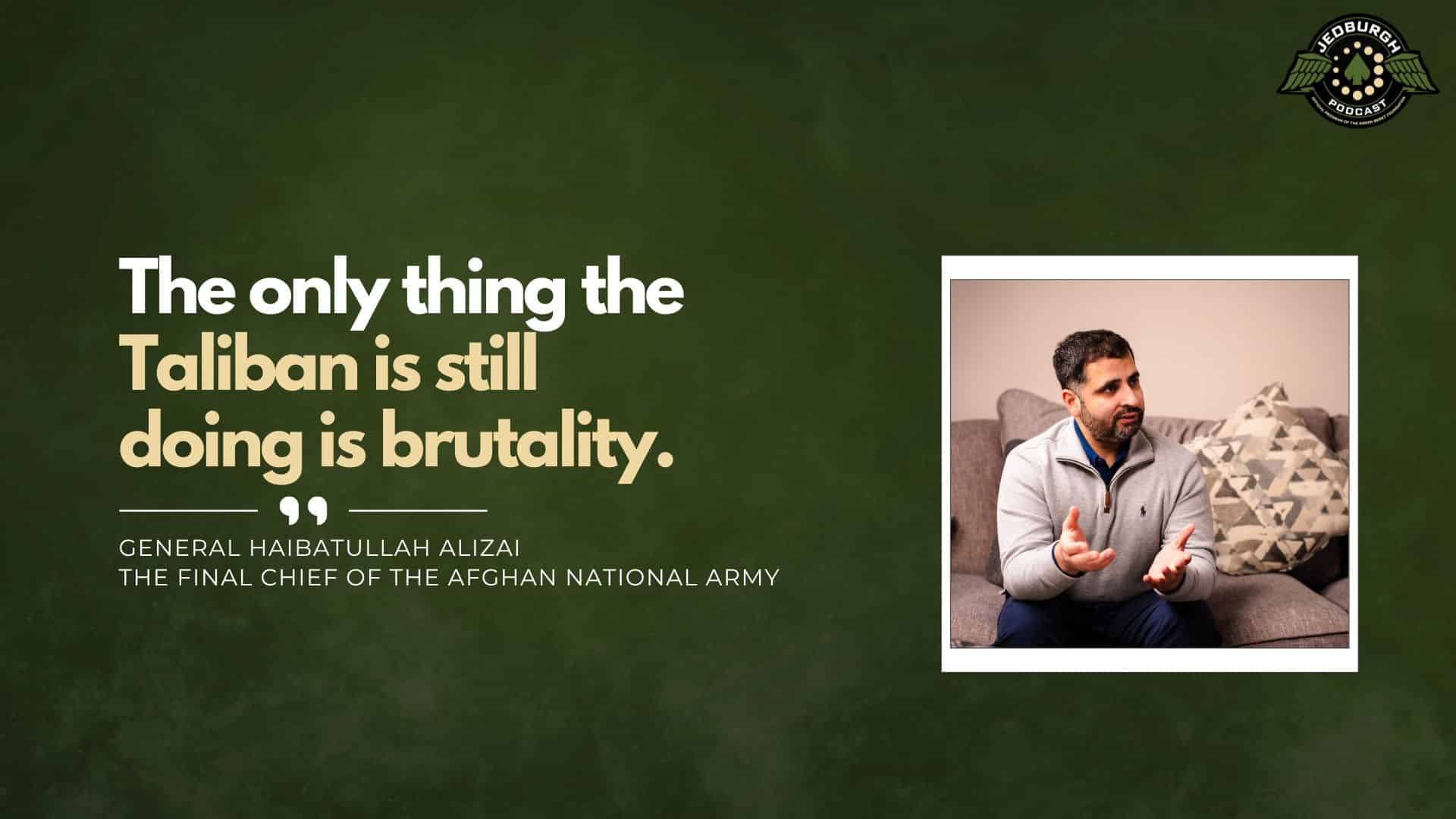
There’s no work opportunity, economy is declining every single day, people have become more poor. All their savings that they made in twenty years, not only in the cities but also in remote areas too and far away districts, they have spent all their resources. It has not helped Taliban a lot. The only thing they are still doing is brutality. They’re just the same like Iranian current regime, just telling people without a reason or punishing people or torturing people without a reason.
Did we leave it better than we found it?
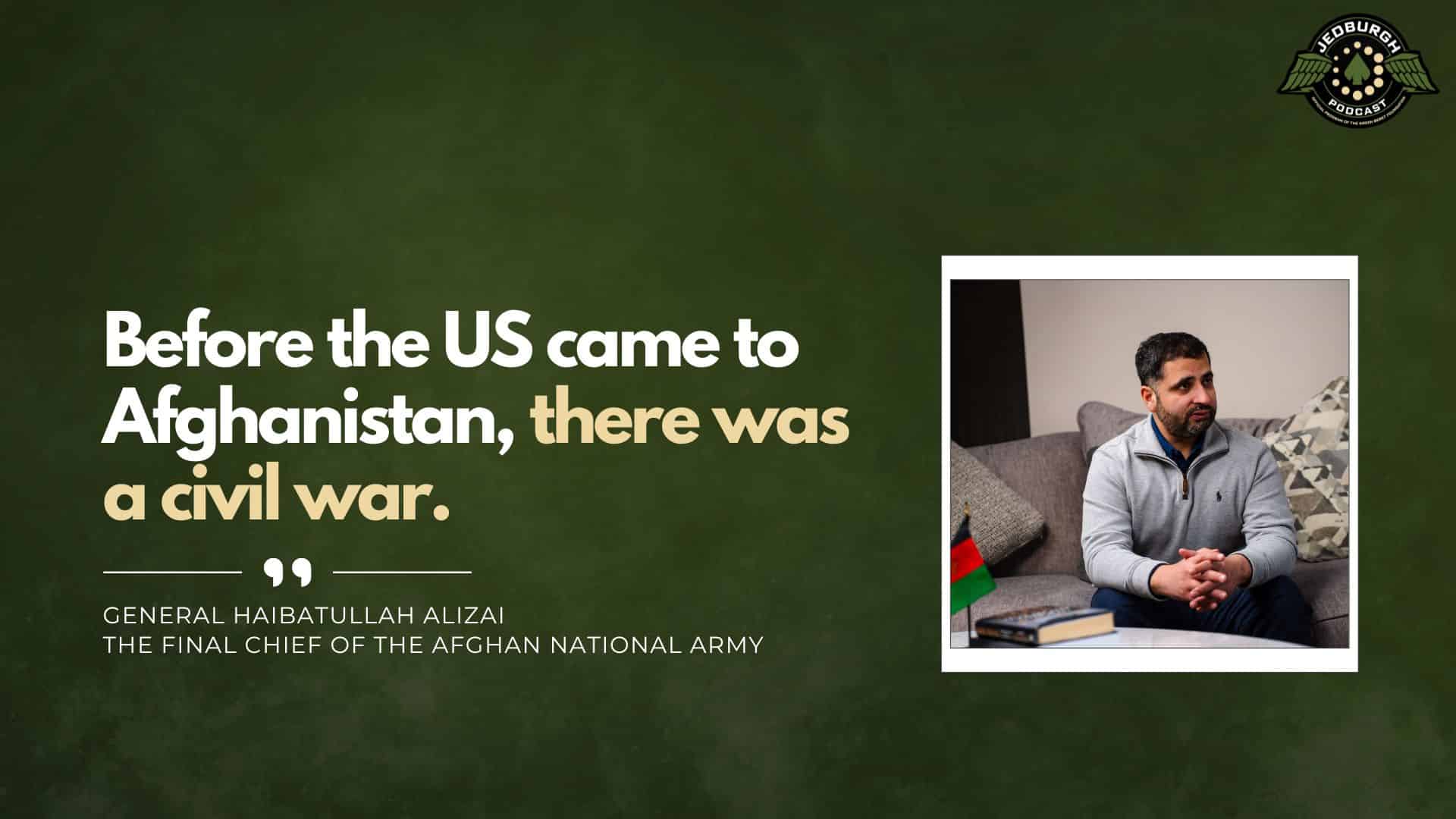
Yes. Why? Before the US came to Afghanistan, there was ten years of civil war. There was no economy. In twenty years, we were able to establish a banking system in Afghanistan. That’s the fundamental part of a country, economy. There was no schools, especially for girls. No teachers. Everybody who were living in Iran and Pakistan, in the West even, they came back to Afghanistan post-2001, and they start to become teachers professors and the schools, in the colleges and the universities. Educational wise, we got better.
Security wise, there was malicious. Individualism, warlordism in Afghanistan before that. Even Taliban were Warlords. Post-2001, there was a regular army in Afghanistan. We established a police force that could apply law enforcement into the communities. We had intelligence organizations, we had a attorneys, we had a court system. You may remember when we were going out on nitrates, we would have a package for that. The information would come from the source, and then it would be analyzed, and it would become a targeting package.
After the package is actionable, the whole package would go to the attorney, and to the Supreme Court and we had specific offices, they would authorize the operation. We would never go in enter a house without the permission of the court back in the days. Now, compare that with Taliban. They are bringing people to the sports stadium and they are stoning them. They are hanging again, right now. They have stoned dozens of people. Who the hell has given them the authority?
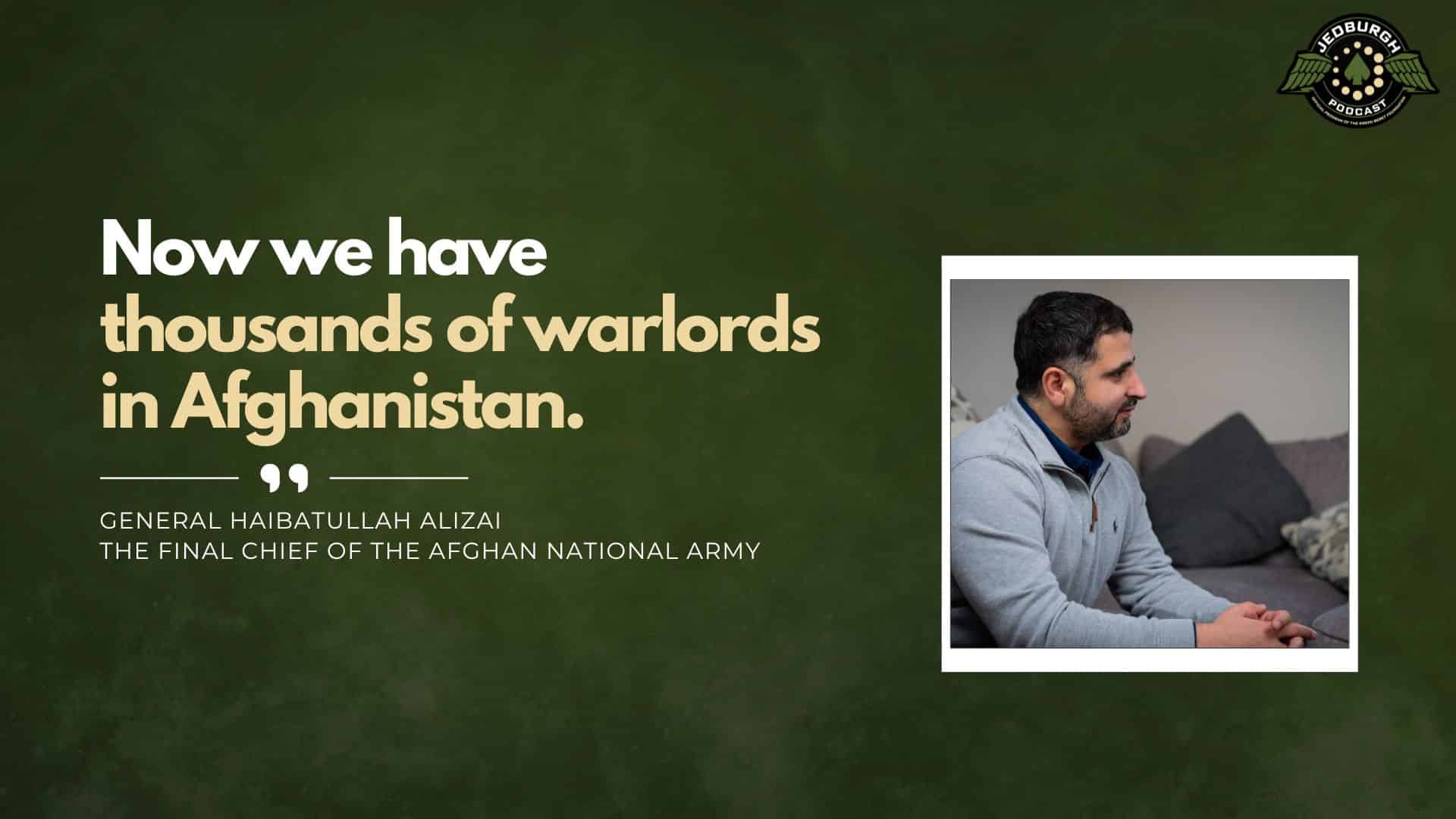
Every soldier of Taliban, he is a police, he is a judge, he is an intelligence. He has some miracles that allows him to understand that this person is a criminal, that person is not a criminal. Even jihadi time, we had warlords, 5, 10 people. Now we have thousands of warlords in Afghanistan. Every Taliban. Soldier and commander has become a warlord. They have the authority to take the decision to arrest a man, a woman, a child. Put them in prison. Stone them. Hang them. Torture them. First time they did this, now they’re doing it.
We were not allowing this. Initially in the first days, we made some mistakes but every day, we were maintaining it like you build a house and it needs maintenance. There are some leakages, there’s some electricity problems, it needs a bulb. You do that all the time. Nothing is perfect in this world, but we were learning and we were reforming. Now, what’s happening and before us what was happening? There was democracy. We had a president elected. We had a parliament that represented the Afghan local population. We had members of parliament. We had senators. Now, who is representing the people?
What are you say to the American Soldier? These conversations are out there. On the show, there are a lot of folks who served in Afghanistan who have had to ask themselves the question of was it worth it? What did we gain? What did America get from being there for twenty years when Afghanistan today looks very similar to the way it did prior to 9/11? What do you say to that American Soldier? Many of whom you know and still see and communicate with and live here amongst? What do you say to them when that thought comes into their mind?
If I say it in one word, yes, but I want to act at some points into that and then where my experience was the first American soldier. It doesn’t matter if he was, DOD, intelligence, whatever. He was a soldier who got killed by Al Qaeda and Afghanistan, first American. I remember the last America who got killed, and his name was Mike. He will seventh group. We were together on an operation in 2019 December.
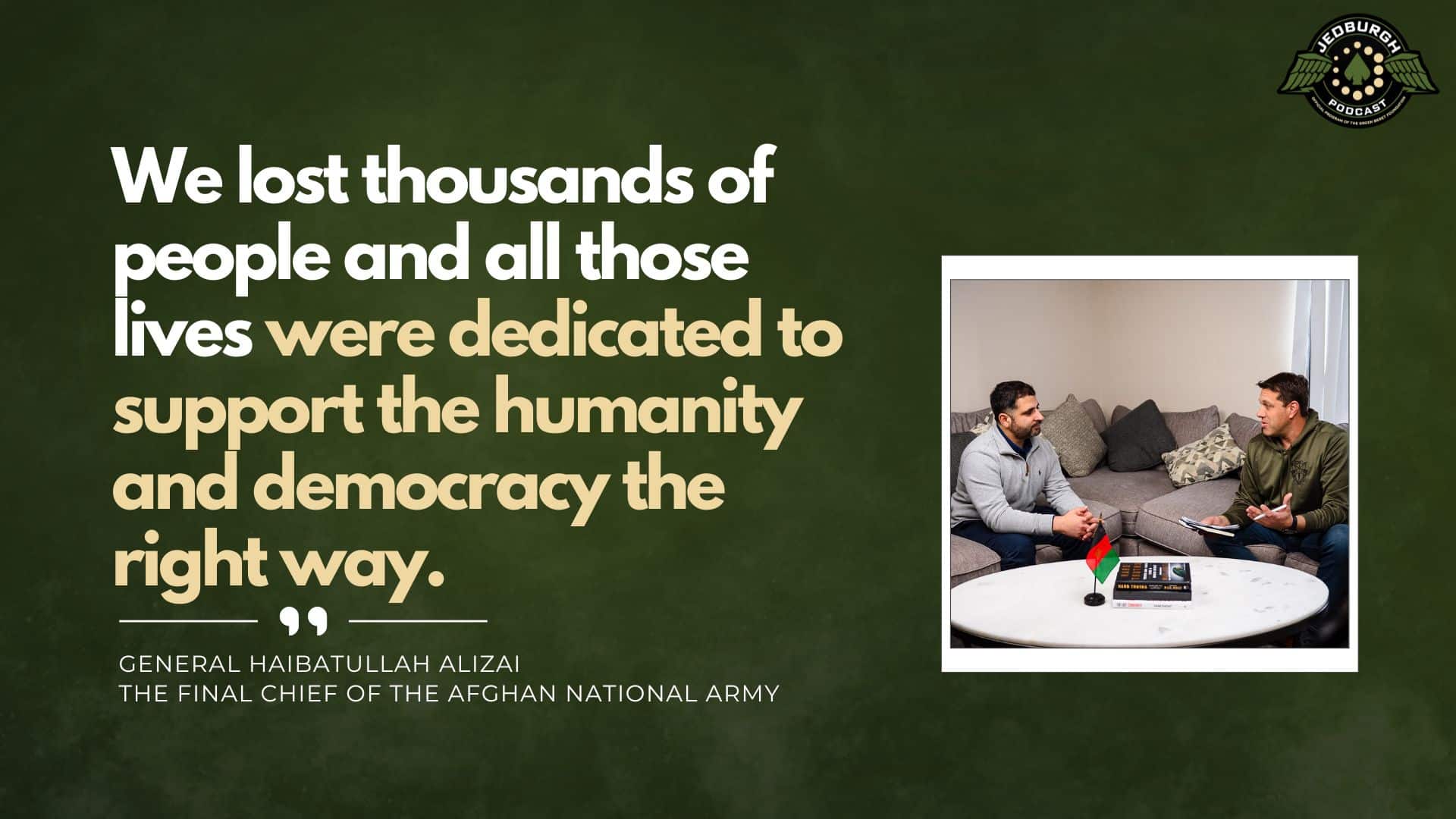
A week later, this was one of the last side by side partner operations between Afghans and Americans, he was struck with roadside anti-personnel mine and he lost his life. I went to Section 60 in Arlington Cemetery and I checked on his grave. The point is between these two people. We lost thousands of people and all those lives were dedicated to support the humanity, support the democracy the right way. We were always standing in the right side.
We did what we were supposed to do together. Afghans, we lost around 100,000 soldiers in the global war on terrorism, and around the 100,000 more wounded, some has lost their parts of bodies like hands, eyes, legs. The same to the American side and some NATO. The point is I would ask this question from both politicians, Afghans and Americans, what they think about this because we are representing democracy and we were fighting for democracy.
What do they think about all these casualties? Was that for something? If that was for something, why are we here now? Have we left something undone unfinished or this is the end? How will we perform as soldiers in the future to the values? How will we be able to define these two other partners and allies. Soldiers did their job. You did your job, I did my job. We knew exactly who the enemy is and what should we do with them.
We brought the democracy, we fought for the democracy, education, schools, again, elections, financial system, armed forces, Afghan passports, everywhere. Now we have nothing. I have a passport, it’s like a notebook. I cannot fly with that anywhere. I cannot get a Visa with that anywhere. We did a lot, we achieved a lot. It’s like, you build a house. It’s a term from one of my really good friends, Peterson. I’m going to use this.
He always says like, “Afghanistan was like a house. You spent $1 million on building that, and then you give up on maintaining that.” A few bucks a week or a couple of hundred bucks a month. It needs a bulb, it needs some small maintenance, and we just left it. We did not leave it. The politicians decided to leave that. I think it’s not a smart move. If you spend that amount of money or something like an investment, you should keep it. Afghanistan is a rich country. We have trillions of dollars of rare earth minerals that right now our adversaries are looking to loot without the permission of Afghan people.
There are Chinese and Russians companies there that are trying to take off the lithium. The gold is being looted right now at this moment in Northeast of Afghanistan by the Chinese. Why we spend billions of dollars that we could not keep? We should find a way to finish the unfinished business. I think leaving it just like that to the people that never ever lost a single man in the war against the tourism, which is the enemy of humanity, we were defending the entire world. From terrorists for twenty years.
Give me one example and you ask in twenty years that we were fighting the terrorists. Something went wrong based on the tourist background. Nothing. As soon as we left, al-Zawahiri shows up in green zone of Kabul. Could he come there? You are a soft guy. I am a soft guy. They could never come. They couldn’t never even come to close to the borders.
Now, from there, From Afghanistan, from parts of Pakistan and from that region, they’re deterring here. Right now, we saw some of those indications and last couple years here in this country, it will raise more and more. We did our job, but some stuff has to be done and it totally worth it to not to leave the mission in the middle. Aborting the mission will not help us.
Can Afghanistan be reclaimed from the Taliban today?
Ten times easier than 2001. It’s a different world now. There was no social media at that time. If something would happen in Eastern Afghanistan in 1996 or 1997, people would not find out and in West of Afghanistan. Now, it’s the matter of seconds and minutes. Everybody knows how the Taliban are treating the Afghan people the Afghan economy.
They have destroyed the Afghan history and honor both look. What better has Taliban then to Afghan people in the last five years that the Isis didn’t do in Syria and Iraq? Beating women. Go check the Afghan history. No one used to hit somebody else’s wife, daughter in front of his family in our entire history. That’s something that no Afghan likes but what has the Taliban done?
You have seen the videos. I will send you videos. They’ve been beating women on the streets. In 1995 all the way to 2006, they were doing the same thing. People didn’t have access to know their brutal actions. Now, every single life can knows how they are damaging the Afghan honor. We have a rich history. Another thing is, economy. People are just starving right now. This winter, we saw a week of snow in Afghanistan. People lost their lives and that’s because of Taliban.
We touched base on their court system. Warlordism system. Do you think Afghans are going to support those things if Taliban are doing that? They’re just looking for the right people. Afghans are just looking for the right people because some of us in our government became so much corrupt that the Afghan people would not trust anymore. They need the right people to step in and they will be with them. Taliban are ten times vulnerable than 2001.
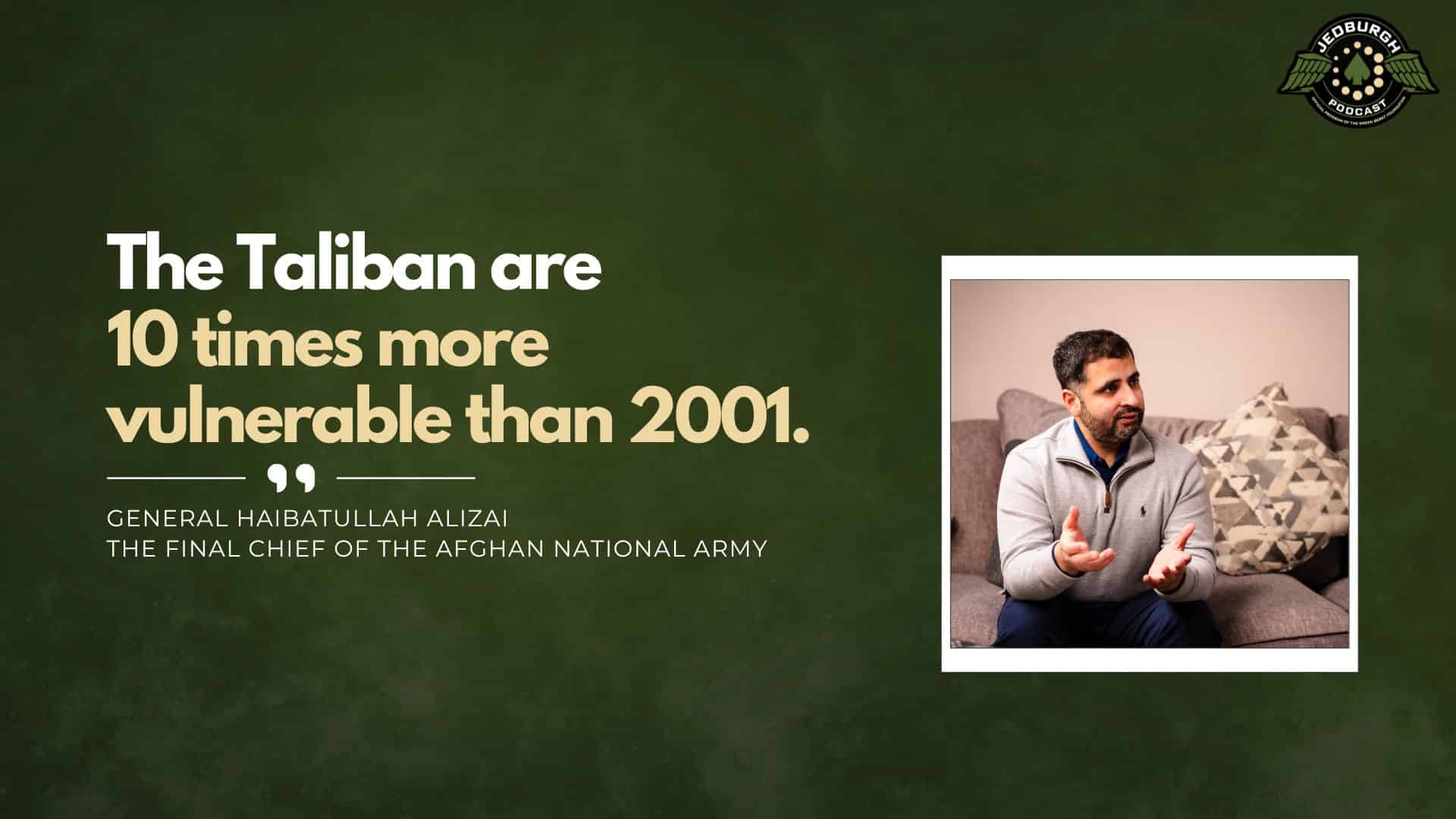
I think Afghan people will blow up on them soon. Anybody who gives a little bit of support to Afghan people, to the right Afghan people, I think it will be achievable to take back Afghanistan from Taliban in lesser time, lesser energy, less casualties and less resources. Ten times vulnerable Taliban are ten times cheaper to be thrown back compared to 2001.
In August of 2021, you sent your family out of the country. You left the country in the evacuation in the final days of the month and you found yourself here in the United States. It’s been four and a half years or so since you’ve seen your family. How hard is that?
It is hard. None of us is made of steel, really. We create our families to live with. Every person has emotions. The point is that on first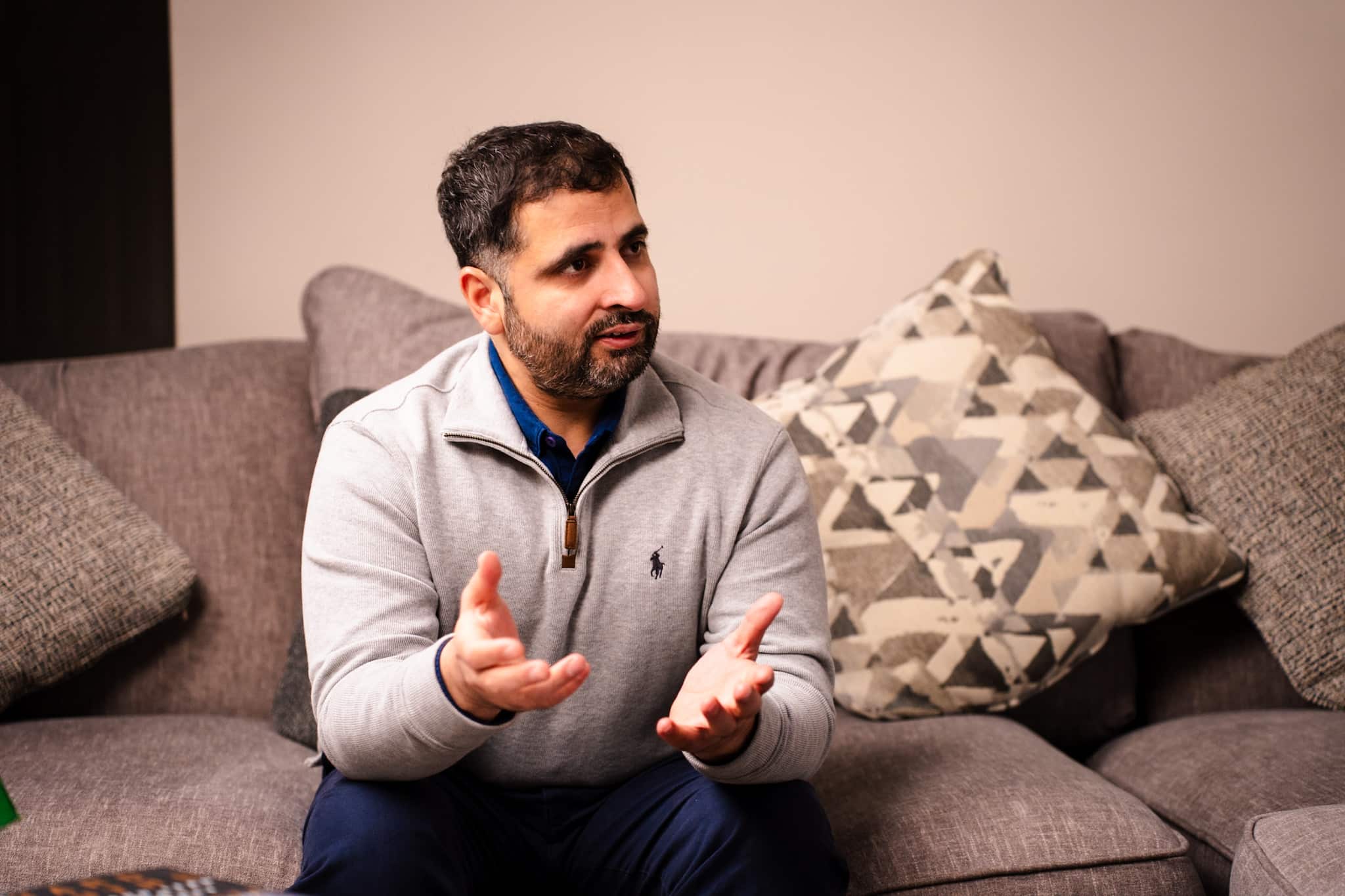
They are financially struggling. Security wise, they are struggling. Their kids cannot go to school. That makes me more and more motivated not only to think about my own family but about the whole country’s situation. While I’m saying this, remember JJ, Jaspers? General Jaspers? He came to Afghanistan once in 2018 and John Miller was there too. There was some religious day and every year there would be suicide attacks in Kabul. John Miller is new. Not new in Afghanistan but new in the new command and he’s like, “I don’t want any explosions, especially it’s my first month or week.”
Me and JJ, we all sit together and we drafted a plan and established K-SOC and stuff like that. To be honest, in those days, I was living in PD9, just close to the green zone, close to the Shashdarak area. Every week, we had a suicide attack just in front of the Shashdarak on the road in front of our building, apartment building.
At one point, like every day, my son would go to school early in the morning like 7:30 and the driver would take him to school. Five minutes early or five minutes later, there would be an explosion once a week. I was like, “Should I wait for this guy who I know that is sending these suicide bombers? What if I lose my son one day in this explosion, these explosions?” JJ may remember that. I was like, “Guys, I’m going to plan going into Tangi Valley with Afghan Special Forces.” That’s how I wanted to go and take care of that guy there in his safe haven to stop sending terrorists to Kabul for attacks. It’s a little bit different situation but same context.
I can make a good life for myself with my family. If I’m in US or outside US, it doesn’t matter, but I can do that. However, I cannot do that. I will show you my phone, there is a lot of messages. You will see that. Right now, it’s over 100,000 inboxes only on my whatsapp that I’m receiving from widows of the armed forces, from the children that their fathers lost their lives under my command or in the armed forces since I used to be the last commanding general of Afghan Army, so they call me.
The soldiers, the officers, the young officers, the NCO’s, sergeants, they are like, “Sir we need this, we need that.” It’s not easy for me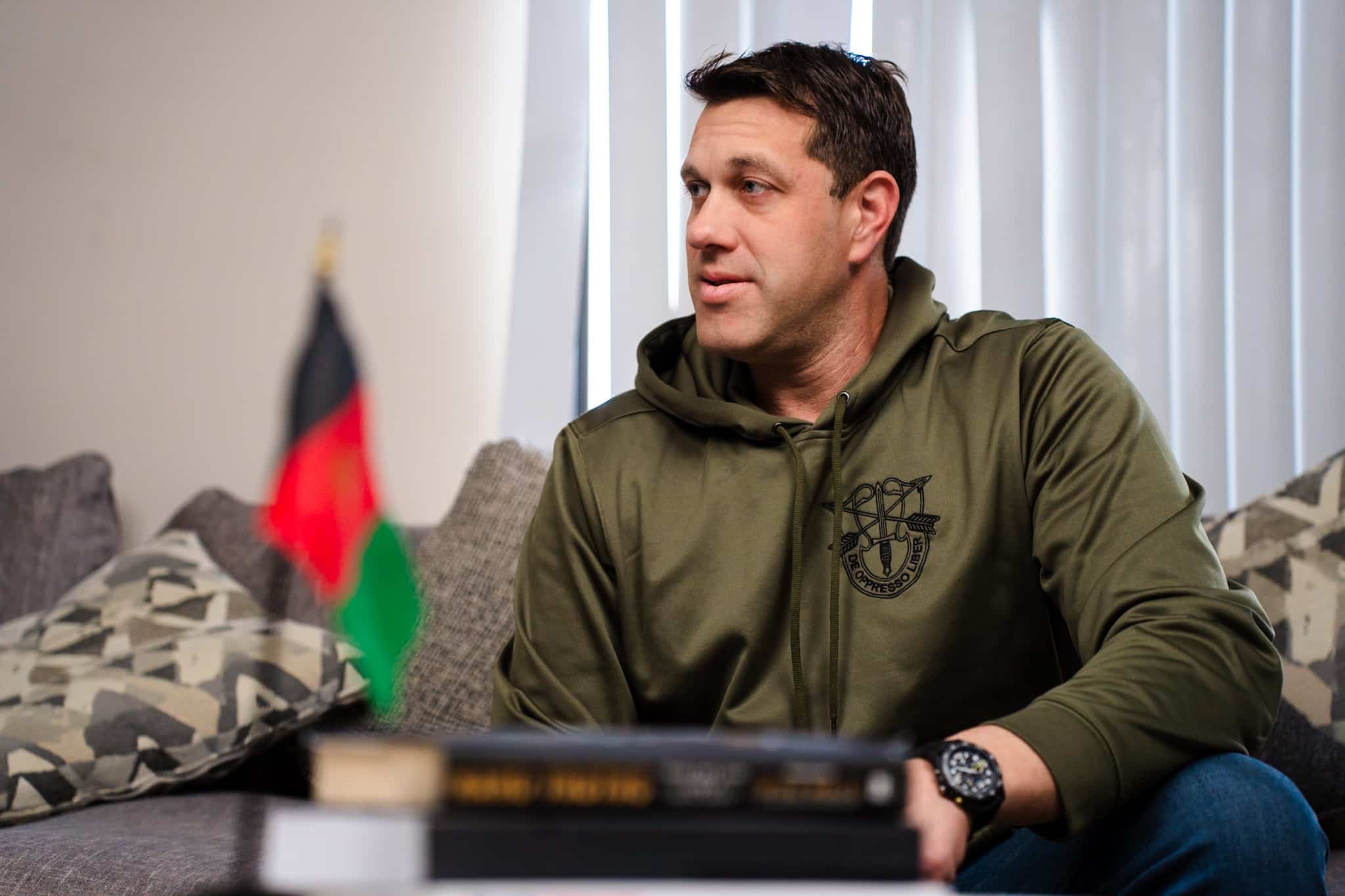
That’s the most hardest part for me. I have never been at home, always deployed. I remember when I got engaged. The next day, I was back in in the mission. I remember I got married, I stayed at home for less than a week and I got deployed. I remember my wife gave birth to my twins on August 5th 2015, 8:00 AM and I left Afghanistan for UK staff college the same day at around 12:00 PM like four hours later. I was away for couple of years, came back, got deployed in JSOC missions.
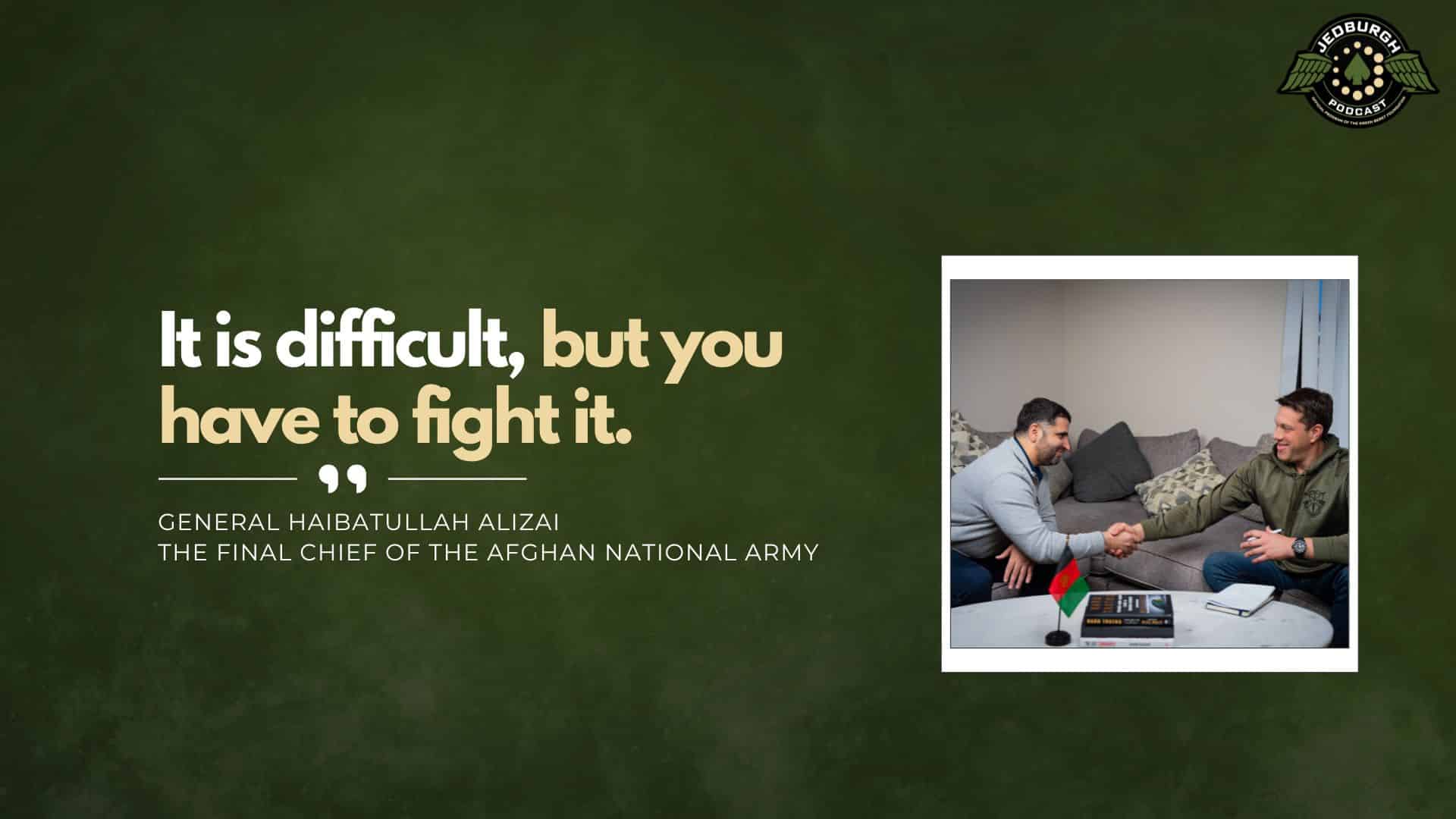
Different positions, always. Only I had my family with me when I was in Mazar-i-Sharif. I was the commander there and I had my family and kids with me. We always talk about that. This is the life of a soldier, brother. You had multiple deployments. Other folks had the same thing. It is difficult but we have to fight it. We cannot live away from family forever. That’s a for sure thing. Just try to fix my problem and some other people’s problem too in the meantime, if I could.
What’s next for Afghanistan? The Taliban is in charge. They’re recognized as the government, and there’s 100,000-plus Afghans who’ve been brought to the US, there’s hundreds of thousands more across the world who were evacuated from Afghanistan in the 2021 and continue to be so today. The Afghan population lives in fear, the Taliban is out across the world, forging alliances with our enemies, America’s enemies, to fortify their own existence. What’s next in Afghanistan?
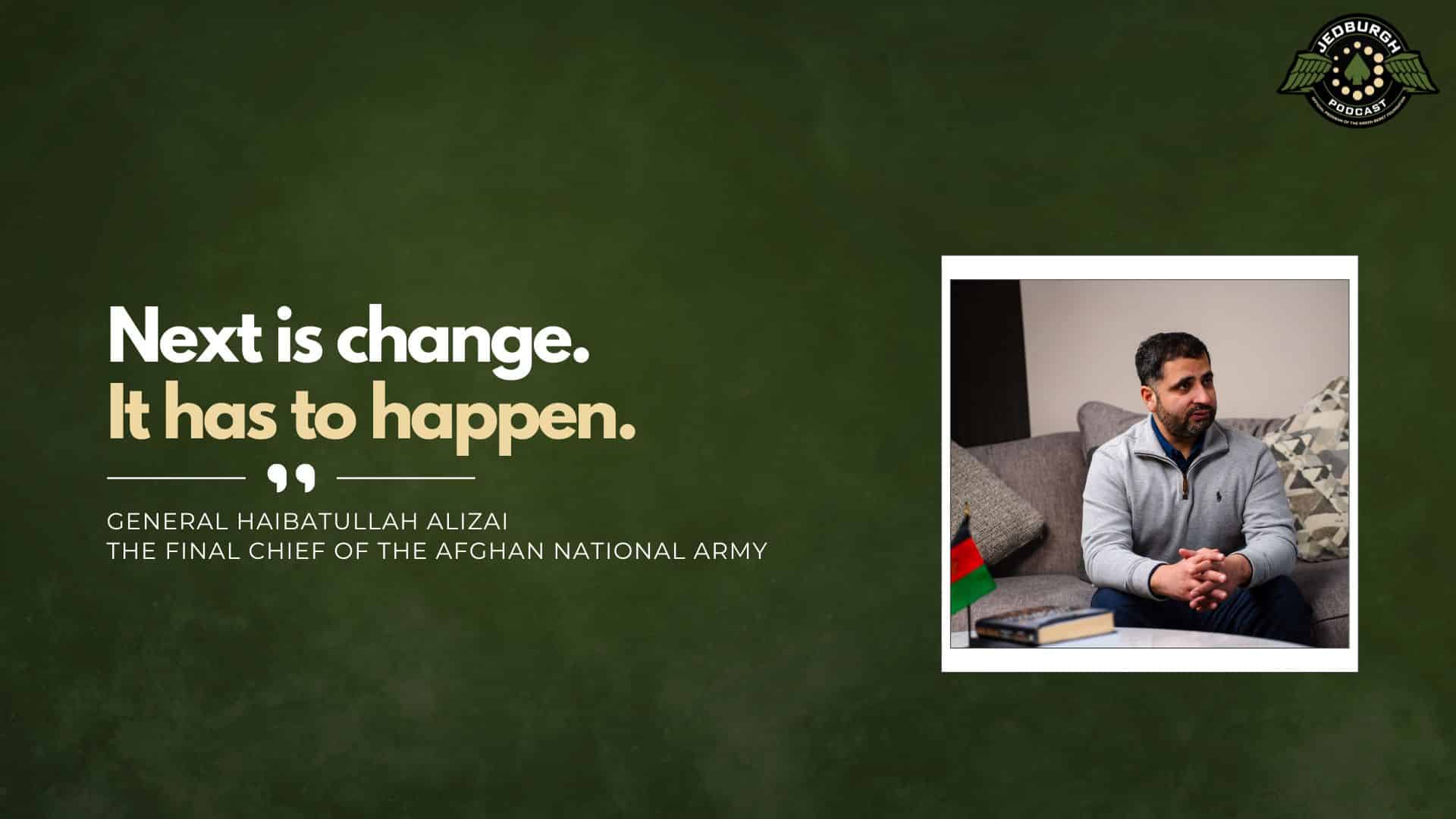
Next is change. It has to happen. If that doesn’t happen it would have brutal effects on the great game, great world order, on great world economy, politics because look at the situation. Follow the situation since Afghanistan collapsed. Look at the American position. The Western position in the global context after the collapse happened in Afghanistan.
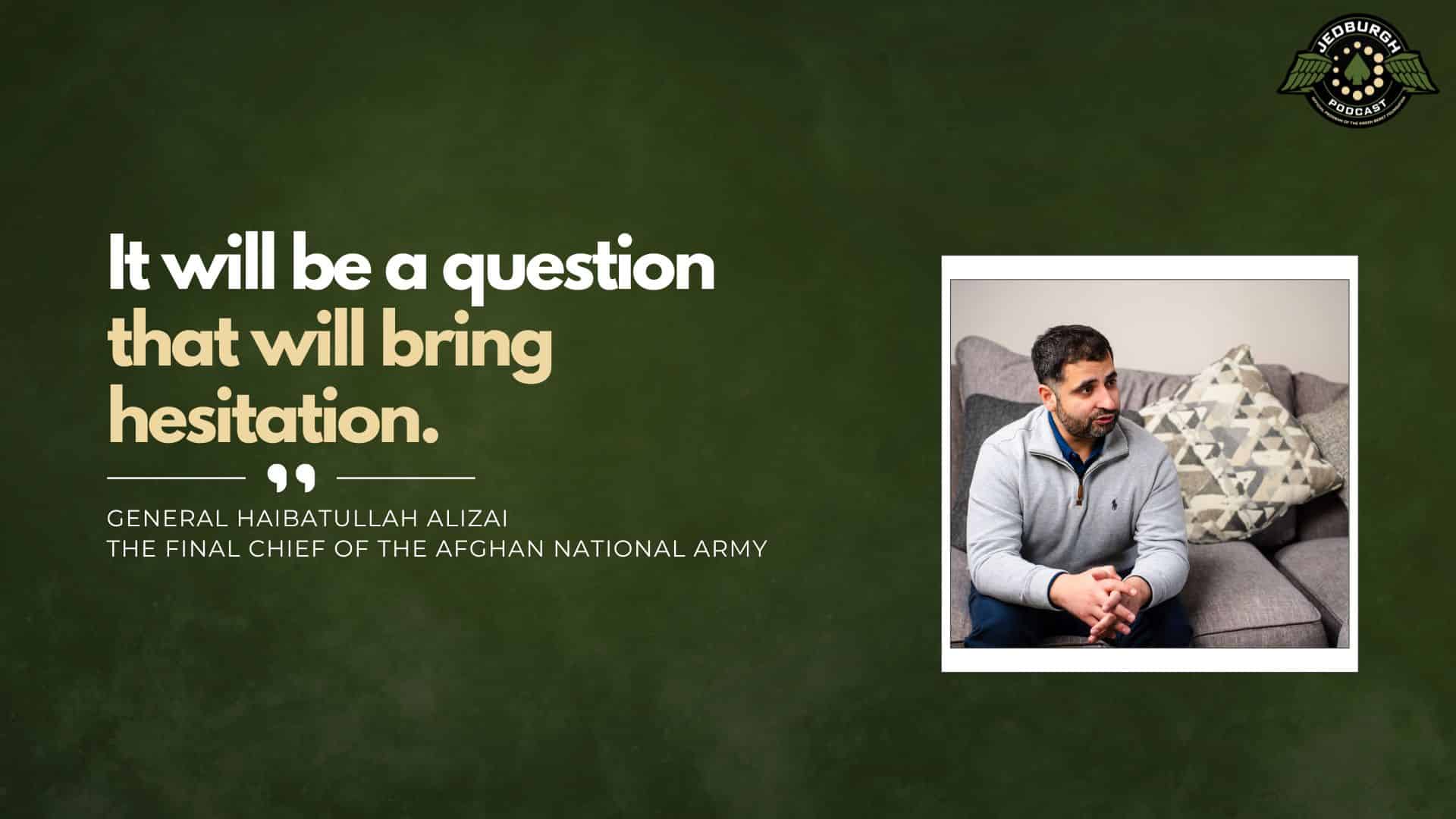
It’s been being damaged. Everybody is trying to recover that but it’s not easy. It’s becoming more and more expensive. Energy wise, resources wise and it’s expanding every day. Wherever the problem started, it needs to be fixed there first. If we don’t fix Afghanistan and we take over dozens of other countries, still people will have something in the back of their mind like, “What happened to Afghanistan?” It will be a question that will bring hesitation in partnerships, alliances.
If Afghanistan is fixed again and we all accept our mistakes, which is normal. We are human. Nothing is perfect in this world and we say, “Whatever happened, now we’re going to fix this,” we will be back in a better situation, even better than 2001 together. I believe that change is required immediately before it’s too late.
As you mentioned, our adversaries, the people who are looting my country, I don’t consider them friend either. Yeah, they could be our neighbors, but not friends. The point is they are teaming up against all of us. They’re making it difficult, complicated, expensive for us. Before it goes more complicated, before it becomes more expensive, I believe there’s a lot of potential to solve that Afghan problem and Afghanistan’s problem, which is not only an Afghanistan problem now.
I remember in 2018 when I was here in US for some school and one of my instructors told me like, Do you know this? If something changes in Afghanistan policy-wise, it will affect the whole world.” I was like, “What the hell is he talking about?” When the collapse happened and now I’m looking at the four and a half years or almost five years, it’s been the same thing.
What happened in Africa, what happened in South America, Central America, in Middle East, October 7th, the Iran thing? Look at the Pakistan situation. Look at the Central Asia. One day, we were the gate guards for the entire world plus that region. We were defending the other people’s borders from being affected by the global terrorism. Now Pakistan has become a victim more seriously than ever. Iran, same way you will see very soon. There will be terrorist activities and Central Asia is already complaining. They even attacked Moscow a couple of times. Tajikistan borders are not safe now.
The whole point is that Afghanistan problem is still pretty easy, pretty cost efficient to be fixed with less energy, less resources. However, every day passes, it becomes more and more difficult. The change has to come. We have enough people, right people to run the country. They are not warlords. They’re not criminals. They’re not terrorists. They’re not corrupt. They’re the young generation of Afghanistan that were recruited, trained in twenty years.
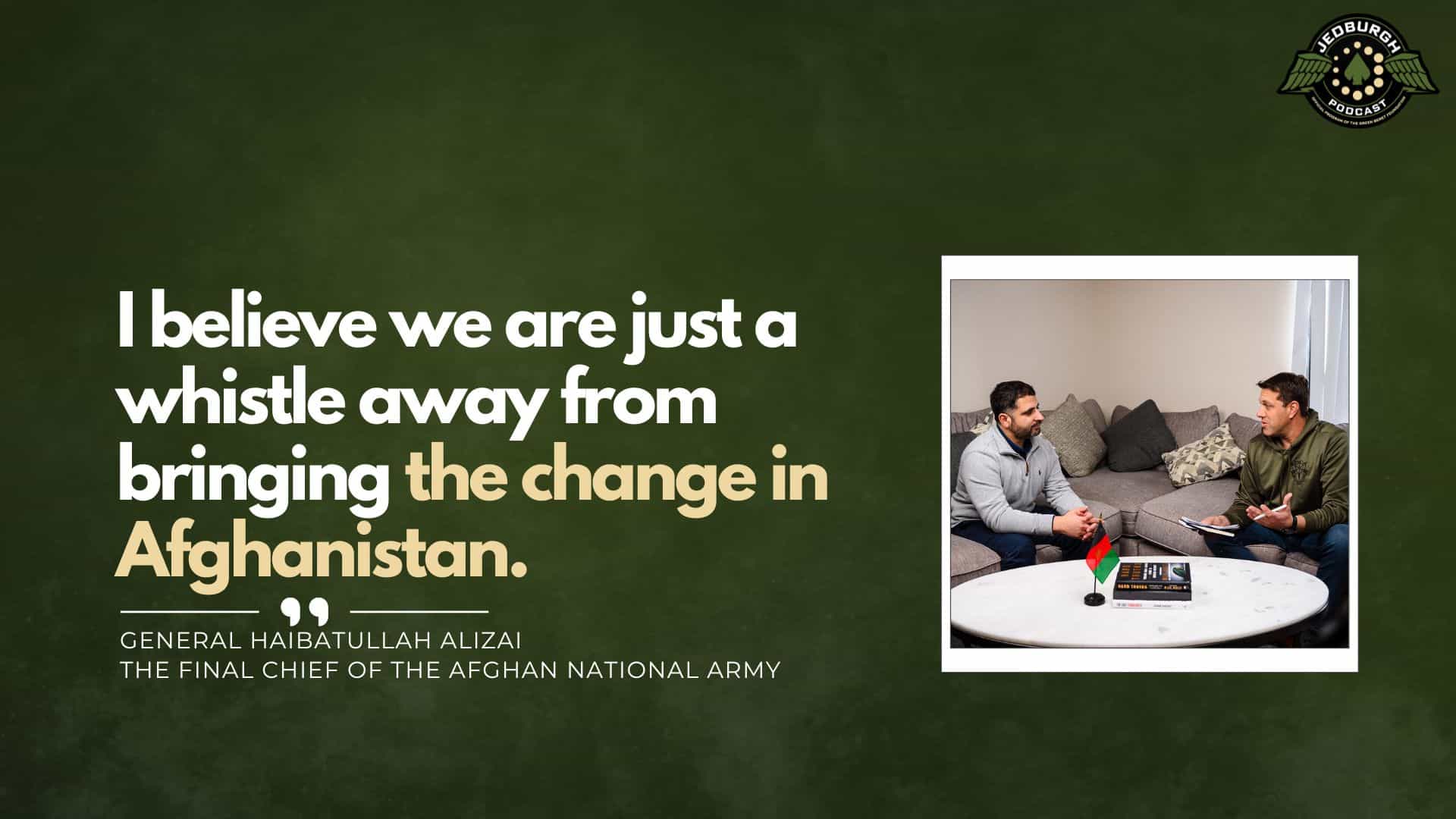
Every single day, we all worked on every single individual. Twenty years old now became 40 years old and they are in the right age to take the responsibility of the country and run the country based on the global standards. I think that’s what exactly the Afghan people want and that’s what exactly the democratic world wants. I believe we’re just a whistle away from bringing the change in Afghanistan.
Can the change be brought without America?
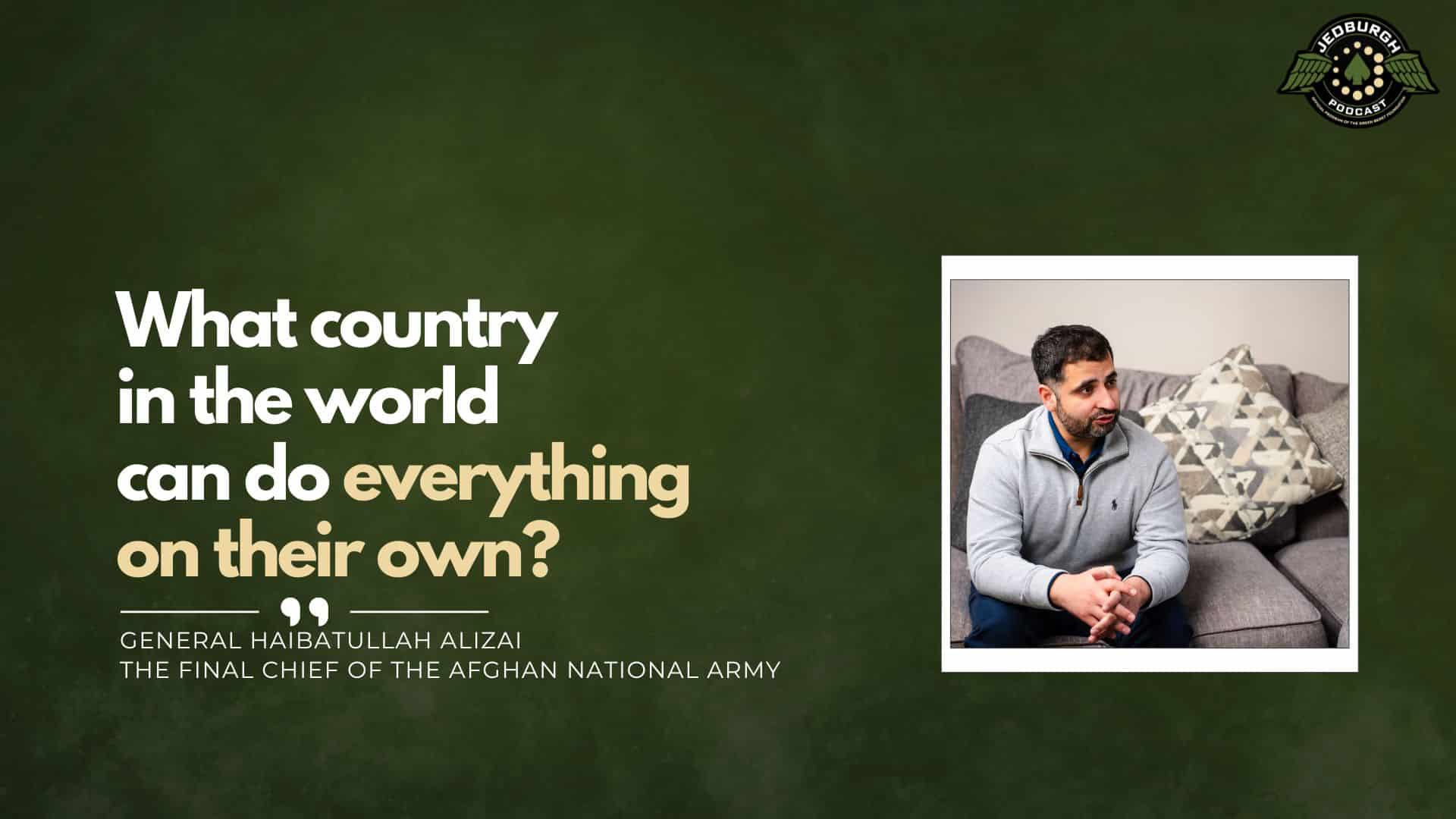
Yes, but there could be a definition for that. How can that change come in Afghanistan without America? We have given America our options, but even in that change that comes without America, there will be American support. Nothing is totally independent and we all know. Some Afghans take it like, “Why should we work with this country or that country?” Which country in the world can do everything on their own?
Every country is tied to another country based on deals and based on the global law and order and system. No one can do everything. The Taliban are trying to act they are doing everything by their own and they are taking the country into a hell. No, there is a way but there is not a way to without American help. Specifically American help.
It’s a complex problem. It’s going to take some clandestine capabilities, I think, across the entire international force to do what you’re talking about and end any Taliban control of the country and that’s going to come down to international will, international power and ultimately, every country’s desire to decide if that’s within their national interest.
I think for you, for your family, for all the other Afghans in the situation and for the Americans who served in Afghanistan and all those who’ve been affected by that conflict, these are the things they wrestle with every day. We see a lot and we hear a lot of people out there and they tell their war stories and they talk about what should be and what can be and they pontificate about all the rights and wrongs.
I appreciate you coming here and talking about the issues, the root cause, where we’ve come from, where it is now, and where it needs to be. Thank you for your perspective. Thanks for welcoming us to your home. Thanks for being in America. There’s a lot of places in the world that are nice. There’s a lot of places in the world that take people in.
I hope that in this difficult time for you and your family, as Ronald Reagan said in one of his last speeches, I hope that you’ve had an opportunity to understand what it’s like to not only be in America but to be an American. I know that at your first chance you’ll hop back on that plane and go back to Afghanistan, but while you’re here, thank you and welcome.
Thank you so much. Thank you for all the sacrifices, all the investments that American people and taxpayers did in Afghanistan. Thanks for creating a government from scratch to being a government. Thanks for making Afghans open their eyes and look to the world from a different lens now. I can assure you, brother, I don’t want to talk a lot about what really happened in the Afghan history because I don’t want to give more hard time to these leaders. We don’t have time for that. One thing is Afghanistan is a rich country. Rich with resources, rich with the culture, rich with the history and rich with the promises.
We look at every deal from Afghan perspective. Some people call it Pashtunwali, some call it Afghanwali. We look at every deal with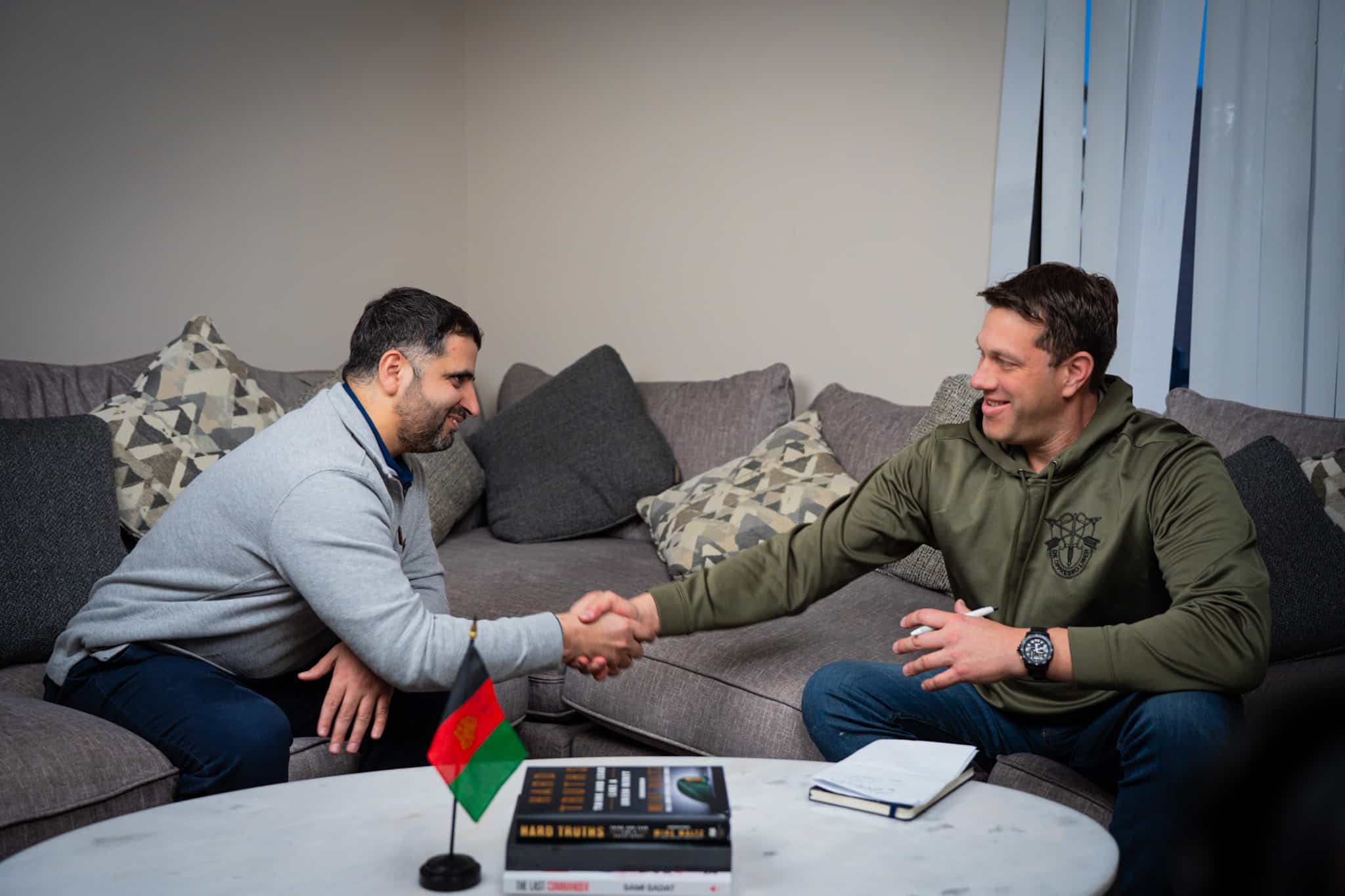
They may watch this show, their kids that might have raised now, they may have questions. That would be the biggest thing we would do for both country’s relationships. We are going to earn that deal by the cost of blood in 50 years. It is our right as Afghans to be partnered with Americans in every field in the future. It’s Americans right to have Afghans in their side or under their wing for next 100 years as their close allies and partners in that region based on the blood we both shared and the resources you shared and invested in Afghanistan. Thank you, again. Thanks for having me on your show and I love my country. I love America too.
I am always telling people like I should be in Afghanistan, if not in US. It’s another home now and I really respect the hospitality here, the generosity of American people that all Afghans faced in last several years or throughout history. We remember the good things happens to us and same way that we remember the bad things that happened to us. Thank you so much, brother.
Thank you.
Green Beret Foundation
P.O. Box 25138
New York, NY 10087-5138
Note: Please use USPS mail or priority mail. Do not use FedEx.
Green Beret Foundation
10205 US Hwy 15-501, Unit 26-8
Southern Pines, NC 28387-4301
Call: at: (844) 287-7133