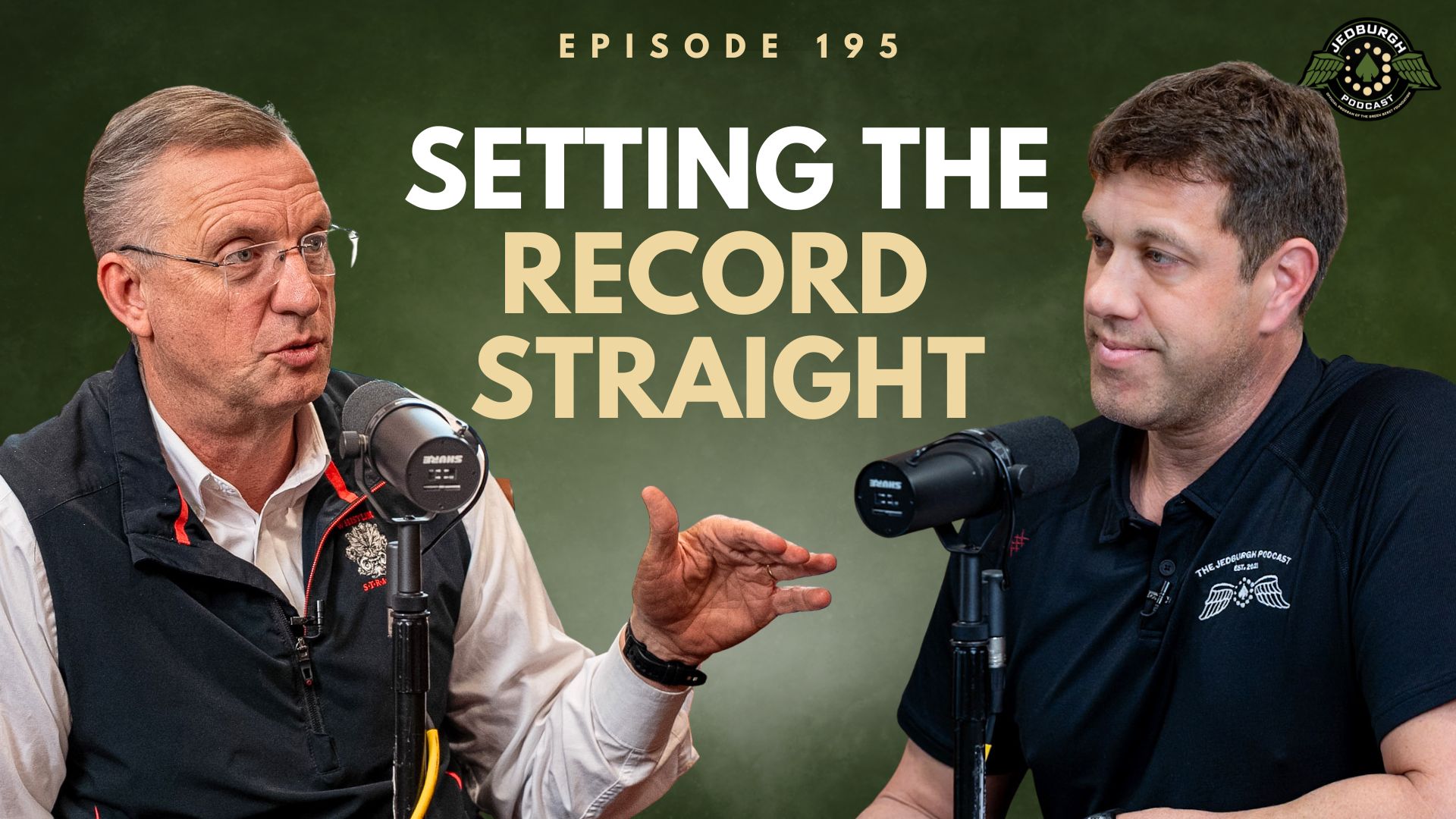

There is a steady stream of headlines shaping how Veterans view the Department of Veterans Affairs. Disability benefits are being cut. The VA is being privatized. Programs are disappearing. That is the narrative. But is it the reality?
In a social media environment driven by clicks, likes, and engagement, information spreads fast, and too often no one stops to ask whether it is actually true. When it comes to healthcare, benefits, and the systems Veterans rely on, the facts matter.
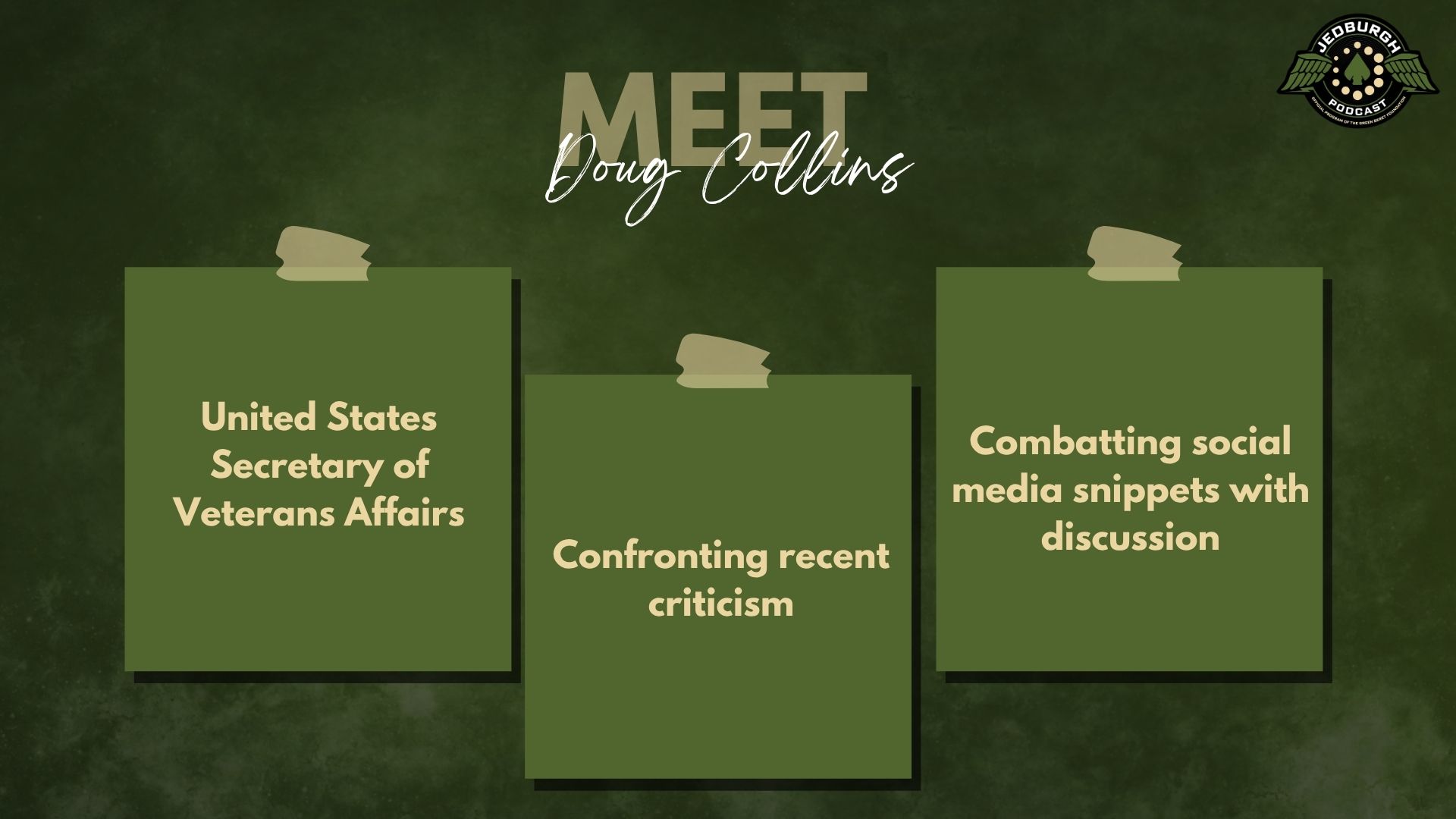
In this episode, Secretary of Veterans Affairs Doug Collins joins Fran Racioppi to address those concerns directly and bring clarity to what is actually happening inside the VA. This is not a surface level conversation. It’s a direct response to the questions Veterans are asking right now.
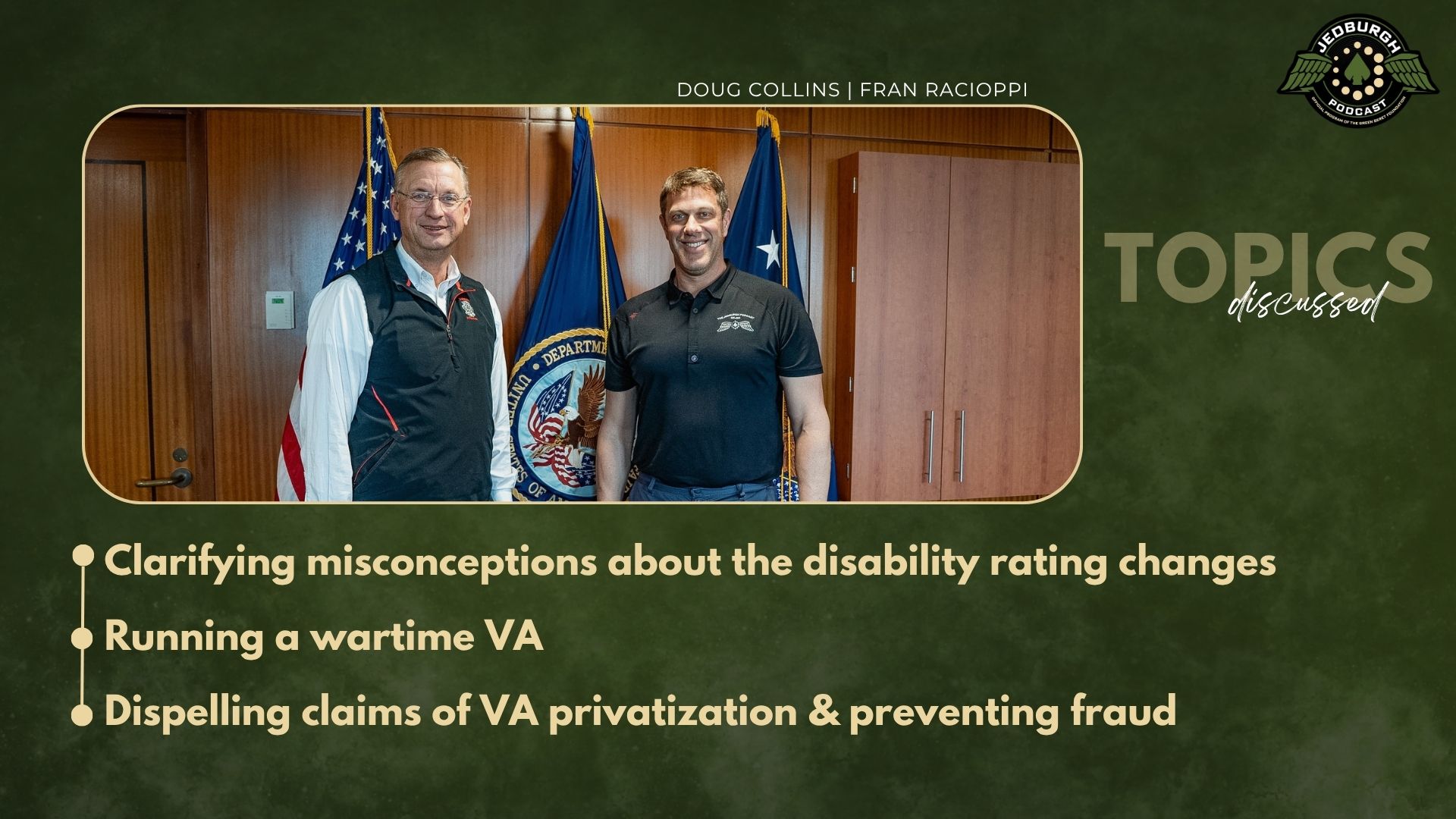
We break down the proposed disability rating regulation enforcement that rocked the Veteran community, what it was intended to do, how it was misinterpreted, and why it was withdrawn within days. We discuss the rollout of the VA’s electronic health record modernization, what’s working, what still needs to improve, and how it will impact care moving forward.
Secretary Collins also addresses the reality of community care and the claims surrounding privatization, clarifying how the VA will always deliver and fund care for Veterans. We talk about workforce challenges, hiring, and the responsibility to ensure Veterans are receiving timely and effective support with a right-sized VA staffing level.
The conversation also focuses on one of the most critical issues facing the Veteran community: suicide prevention. With the majority of Veterans not currently engaged with the VA, the approach must evolve. Outreach must expand, accountability must increase, and programs must show measurable results.
Finally, we cover housing stability through VA home loan programs and the responsibility to ensure Veterans have real options to maintain their homes, but also understand they have a personal responsibility for the financial decisions they make.
This conversation is about clarity and accountability. Because at the end of the day, the mission is simple – deliver results for Veterans.
The Jedburgh Podcast is brought to you by OneBrief; enabling military leaders to make innovative, informed and deliberate decisions faster than ever before. Superhuman command wins wars.
Follow the Jedburgh Podcast and the Green Beret Foundation on social media. Listen on your favorite podcast platform, read on our website, and watch the full video version on YouTube as we show why America must continue to lead from the front, no matter the challenge.
—
‐‐‐
Mr. Secretary, welcome back to the Jedburgh Podcast.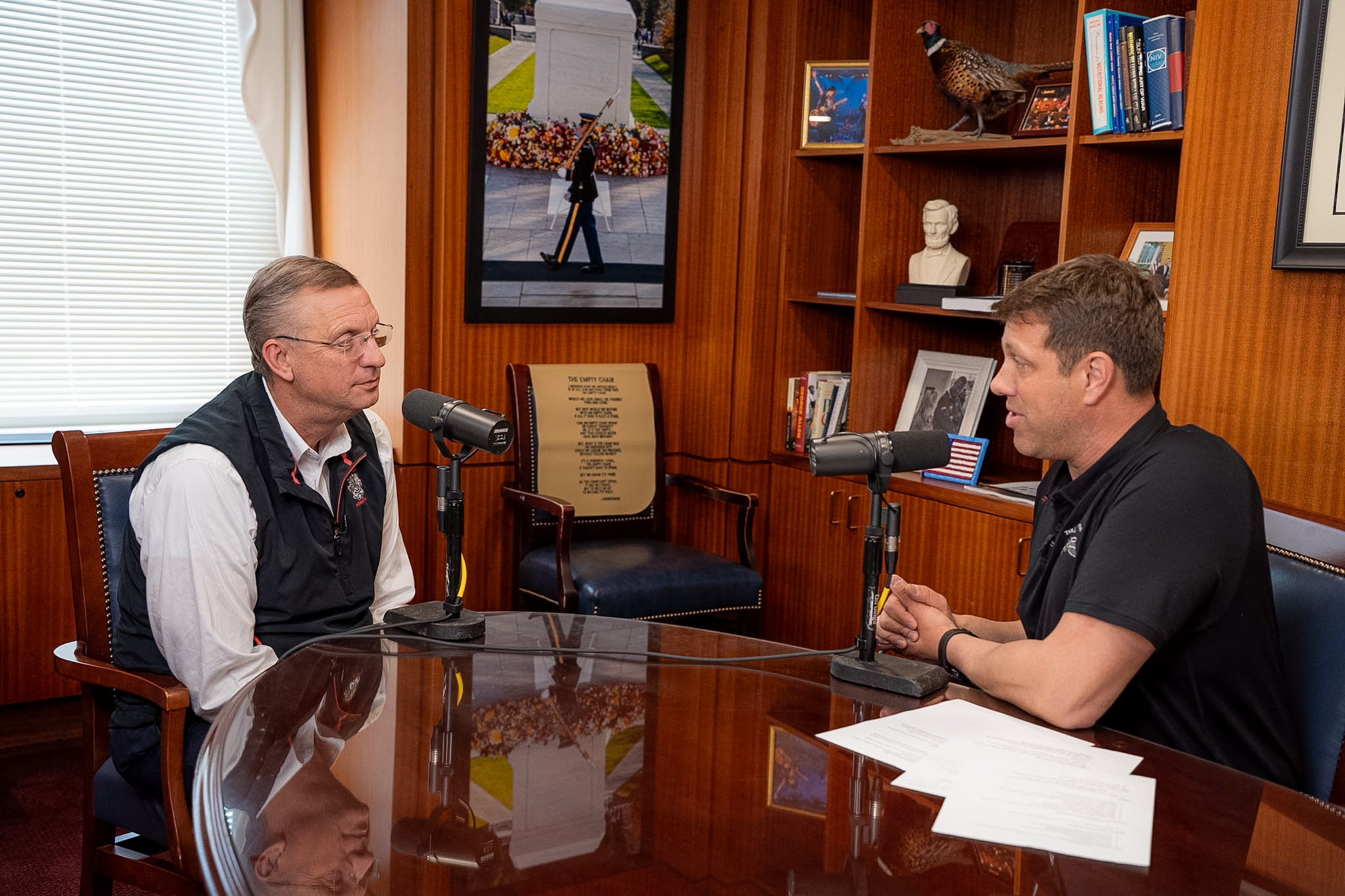
I’m glad to be here. It is always good to be with you.
Last time we sat down was back on September 4th. A lot of things have changed in the world in its entirety. It does not seem like a long time. Actually, when we were setting this up, there were a number of different initiatives over the last couple of months that the VA has put forward that you have championed and spearheaded and have been talking a lot about. It has been awesome to see your perspective on some of those.
There has been some information and misinformation out there. We have been hit very hard by our special forces community, who watched our first interview and were excited about a lot of what we talked about. I guess we are making the right place as a journalist and as a journalism media outlet because now they expect us to be able to come back, sit down with you again, talk about some of those issues, and figure out where we are actually at and how it is going to affect the community. I appreciate very much your taking the time. Let us start with the disability rating policy discussions that occurred.
There is an IFR, what is called an IFR, which is a rule, a regulation. They came out. Let me just go ahead and explain. This is something for all of you out there. I am going to give you, as an audience, something upfront. The VA is like any organization. Sometimes you go down a policy run, or you get things, and it does not work out, or it is wrong. In the past, the VA would have just sloughed over it and dealt with it on the side. This came out of it.
I am going to be as transparent as possible. Instead of somebody believing people who get in their car and yell into the phone, saying they are doing this and telling things that are just not true, I want to go ahead and give you the direct answer. This came out of a court case in which there was some discussion about using medication and how you take the effects. The baseline for us is always is how the disability has affected your ability to function in life.
Many times, medication is talked about, and sometimes it is not. What is really interesting is that I have also had this, being open and honest, a lot of times, people are told not to take medications before they go in to do their C&P exams. This is just a common fact. It is not something that is hidden. Everybody knows that. This was never the intention here. Ingram said that we needed to go to the baseline, which is what would happen without any medication. We were following that.
They also said this could be part of a rule, a regulation, so that we could say how to set this up. What the court case did, however, was really give some language that we felt was going to be problematic in the sense that it gave the disability claims person the unfortunate perspective of having to guess what you would be if. There was some discussion on how to make sure that we are still going back to the baseline to get the veteran the most benefit we possibly can, but also in taking the subjectivity out of it.
They make it objective and say, “Here is what we are looking for. Here is how we need to do it,” and not leave it to one rater getting one thing and another rater giving another, which would lead to more trouble and more problematic situations going on. The regulation went through the normal order. It went through everything discussed and through the process to say how we can affect this and make it a positive change for veterans. It was never intended to cut benefits.
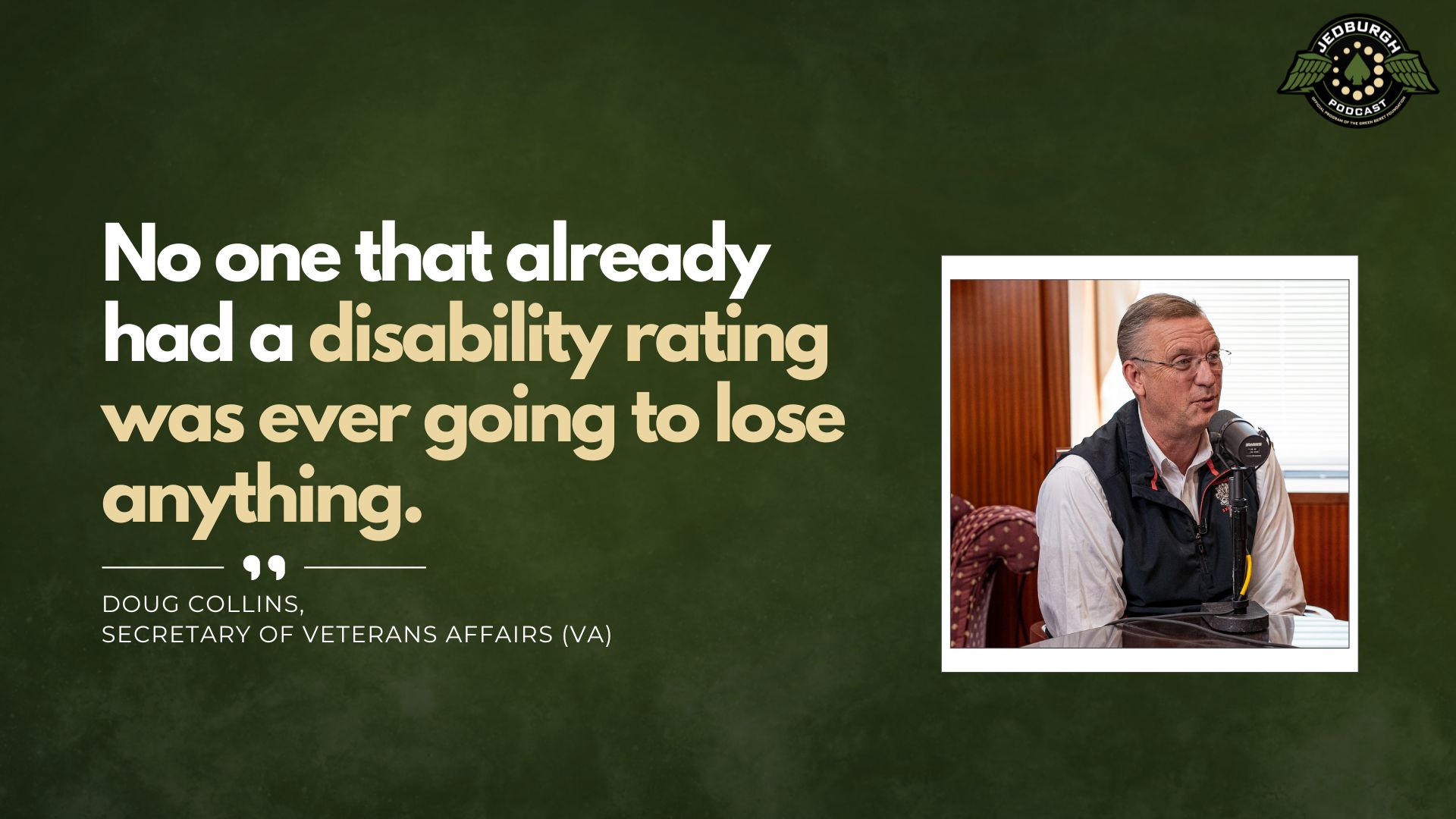
It was never intended to do anything except clarify what we got from the courts. When it first got put out, the first thing that came out from many people was that you are going to stay off your medication, we are going to go back and cut disability claims for previous claims, and we are going to go back and look at it. All wrong, all false, not true. For anybody who got online, got on social media, and said that, “You frankly should apologize,” because that was never a part. No one who already had a disability rating was going to lose anything on their disability rating.
Anybody who emailed you, texted you, and said they were going to cut my disability rating, it was not true. There was a panic set in that should never have been there. Within 24 hours, I recognized the fact that this new reg was not being perceived in the way it was supposed to be, and probably was not worded in a way because of what we did, to say, “Why is this?” Very quickly, I said, “This is not doing what we want it to do, and it is not going to affect what we need to do.” I stopped within roughly less than 24 to 36 hours. I just said, “We are not going to put this through, and we are not going to force it.”
Within less than a week, we took it completely off the books. I saw somebody the other day on social media who said it is still on the books. That is also a lie. It is not. We terminated this completely. There is no comment because he said, “You can still go and make comments on it.” No, you cannot because it is not up. What we learned here was, number one, we did not do a good job communicating what was trying to be done. We did not do a good job of communicating that there was nobody who was going to lose any disability ratings they currently had.
It was anything that was only prospective looking, so that we could maybe get a way in which our claims agents could be on the same page, instead of each person hypothetically looking at what it would be. This is what the court actually said. I take full responsibility for it. The buck stops with me. I have made this statement before, and some people have actually heard me say this. When I was a pastor, I said, “If it is a mist in the pulpit, it is a fog in the congregation.” It became very clear that this was a fog in the congregation.
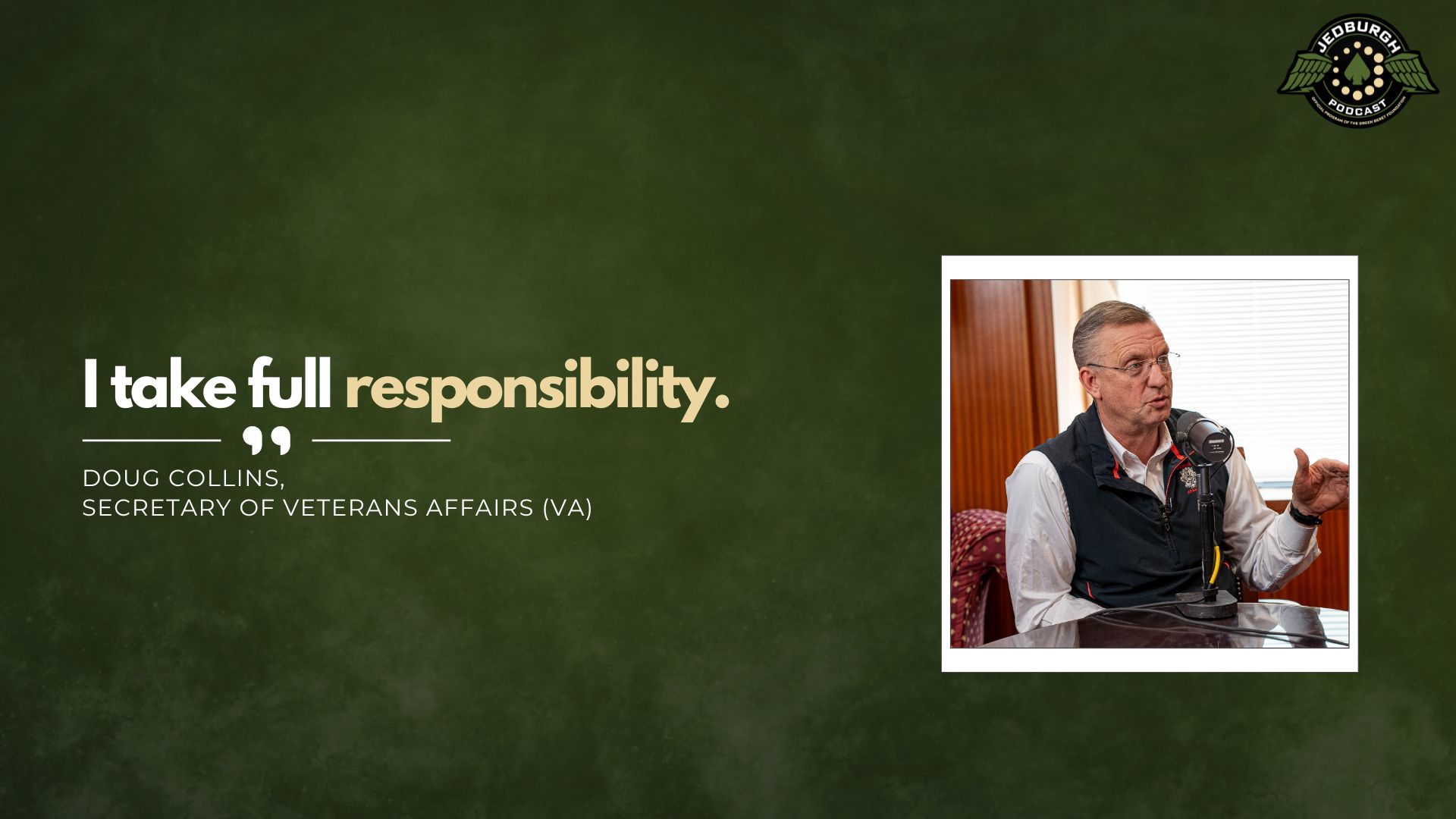
We took immediate steps to say, “We are not going to do this.” It was not nefarious. It was not the intent, but I was not going to fight that battle to try to convince people of something that was not true because they had already made up their minds. That is why, within the next week, we will take it completely off the books going forward. There is no need to look back at this. Ingram is being enforced just as it was before this regulation came out. We are still looking at the baseline of need and the disability impairment given by the veterans. For us, it was simply that I would take responsibility for the chaos that it caused for a little bit.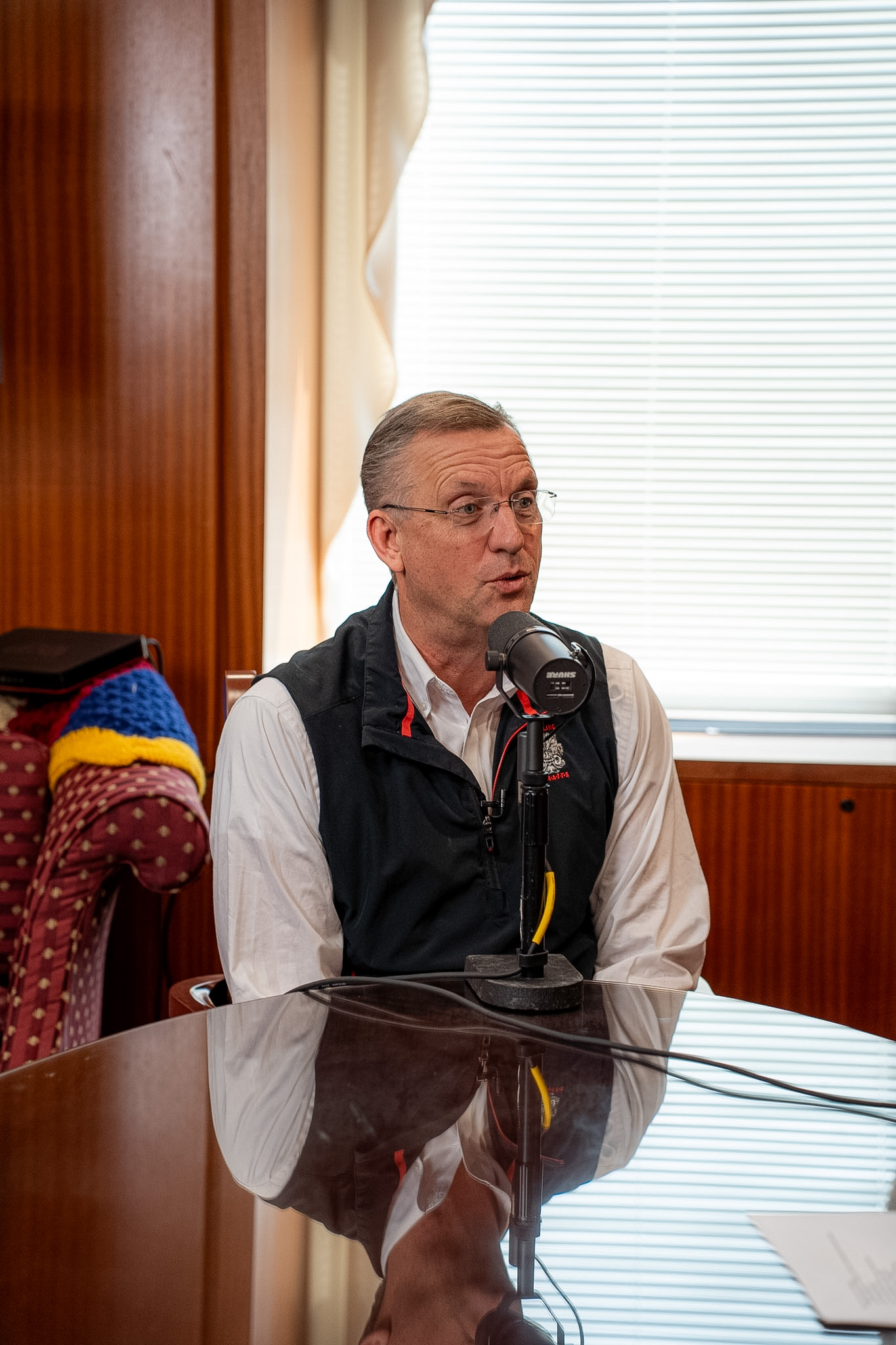
We fixed it. This is not something you see from a VA. I do not know how many Secretaries of VA would sit here and tell you, “That it did not work.” We tried to do something that we felt was going to bring some cohesiveness to the process, and it was misinterpreted, maybe because of some language we used or how we were doing it. At the end of the thing, that is not what I want. Veterans are always first at the VA. We just said we are not going to do it anymore. We have moved on. It is off the books. Nobody needs to worry about it. They also need to be very careful about what they hear.
We are going to talk some more about some stuff that you are hearing online that is not always true. That is why we try to put out the best. From my perspective, this was not a nefarious act. It was not a cutting benefits act. Nobody was going to go backwards and do that. Sometimes, as you know in circles, you cannot convince somebody who has already made up their mind. For us, it was just easier to say, “I am not going to put my veterans in that. We will take it off the books and move forward.”
If I am a transitioning service member today and I am going to the VA and I am getting my evaluation for all of my medical claims, how am I being evaluated?
The same way you have always been evaluated. Nothing has changed. What is your baseline? We always like to say, “What is a baseline disability?” There are always different issues or situations that come up that affect how you are determined, but nothing has changed. That is the unfortunate part out there, that everybody thinks something has changed. Everybody goes through this process. In fact, we are trying to make it better.
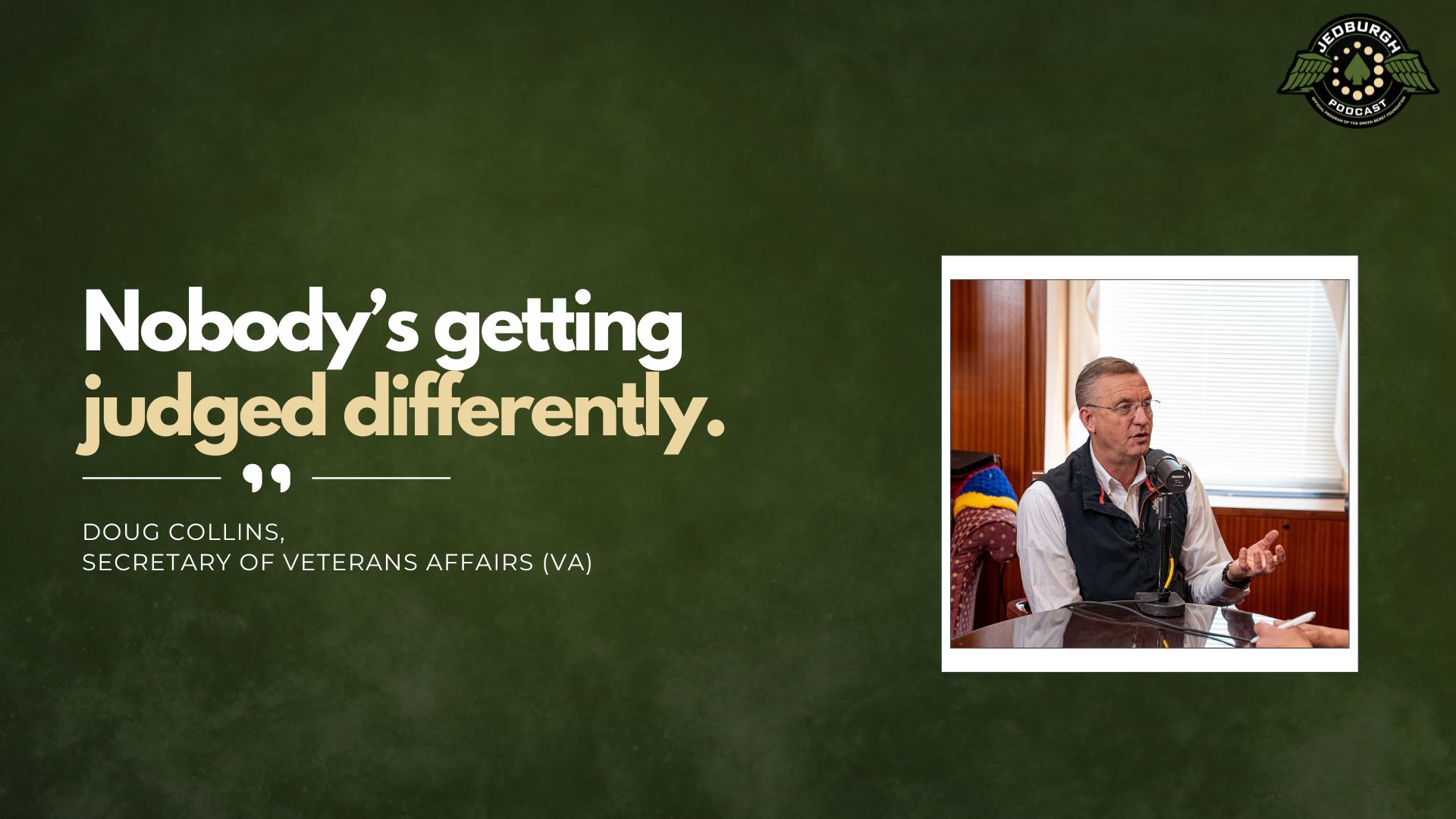
Too many times we have to go through this process in which we go out for C&P exams and stuff on information we already know is there. It just complicates the process. We are actually in the process right now of seeing how much we can do without having to go to C&P exams by just taking what is in your current record. If we have it documented, why do we need to have another doctor go and say it is already in the record? That is really where we are at now. Nobody is getting judged differently. In fact, that whole issue is put to bed. It is not even a part of what we do. It takes you as you are and what the disabilities you are presenting, and what the impairment is, and that is how we rate you.
You talked about the records here. The last time we spoke, we talked a lot about the integration between the VA and the Department of Defense, and where that actually now has to cross over, and how we make that as seamless as possible. We are in a situation with Iran.
We are in a hot fire environment.
We are in a conflict with Iran right now, which certainly puts the Department of Defense on a wartime footing, but it also puts the Department of Veterans Affairs on a wartime footing. From your perspective, in all of our conversations, we call it a large-scale combat operation. How does mass conflict affect how you approach serving the veterans at the VA?
We are the after effect. I have always said that the Secretary of Defense and I, the Secretary of Veterans Affairs, run fraternal twin organizations. We are the same, but we are different in how we take care of you and when we get you. Right now, he is in this conflict that he is having to deal with, whether it be Venezuela or other hot issues. Where it affects us is not now, except in the area of our fatalities.
Many of those have been buried in VA national cemeteries. One of the things I did early on was to tell our benefits folks in our VBA to go ahead and make initial contact with the DOD to say, “I want this as seamless as possible between the families of those who have given their lives.” There is absolutely no question of what I need to do next. Sometimes in the past, the DOD handles their part, and then it just came to us.
I made the proactive step for our folks to reach out. So far, it has been very good. We have reached out about the benefits. Most are already getting their benefits. We cut down that time to almost nothing because we are integrated with the DOD, which I think is a really good thing. Where it affects us the most is where we go in the future. If you have some that are going to come out of this medically retired or some that come out of this and they get out on their own, but they have issues that develop, that is where it hits us.
It is more of a rolling after effect. I have talked about this before because I think the VA, in particular, has to prepare for the GWOT generation. We need to prepare now, but that is going to be about a 10 to 15-year cycle to get those who have either latent issues or they have issues that were being taken care of with insurance and other things. When they got out, they went to a job. They did not take their VA benefits, and we are not seeing them in our hospitals. If you think that age, say you are 18 in 2001, you are 20 years later, you are 38, so you are in your early 40s now, roughly mid-40s.
We are starting to get some that are in their prime working years, but in another ten years, they may be talking about true retirement. They may be talking about getting out of the private sector and not having that insurance. We have to prepare for what comes in the future. The interesting thing for me is that it is very similar to GWOT. It is very similar to what we are going to see in that flash, very sudden, very violent issues that are dealing with physical injury or the mental issues that go along with trauma. That is where we are trying to figure that out.
How are you looking ahead and assessing what some of those challenges may be? Everybody knows we got caught a bit flat-footed when we went into Iraq and when we went into Afghanistan, and it took us years to truly understand TBI and PTSD and then develop programs that were going to help our veterans to get through that. How are you looking ahead and saying, “This is what we may expect?”
Warfare has changed. We just saw over the last five weeks. I am an army guy. We certainly, for 20 plus years, carried the brunt of service, but the Navy is front and center. The Air Force is front and center. The challenges that those folks are going to deal with on the back end are very different than what we do.
As an Air Force chaplain who is retiring next month, I was in Iraq. We do different jobs and different things. I dealt with this for years in the Air Force, the different styles and different issues. From a drone pilot to a fighter pilot, a flight pilot, or to a tanker as opposed to a bomber, all kinds of things. To the maintenance shops on the Air Force side and Navy side, you have the ship life and different things that we have not seen, the major conflicts with our Navy right now. What we are doing is taking the benefits of what we learned in the last twenty-plus years.
The DOD learned the most out of that because all of the treatment for those who are wounded and critically wounded up front goes through the DOD. We get them 5 or even 10 years after they have left DOD medicine. DOD medicine has changed a lot, too. Over the years, they have moved away from the family orientation, and those going off base now, so they are seeing fewer patients. We are actually integrating more with the DOD physicians across the spectrum for their training purposes.
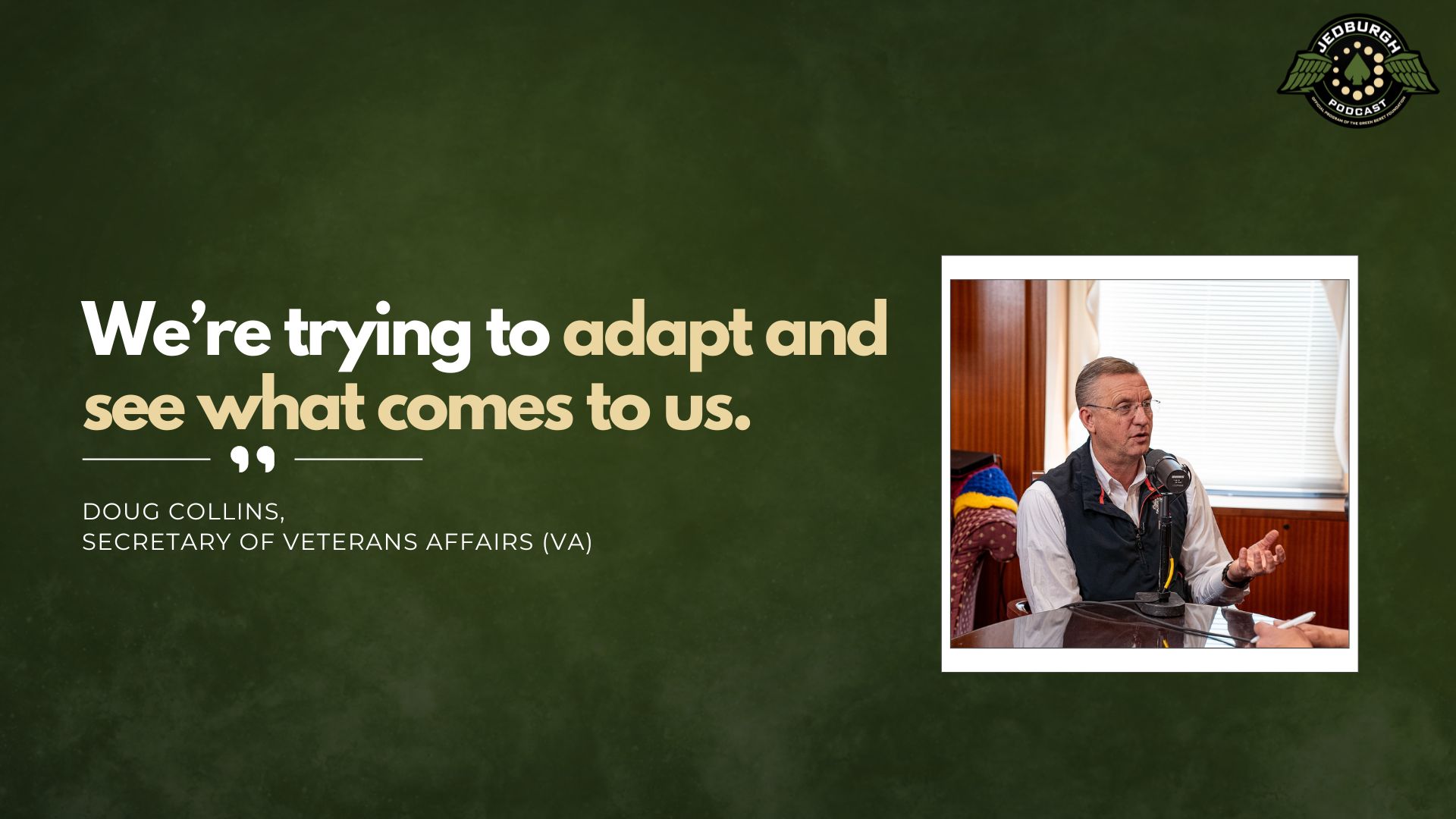
For us, I think it is more of just taking what we have learned. The issues of traumatic brain injury, the issues of CTE, and the issues of stuff that we saw with IEDs are really a part of this conflict. There is more of the mental aspect of conflict and what we are doing with moral injury stuff that we are having to deal with. We are just trying to adapt and see what comes to us, but we have been increasing, as we have been in the last few years, our mental health preparation and the things that we need to get there.
I think mental health will be front and center for a lot of folks who are involved in this conflict in the Air Force and the Navy. One of the initiatives that the VA has been planning for a while has advanced under your leadership over the last year. That is the modernization of the electronic health records. I remember when I came in and when I got out, receiving the stack of paper and enduring what many service members endured during their careers. “We lost your medical records.” You would say, “I do not understand, is it not digitized?” Honestly, it was not for quite a long time.
The DOD was not, and we were not either.
Now we have this initiative to get the electronic health record modernization program rolled out across all VAs, and there is massive infrastructure going in. I know Michigan was the first one to roll out. How is that rollout going, and what were the successes in Michigan? What are some of the challenges that you saw?
I am so happy to sit here and say just a few days ago, Michigan rolled out our first four. The previous administration gave up. In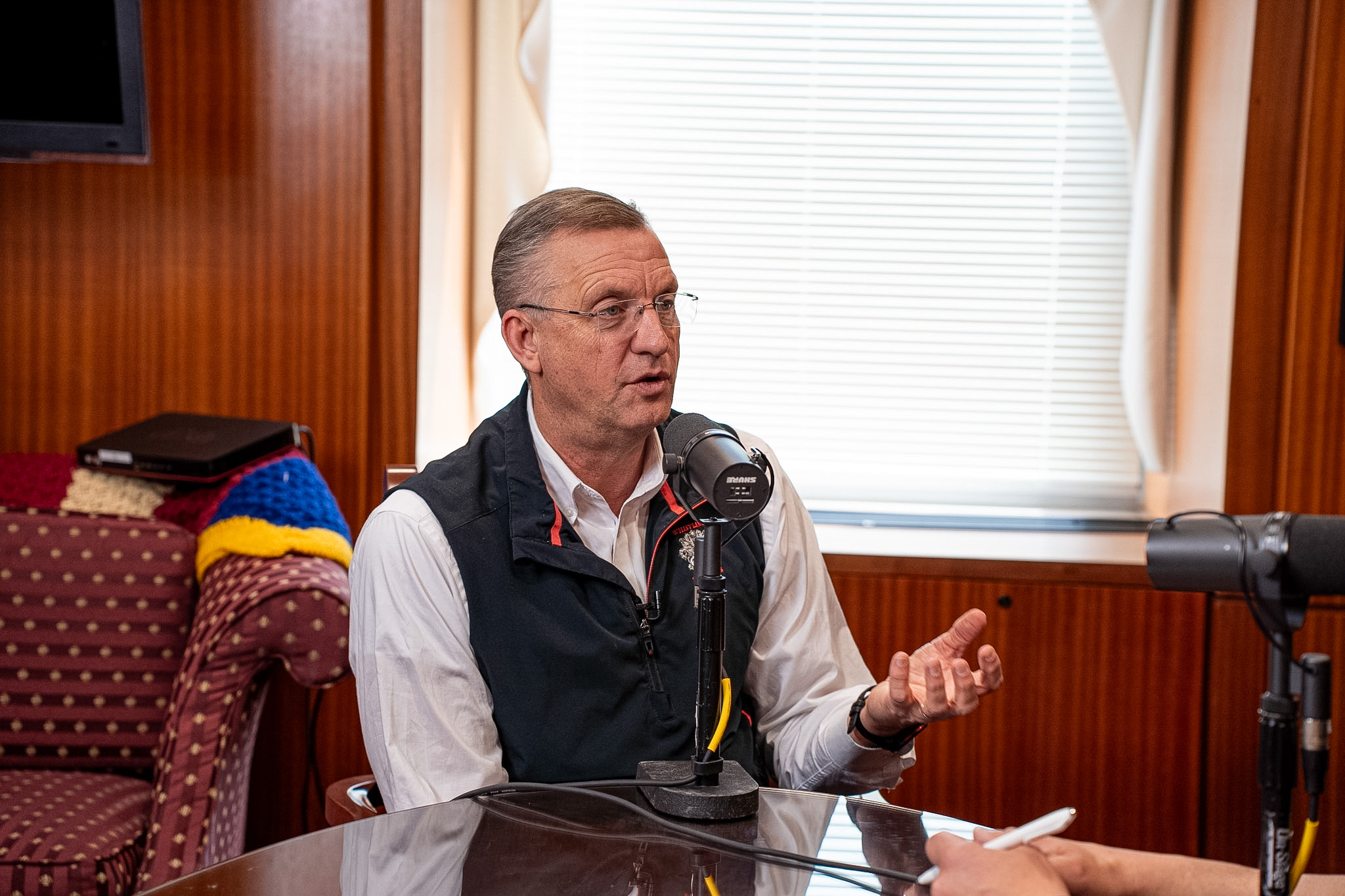 fact, they just threw up their hands and quit. We spent $18 billion and just quit. We had six sites, and they just quit because they did not know a way forward. That is when we talked last fall and sat them down and said we have to move forward. This past weekend, we opened the four sites in Michigan, each with different needs.
There was more critical care at some. It was the four main ones there at Battle Creek, Detroit, Saginaw, and Ann Arbor. So far, it has gone well. It has gone just like you would expect any major hospital to have, with a printer that did not work, or this and that is not mapped right. Other than that, patients are being seen, and everything is going well. It has put us in a position for community care and for direct care to have an exchange of records, getting the things that we need so that seamless service of care is performed, whether they are in-house or in our community.
Up until now, our systems could not share with those outside. We have another nine that are going in by the end of this year, and we have 23 on schedule for next year. The DOD went through this process, and they had something that we did not have at that point. It also failed miserably when they first started it almost ten years ago. They went on a one-year pause and came back, and basically ordered everybody to get their stuff together. They got it done.
We did not have that same impetus over here. We still let everybody do their own thing. The six sites that were done frankly were not up to speed. We set a whole new process in motion. Totally different training, totally different rollout, and a totally different issue. Standardization became prime. Everybody looks and acts the same in the system, so that we can pick and place people from different facilities. It has really gone well. It is going to help in many different ways, especially internally in the scheduling part. We are getting to the point where scheduling becomes seamless.
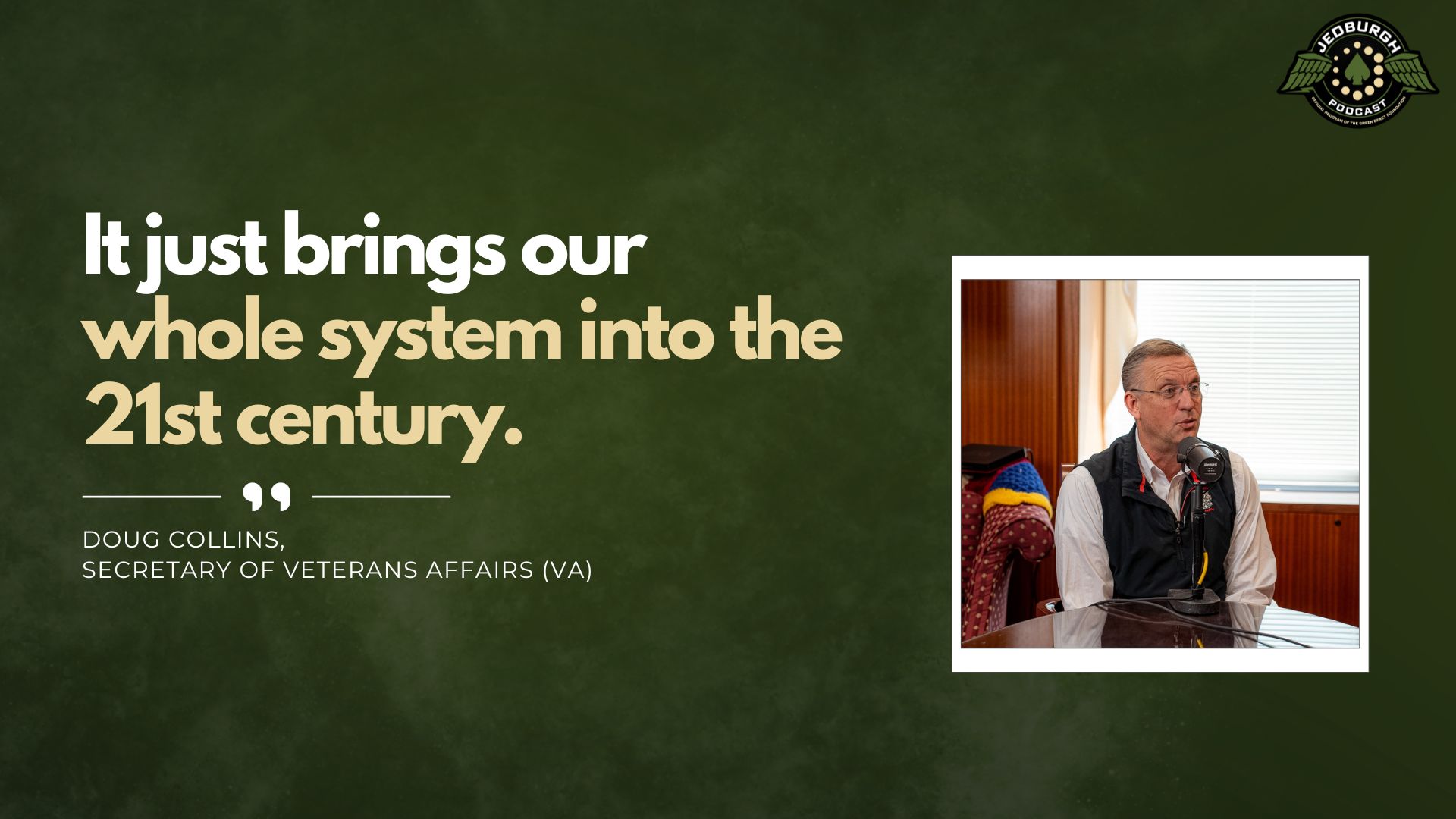
You do not have to even talk to people. It will help us integrate with our mobile apps, where you can schedule multiple appointments on the same day without being put in a different system. These are the things that this will help us with, but the big aspect is that it brings our whole system into the 21st century. We have a system of $750 million called VISTA that we just put $750 million into just to keep it alive. This is a huge win for the veterans and a huge win for the VA. To get this started, we have a long way left to go, but we are on the right track.
When we spoke last time, we talked about the various initiatives that the VA has around empowering veteran-owned businesses. Last week, we had the chance to be back in DC, and we sat down with Deputy Administrator for the SBA, Bill Briggs, and we talked all about the veteran-owned business set-asides that are in these projects. The plug to the veteran-owned businesses out there is, as you go about doing this across the country, there is a significant portion of this project that is set aside for veteran-owned businesses.
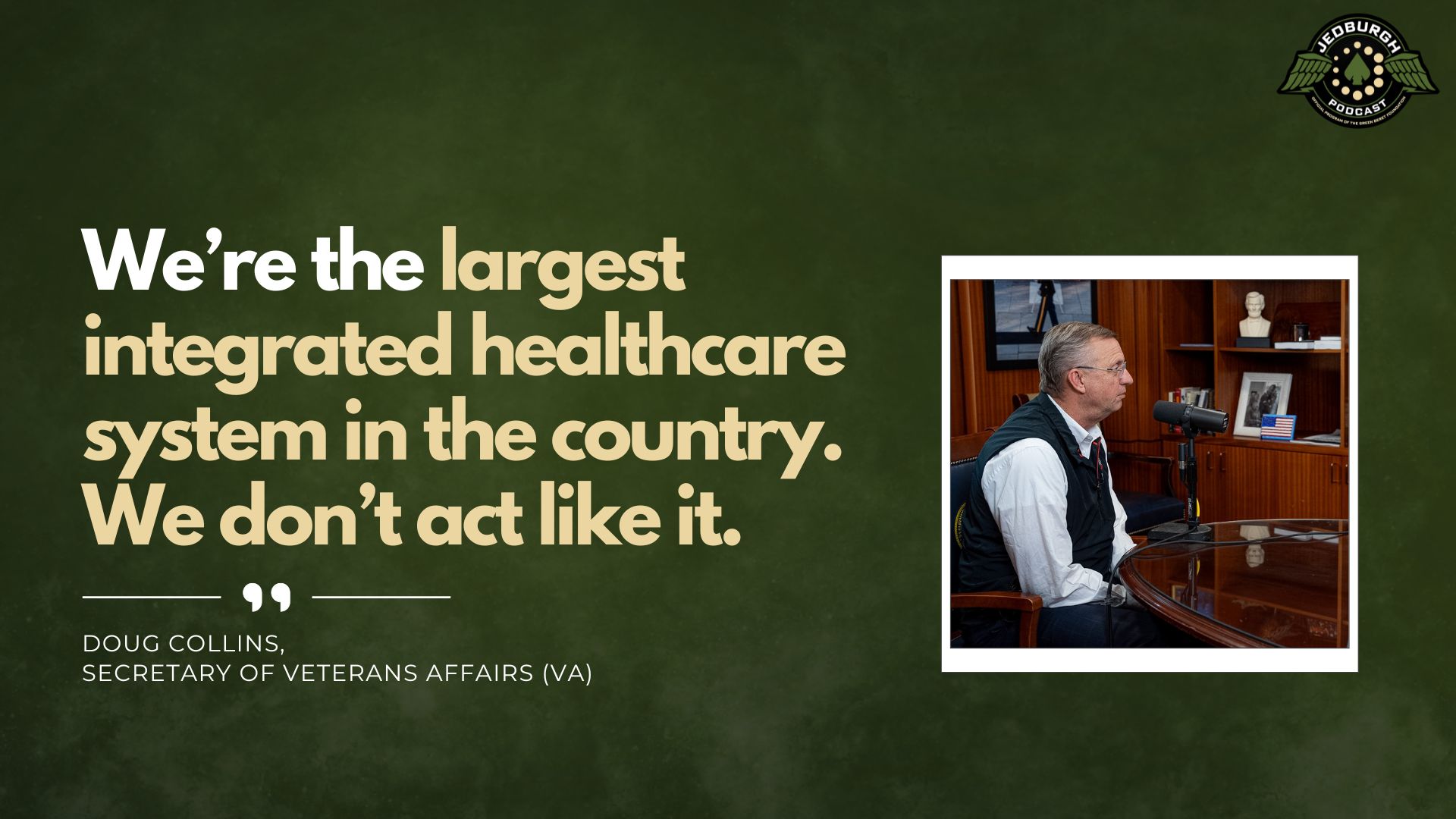
We are trying to get involved in the security scope. It is great for everybody, but at the end of the day, it is about veteran care. It is not just the veteran itself. We are giving our employees the best. We are the largest integrated healthcare system in the country. We do not act like it. That is our fault. It is time we start acting like it. With 170 hospitals and 1300 clinics, we ought to have the best equipment and the best processes so that people want to come to the VA. The veterans can say, “Go to the VA,” and the folks outside say, “I wish I could go to the VA.” Doctors, nurses, clinicians, and housekeeping all want to come work for us because they are getting the best, and that is where we are putting it right now.
When we sat in September, we talked about the utilization of many of the VA hospitals as teaching hospitals and partnerships, specifically in New York with NYU and some of the premier medical organizations across the country. There is a perception out there, and we are getting mail that the VA is privatizing healthcare.
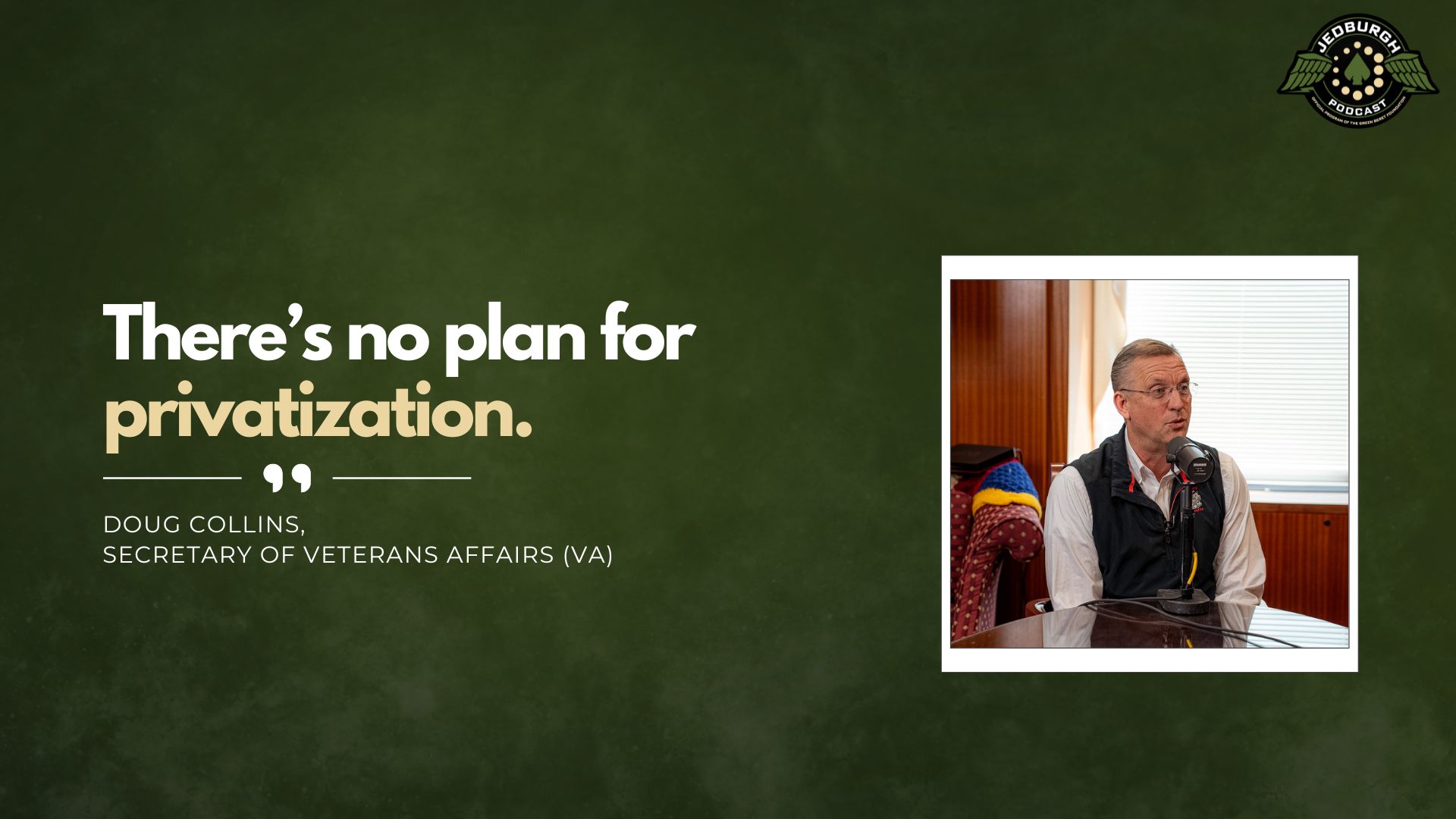
I wish, honestly, and I say this with love, I do not know where this perception comes from except from people who just have these thoughts that come into their heads. If I had a nickel for every time somebody said you are going to privatize it, I would not have been in this job long because I could have retired wealthy. There is no plan for privatization. Let me say this over and over again. No plans for privatization. There is no structural way to privatize the VA.
The VA is going to be here for our veterans in many ways because, over the years, we have had to adapt to how we take care of veterans. We are the only statutorily mandated department that takes care of veterans’ healthcare and benefits, and all that comes from Congress. I used to get upset about it. I will be frank with you. You are going to privatize it. I used to get mad. I do not anymore. I can only tell you so much. Here is what they say.
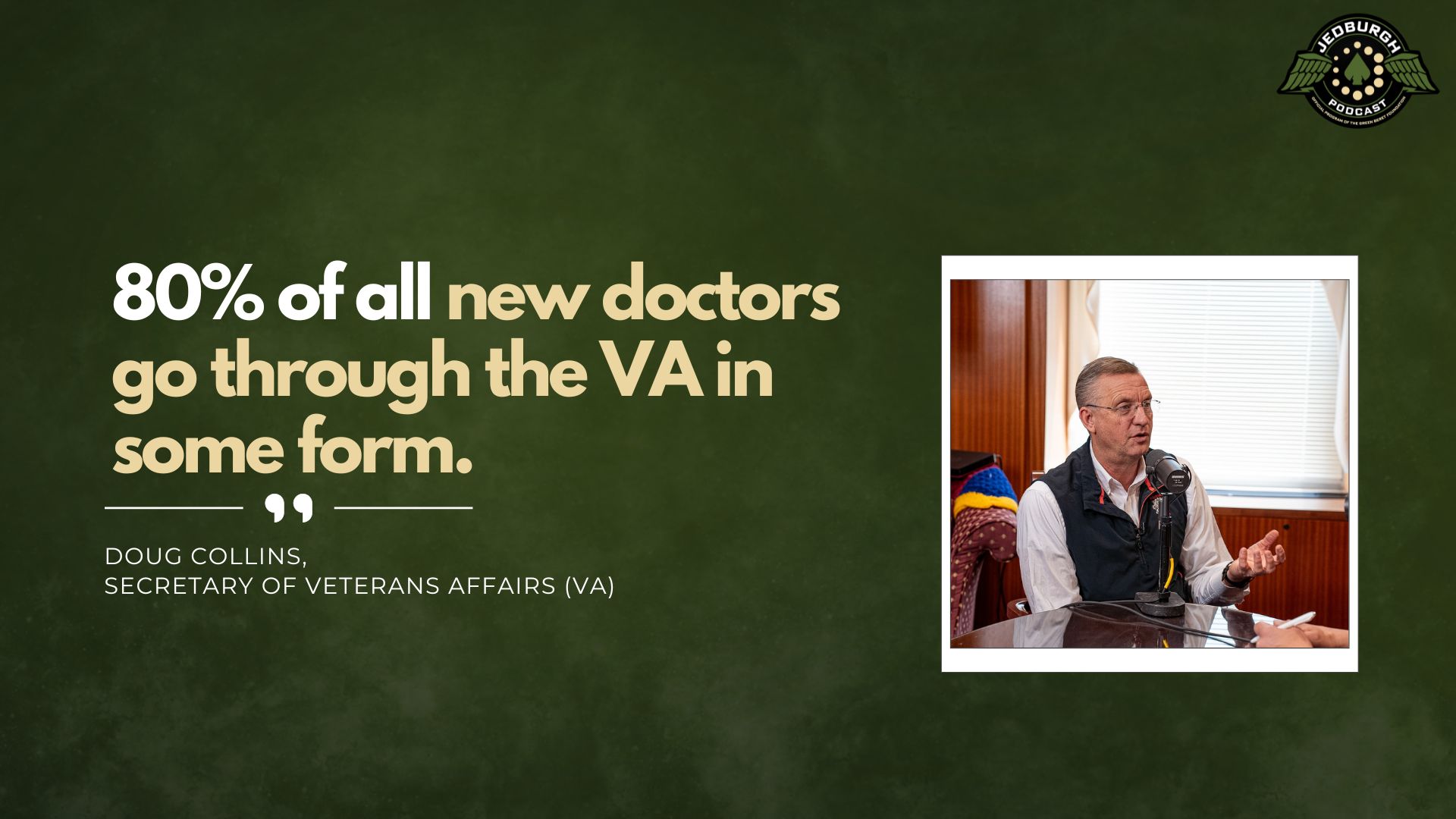
By the way, talking about us, training doctors, we train 80% of baby doctors in this country. An 80% of all new doctors go through the VA in some form of clinical rotation at some point. We are very proud of the fact that we helped medical schools that have, for years, trained doctors. What we need to do now is keep more of them. If you like the VA and you want to stay in the VA and get direct care for all your medical care, go for it. We want you to. In fact, we have opened 34 new clinics over the past year. We have about the same amount getting ready to be opened this year.
We have the facilities and the place to take care of direct care. If you do not want to go into the community at all, you do not have to. When we followed the law called the Mission Act, there were many in Congress, some from parties that I was not a part of, and others who thought that is privatization. They think that if you allow members to go into the community, you are privatizing the VA and taking money away from the VA. You are not. We have two separate budgets for this.
The direct care money has been going up every year. Is our community care effective because we have more veterans utilizing it? A lot of what we see is a very large age difference. Our older veterans tend to like direct care in their VA facility more than they do community care. Younger veterans, GWOT veterans, and the PACT Act, which I think is a great thing, pushed a lot of our folks to community care.
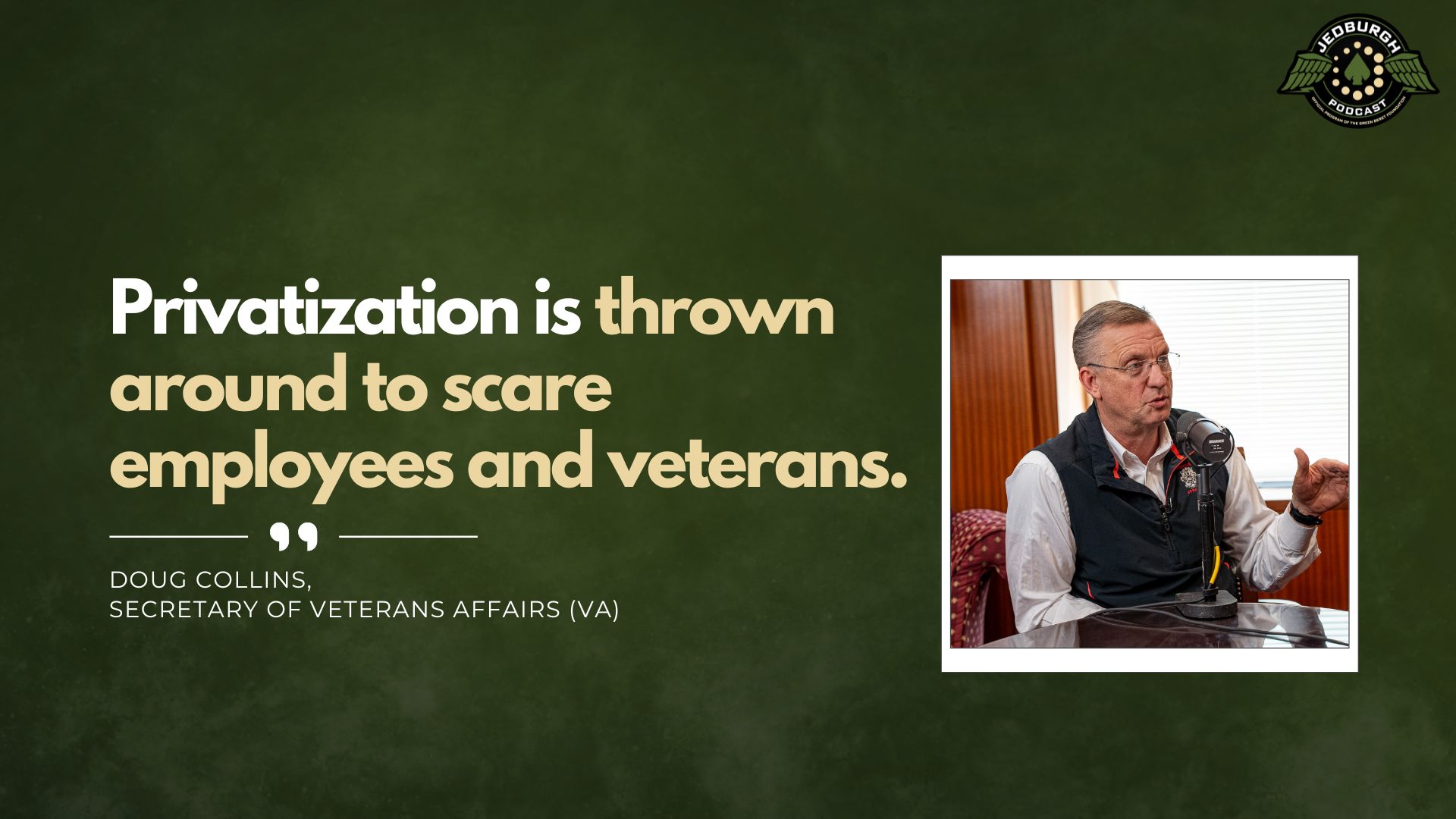
When I tell some of those who now say you are privatizing the VA by using more community care, I say, “The bill you passed actually opened that door for us to go to the community.” Privatization is thrown around to scare employees and to scare veterans. It really should be unfounded. Interestingly enough, you have some out there as veterans who want the whole thing to be privatized, including members of Congress, because that is just the way they are built.
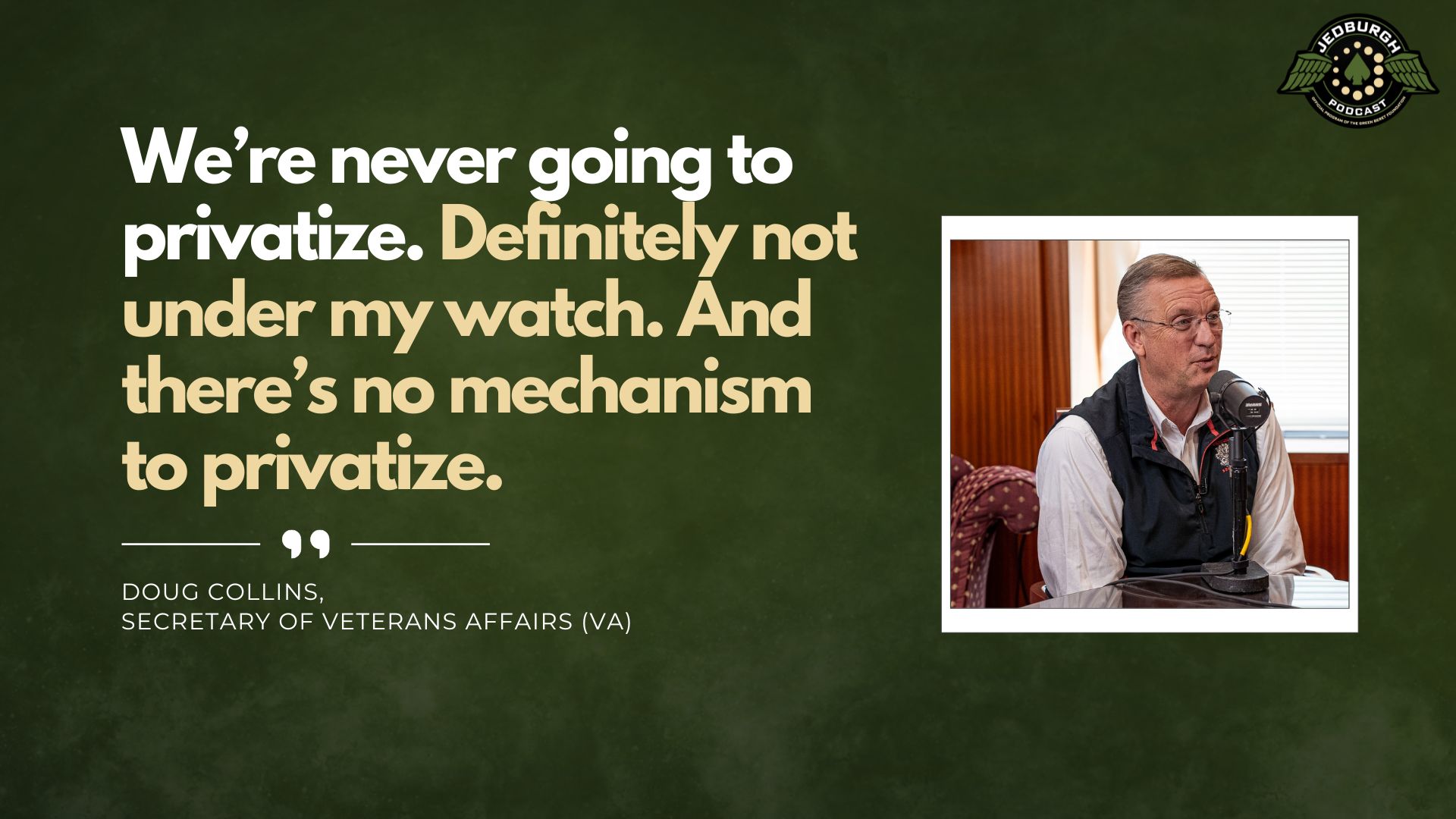
We are never going to privatize. Definitely not under my watch, and there is no mechanism to privatize. I have been accused of being able to close a hospital. I cannot close a hospital. I cannot close a hospital. Funny enough, the Senate, a few years ago, under Senator Tester, had a commission that was going to look at all the facilities and say what the utilization is, and could we combine any. This passed 100 to zero.
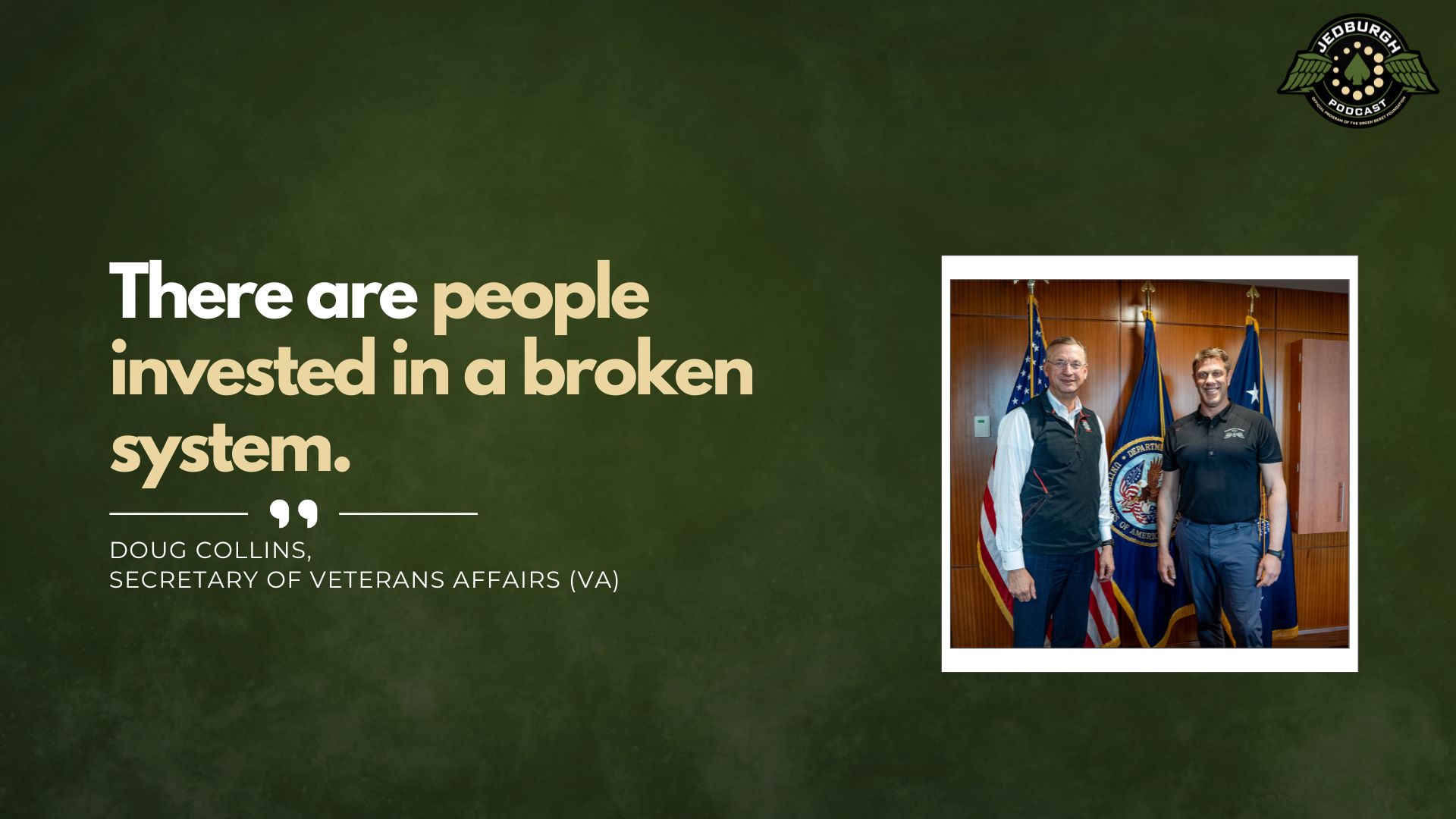
When they got the commission together to go get the final approval from the Senate, Tester just put it in the drawer and would not let it happen. It died. The same ones who went out in front and said we want to make the VA efficient also killed any ability to do that. They try to blame other secretaries or me for trying to try and privatize the VA. That is just not happening. I wish we could move forward on that and get over this, but there are people invested in a broken system. I know that is hard for some to take.
They are happier, seemingly, when the system is not working, so they can complain about it. They can try to get more money, or they can try to get something else instead. It is easier for them in Congress or other places to complain about a bad system without fixing it. I have run into the most backlash trying to implement electronic health records management and reorganization of the VHA to make it more streamlined, so veterans get care quicker. I have run into more resistance from those who are more concerned about how many employees we have and how big our budget is, as opposed to what the outcome is.
I am concerned about a veteran’s outcome. If we do that with more employees or fewer employees, that is up to Congress, and how we do it. At the end of the day, it is about a veteran. This privatization issue, I wish I could find a way to put it to bed, but somebody will always whip out the card of privatization. It is typical to help stir clicks or emotions or to continue a system that really is not working.
Some of that perspective comes around specialty care because the VA does not do everything.
No hospital system in the country does.
They refer you out to specialists. That happened to me with my eye injuries.
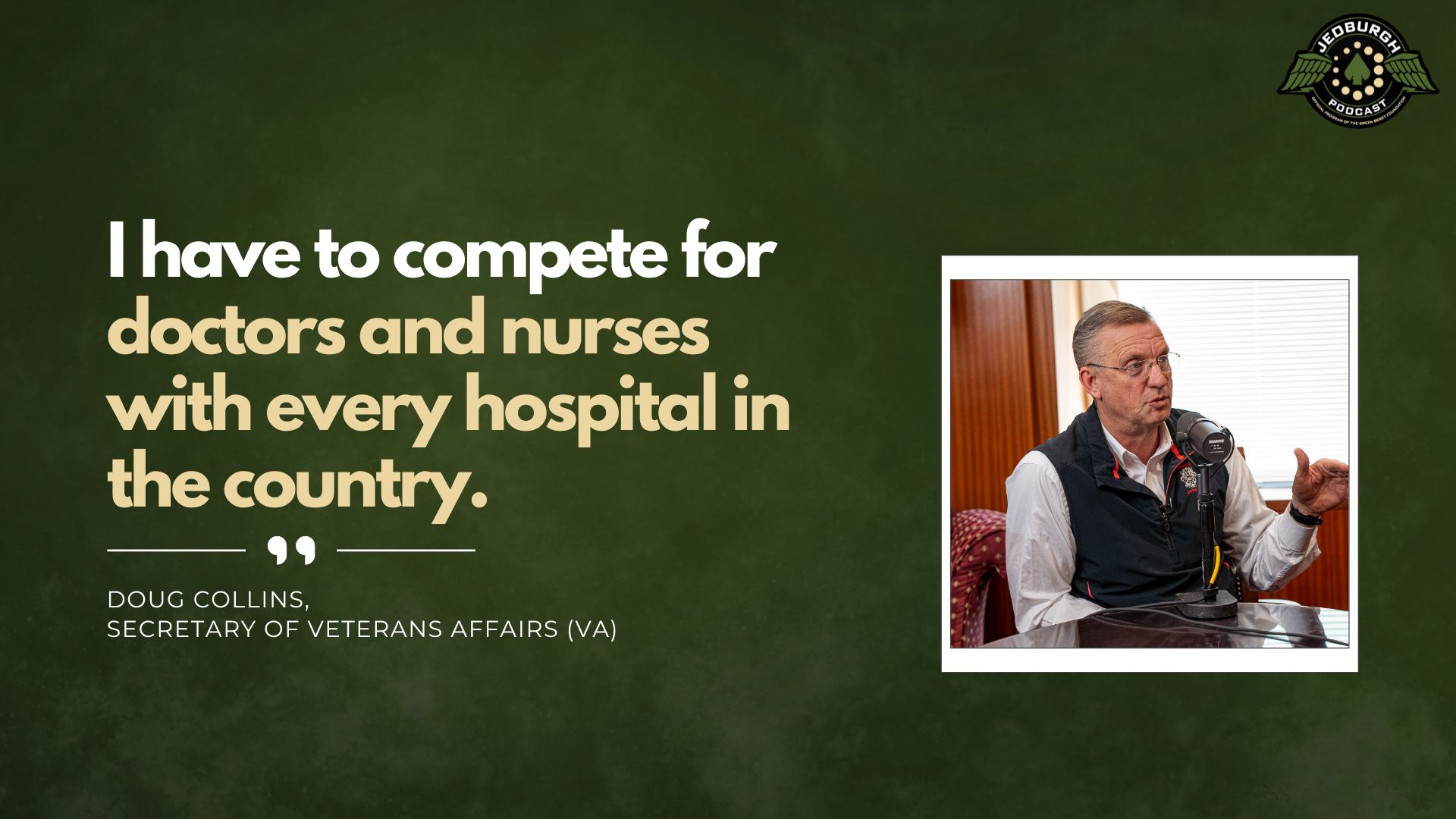
Here’s another thing, I am so glad you mentioned this. I have a limitation. I have to compete for doctors and nurses with every hospital in the country, from Mayo to the smallest local hospital. Where I have problems is in these specialty areas. I do not know how it is privatization. I am paying the bill. How can it be privatized when the VA is paying the bill? I do not get that sense because I am paying the bill for them to go to that care, not CMS, and not you. I am paying for it. The VA is paying the bill.
The VA cannot privatize because we are paying the bill, and we have direct care. If I have a system in which you need a specialty oncologist or you need a specialty intervention radiologist, here is a problem I have. Cleveland Clinic or some of these others can hire this person at $300,000 to $400,000 more than I can pay. I have made this known to Congress. I have made this known all over the world. Until they raise the cap for all of my specialties, where I can then pay them more, I will consistently not be able to hire some of these specialties, and they will have to be seen in the community because I cannot hire them. I am not going to make somebody work for less than they can. It is a free market system.
Especially if you want to hire the best.
That is my problem. It is not privatization in a sense. It is just the facts and realities of the healthcare system that sometimes people believe the VA can suspend. It is like gravity. I cannot suspend gravity. I cannot suspend the fact that we are part of the healthcare ecosystem. I just have to deal with what I have to deal with. Part of it is that we need to act better as far as being more aggressive in our hiring and changing our hiring procedure. We take too long to hire. I have got a process in now. We have had doctors and nurses taking a hundred days or longer to hire just to get them in the door.
I have set out a directive that by the end of the fiscal year, we are going to be in the 30 to 40-day range of hiring, which is very comparable to the private sector. I am not losing doctors to the private sector because we make them an offer. Three months later, we still cannot put them on, and they get another offer, so they go to work somewhere else. We are working on it. It is tough work because the system was so bent on itself. I cannot tell you how different the outlook is right now at the VA from what it was. That is a slow, bureaucratic, dragging organization that did great work, but many times could not get over itself.
There have been a lot of changes in the organizational structure of the VA, but I will say, when you look at the workforce. There are large reductions that happened when DOGE came in earlier in the administration, and some of those effects still linger throughout the organization from an employee perspective. How would you assess the employee morale and the person who comes in, wakes up every day, and says, “I am going to work at the VA”? Are they excited to wake up and come to work?
DOGE, let me take that apart. We have over 30,000 folks who took early retirement last year. It had nothing to do with DOGE. We fired nobody. That is another thing that gets talked about, that we went and fired everybody. We did not. 30,000-ish, a little more, took early retirement. This is what was not added to that. In the previous five years, we had added over 100,000 employees and over $150 billion to our budget in the previous administration. What was interesting was that our metrics went backwards. Our disability claim wait time was over 260,000 when I got in here. We are at 80,000 now, by the way.
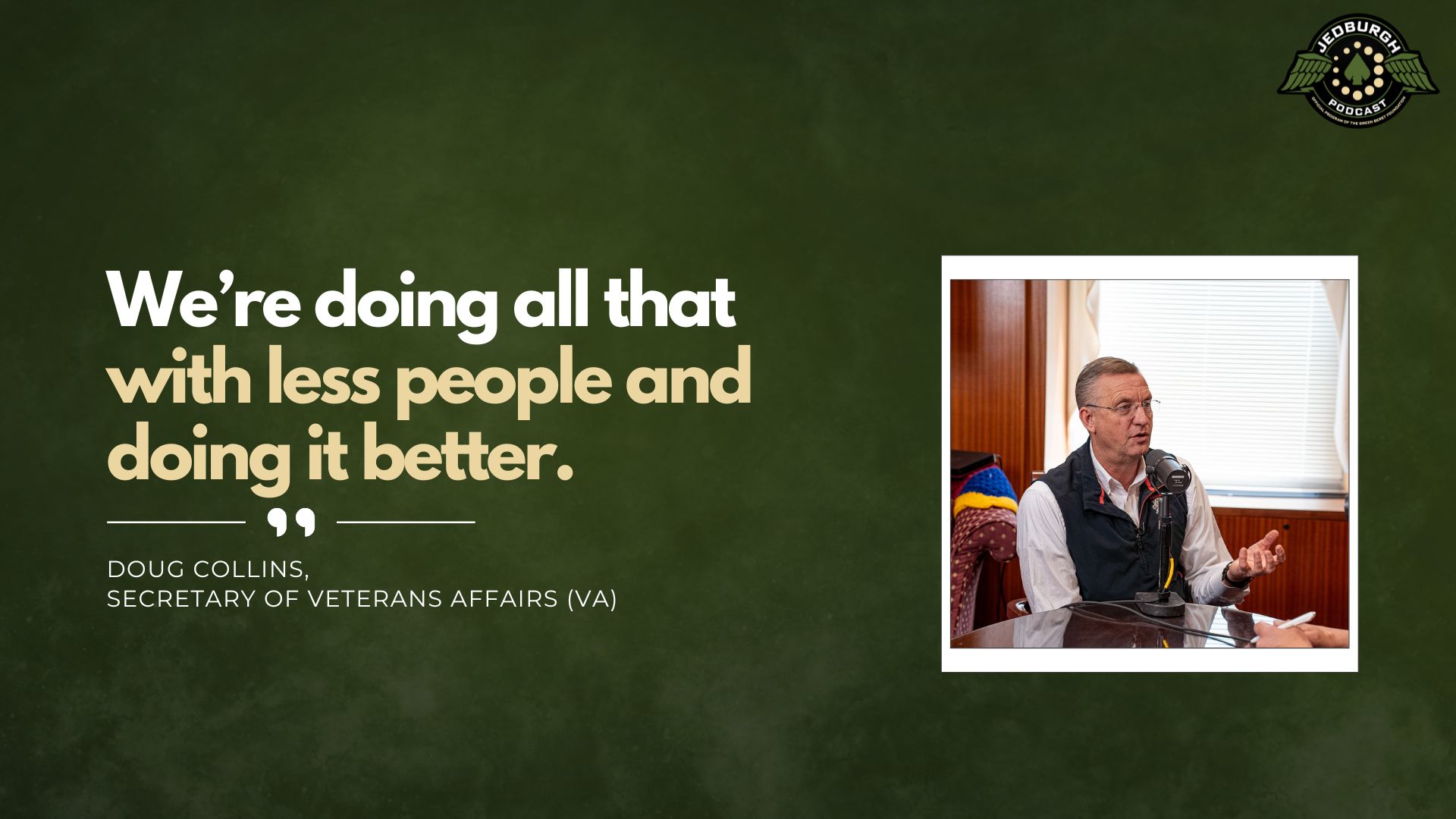
It was 139 average days to complete. We are at 75 now. We had over a million claims just waiting. We are now down to roughly 500,000. We are getting to a normal process of not catching up. We are doing it as we get them in. That is all with the change in the structure of force. That is all with folks who took early retirement. We are doing all that with fewer people and doing it better. Do we have vacancies in hospitals right now that we need to fill? Yes. Did we have vacancies to fill five years ago? Yes.
Did we have vacancies before 30,000 people took early retirement? We did. I will never deny that. You can look at whether we are filling it quicker than it has been filled in the past. Yes. Is our rate of employees in the system lower than where it was, but are we keeping them? We are keeping them better. Here is an interesting statistic that also needs to be said. In the last five years, the VA has had about a five percent growth in patient contact. When you go in, that is a contact, five percent growth overall.
Not bad. Do you realize what our FTE count was? How much have we grown in it? It’s 14%. There was 5% interaction, but we grew 14% in our FTE count. As I just said, most of our numbers were not improving. You would have thought that much more would have helped this much more. We are actually going backwards. Some of our facilities actually had a 33% increase in people and a negative decrease in patient interaction. They were seeing fewer people and had 30% growth in our personnel.
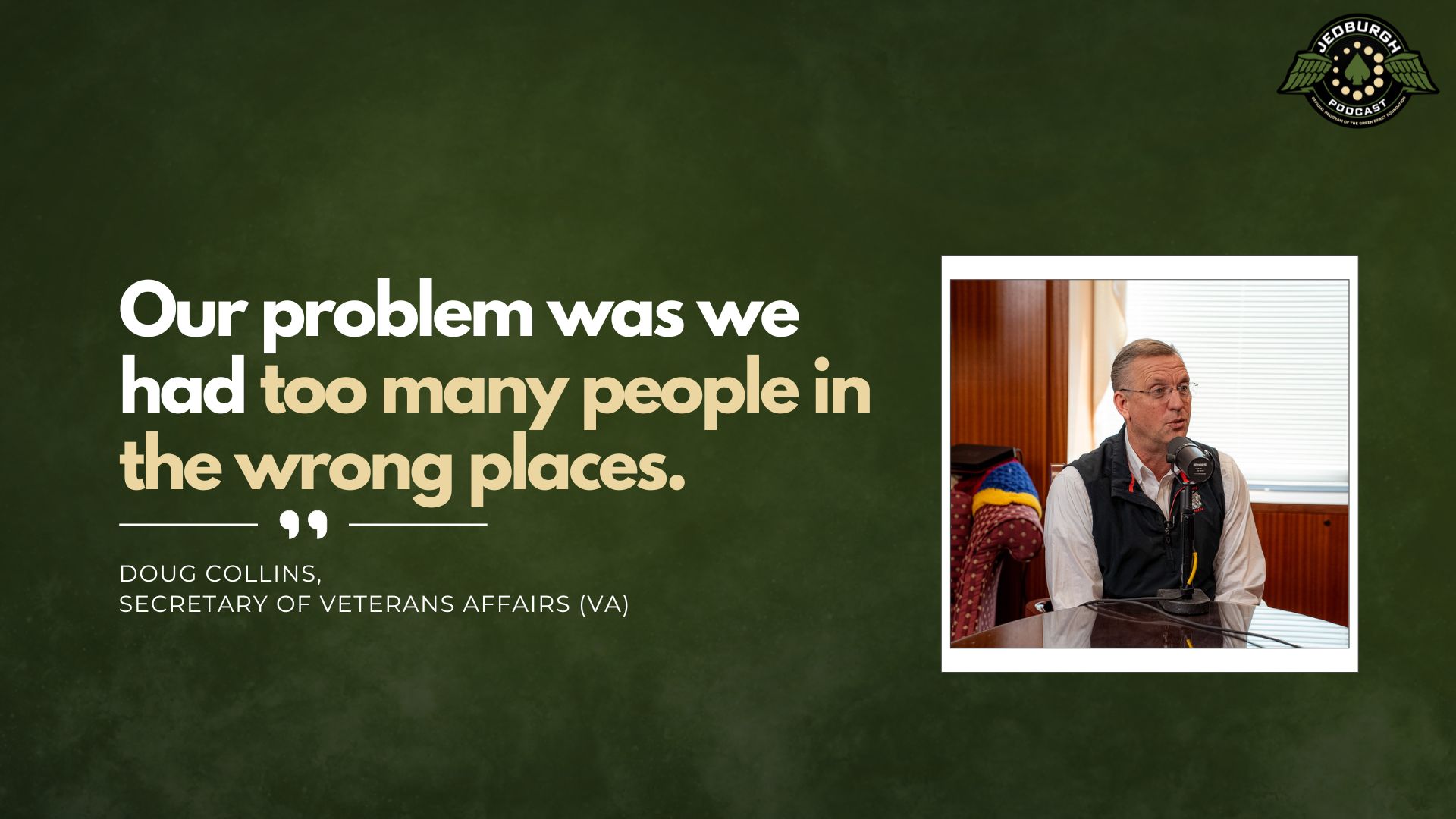
Our problem was not necessarily that we did not have people, who we need right now. There is no hiring freeze. We will hire anybody. If we have to have a doctor, we will go out and hire one as quickly as we possibly can, just like with everybody else. Our problem was that we had too many people in the wrong places. We hired too many back-office people. We hired too many people in other places that we did not need.
I have coached baseball and football, and Little League for years, and played them myself. I remember a coach one time in our draft. We are getting in there, and we are drafting the kids, and we are picking the kids around. I watched this one young coach, and he started picking, and he was one of the early picks. He picked one of the kids who could be like a quarterback. The next round, he picked another kid who was the same build, a quarterback.
He got into the third round and picked another kid as more of a running back, but a quarterback, because all the kids listed what they wanted to play. We got into the fourth round and the fifth round, and he was still picking quarterbacks for the team, and the rest of us would pick a running back or a lineman, somebody to block. What ended up happening was he drafted for the first 7 or 8 rounds, all backfield, and he was letting all the linemen go unpicked. It was a terrible year. He had nobody to block. Part of our issue was that we hired in the wrong areas. I did not have a Manning when I first got here. You have been in the military for years. Did you ever have a Manning document?
You need a Manning document. You have got to have one. I had a Manning document for my company.
I did not have one here. It took me a week and a half to get the total number of employees. I could not even get the total number of employees. We were still paying half of our employees out of a centralized payroll system, and we allowed 60 other units in the VA to pay everybody else. We are finally getting that back merged together. We were hiring people without knowing why.
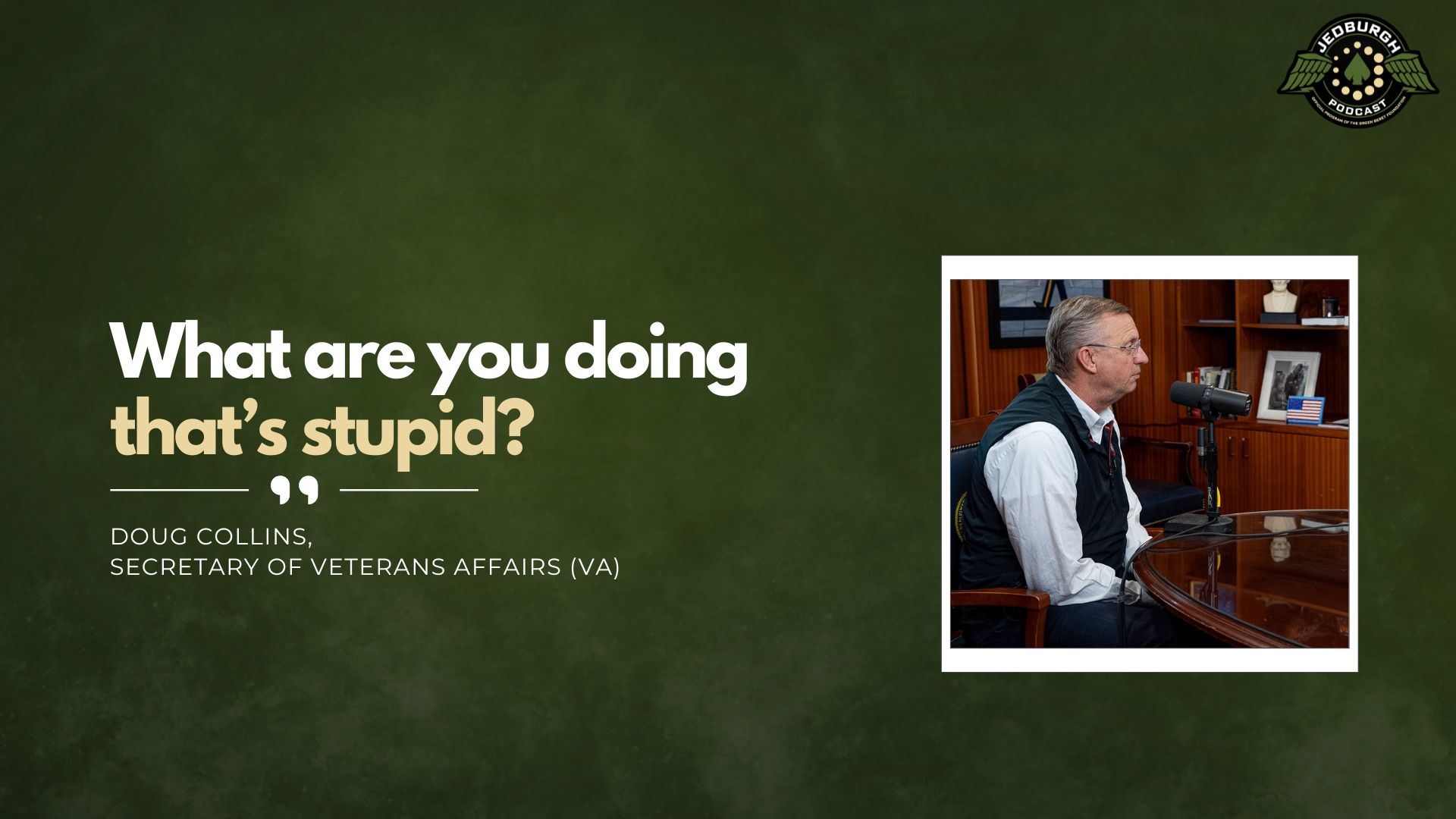
We were just saying “hire.” We would hire people in certain areas that were not the best use of our time or our best use of our workforce. Our workforce now knows I have their back. I want them to be proud to work at the VA. I ask the question to every hospital I walk into, “What are you doing that is stupid?” What are you doing here that you would not do at another hospital that interferes with patient care?
Faces light up.
After they see I am really serious, they say, “I have to do this three times on this paperwork. I would not have to do that at another hospital. It takes this long to get the patient what they need.” I said, “Let us fix it.” We fix it right there on the spot. We come back home, we fix it, and we change it so they can actually do their job quicker. We are not in any mode of reduction force. As I said, I never fired anybody. We took the volunteers. We have not had any this year. We are not looking to have any. Our budget has grown. The president has been very generous again this year, and Congress hopefully will be as well.
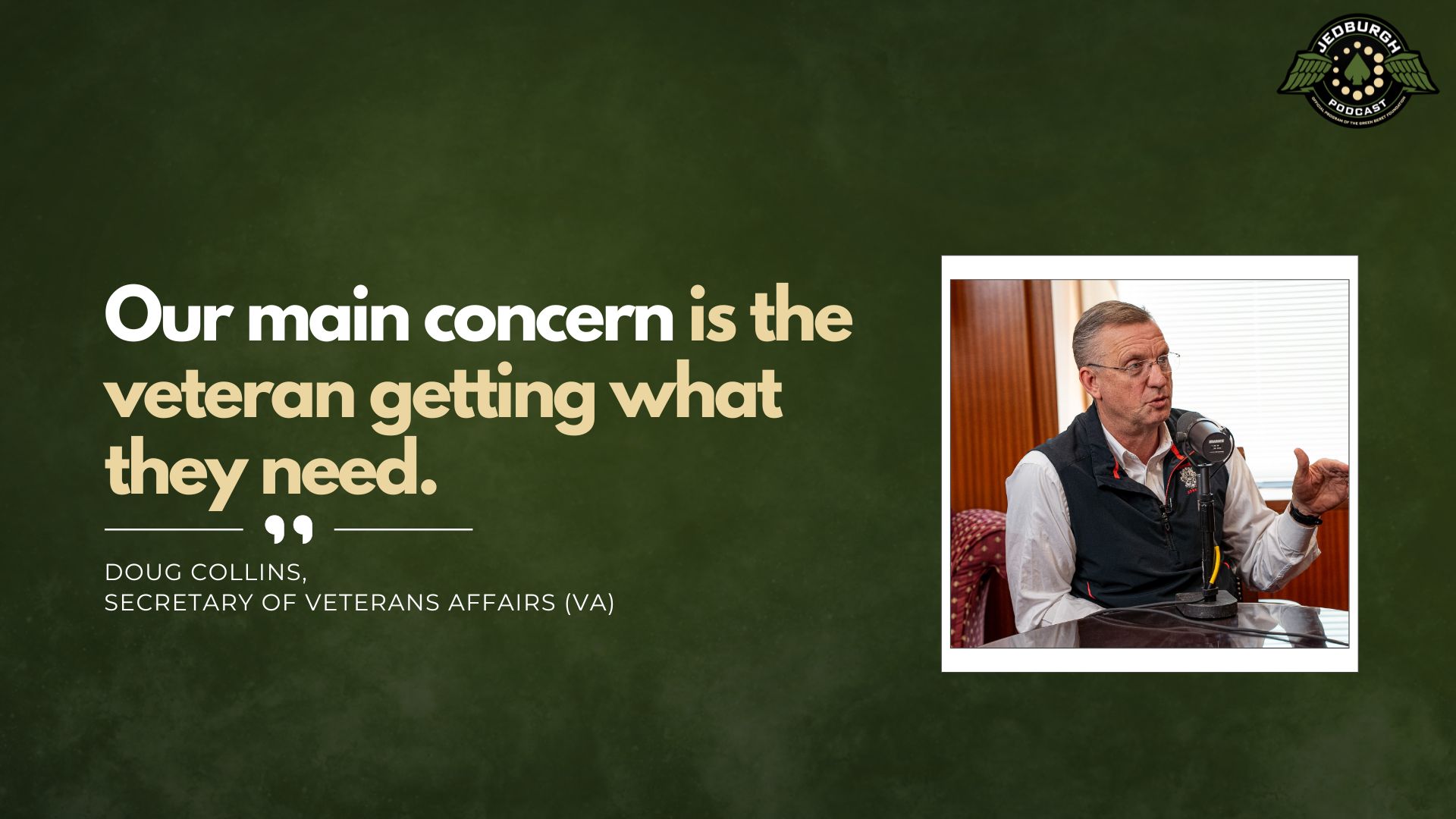
We have a situation where we can be effective at what we do, but the outcomes at the VA were for too long determined by FTE counts and how much money the budget is. They did not care about metrics of performance. They did not care about the quality aspect of that. Is the veteran getting taken care of? We flipped that on its head. Now our main concern is the veteran getting what they need.
We will adjust our workforce and our budgets to make sure that happens. I hope that at least expands out because I still have articles today about being shorthanded in an X-hospital. I am not denying that we might need a doctor or a nurse, or two here. We are hiring every day. If you have a person in there who wants to go take a job, we will hire them tomorrow. It is not because we are keeping them out. It is not because we have a hiring freeze, which some like to say. It is because we are just like everybody else. We hire the same doctors and nurses that every other hospital does.
To clarify this, we are doing more with less. It is, frankly, not fair in the sense of what we are looking at. Do some people feel like they need more help? I am the same way. I look at their numbers, but we tell them to hire. The biggest issue is that we just changed how we expected our workforce to act, to get the high standards up, and to make sure veterans are getting taken care of.
I want to ask you about another one of these topics that is out there, and that is the VASP, the VA Home Loan, where they are taking over loans that were in forbearance. That program has been cut as of March last year. Can you talk for a minute about the impact that has had because the numbers fluctuate, where folks are saying there are anywhere from 10,000 to 17,000 veterans who lost their home or were prepared to lose their home because that program was taken away?
Let us also understand something here. The Mortgage Bankers Association, mortgage bankers, are the ones who actually foreclose. We do not. They have tried to force it on us, saying, “You did this.” They are the ones who ultimately make that decision at the end of the day make that decision. We have many outlets for veterans to get help. Now we have a partial claim. There are a lot of things that veterans can do to get help in this. At the end of the day, it is the bankers who decide to foreclose, not the VA. We do not foreclose on anybody. VASP was a made-up program that was never budgeted. It was put into play in the previous administration, coming out of COVID.
Members of Congress, including the chairman of the House Veterans Affairs Committee, the Senate, and others, all said VASP was not a proper program, should not have been done, and were in favor of getting rid of it. It put the VA in a position of having foreclosed houses, stuff that we were building up, that we had an interest in now because we were taking a part of it. When those happen, we are not a realty company. We do not turn in these houses. It was just a bad program. That is why we stopped.
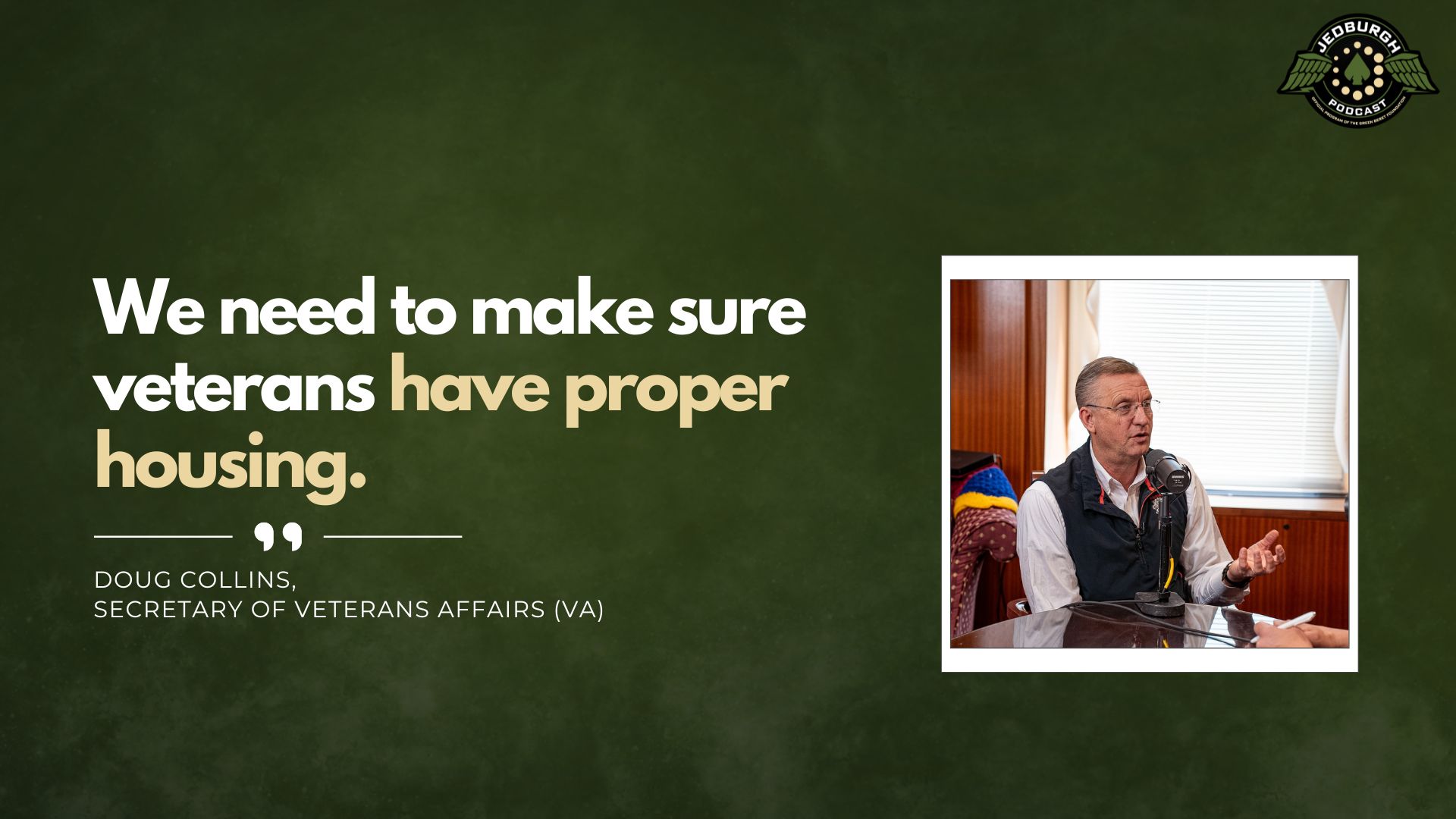
A partial claim has now been signed by the president to help get that in motion. The big thing that you have to understand is this, I’m just being honest about this, we need to make sure veterans have the proper housing that they need. They need to be able to get jobs and keep jobs, and they need to be able to make the house payment. If the situation continues, we are going to give them every opportunity to do that. At a certain point in time, especially if they can work and they are not making the house payment, then that is a part of the system that happens to anybody else in this country, too.
I am not unsympathetic toward it. We are trying to do everything we can to help. We have been cast in a bad light by the mortgage banker folks, saying that we are the cause of this. They are the ones who ended up at the end of the day, pulling the mortgage. They are the ones who put the people out on the street, not us. We will give them every opportunity and work with programs. Many times, they are not using the programs that are currently available to them.
The concept out there that we discuss a lot about is that veterans are not victims. To me, when I look at some of these discussions where we cast veterans as victims, what we tend to do is take away what you are talking about, which is personal responsibility. At the end of the day, if you buy a car, you buy a house, or you spend money on your credit card, you have to pay for those things. People run through difficult times. They have times when they get fired or they get laid off. All of these life things happen to us. We cannot position veterans as victims who say just because you are a veteran, we are going to bail you out.
I appreciate you saying that. I get charged as a demon for saying that, but it is true. I do not mean this badly. I want to help every veteran stay in their home. I want to help every veteran get a good job. Go to VR&E. If you are not in the employment that you want to be, come to our vocational rehab. We will get you into a new job. We will help pay for getting you into a new job. We want to help everybody we can, but at the end of the day, we both go back to the military. How many E1s and E2s got those first two paychecks, and they went out and bought a new truck?
It was a sick ride. It was a great ride until they could not pay the $800 a month.
Six months later, they said, “I cannot afford this.” They go back to the dealership, and they sell it. I am not making light of the home situation, but I am making sense. We are doing what we can do. I do not take kindly to industries casting aspersions on us for what they do at the end of the day.
The programs are out there for aid and help. Even coming from a nonprofit position at the Green Beret Foundation, we have a vast amount of programs where we help folks in need. We also get the phone calls, just like we have with some of the policies that we are talking about here, that say, “I do not have any money to pay. My car needs a repair.” So does mine.
“Are there mitigating circumstances? Did you lose your job?” “No, it is just an expensive repair, and you should give me money to pay for it.” It does not really work that way because you were a veteran. We still have to go out there, and we have to figure out these things for ourselves. I get it, and it is very challenging.
I try to be sensitive to it, but also, you just have to be honest about what the situation is.
The big topic out there, especially as I was walking in, I saw the headline that the Vice President is leading this anti-fraud task force across the government. Disability claim fraud has always been a topic of conversation. Probably since disability claims were started many years ago. How and what are you doing to prevent fraud of disability?
Let us separate this out because I appreciate what you said about veterans not being victims. I have been saying this for years. I am not a victim. I chose everything that I chose. The VA is here to help me overcome anything that happened to me during that time. That is why we are here. This idea of, and I see this a lot, there was a social media meme that went around of this person who looks fairly normal, like all of us, and they said, “I get $3,000 a month because I have X, that is my disability rate.”
It was jumped on as saying, “This is fraud.” No, it is not. Congress has set forth our disability scale. Congress has set forth what we pay for. Congress has set forth that this condition gets you 20%, and this condition gets you 50%. That is not fraud because every member of the military had to prove what the issue was.
How is that fraud?
You may not like it, and members of Congress may say something about it, but they hold the key. They can say tomorrow we are not going to cover X. They cover this. They do not like to say that. The general public looks at it because they have never served or they do not want to understand it. They say that it is fraud. It is not fraud. It is a system that has been designed, and we do everything we possibly can to live within that system.
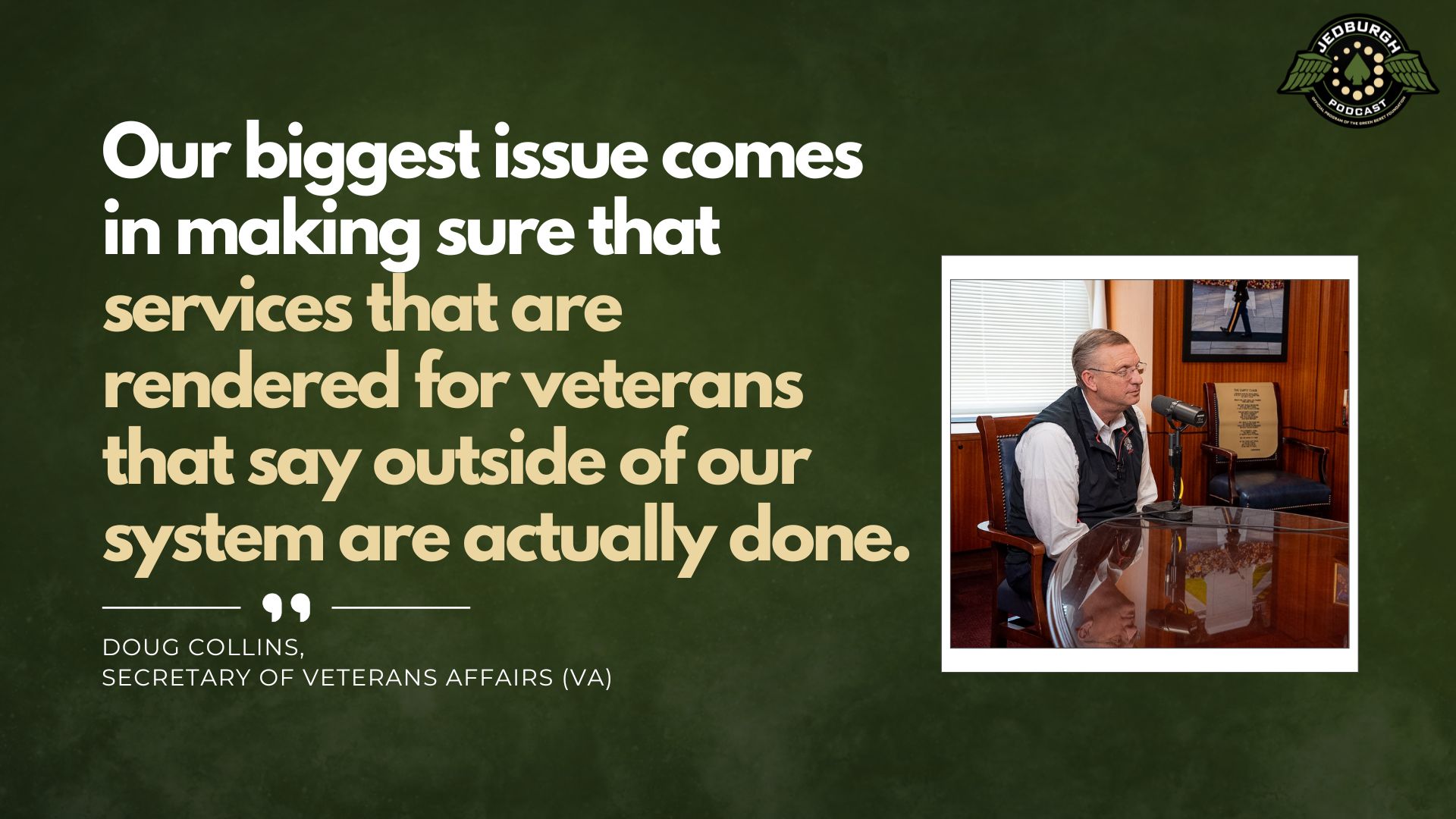
We started this podcast talking about disability benefits and the worry about losing your benefits. Now we have gone full circle, with many people thinking that the same benefit is a fraud. I will tell you where I think our issues of fraud that we are trying to look into are. There are unfortunate groups out there that are giving similar answers. They know the trick. We are just making sure that does not happen. Our biggest issue comes in making sure that services that are rendered for veterans outside of our system are actually being done.
For community care, are you actually getting this? Let us say you are going for shots in your neck. Are they doing it the proper way? Are they charging us the right way? Those are things that we need to make sure are being handled properly. I already had one case in which I had a veteran in South Carolina who was getting shots and happened to be friends with one of my best friends who had just retired as an intervention radiologist.
They were talking about this series of shots in his shoulder, and my friend said, “It did not feel right. They gave me the shot.” My friend said, “Did they use the scope to make sure they were getting it in the right place?” He said, “They did not even lay me down. They just came in, gave me the shot, and left.” My friend, who was an intervention radiologist, said, “Uh-uh.”
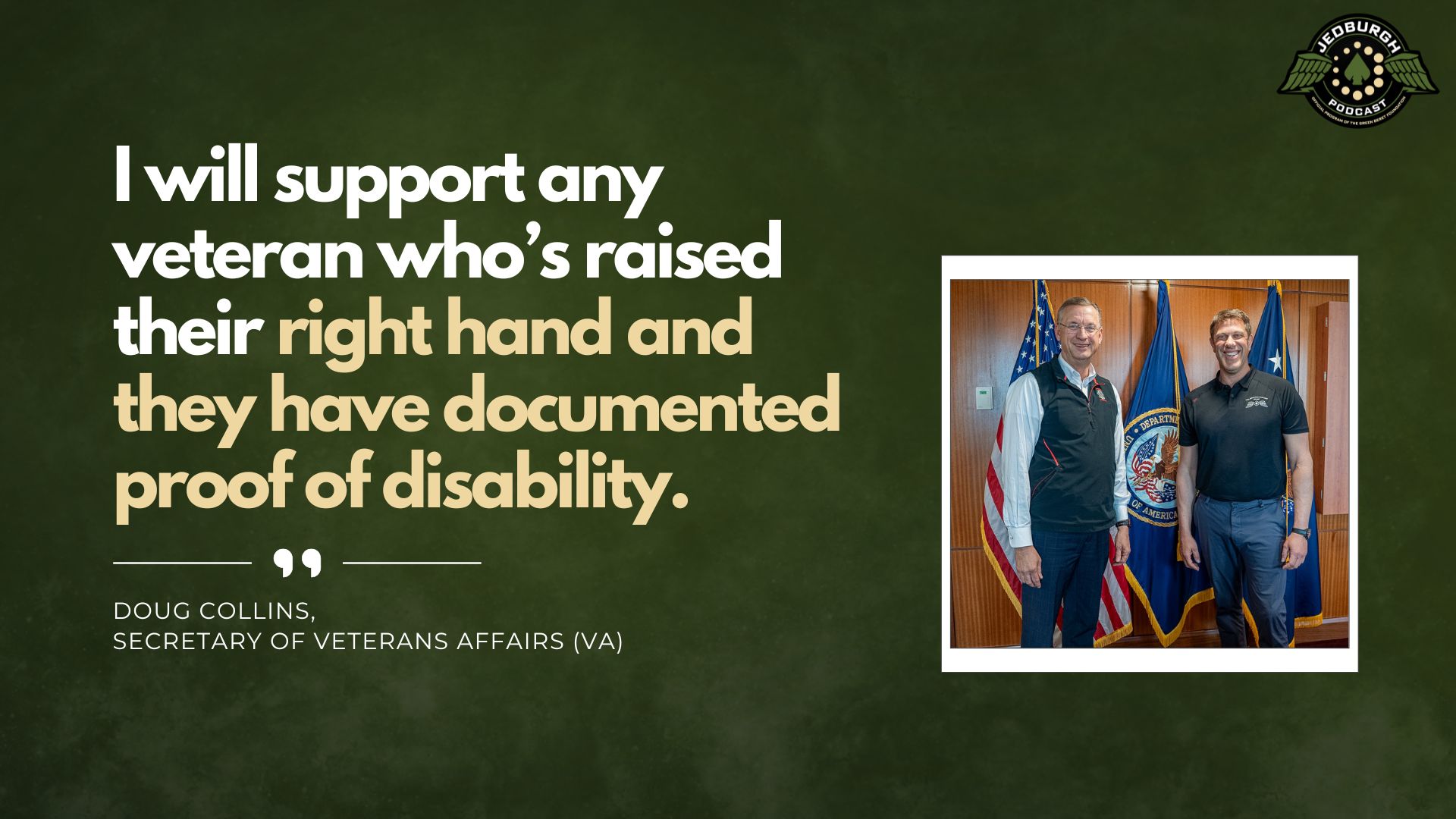
They looked at the bill, and they had charged them for the scope and for everything. That is being investigated by our internal affairs. OIG is looking into that. That is where we are making sure that people are not taking advantage of our veterans. That is where we see the fraudulent issues. I want to make it clear that I will support any veteran who has raised their right hand and has documented proof of disability. I do not like that word because disability implies something.
My daughter has spina bifida. She cannot walk. She is disabled in that sense. Sometimes we associate disability with inability. Disability, when it comes to the VA claim, is stuff that has happened to you during your time of service that would not be present if you had never gone into that service. We are compensating you because you went to battle or you raised your right hand and agreed to serve our country as a member of the military.
I will always fight for everybody’s ability to find out what their disability ratings are, if they have them. That is not fraud. If they do it the right way and document it, that is not fraud. If you do not like it, take it up with Congress. We are going to continue to give those benefits as the law requires. We are also looking at people outside who may be charging us incorrectly, like vendors. We make sure we are spending our dollars wisely.
Last thing I want to ask you about is suicide prevention expansion and the initiatives around there. The Staff Sergeant Parker Gordon Fox Suicide Prevention Grant Program has been front and center. We run these numbers around 22 a day or 17 a day.
It is 40 to 50 a day. That is reported. I get accused of the VA hiding the real number. I have always said 17 to 22 is the official number. Could it be as high as 30 or 40 because of the way it is reported? Yes. If you are out there telling me that I hide the numbers, quit lying about me. I do not say that. We needed something taken seriously.
Suicide prevention, when I got here, we were spending $500 million on prevention, except we were talking to the wrong people. It took me about six to eight months to figure out, “Why am I getting these numbers on what we are doing?” The Fox Grants, by the way, we have actually tightened our Fox Grant so that we have our Fox Grant recipients actually showing us how they are reaching the unreached veteran.
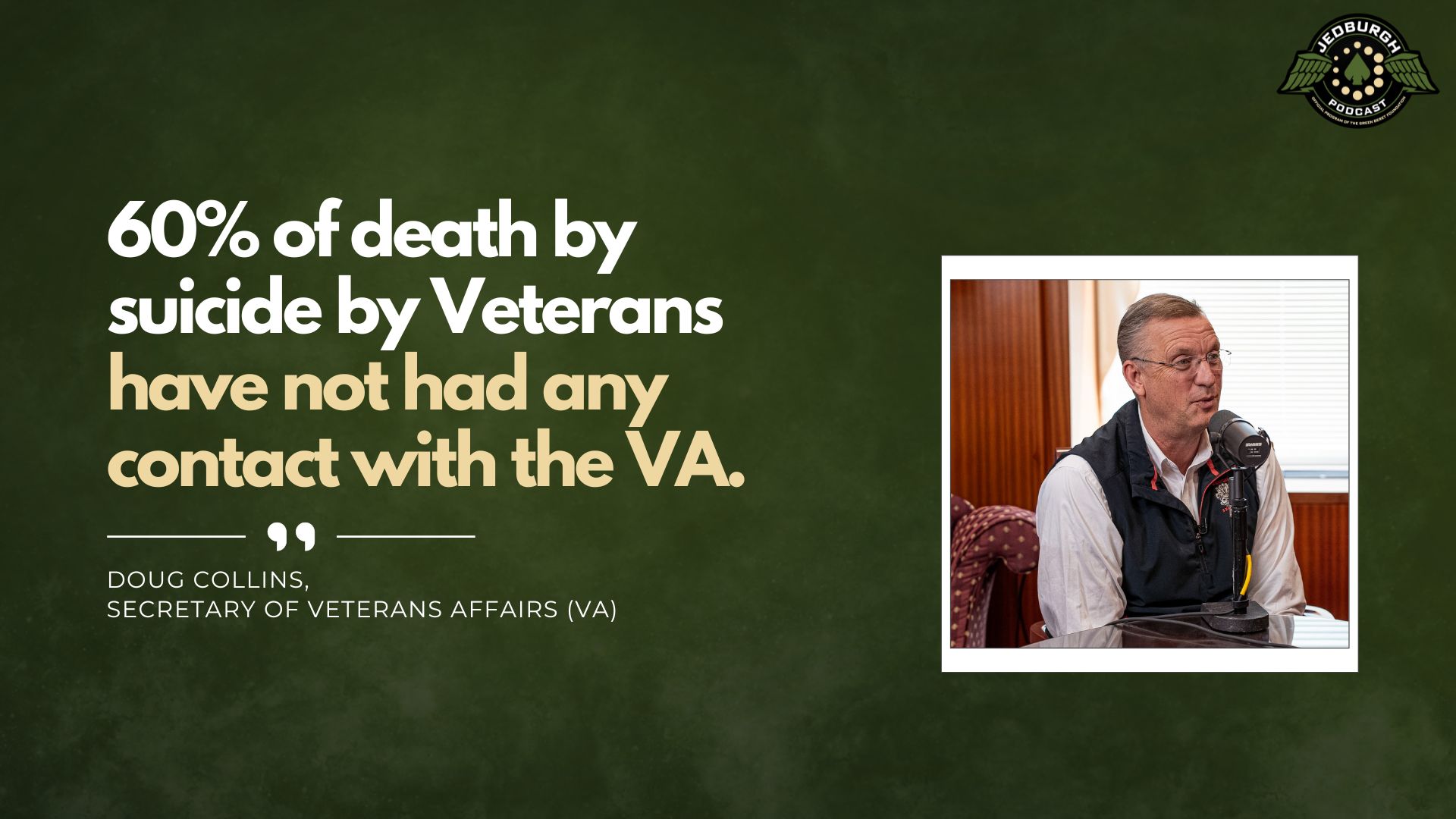
That is something that should have been in there from day one. It was not. It is helping us because we are reaching out to new veterans now. Fox Grants are great. I support them completely. They also need to be reaching that unreached veteran and not just the ones that they know about. We are looking at taking that money and saying how do we reach the 60% that are not in the VA because that 60% of death by suicide by veterans have not had any contact with the VA.
We are going to podcasts like this. We are going to use UFC, Major League Baseball, football, NFL, NBA, rodeos, singers, and hunters, and say we are expanding the audience. We are not just going to put a billboard out in front of the VA. We are going everywhere we can, using email and social media to make contact with these folks, because it is important that we do not lose one.
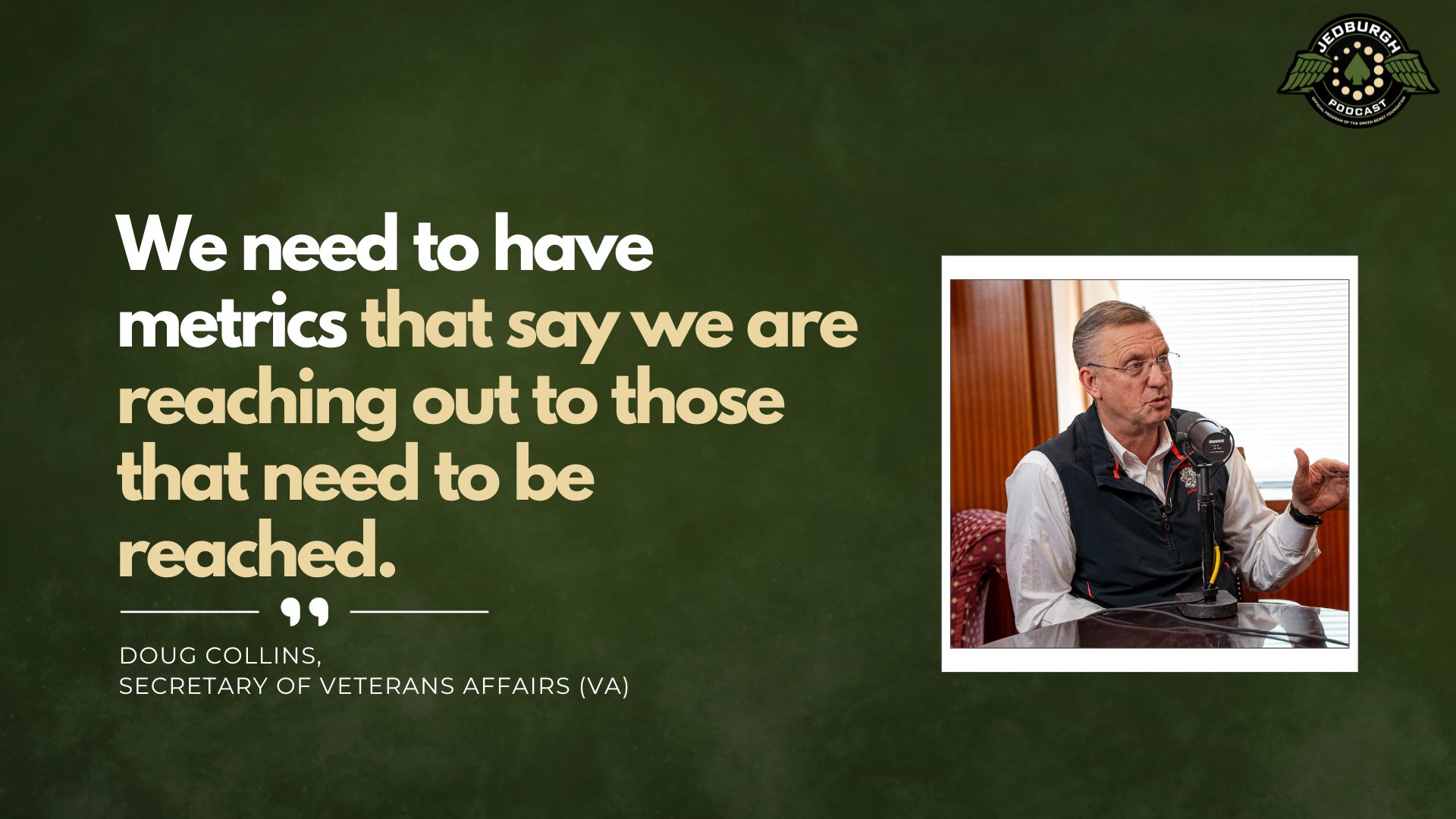
We have to figure out how to reach those. For us, the Fox Grants and the money that has been in there need to have metrics that say we are reaching out to those that need to be reached. I am not going to back up on that. It is crazy for us to spend money that does not get results. I could probably sum up the last 30 to 50 years of the VA in one statement. “The VA many times was more concerned about itself, employees, and budget dollars than we were about actually finding metrics for the veteran.”
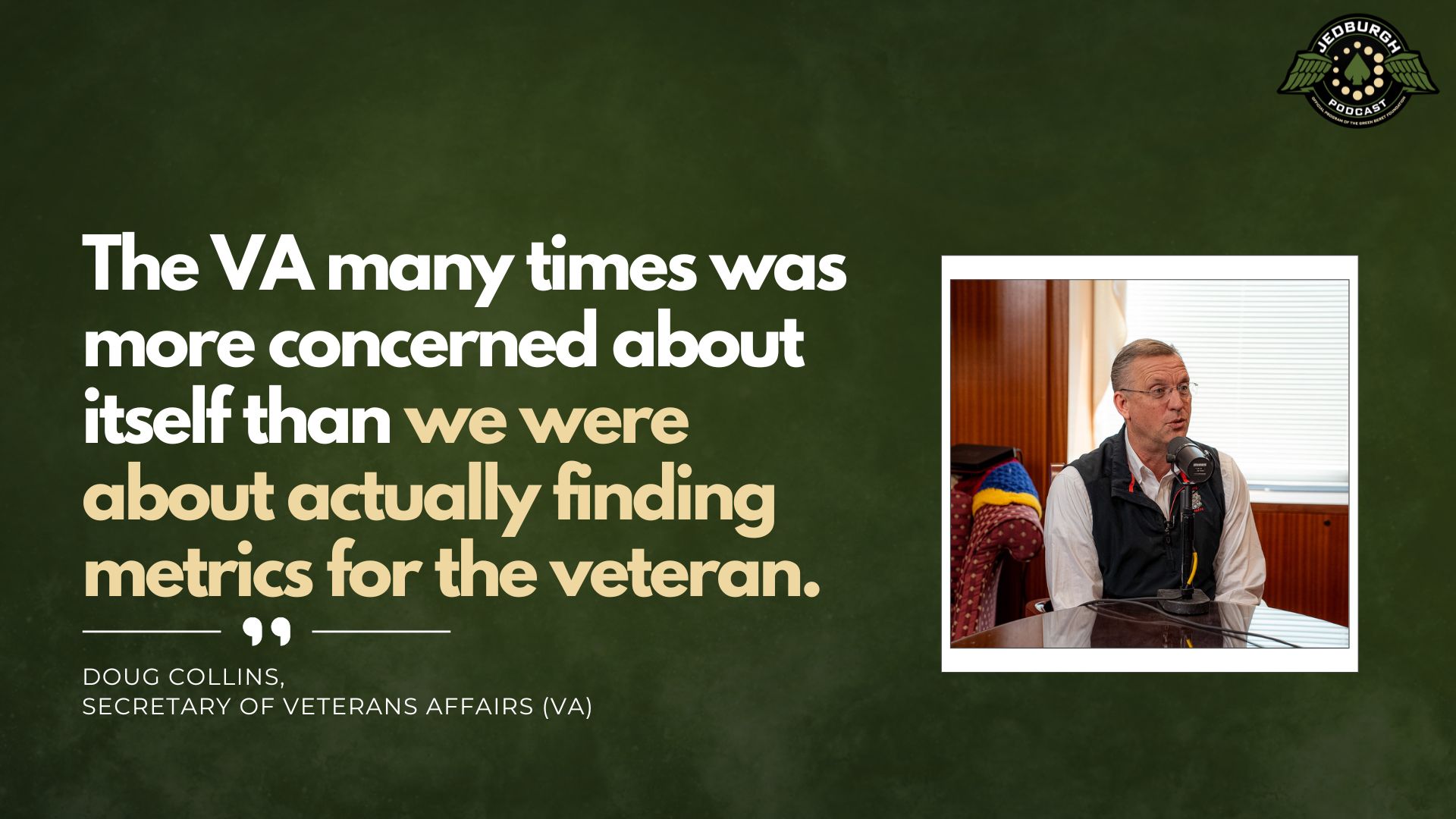
That is not for everybody, so before anybody gets bent out of shape, saying Doug said, “The VA never cared.” No, they cared, but was it focused on results or was it focused on just getting a program out there? I do not care how many programs you have. Just have something that works. Show us the results. Fox Grants has done a great job doing that. A lot is going on in the world.
I told you before we started that we were just on Capitol Hill before we came over here. There are people everywhere. Everybody is advocating for their cause.
They have been gone for a little while, so they came back.
Everybody is back. Votes are going on. One of the things that we see that is permeating our government and the feeling of society is that there is this huge divide between the parties, and that has trickled down. There are people now you cannot even try to engage in a conversation with because they start, “You like Trump,” or “You like Biden,” or “You are a Republican,” so I cannot even talk to you.
At the end of the day, what we need out of our leaders, whether you are appointed or whether you are elected, is to advocate and serve the American population. In your opinion, in this critical time, I do believe it is a critical time for our nation. Not only in national defense and national security, but also as a society. How do we bring everyone together and start to really take action that supports the American people?
[ I started in Congress. If people saw the off-the-podium members as opposed to the podium members, they would never recognize the two. There is some performative behavior that goes on there. In Congress, especially after the last 15 to 25 years, there has been a polarization where “I am a D, you are an R.” We are going to act accordingly. I was very happy with the fact that when I was in Congress, I reached across the aisle.
We actually passed a lot of bills. Hakeem Jeffries and I passed the First Step Act. There are a lot of things that we passed. Did we agree on everything? No. I think what we have to get into now is looking at it totally. I am not ever going to get everything I want, and neither are you. What can we agree upon to say this is winnable for both? I may not get all I want, and you are not going to get what you want, but at the end of the day, we are going to do what we are doing for the American people. I get the benefit of dealing with the largest retail agency in the federal government.
If a veteran does not show up to the hospital or to the computer or call us, nobody in the VA has a job because I do not make policy for anybody else. The unfortunate part I have is just some of the comments. We lowered the disability backlog from 260,000 to 60,000, and yet today, in a hearing, part of the complaint was, “Are you making sure those are accurate?” Yes, in fact, our accuracy and our quality actually went up. It is not, “Let us be happy for the result for the veteran,” it is “Your team did it, so my team is not happy.”
That is where we have to look at it a little bit. I will not be who I am. I came from the background of a Republican conservative. We are always going to have our beliefs, but at a certain point, I am not going to shed my beliefs to get something done. I am also going to say what we can get done that upholds the fact that I have to take care of my veterans. How do I do that? Most efficiently with taxpayer dollars. The American people and the veterans make the money that I get to spend.
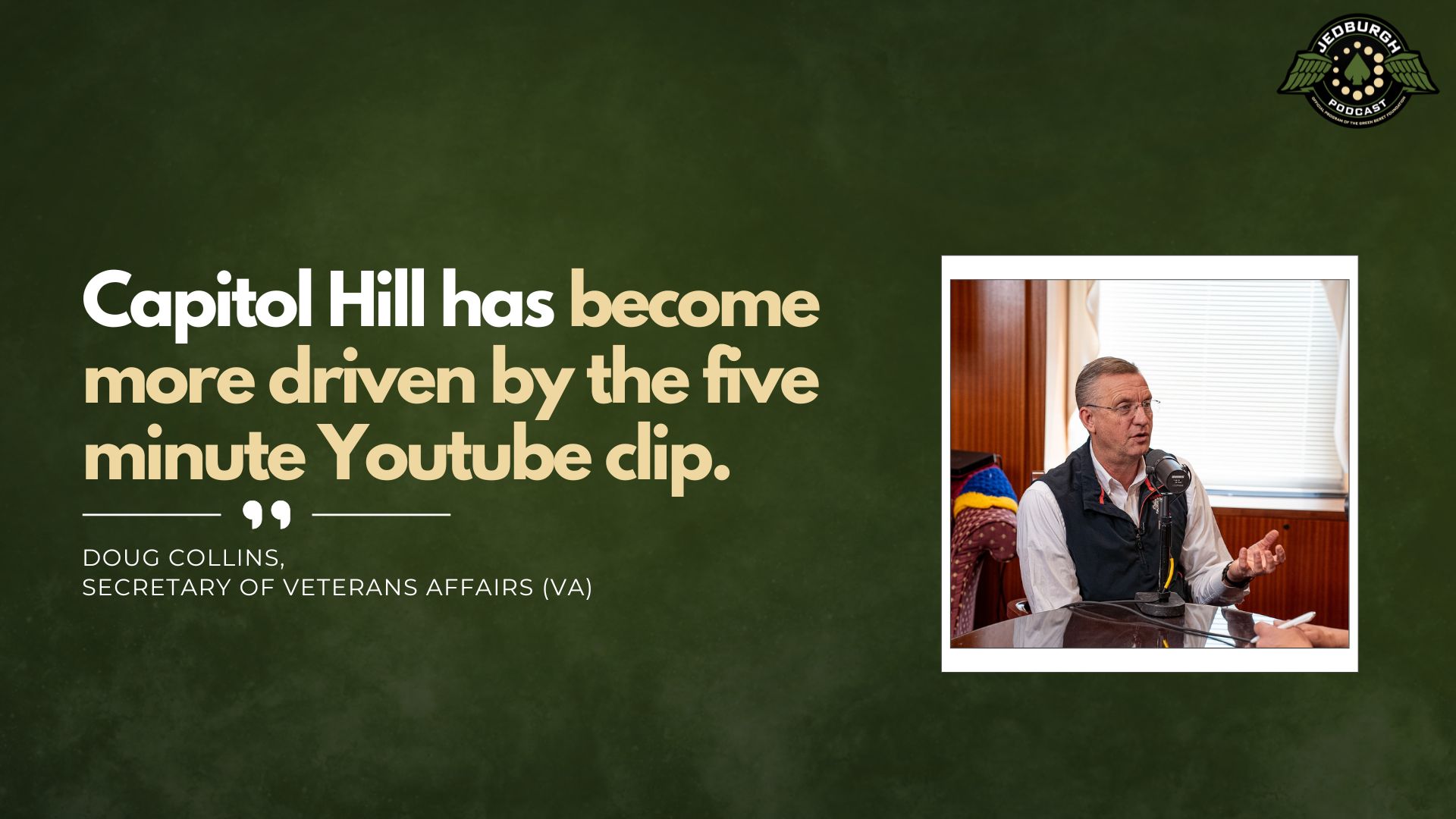
How am I efficient with that money, and how do I put the veteran first? Capitol Hill has become more driven by the five-minute YouTube clip than by how we can work together. Until they can solve that problem and we can come together to say it is not all or nothing, then we are going to struggle a little bit. They are finding that out. There are times they come together, and they can do it when they want to.
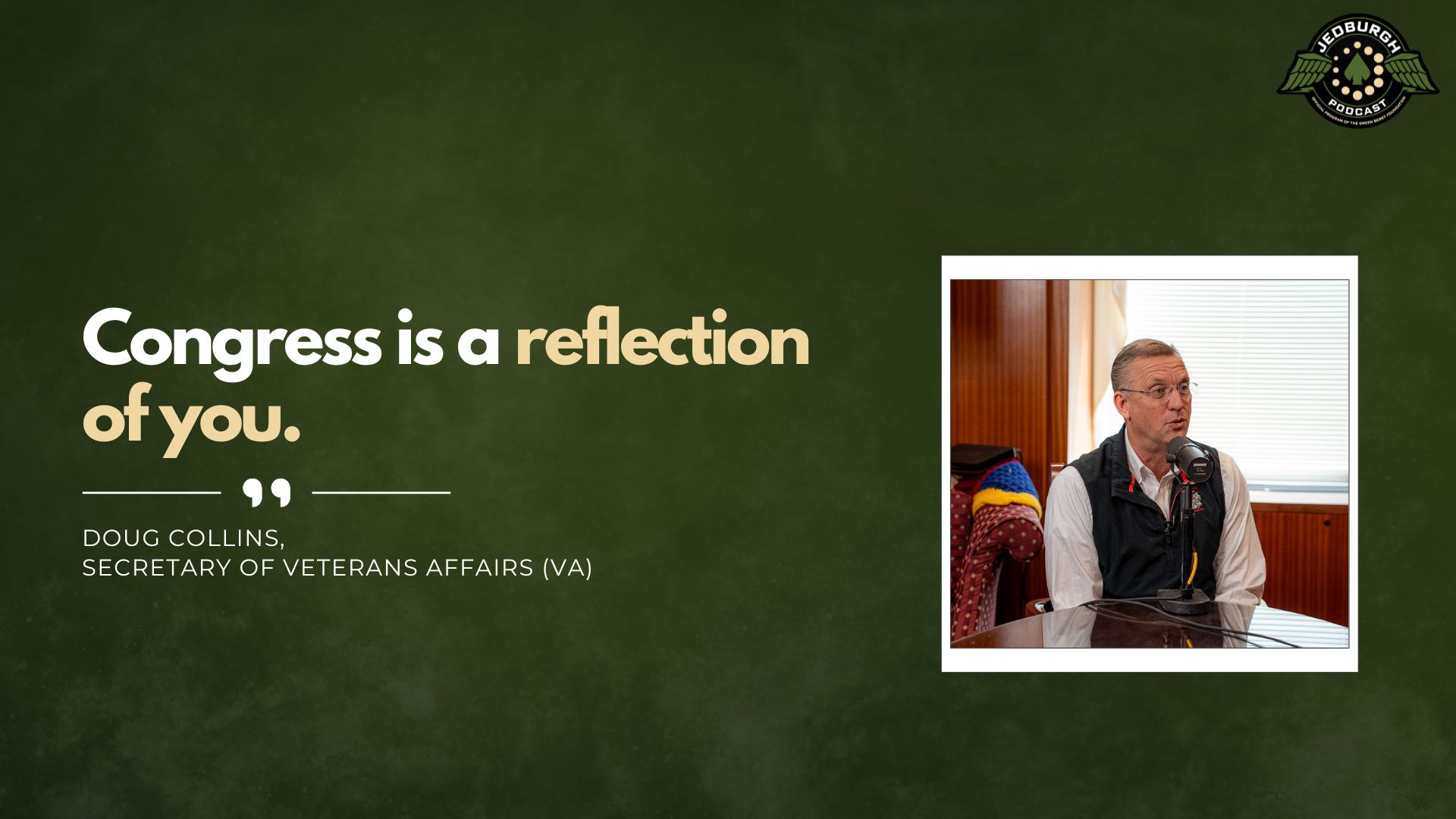
The American people also have to understand that Congress is a reflection of them. You voted for them. I’ve also told people as well, the Congress is a reflection of you. If you are holding unrealistic expectations of what your elected member of Congress should be, then maybe it is time to back up and say, what do we really want in a government that should be limited, efficient, and about the American people? How do we go about that?
Secretary Collins, it is always exciting to come here and talk to you about what is going on. I appreciate your transparency and your perspective. The veteran community is critical to this country. We are going to have an influx back into civilian society from the 911 generation, and those have to be contributing members to the community. We need more folks on the Department of Defense side to continue to go into service to serve the country, and then eventually come over to you and the Department of Veterans Affairs.
We put veterans to work every day in my company, both in the podcast and my security company, and we are all part of the VA. We talk about this stuff all day long, but I appreciate you clarifying a lot of the topics that we are getting at the Green Beret Foundation and having a few moments to really dig into how it affects all of our Green Berets.
I appreciate it. Let me just make an open invitation here. If you all of a sudden get something as you did, call me up. I will be happy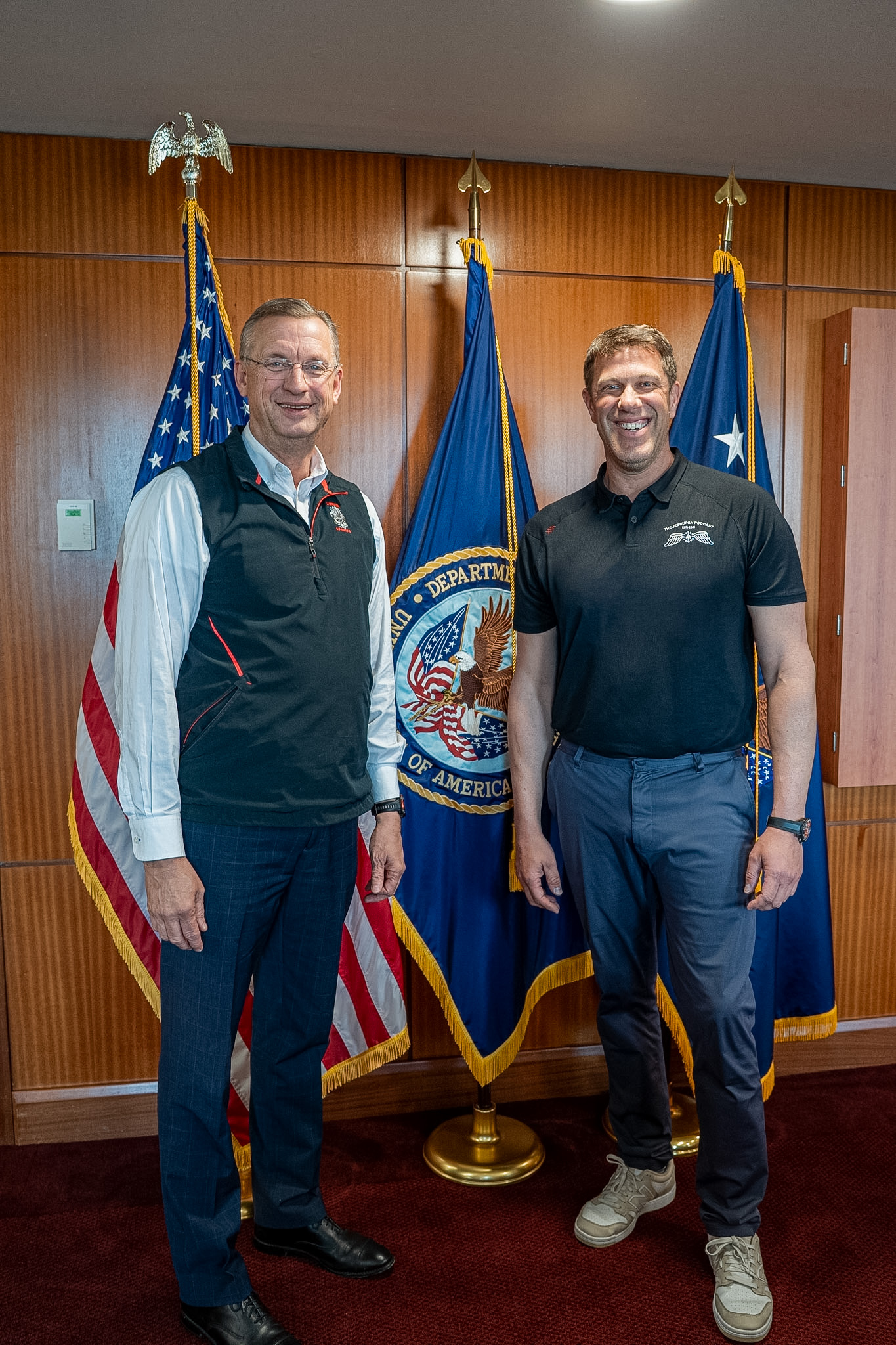 to do a quick interview so that you can get it out to them, so they hear directly from me. I hope all the veterans in this country, whether they like me or not, understand this. Someone is going to like me, and some are not. That’s fine. I’m okay with that in the sense that I will not even know number one, and I have their best interest at heart. I want every veteran to get what they have earned.
At a certain point in time, others may not tell you the whole story. You are doing a great job of getting the truth out there. Remember, sometimes on social media, clicks are king, and selling stuff is even more. Just be careful and be wary of anyone who tells you stories and then also gives you a solution in the bio to fix it with a payment. Do not do that. If you need help from the VA, it is free. You call us, we can help you. Call your organization. You know how to get in touch with our folks. All I say is let me answer the questions as quickly as possible. Do not let them fester.
Will do. Thank you.
I appreciate it.

Green Beret Foundation
P.O. Box 25138
New York, NY 10087-5138
Note: Please use USPS mail or priority mail. Do not use FedEx.
Green Beret Foundation
10205 US Hwy 15-501, Unit 26-8
Southern Pines, NC 28387-4301
Call: at: (844) 287-7133