The conditions service members live in directly affect Military readiness and national security. It’s the responsibility of Congress to authorize military funding to ensure the warfighter has what they need in combat and at home. Every decision impacts the strength of the force and their families.
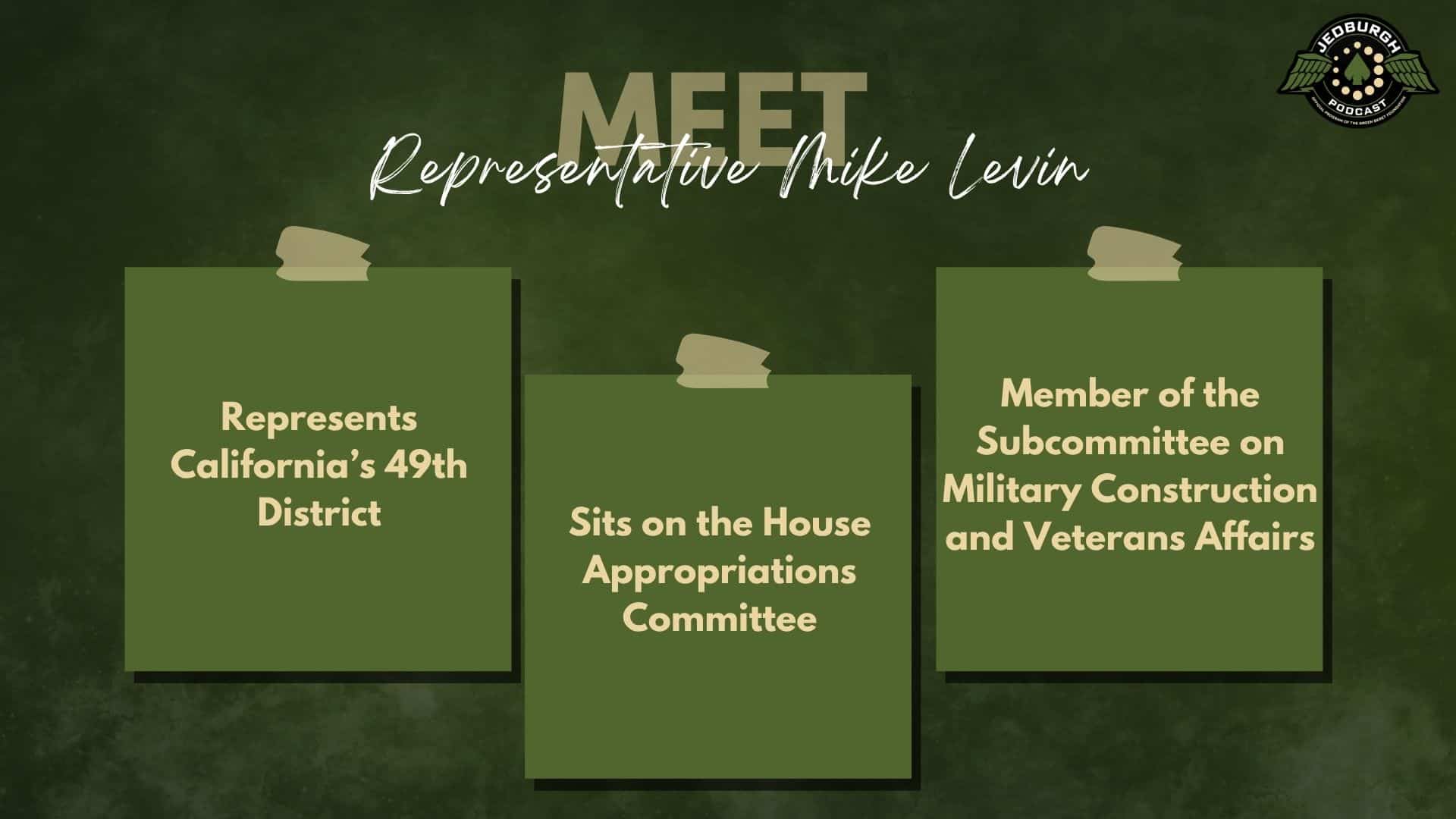
In this episode, Fran Racioppi sat down with Representative Mike Levin, who serves California’s 49th District and sits on the House Appropriations Committee, Subcommittee on Military Construction and Veterans Affairs to discuss the policies and decisions shaping today’s military bases. From investments in infrastructure at Camp Pendleton to broader oversight of Veterans Affairs, Congressman Levin outlines why improving living conditions, facilities, and support systems is essential to maintaining a ready and capable force.
Our conversation explores the responsibility of leadership to develop a culture where reporting substandard conditions is encouraged. We also discuss the broader role of Congress in overseeing military operations, and the importance of transparency, strategy, and accountability when American forces are deployed.
Congressman Levin shares his perspective on the war with Iran, his views on the need for checks and balances, and the growing divide that has made bipartisan governance more difficult. He emphasizes that strong institutions require leaders willing to put mission over politics and to ensure that the constitutional framework guiding military action is upheld.
This is a conversation about leadership, accountability, and the systems that support those who serve. It is about ensuring readiness not just on the battlefield, but across the entire force.
The Jedburgh Podcast is brought to you by OneBrief; enabling military leaders to make innovative, informed and deliberate decisions faster than ever before. Superhuman command wins wars.
Follow the Jedburgh Podcast and the Green Beret Foundation on social media. Listen on your favorite podcast platform, read on our website, and watch the full video version on YouTube as we show why America must continue to lead from the front, no matter the challenge.
The opinions presented on the The Jedburgh Podcast and the Jedburgh Media Channel are the opinions of guests and host Fran Racioppi. They do not necessarily reflect the opinions of the Green Beret Foundation and the Green Beret Foundation assumes no liability for their accuracy, nor does Green Beret Foundation endorse any political candidate or any political party.
—
—
Congressman Levin, welcome to the Jedburgh Podcast.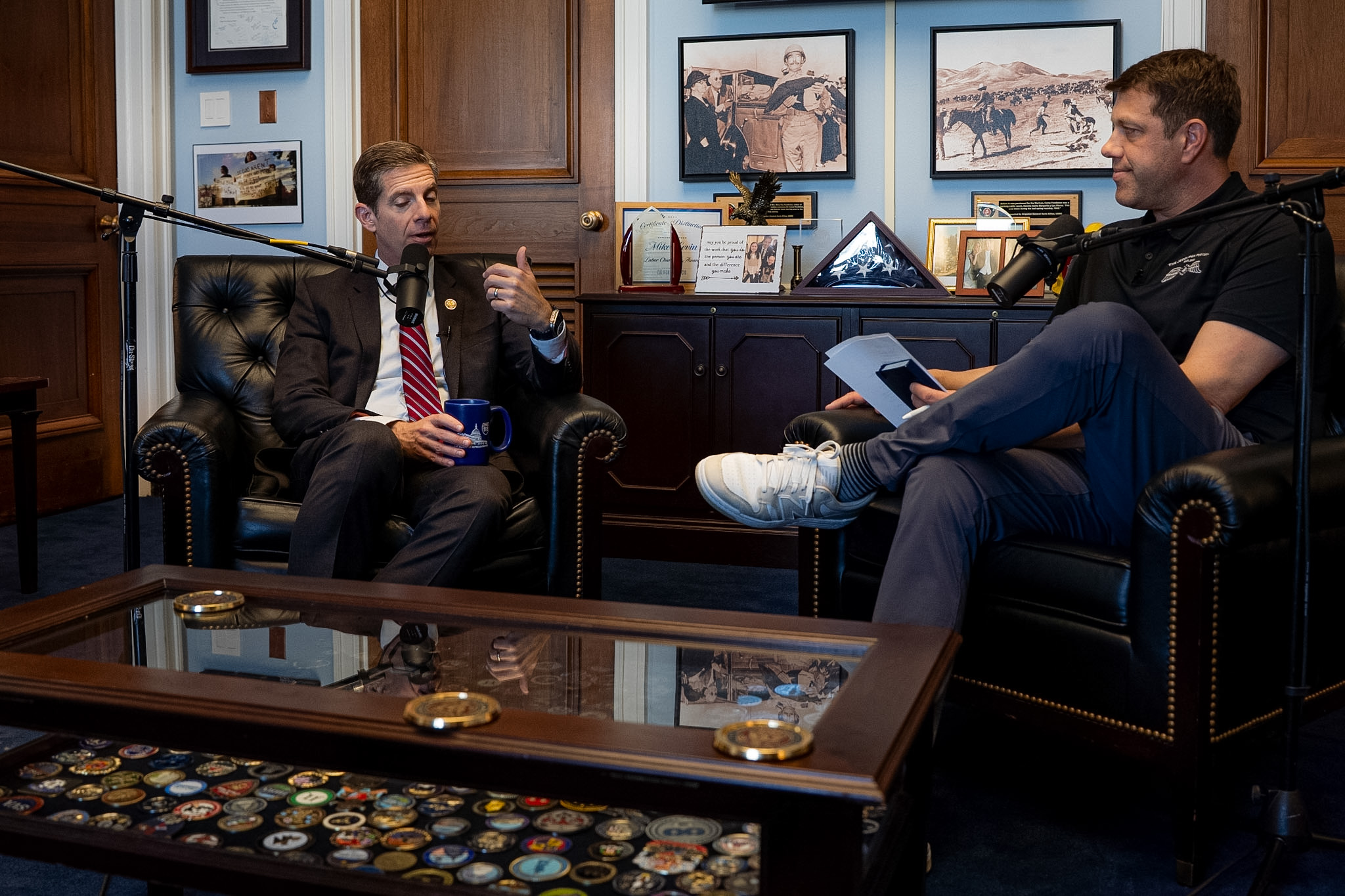
Thank you, great to be with you.
It has been a while. We have been planning it for, I think, about a year or so, an exciting time to come back into the halls of Congress, always an honor to come down to DC and walk through here and just see it. Everybody has a massive responsibility to keep our country going in all facets. Right now, we can have a lot of different discussions about the top-line issues, and we see it in the news, we hear the rhetoric on both sides of the aisle.
At the end of the day, Congress has a job to do, and that job is to represent the American people and work in the best interest of the American people. That is also where we have the divide, because everybody has their own opinions of what is in the best interest. You represent a really impressive portion of not only the country, but certainly of the state of California.
The 49th district, we are talking about the San Diego North County, and then the southern area, the southern portion of Orange County. You have Camp Pendleton, 70,000 people, over 42,000 service members, plus their families, who grew up in LA. I lived in LA for a couple of years. My brother and my dad live in LA. Very familiar with that whole area. Serving veterans has been a big part of your focus as you have now served for, I think, three or four terms.
Yeah, running for my fifth. Time is flying.
You have a big military constituency there. When you look at what it means to serve that district, the 49th district of California, and the veteran population there, why is that so important to you?
We are here in my office in the Rayburn office building, and off-camera, where my desk is, is a portrait of my grandpa, and that is a portrait that my mom painted of him in his bomber jacket as a tail gunner for B-24 in World War II, and I was really blessed that I got to know him really well. He lived until I was in my late twenties.
He taught me a lot about what it means to serve the country. He did not get to see me elected to Congress, but his impact is with me every day. Of my four grandparents, I got very close to him. I think that if he were here, he would remind me every day that when you decide whether or not you are going to send a young man or a young woman in harm’s way, you cannot just leave it there.
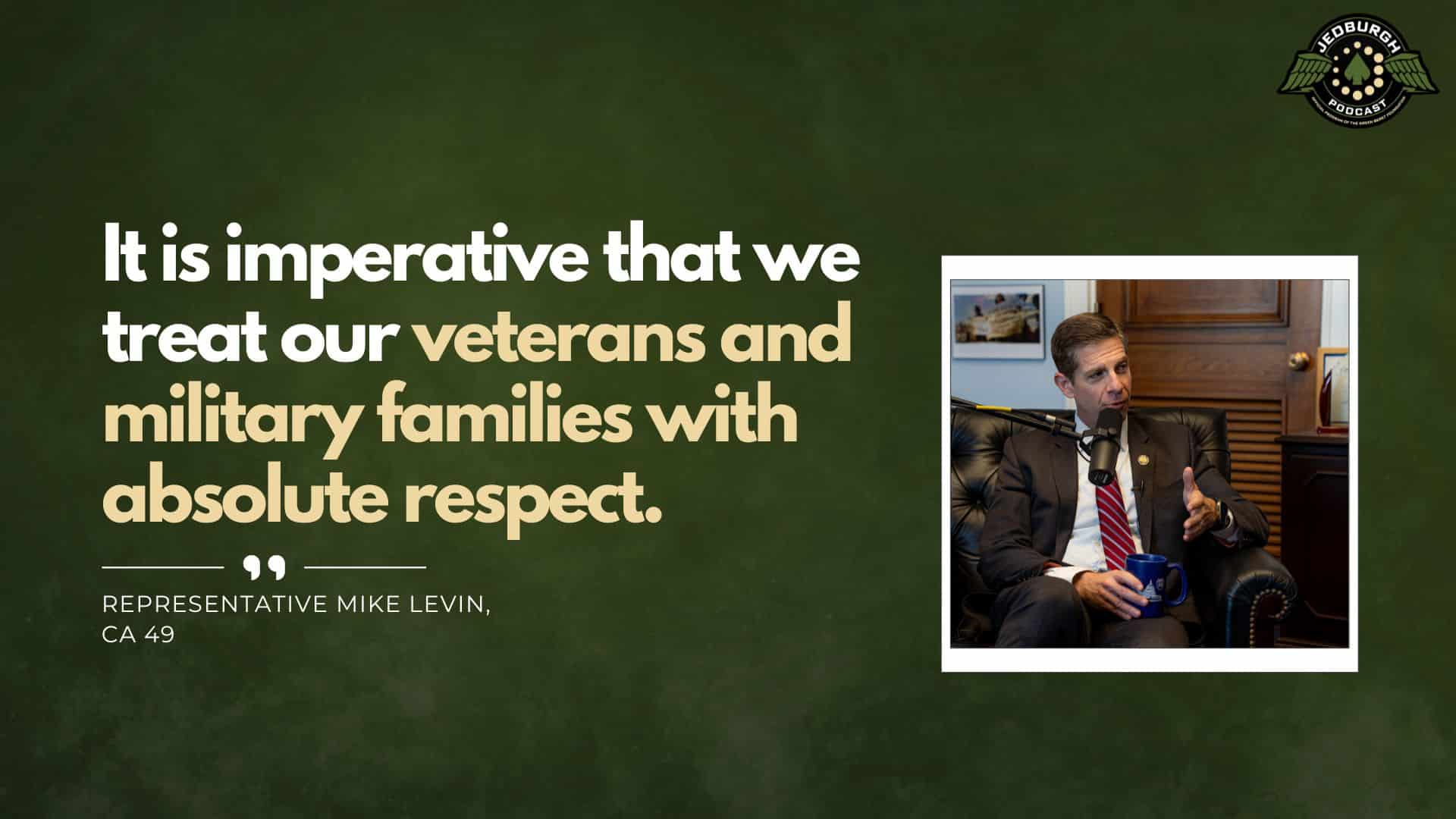
You have to consider what is our country going to do to serve that person well when they get home from whatever that mission may be, whatever their service may be, it is imperative that we treat our veterans and our military families with the absolute respect and that we do not try to shortchange them, that we do not try to undermine them, that the benefits, that the health care, that all of it is on point.
All of it is consistent with who we are as Americans. It is one thing for us to say, “I support our troops, I support our Marines, I support our military.” Another thing entirely to actually live up to that, not just during service, but after service as well. My experience has been serving on the Veterans Affairs Committee for six years, having chaired the subcommittee responsible for veteran homelessness and housing, and the GI Bill and transition.
Most military service members are looking for other ways to serve when they leave. Whether it is a nonprofit, whether it is working in government, whether it is in a business, could be with a BSO or a service organization, or could be a media outlet, they are looking for other ways to serve. We’d better do everything we possibly can to help them in that desire to continue to serve.
You have been very active, as you mentioned, with the VA, having served on the committees and the subcommittees. Now you serve on the House Appropriations Committee and also on the Military Construction and Veterans Affairs Subcommittee, where you are really looking at the budget that is going to the VA. Military construction is another high chance. Last year, I sat down with Senator Boozman from Arkansas, who sits on the Senate and military construction committee as well.
We talk about the quality of life. You live, as we mentioned, in a beautiful area of the country. Quality of life for our service members is critically important because we cannot expect them to do their job at a high level if they are not provided the right housing, and their families are not taken care of. When you look at the quality of life in your district and the initiatives that have been put forward to improve that, what are you doing to serve the Camp Pendleton community? I will give a shout-out to our Navy SEAL brothers. Even as a Green Beret, we have to do that. There are a lot of them in that area.
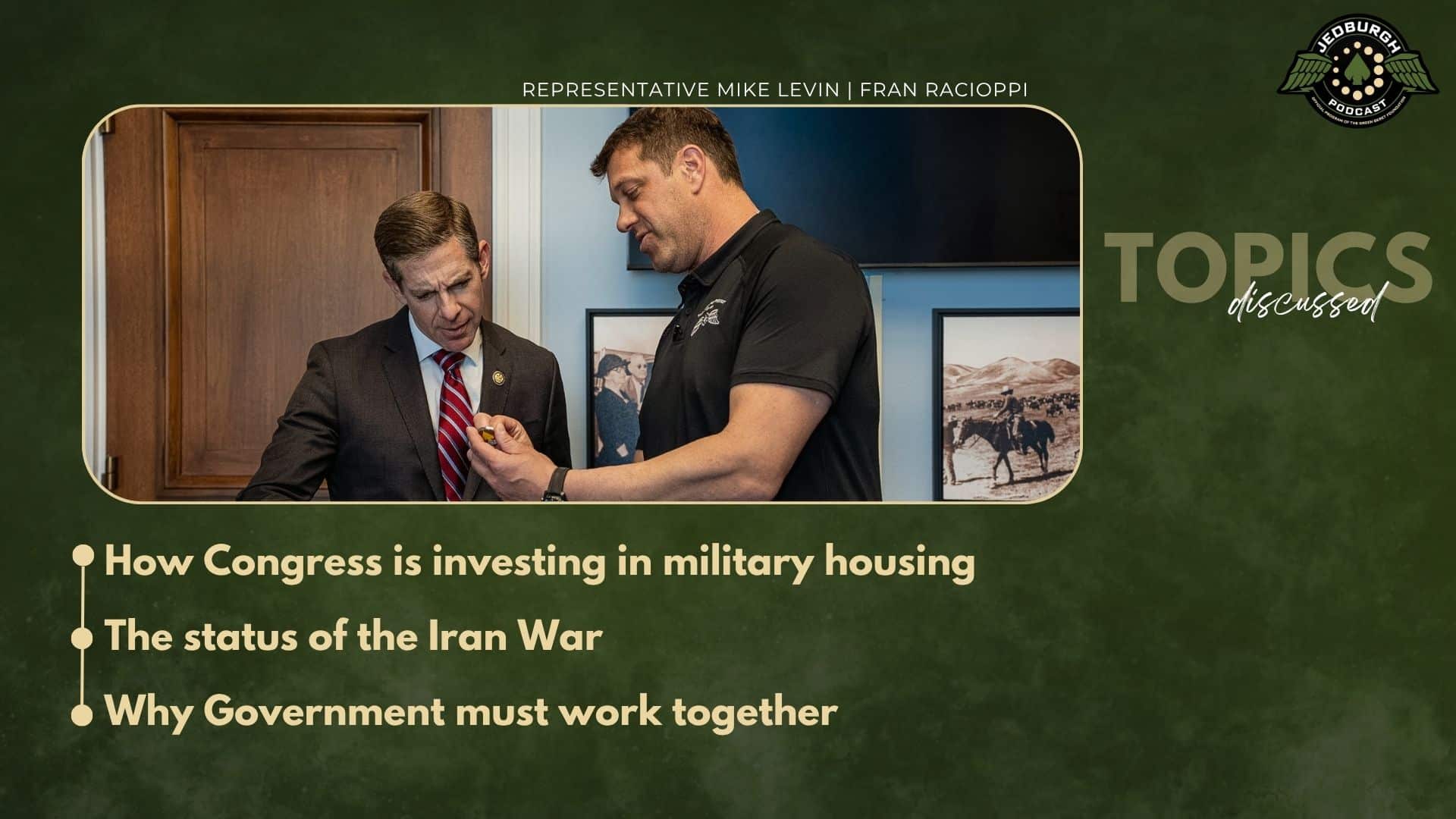
I will tell you first of all that it is an incredible honor to get to represent Camp Pendleton. We have got real issues with barracks, not just on Camp Pendleton, but all across the Marine Corps, really all across. The military has places that are either uninhabitable or certainly not acceptable. I see it as all readiness. We use the term quality of life. I just think it is readiness because if you do not have a clean and safe place to stay, to sleep, to train, to eat, if you are not getting good quality food, all of it is part of making Marines at Camp Pendleton.
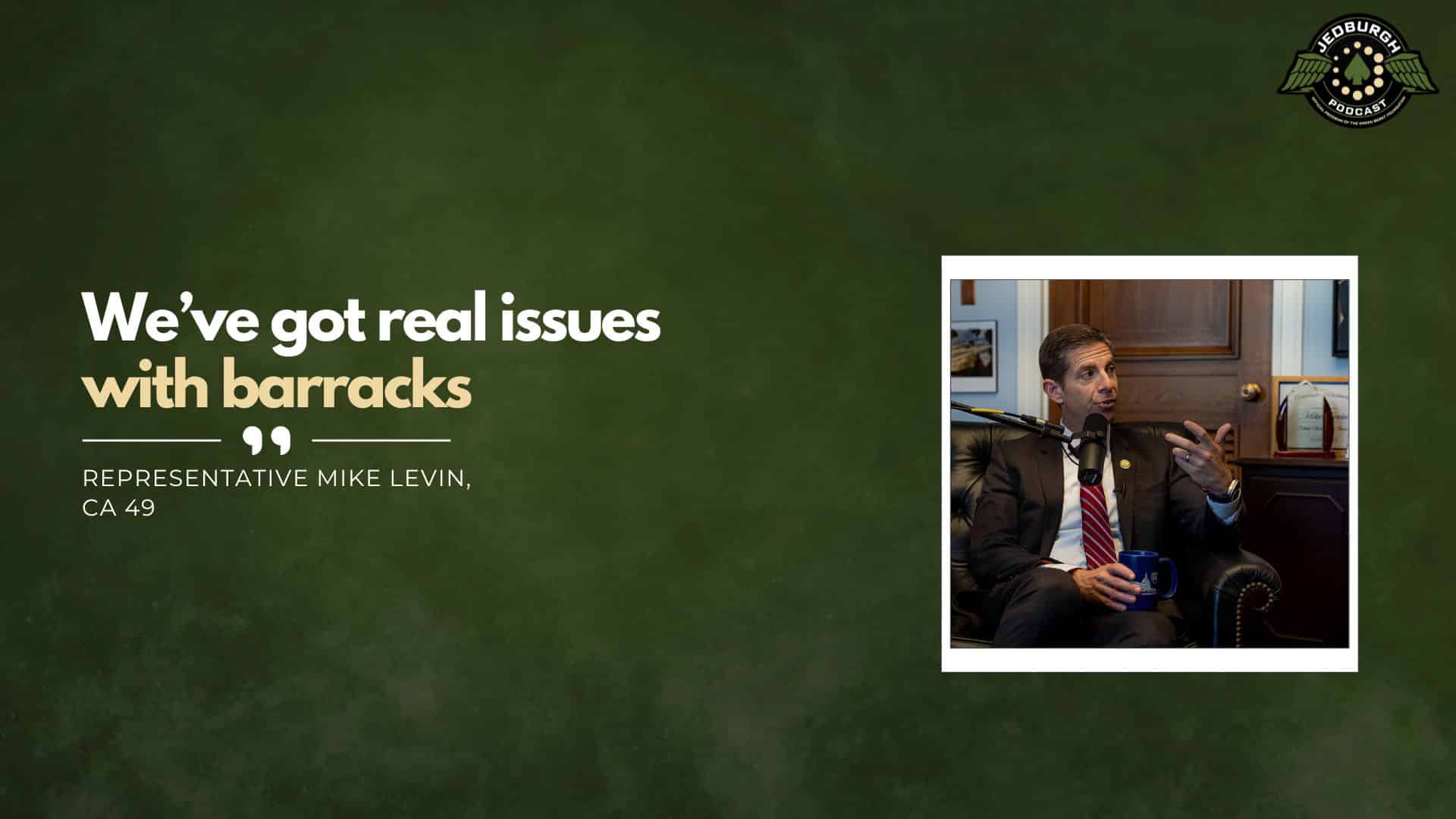
Part of making sure our war fighters are prepared for whatever may come their way is that they have to have a decent place to live. What I have tried to do is work with our Marine Corps leadership on the Barracks 2030 initiative. It is going to require $11 billion over the next decade and a half. If they do everything exactly the way they want, it will be done around 2037. If you just take Camp Pendleton, for example, there are around 125 or so different physical buildings.
About half of them need to either be gutted completely or knocked down and start over. The other half, you can rehabilitate, you can improve, and the Marines do a great job of now trying to put HVAC systems in, but it is very much like Band-Aids, where we really need to rethink, “What do we want for our housing to look like in 10 years, 20 years, 30 years?”
What the Navy has done, and it might work better for them than for the Marine Corps, is that they partnered with private developers. Given the transitory nature of our Marines, it may not work as easily to go into, and also the need to adhere to the chain of command, might not work as well for the Marine Corps, but Pacific Beacon, for example, in San Diego, is a new housing project that I visited, and it is as nice as any civilian apartment complex.
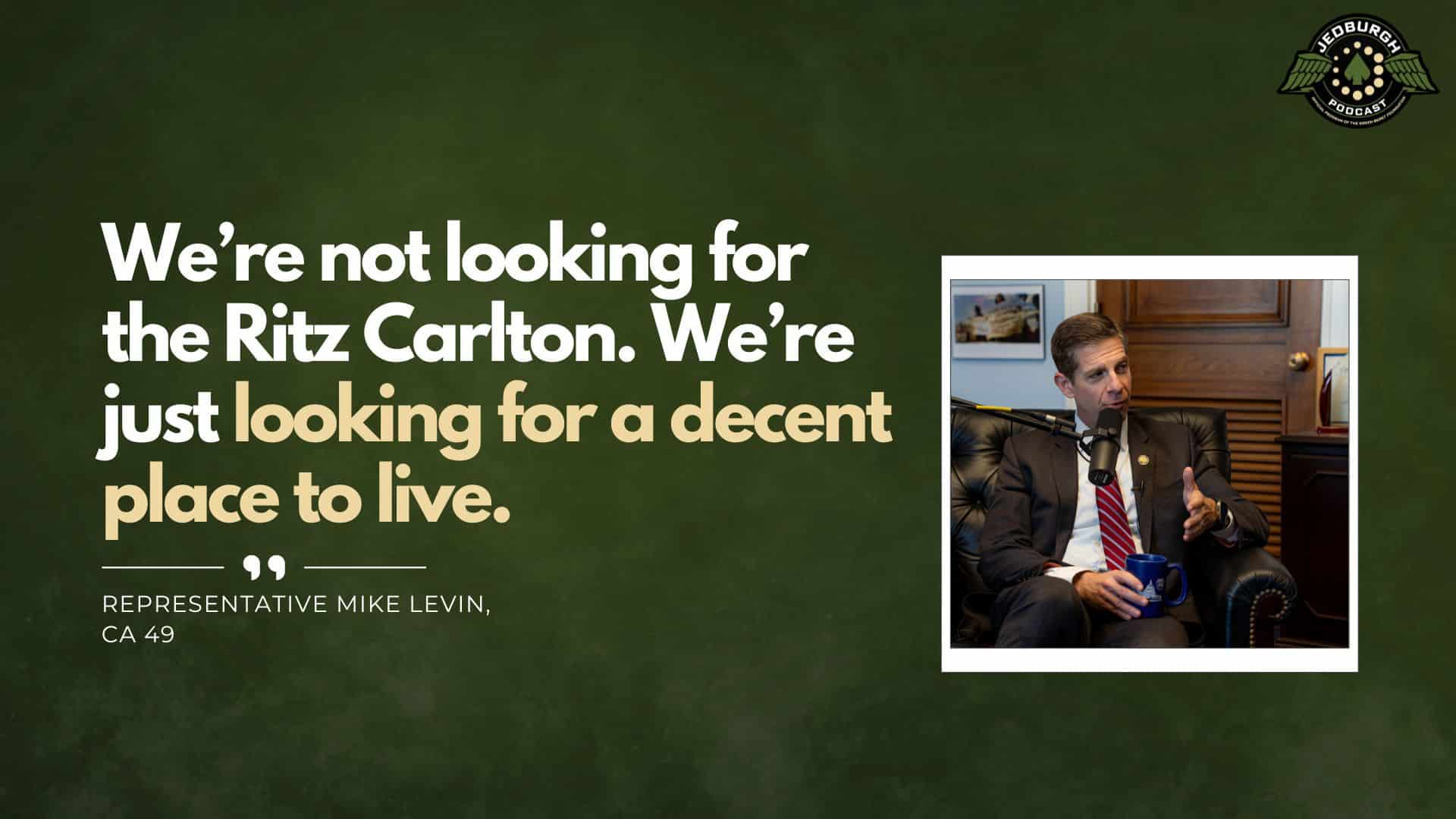
The Marine who works for me was looking at it like, “Don’t know about these Navy guys, what they are doing here in this thing.” There are opportunities for that sort of thing. In certain parts of the military, it works better. For the Marines, I just think we need clean, safe, habitable. We are not looking for the Ritz-Carlton. We are just looking for a decent place. I have been really proud. We have gotten around 300 million since I started in 2019 for Camp Pendleton, specifically for a variety of different projects.
I am always proud when it is not just the traditional project that you would expect, where it is a weapons system, or it is a more traditional military application. That is great, that is needed, but when we can do a child development center, or when we can do barracks, or when we can do a new mass, or whatever it may be, that gives me great satisfaction being able to actually go back and see those investments.
I know that we are helping in really important ways. Sometimes we overlook the schools on base. We must do impact aid. Those child development centers now, another one is going to be built on Camp Pendleton. They are fantastic. In many ways, they are as good or better than what the civilian community has access to.
Same with the schools, being able to invest in those schools. There are some of us who continue to be really focused on that. I am hopeful that this year, the bill, the relevant appropriations bill to handle military construction and veterans affairs, we can get to a bipartisan bill. It is very disappointing that we have not been able to do that in the past, because it should be bipartisan.
How much do we need?
Total? Eleven billion for Barracks 2030. The overall MilCon VA bill, we will have to see exactly where we land. As an overall percentage of our federal government, it is not that big. Of course, when you have bigger military construction projects, fit in the MilCon. When it is smaller, they fit in the defense bill. It is that $2 million cap where a lot of it falls in the defense bill. For the big projects, particularly new construction, that is where the MilCon bill comes in.
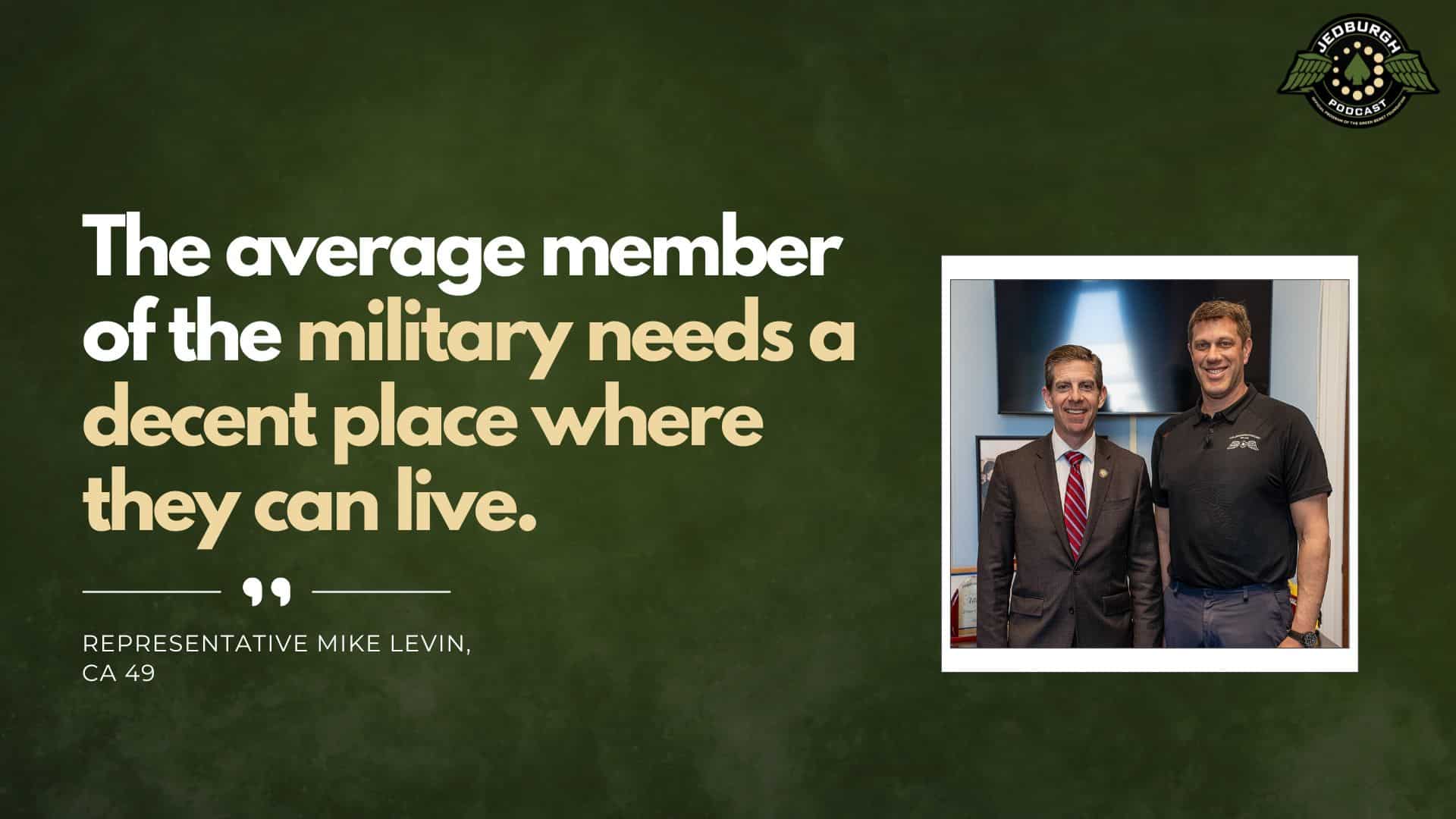
We are talking several billion dollars worth of new construction that will be needed every year. Not just for the West Coast. We have MCI West out in our area that has five installations, but the rest of the country, there are big gaps and big problems, and I do not care if it is Navy, Army, I do not care. We have to fix this so that the average member of the military has a decent place where they can live.
We are going to be sitting down here in a couple of weeks from now with the Sergeant Major of the Marine Corps, Sergeant Major Ruiz. He is a great guy. I had a chance to talk to him once briefly. We just got that on the calendar. Previously, I was able to sit down with Troy Black, who was his predecessor, and then went on to be the SEAC on the joint staff. How does it get to that point? When we look across the military, because I served almost thirteen years in the military, and you saw everything from brand new state-of-the-art, everything you could ever ask for, to places that you would not want to walk into.
I say it is two things. One is that it is decades of underinvestment, buildings that are not being maintained or rehabilitated that outlive their life by decades. The other is a culture that needs to be where, and Sergeant Major Ruiz is really on top of this, where historically, if you are a junior enlisted Marine and you are not living in the greatest place, you might feel like if you complain about it, you are going to get in trouble.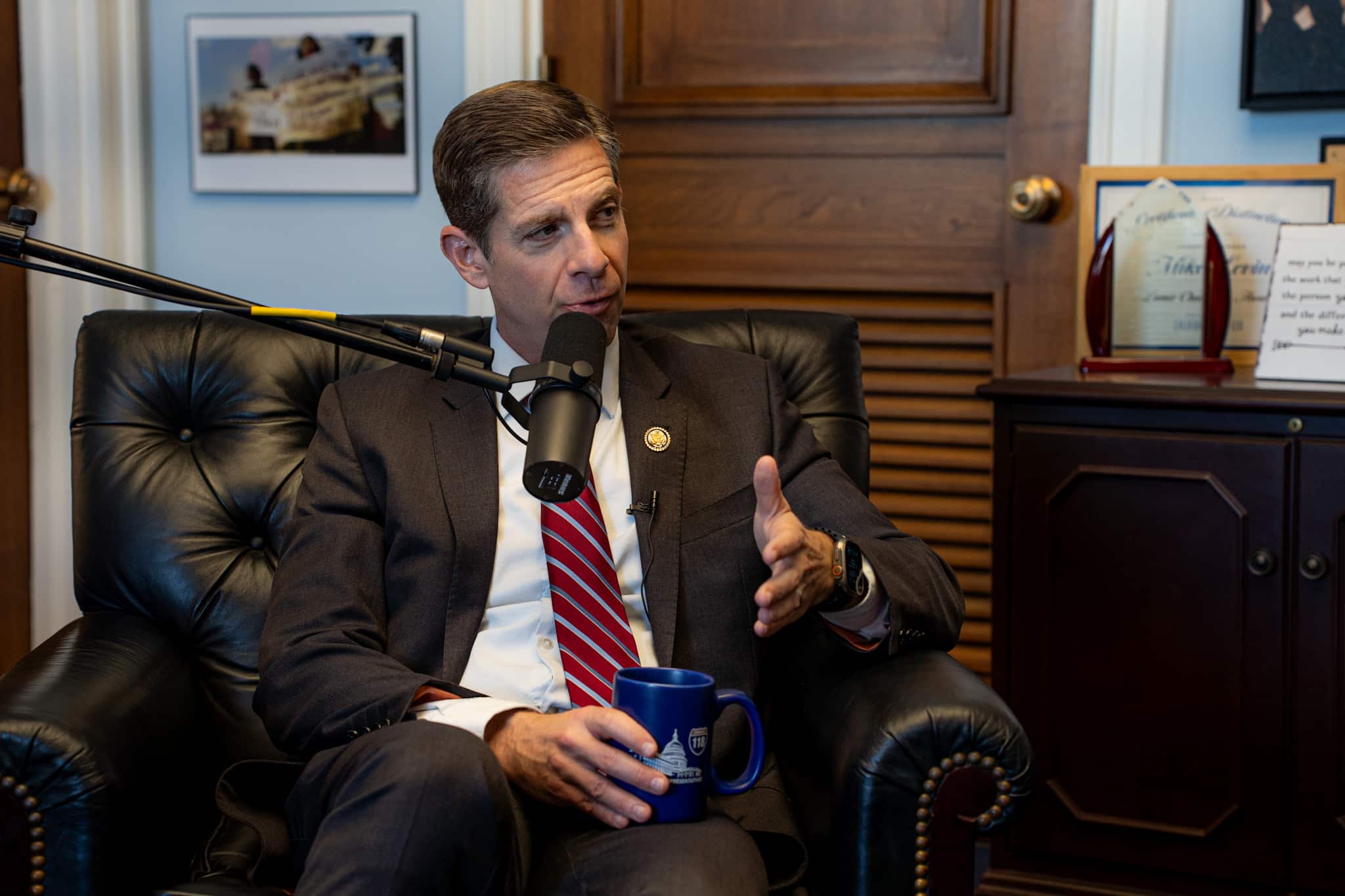
We need to turn that on its head and say, “If you do not complain about it and you have something, if you have mold, if you have lights that do not work, if you have plumbing that do not work, whatever it may be, and you do not complain about it, and they come in and inspect, and you did not complain about it, then you get in trouble.”
It is that culture shift, it is turning it on its head, where that young Marine knows, okay, I have got to have this reflection of having a clean and safe place. It is a reflection of my overall need to report and to be transparent, and to be diligent and disciplined. That is part of that. I know that the Marines want to see that happen, but making it happen is that is really the key. It is just a shift in mentality about how that place is. It is not just that your bed is made, but that it has to be in decent habitable shape. If it is not, you need to speak out.
You termed it readiness. Let us talk about Iran. Top line news, first thing we are seeing every day, which we should be seeing first and foremost every day. There are a few ways we can go about discussing this, but if we tie it to readiness, I think in a lot of ways we have witnessed the next generation of warfare over the last month plus as we have been engaged in this conflict. You and your district are front and center when it comes to military readiness. If you go south one district into San Diego, the Pacific fleet sits. The majority of it sits over there.
We are out of San Diego. We have seen the US Navy now front and center in this fight, which is a global war on terror combat veteran that was an Army and marine ground centric fight. In a lot of ways, the Navy was a supporting asset, and now this, them, and the Air Force have really carried this thing forward. We have made significant investments over the last 20 or 30 years in the capabilities of both of those components. What do you see when you look at the readiness levels of the Navy and the Air Force in this Iran fight?
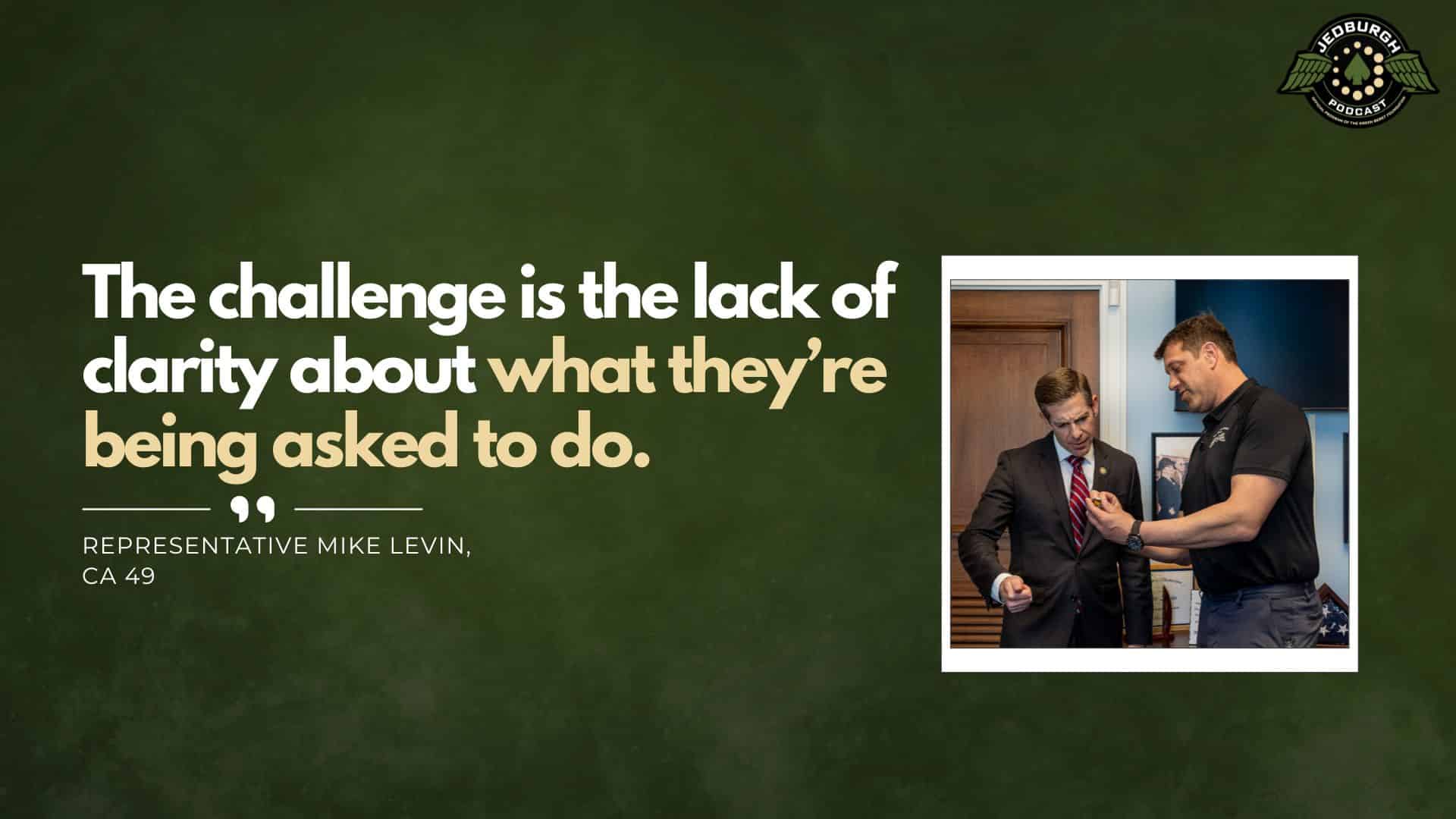
You have to separate a couple of things. One is the operational excellence of our service members. They are ready for whatever they are asked to do. The challenge is the lack of clarity about what they are being asked to do. It goes back to February 28th when Epic Fury began. I have seen it, time and again, whether we are talking about the blockade, whether we are talking about where are the 2200 Marines from Camp Pendleton, from the 11th Mew, where are they going to go, for what purpose are they being sent?
You can tell me, you experienced it, you lived it, that when you were deployed, my hope is that you, your family, your fellow service members, and your member of Congress, whoever that may have been, had a better understanding of why you were being sent, what the mission was, what success looked like, and what the plan was to get you back home would be my hope. What I will tell you is I have spoken with members of Congress who have been here since the ‘80s, and we have not seen a similar situation where Congress does not get read in before a major military operation.
When the operation began, I was asleep. It was the middle of the night, and I understood the need for surprise. It was just three or four days before Epic Fury that the President gave his State of the Union address. I think he spoke for an hour, 47 minutes. I sat through all of it, and I think 3 or 4 minutes were dedicated to Iran, and if you go back, I went back, and I looked at the three or four minutes, there was no indication that we were going to be engaged in military hostilities in three or four days.
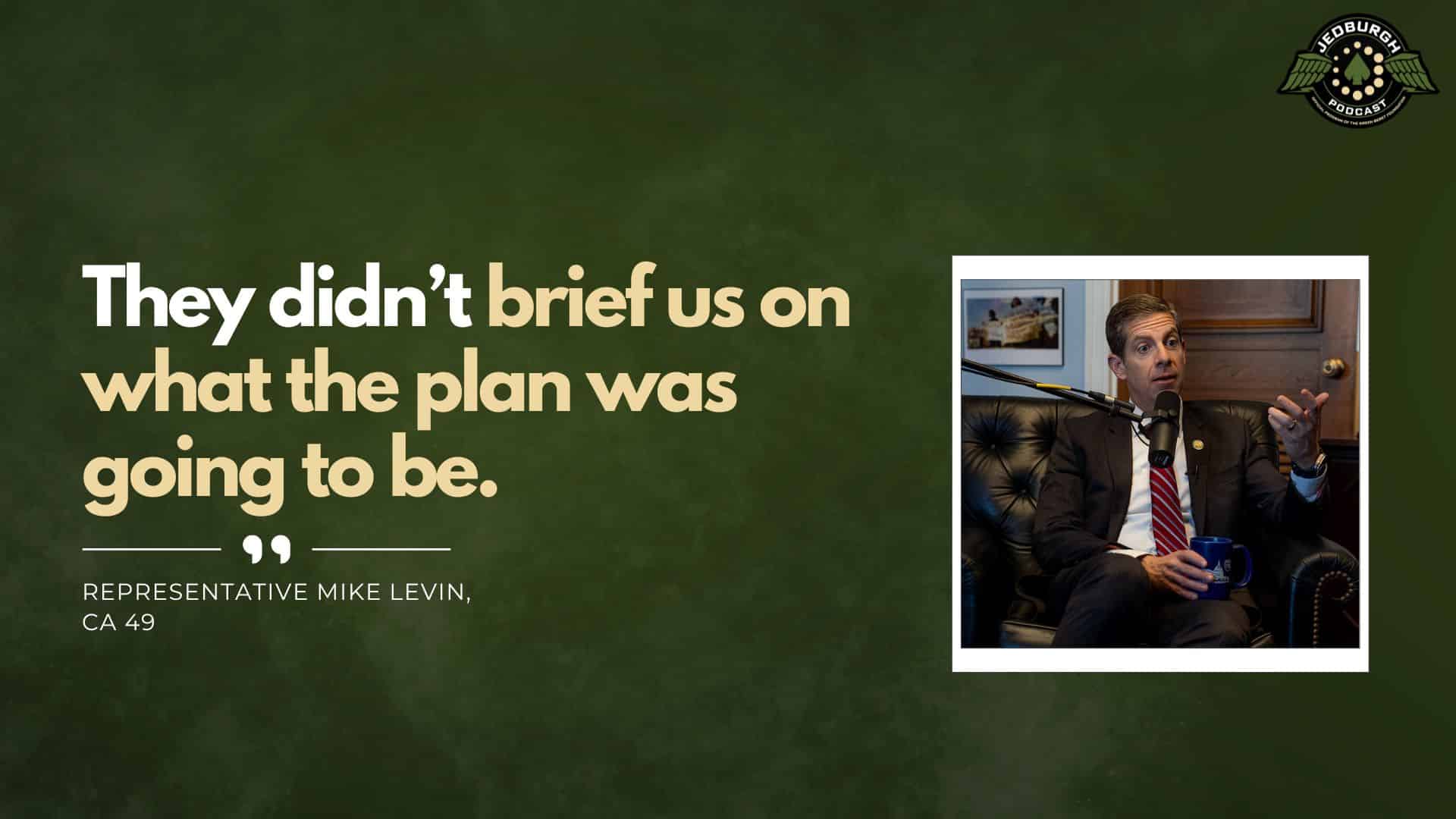
The prior brief that we had received about Iran indicated that Witkoff and Kushner were getting closer to a deal. In the middle of the night from Mar-a-Lago, the president does a social media video, and I was woken up at 1:00 or 2:00 in the morning to see that, really surprised. When we got one brief, classified brief, and I cannot tell you what they briefed us on, but I can tell you what they did not brief us on, which is what the hell the plan was going to be. We were never told, and we still have not been told.
I do not know if there really is a comprehensive, well-thought-out strategy, and what the exit looks like. We have been flying, we, the administration, have been flying by the seat of our pants now for 46 days, 47 days. No vote by Congress. No pre-existing AUMF that I think applies, because if you look at the 01 AUMF, you try to apply it to this. The Iranians were not al-Qaeda. The Iranians were not directly related to 9/11 to the extent necessary for the 01 AUMF to apply. If there is no pre-existing AUMF, the War Powers Act requires that the president notify Congress within 48 hours and that you have a vote. We never had the vote.
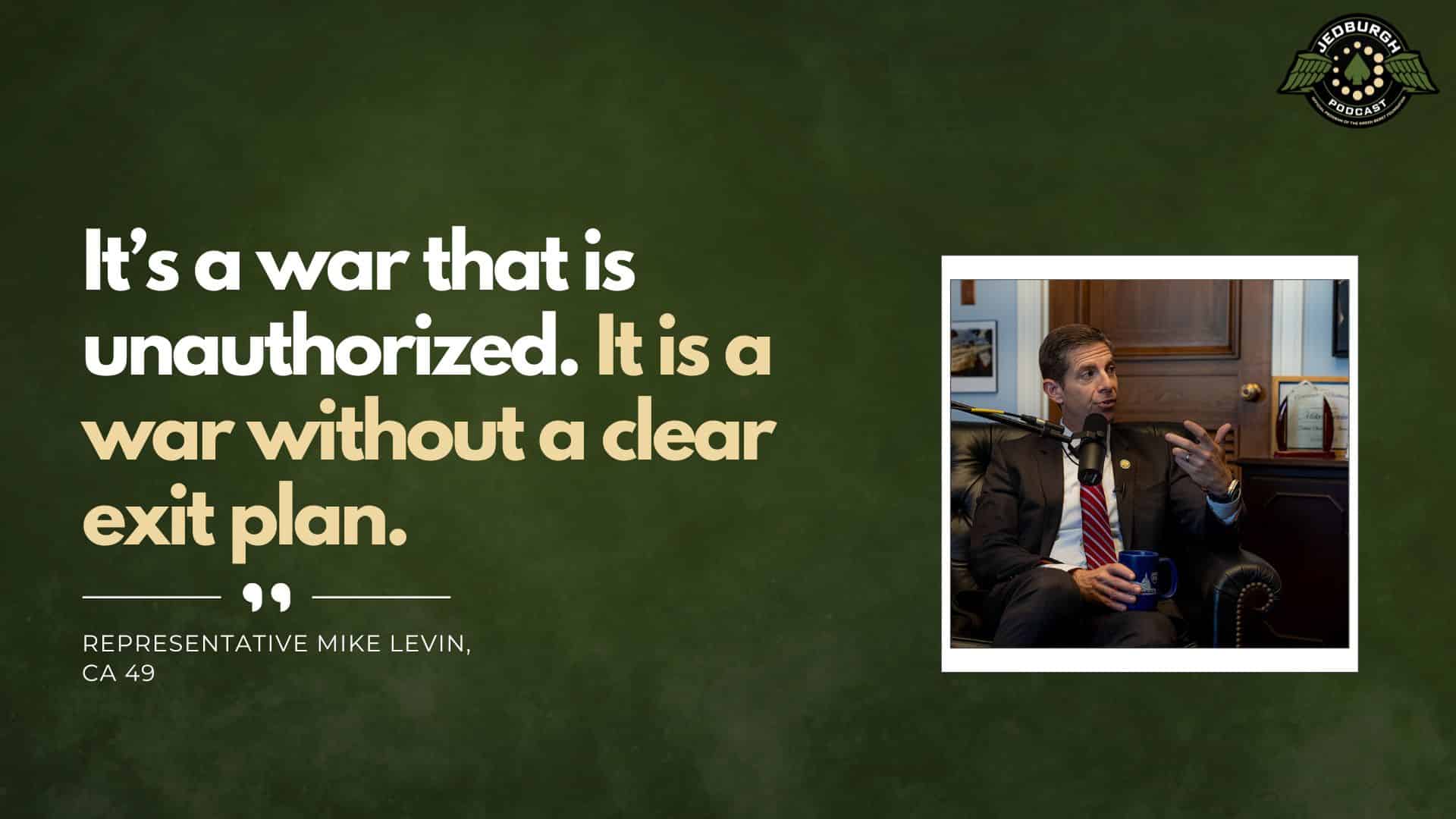
Some people have misinterpreted the 60-day part of the War Powers Act. I do not think they have read the War Powers Act. They have said, “The president can do what he wants for up to 60 days.” It is not what it says. It says, “If we are attacked, if the United States is attacked, the president can respond to an emergency for up to 60 days without express authorization of Congress.” That has not happened here. We bombed them. They did not bomb us. In my view, it is a war that is unauthorized. It is a war without a clear exit plan.
Even today, there was a report in the Washington Post that several thousand more are being sent. Is it to ramp up pressure? The two sides are very far apart. I am encouraged that there was a ceasefire announced, that they are having talks, maybe now another round of talks. If you look at what the Iranians are offering, in some ways it is better than the JCPOA, but in some ways it is worse.
It is worse than what Trump, in some ways, worse than what Trump gave up when he negated the JCPOA. What Vance was advocating for, six red lines, twenty years, all that, great. How are we actually going to get that done? There is nothing in the recent history of the Iranians that tells me that we are going to get that done. Where do we land?
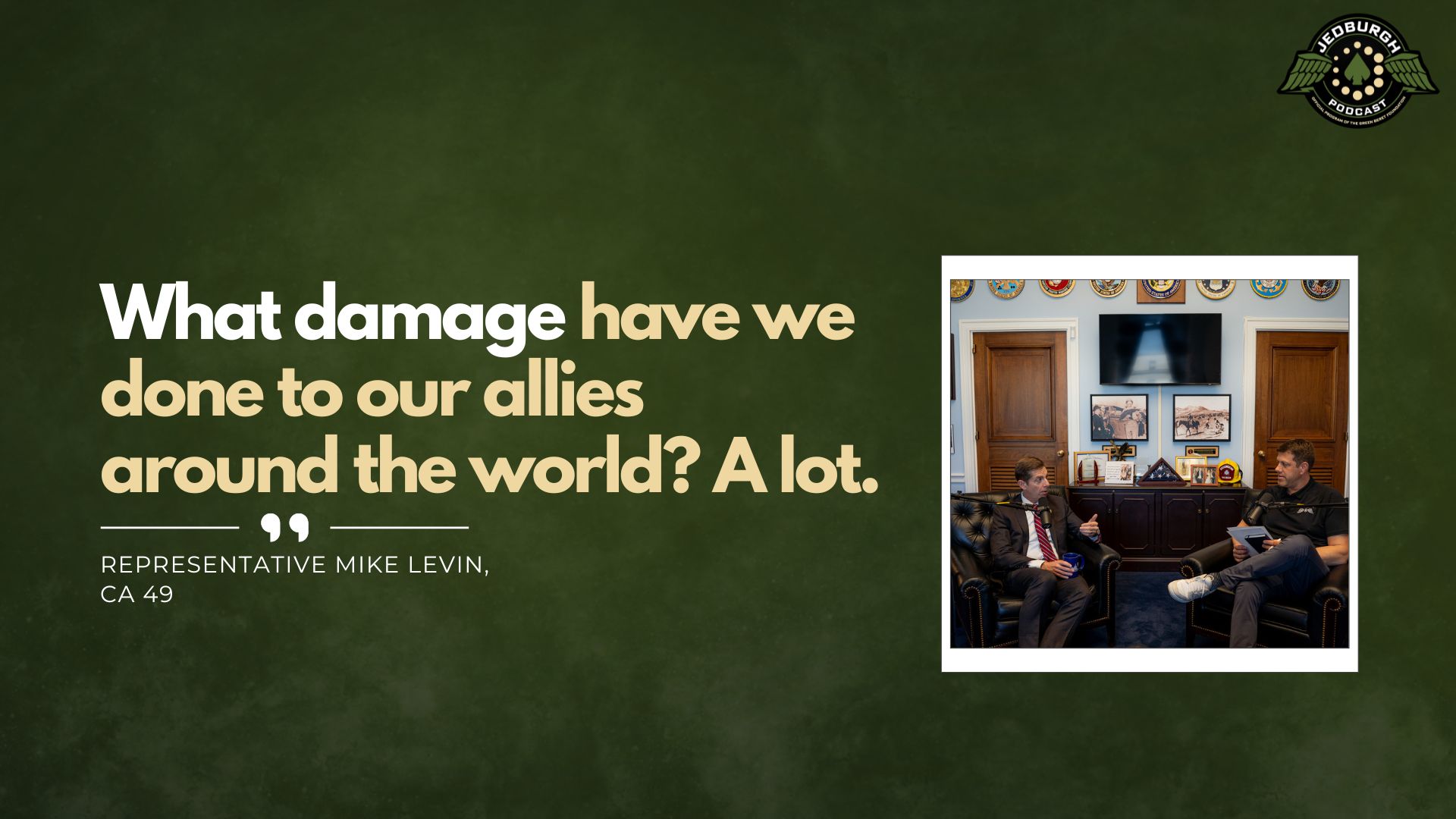
How does this end? What damage have we done to our alliances around the world? A lot. It is one of those things where when the president acts unilaterally, does not get the buy-in from our allies and then gets mad at them when they do not come rushing to our aid for Strait of Hormuz, to reopen the Strait of Hormuz, it jeopardizes everything that my grandpa fought for 80 years ago, which is that we use the term rules-based international order, it has worked pretty well since World War II and giving it up for what? America can go it alone, so we can cede our global leadership to China and to other countries that do not like us very much. It is a massive mistake. Anyway, I will stop there.
Would you agree, though, that Iran is a direct threat to the United States?
It depends on your definition of direct under the War Powers Act. It is very clear. It has to be imminent. Was there an imminent threat to the United States? I do not have a clear answer because we were not provided any information classified or unclassified, indicating that it was a direct and imminent threat to the United States. What is the state of the Iranian nuclear program? We know less today than we did before the war began.
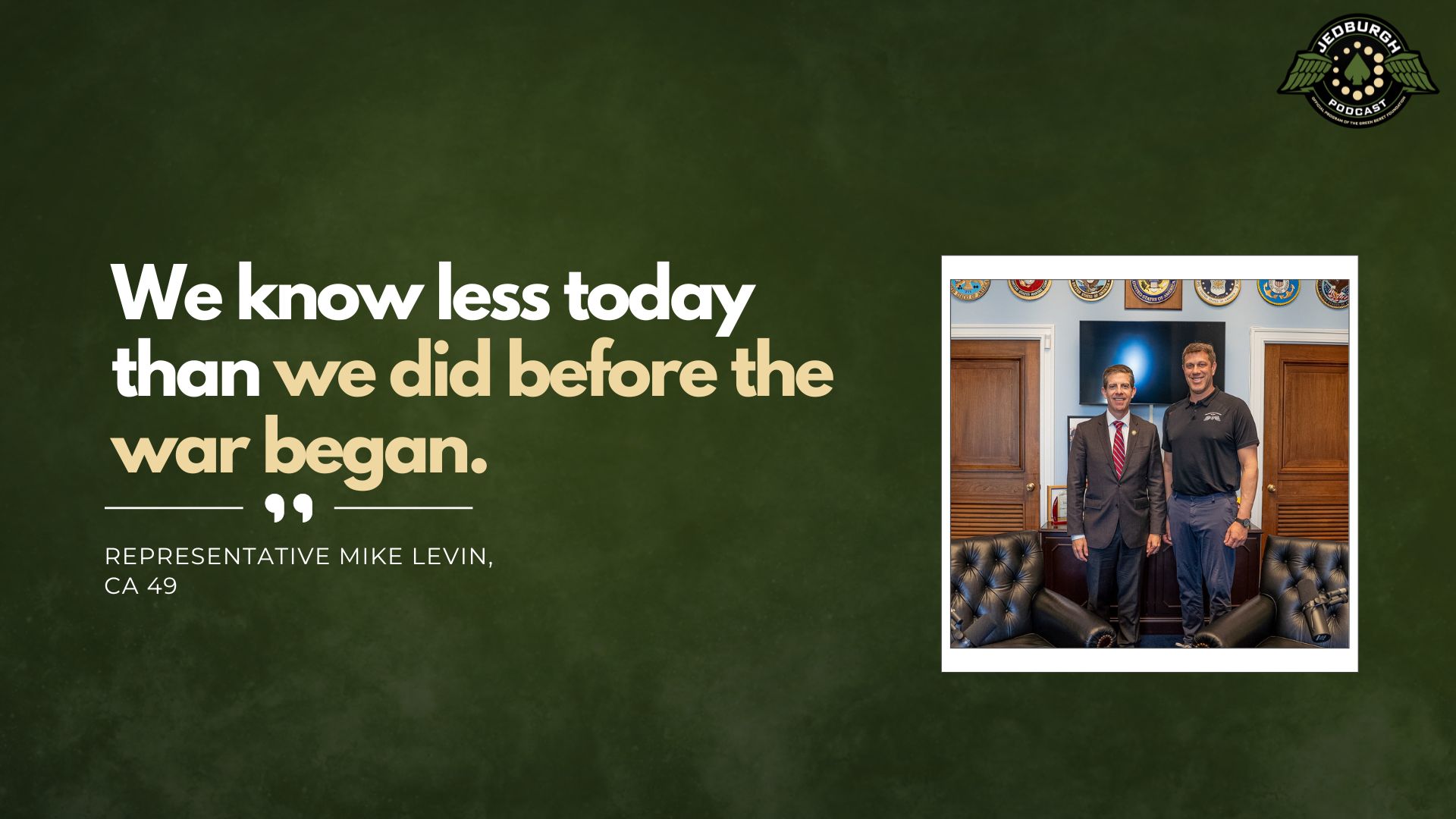
Less about the quantity, and the location of enriched uranium. We know that we have diminished their ballistic missile capacity, but we do not know about the nuclear program. What we are hearing is that you might have ground troops go into parts of Iran with enriched uranium. My short answer is no. I hear all the arguments, but I have not heard anything concrete behind closed doors in a classified setting that leads me to believe that the Iranian regime, other than the rhetorical threat to America, was an actual, real-time, imminent threat to America.
I hope that evidence comes to light, but I do not expect it. I do not expect it. Is the world better off without a nuclear-armed Iran? Of course. That was why the JCPOA was originally negotiated and had plenty of shortcomings. Not saying it was perfect at all, but we actually find ourselves in a position today where maybe worse off than we were before.
What about their state sponsorship of terrorism? I deployed three times to Iraq. I have more than 30 months. Most of that time was spent in southern Iraq to deploy some special forces to southern Iraq, directly combating the IRGC and the Iranian threat. The blood of many of my friends, some who are with us, many who are not, is in the hands of the Iranians. We have engaged in combat with the Houthis in Yemen.
We have seen the situation in Israel on October 7th, and we have seen the situation in Lebanon with Hezbollah, and this is, and we know we know that they have an ability, and thankfully, we have not seen it yet here in the states, but we know that they have a desire and ability to hit us in the homeland. At a time and place of their choosing, right. How do you view that threat?
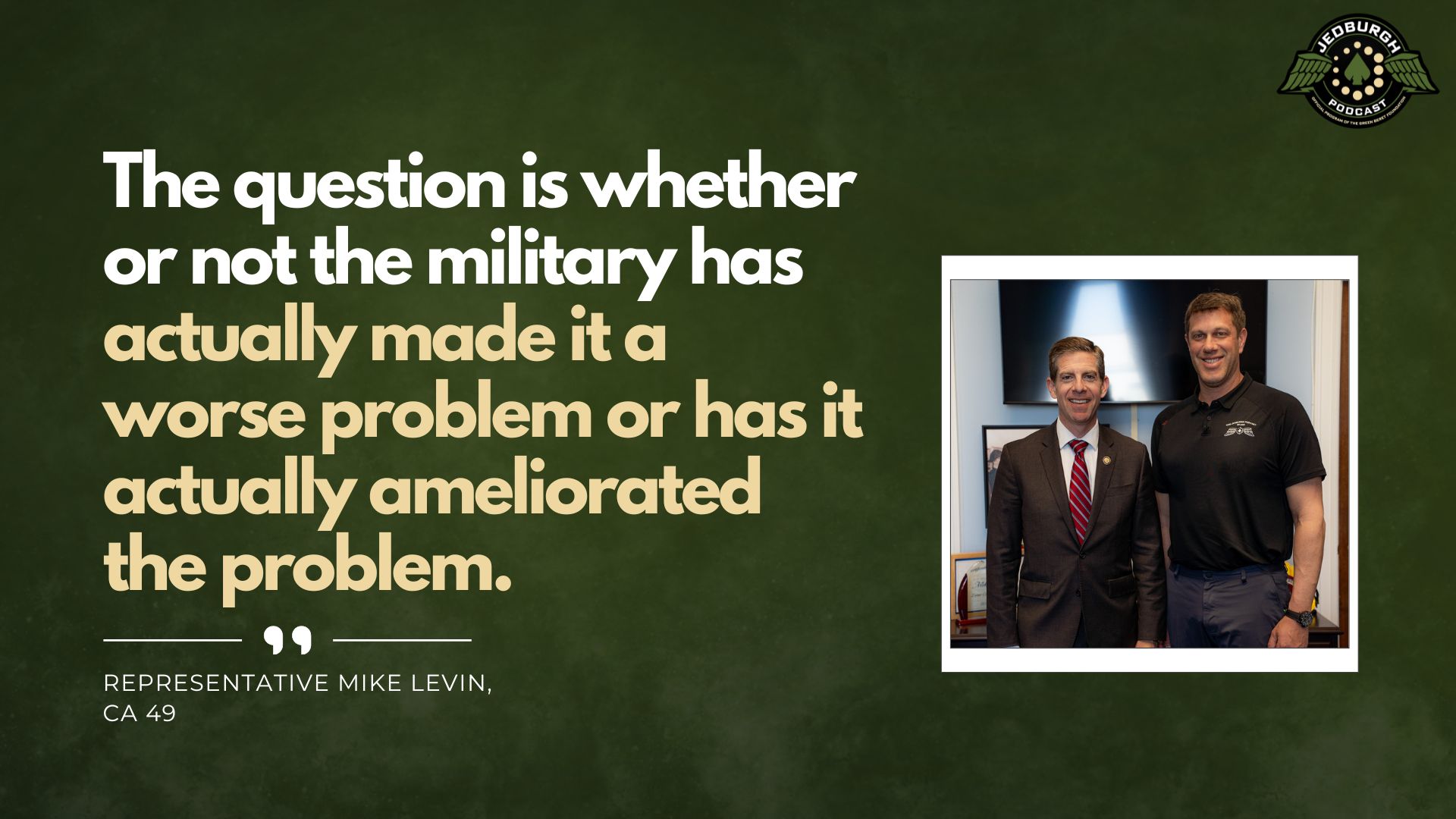
I see it as a serious threat in an awful regime. The question is whether or not the military action has made it a worse problem or has it actually ameliorated the problem. Replacing Hamani with his son, you replace a 85, to 86-year-old extremist with a 56-year-old extremist. The IRGC still sits around the corner, 200, 000, or 300,000 all around the country. They are firmly entrenched. There is nothing that has been indicated to back up the president’s assertion that the regime has changed.
There might be new physical human beings, but they are still carrying out the same extremist ideology. To the extent there is a threat to the American homeland, this war may be exacerbating that threat, not making it better. Everything you say is right. The Iranians for 47 years, as long as I have been alive, they have been a horrible regime.
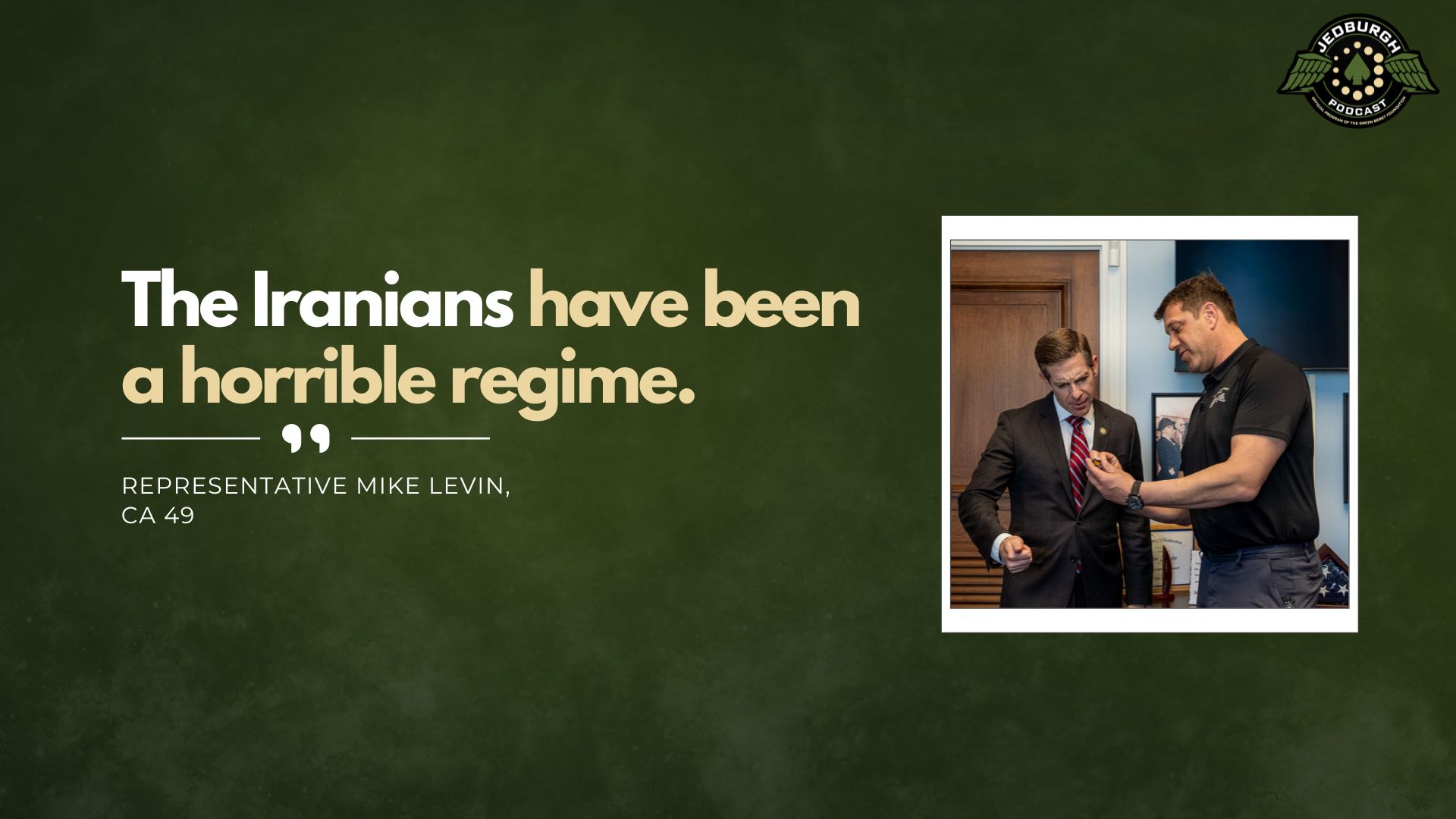
They have done untold damage to so many people, including so many people whom you served with the strategic objective of denuclearizing and eliminating their ballistic missile capability, trying to provide some sort of path forward for a more peaceful Middle East, and trying to help our allies in the region so that they are not always looking over their shoulder in fear. All of those are righteous and appropriate objectives. The question is whether or not Epic Fury and the events since will actually lead to those objectives.
Also, whether or not the whole strategy was well thought through with regard to the Straight of Hormuz. If you go back to last summer, public reporting is that a lot of people in the state who were experts on the oil and gas trading were fired. They were let go as part of the doge, part of the whole overhaul of the state, and throughout the federal government. It would be really nice to have those experts there right now.
It appears nobody either articulated or made the case forcefully enough to the president that doing this was going to lead to a dramatic spike in oil prices and pain at the gas pump for the average person. The president has said, without, I personally do not believe this, that we thought it would be worse. I do not buy that for a second, because the president ran on lowering energy prices. He said he was going to cut gas prices. Even three days before in the State of the Union, he was, again, telling a lie that it was $1.95 or $1.99 a gallon.
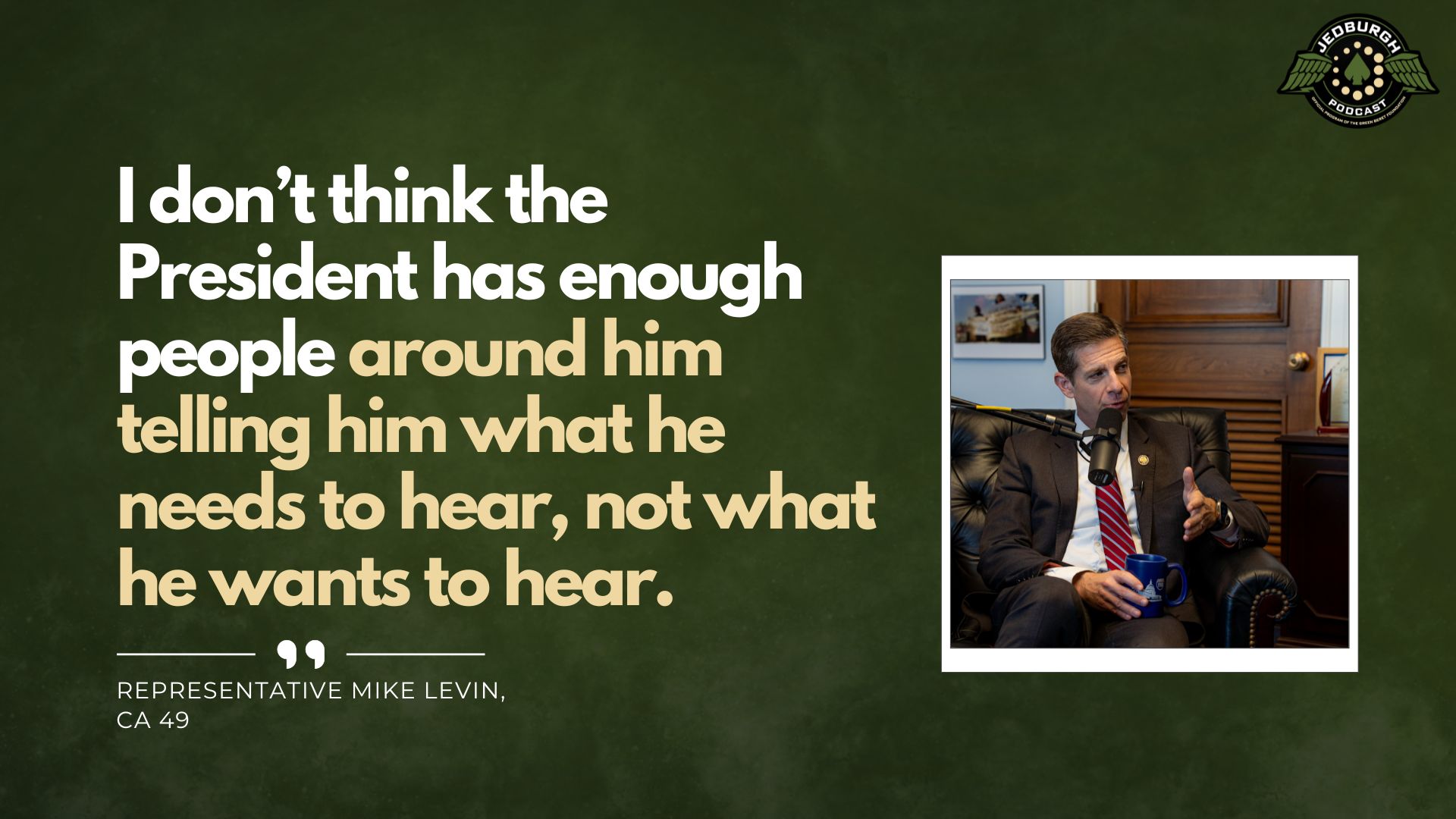
It was not, but clearly, I think if they had known that gas prices were going to go through the roof right before the midterm election, maybe they would have slowed their role, but they did not because I do not think he was getting good advice. I do not think the president has enough people around him telling him what he needs to hear, not what he wants to hear, but what he needs to hear, which is that this stuff is really complicated. If you take the toothpaste out of the tube, which is what they did, you’d better be prepared for the consequences. I do not know if they are. We do not know because we have not been briefed.
I want to ask you about that. Can we negotiate with the Iranians?
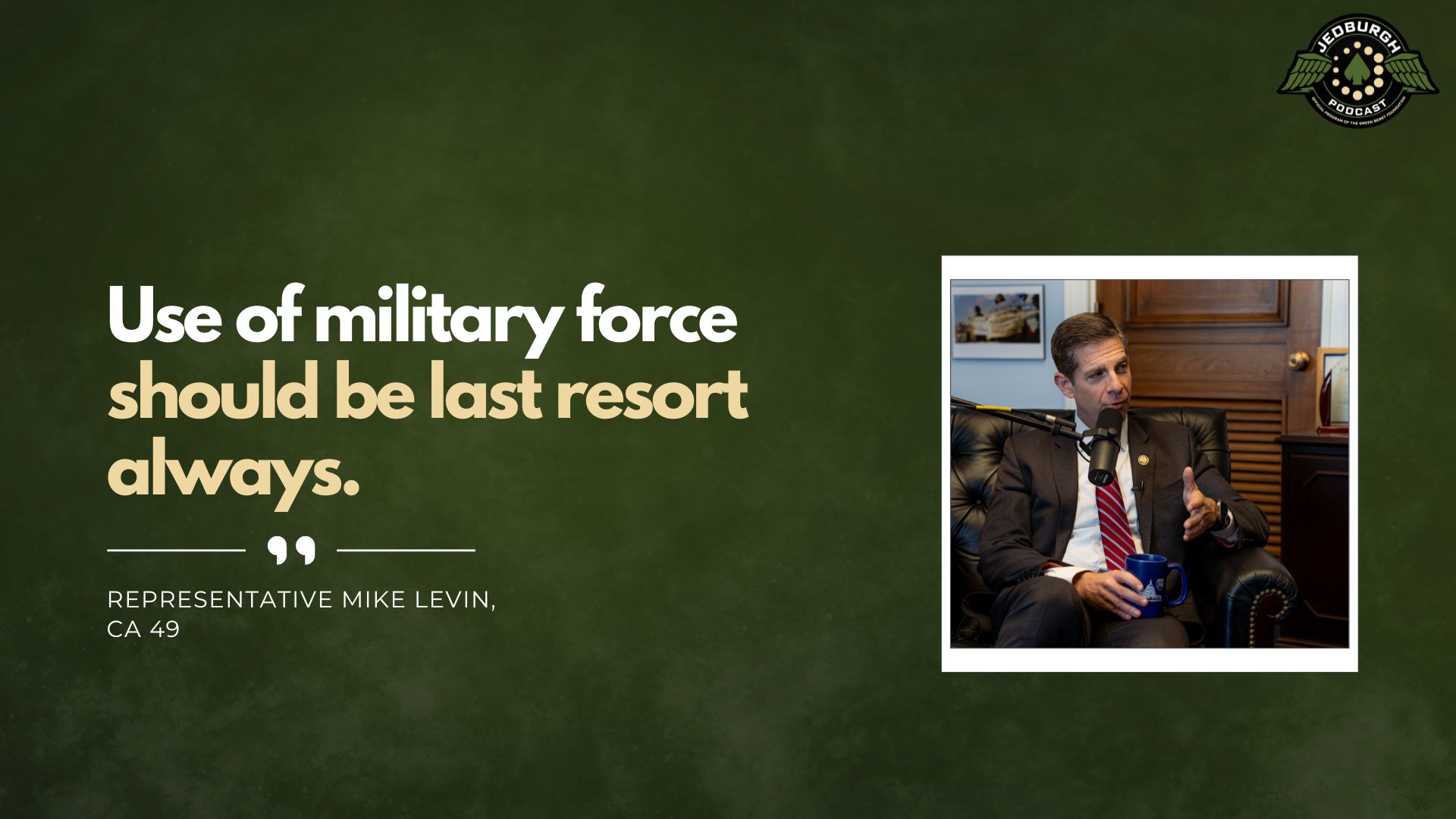
Obama administration did, and whether you agree or disagree with the conclusion of how the JCPOA went down, again, there were a lot of shortcomings to it. It demonstrated that there is an ability to enter into those diplomatic negotiations. We ought to try. Use of military force should be the absolute last resort, always. My thing is I always want the best prepared, most highly trained war fighters anywhere in the world.
I want the best of the best. I never want them to have to use any of those weapons that we appropriate money for every year. I never want them to have to put themselves in harm’s way. When you know as many military spouses as I do, when you know as many military families as we have gotten to know in our community over many years, the last thing you want to see is for them to be put in harm’s way, which is why the founders were really smart.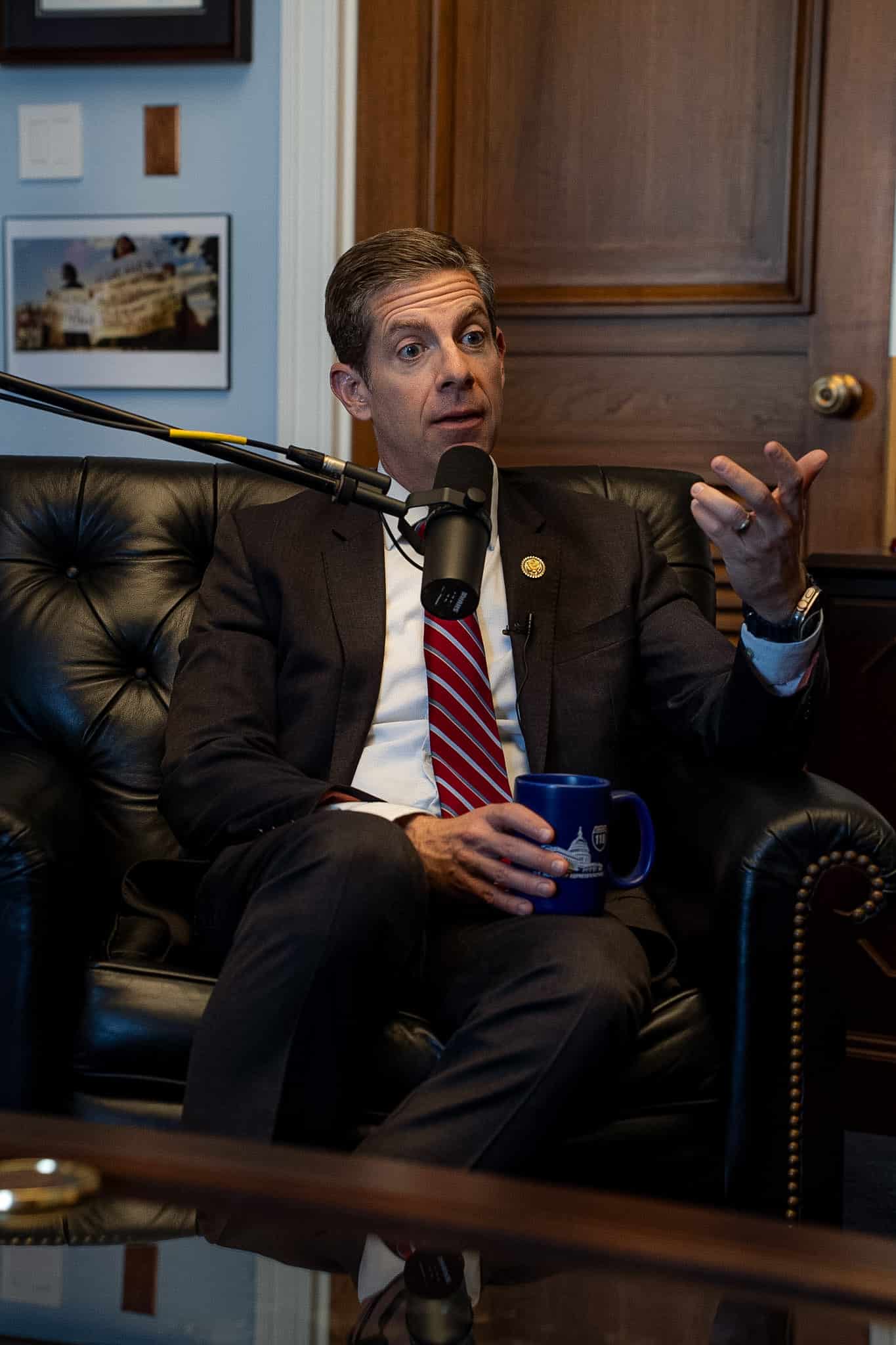
Under Article 1, Section 8, it is not the role or the responsibility of the president to send service members into harm’s way. It is the role of Congress to deliberate, debate, and to evaluate the merits. None of that happened here. None of that happened in this particular instance. Whatever one thinks of George W. Bush, George W. Bush went to the UN, Colin Powell, and George W. Bush went to the Congress. Whatever you think of any of post 9/11 conflicts, or for that matter, before people bring up Bill Clinton in Kosovo.
In every major military operation in our lifetimes, the president of the United States went to Congress, went to the international community, and tried to seek buy-in and presented a case, presented a cost-benefit estimate of why we are doing this. That is why this is an unprecedented situation in the modern history of our country.
Where this leads is really scary, and they relied in part on the exceptions to the War Powers Act that I think the Obama administration inappropriately relied on in Libya, which was well, it is kinetic, but it is not boots on the ground. If it is a major military operation, Congress needs a say. Period, full stop, end of story.
I got one more question on that, and then I am going to ask you, something else real quick, and then I know you’ve got a busy day ahead of you, as Congress has come back in. It is so divisive right now, and one of the reasons we are sitting here with you is because you have been very centric in a lot of your being a work bipartisan.
It is very important to sit down and hear the opinions of folks where you can actually discuss the issues, understand that maybe you are going to agree to disagree, but at the end of the day, you are going to find a resolution. You have worked very hard in your terms in Congress to work with the other side of the aisle, bring Republicans on to co-sponsor a lot of the initiatives that you put forward, most of those supporting our veterans. All of them. True, and they are on the wall.
If you look up there, there are a lot of those bills that are signed by Trump. In the first term, I think we had sixteen bills signed when Trump was president in the first couple of years that I was here. It is so much tougher now.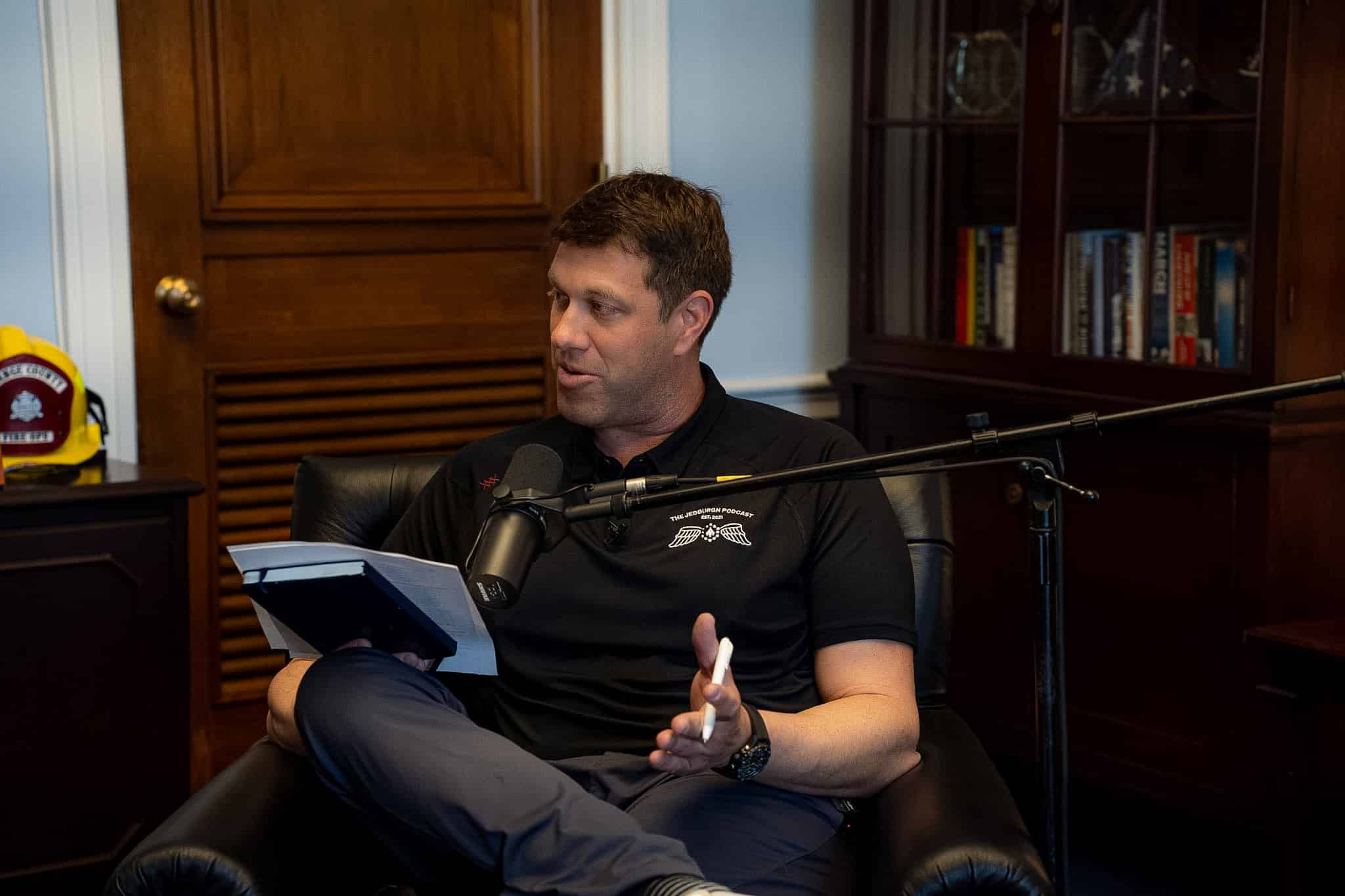
How do we bridge the gap? From the outside, I am not in Congress, I am not involved in the government, I have a fortunate opportunity to sit down with you and many of your peers and our military and government leaders. As an American veteran who has gone to combat for this nation and now watch my friends doing the same.
We want to see our government work. How, in your opinion, do we bridge this divide and bring Congress together? Bring the three branches of our government, because it is not just Congress. How do we bring everybody together and truly serve the American people? We can argue all day long about what that actually means, but government shutdowns and complete disarray do not serve the American people.
I will take a crack at this, and it is a complicated answer, but I will give you the best perspective I have based on doing this now for eight years. Leadership always starts from the top. The tone that is set by the person in charge, in this case, President Trump, and what he has decided works best for him politically, is to just continue to double down on divisiveness. The example that I think is clearest is the State of the Union, this past State of the Union, where he literally looked at the Democrats who were there. I sat for an hour and 47 minutes, and he called us crazy.
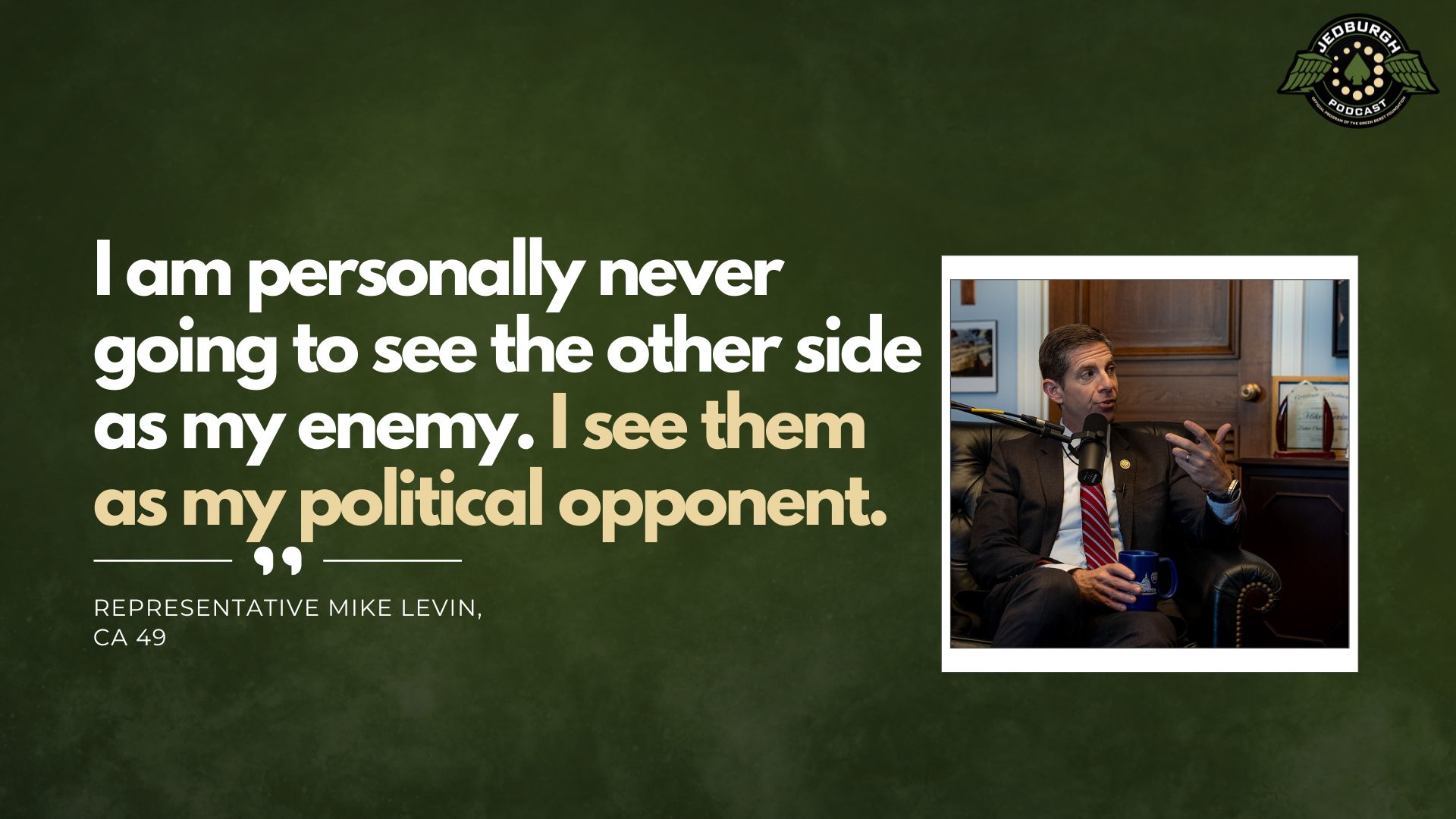
Implied that we were not patriotic, implied that everybody on our side is an extremist, and did so in a way that really was without precedent. Think about how far we have come from when Joe Wilson from the South Carolina Republicans said to Obama, to where we are today, “I am personally never going to see the other side as my enemy. I see them as my political opponent, but never as my enemy.” The people whom I have run against have all been people with whom I have been friendly. We disagree on a lot of things, but at the end of the day, as Reagan and Tip O’Neill used to go and get a beer, we need to get back to that, but it starts.
You have got to have somebody like Ronald Reagan, and you have got to have somebody like Tip O’Neill who are willing to recognize that the other day we are all Americans. For all their awful disagreements over the years, George W. Bush and Nancy Pelosi were able to at least be human beings to one another. I never saw President Bush denigrate the entire Democratic Party that way. I never saw Joe Biden denigrate the Republican Party that way. I never saw Barack Obama denigrate the Republican Party that way. Never saw Bill Clinton do it.
For that matter, back then, I never saw Newt Gingrich treat Bill Clinton that way. They had plenty of fights. Starts from the top. Anybody who is unwilling to admit that or see that, I would just encourage them to just change the channel for a little while, take a deep breath, exhale, and just think objectively about what we see day in and day out from this president.
Have to watch both Fox and CNN. That is what I do. You have got to switch it up. Congressman, I thank you for inviting us.
You got me fired up, man.
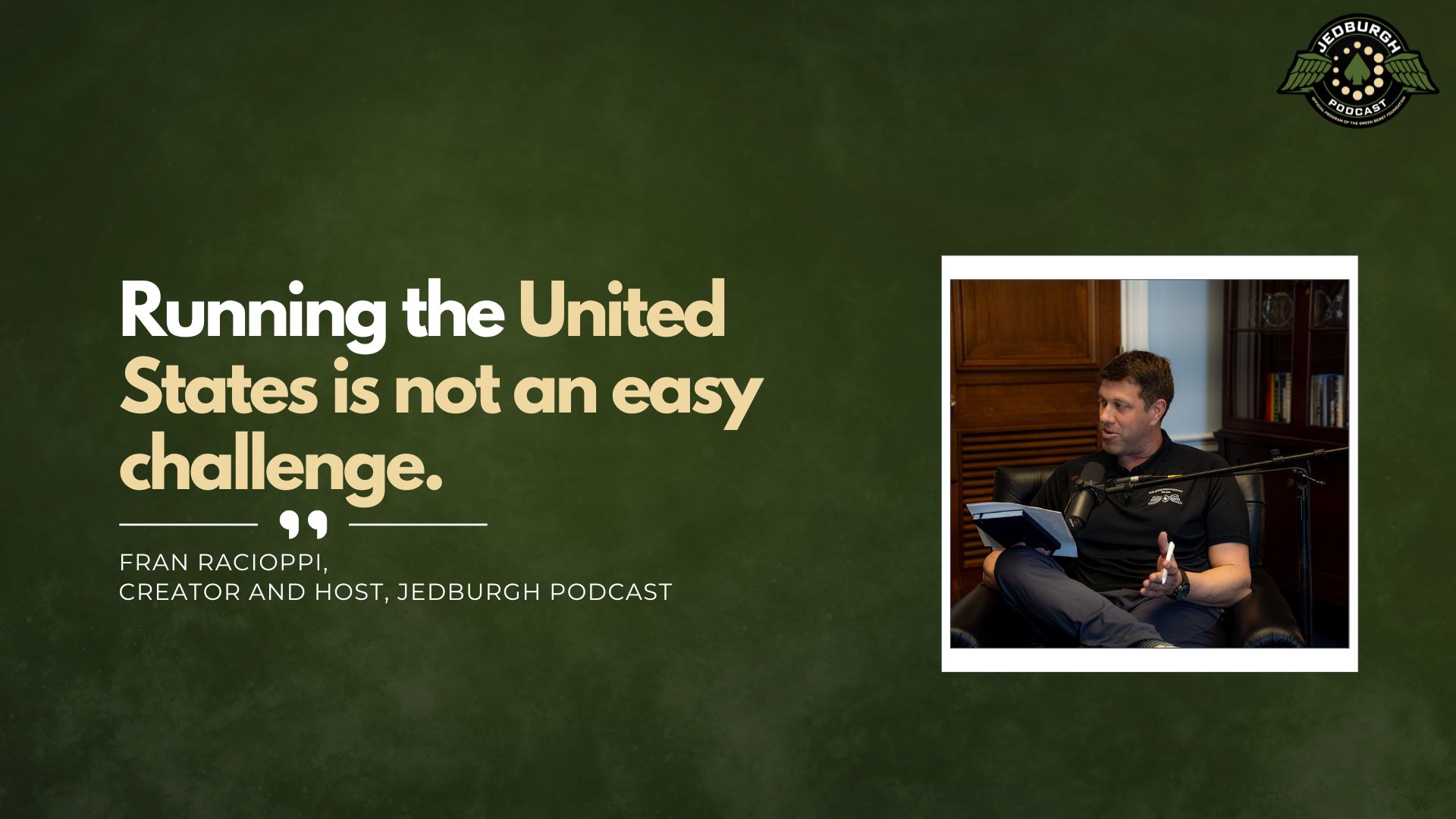
As you said, and I think you correctly said it in terms of the Iran conflict, this is not an easy challenge. Running the United States is not an easy challenge, regardless of where you sit, whether you are in Congress, whether you are the president in the executive branch, or whether you are in the judicial branch. This country is going to be 250 years old here in a couple of months. We have come a long way. We have a long way to go, but at the end of the day, this is a complicated challenge.
In the military, we call it the second and third-order effects. No decision that you make, regardless of where you sit, is going to be in a microcosm, in a vacuum. What we have to do and what we encourage our leaders to do is think very clearly through those second and third-order effects to understand the weight and the impact of their decisions. It does not matter what side of the aisle you are on, it does not matter what your opinions are, but as a citizen, that is what I believe we need from our elected leaders, and we have to do it together.
Amen. I want to thank you for your sacrifices for our nation, for your desire to continue serving, as so many of our veterans want to continue to find ways to serve. Your ability to continue to educate and inform people is really important. I care about this institution, the House of Representatives, and the Congress of the United States very deeply. We are at an inflection point right now where, if Congress continues to give up its constitutionally prescribed role, we will not get it back.
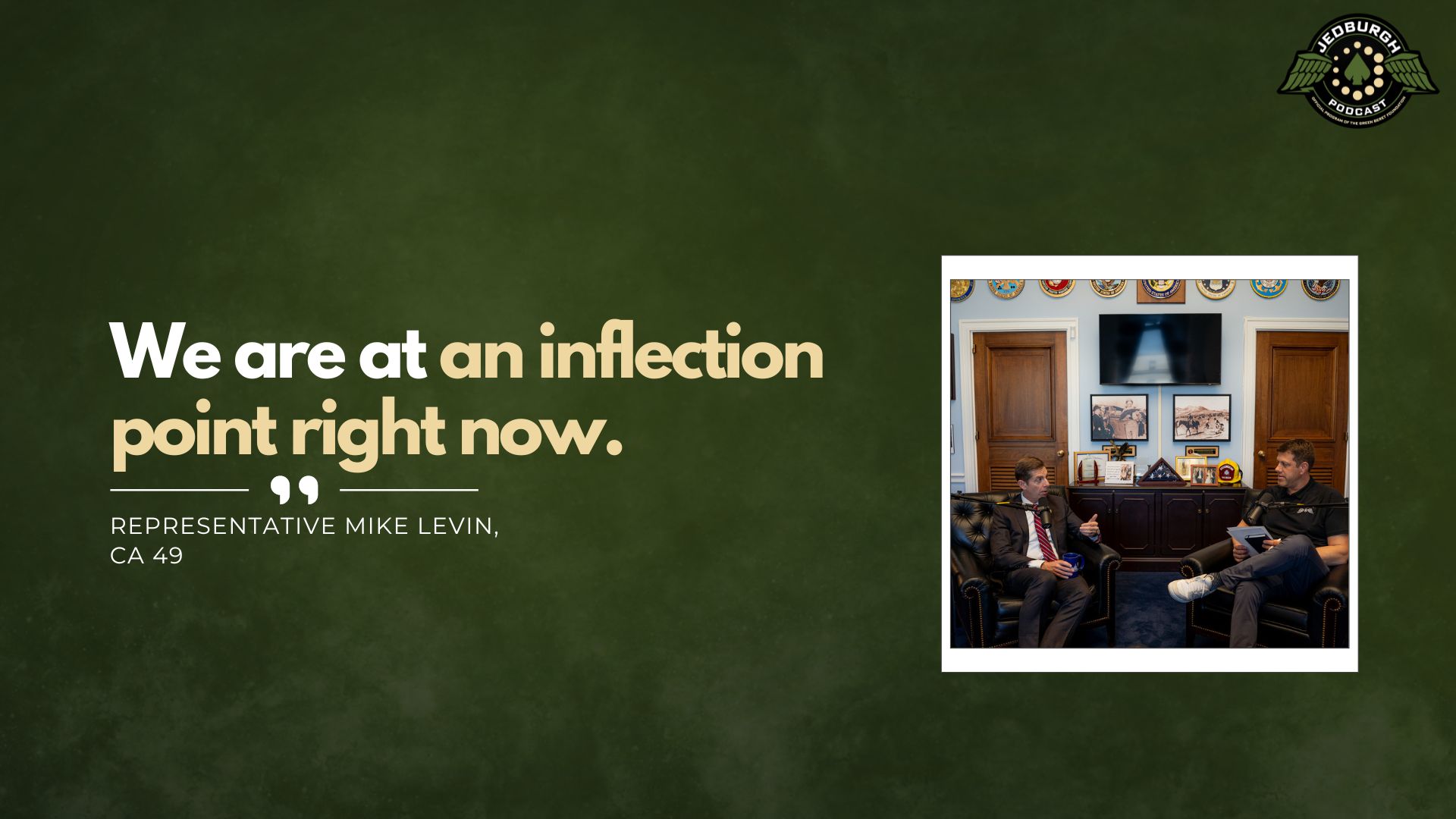
We did not fight in two world wars in the revolution so that we would have an authoritarian system, that was anything other than the product of those 250 years, which was a constitutional democracy, a republic with checks and balances, with a functioning judiciary independent of the legislative branch, independent of the executive, and a legislative branch that can stand on its own two feet.
That certainly includes the most important role that I have ever had as a Congress member, which is that determination when and how we send service members in harm’s way, making sure they have the resources and the training to do whatever we need them to do best in the world, but also being judicious and responsible and thoughtful about how and when.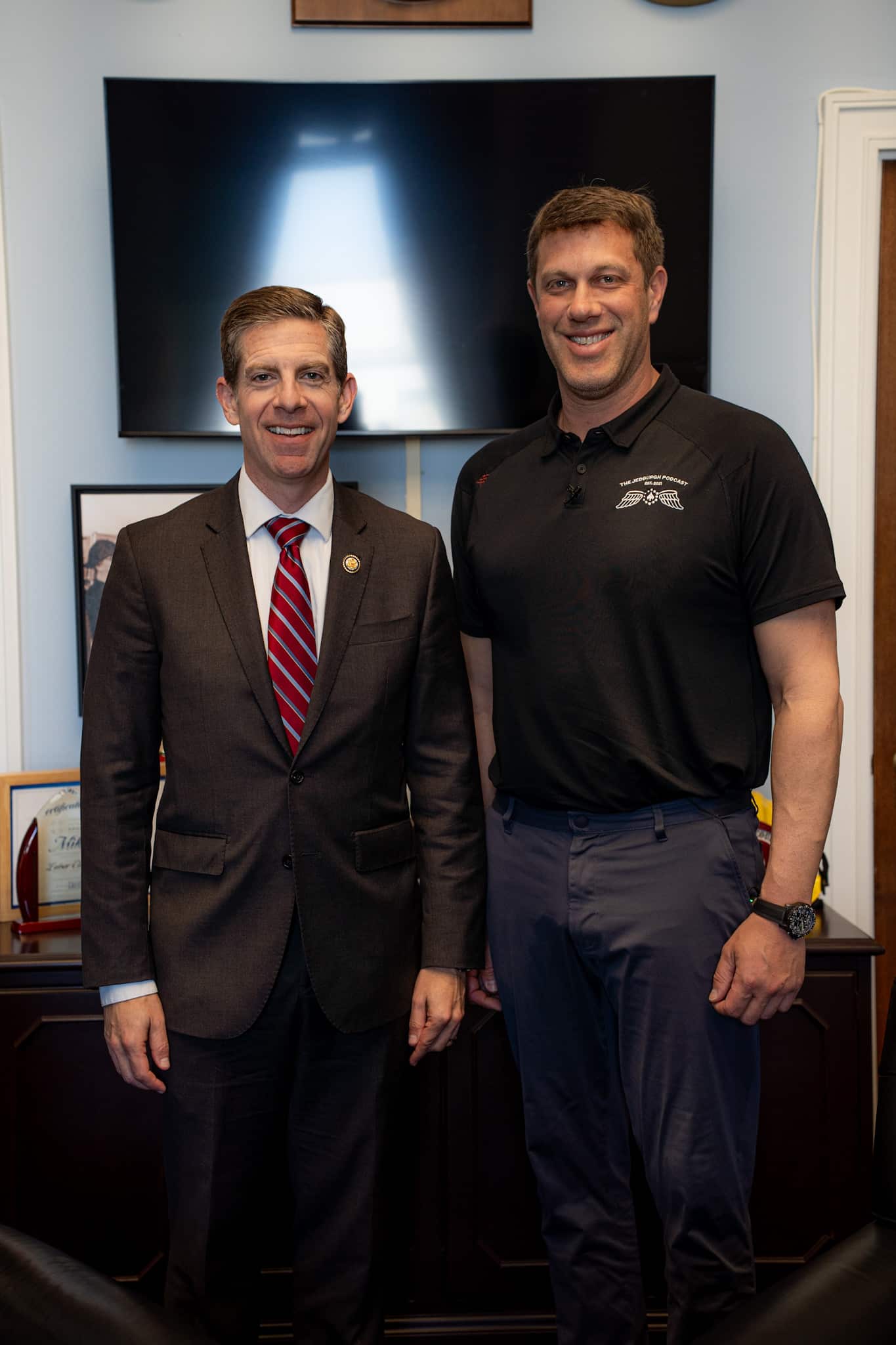
My concern right now is that the standard has not been met, that Congress has not stood up as the Constitution requires, and that the administration does not really care what Congress thinks. I am asking. I will close by saying that every person running for president or thinking about it in 2028, I asked them what a tough question is, will they be willing to give up some power back to Congress to restore some basic checks and balances, because I think that is ultimately what we are going to need.
I look forward to coming back and discussing it more with you and the continued work you do for your constituents and all of our veterans. Thank you. I will sit down with Sergeant Major Ruiz. We will talk about camping.
Say hi for me. He is a great man.
I will say hi to you and look forward to following up with you after that.
Thank you.
Thank you.

Green Beret Foundation
P.O. Box 25138
New York, NY 10087-5138
Note: Please use USPS mail or priority mail. Do not use FedEx.
Green Beret Foundation
10205 US Hwy 15-501, Unit 26-8
Southern Pines, NC 28387-4301
Call: at: (844) 287-7133