Service is an honor and a burden carried by more than just those who don the Green Beret. Service is borne by the family that stands in the shadows every step of the way. Through training, deployments, uncertainty, the highest highs and the lowest lows, it’s the family that waits for their Green Beret to return.
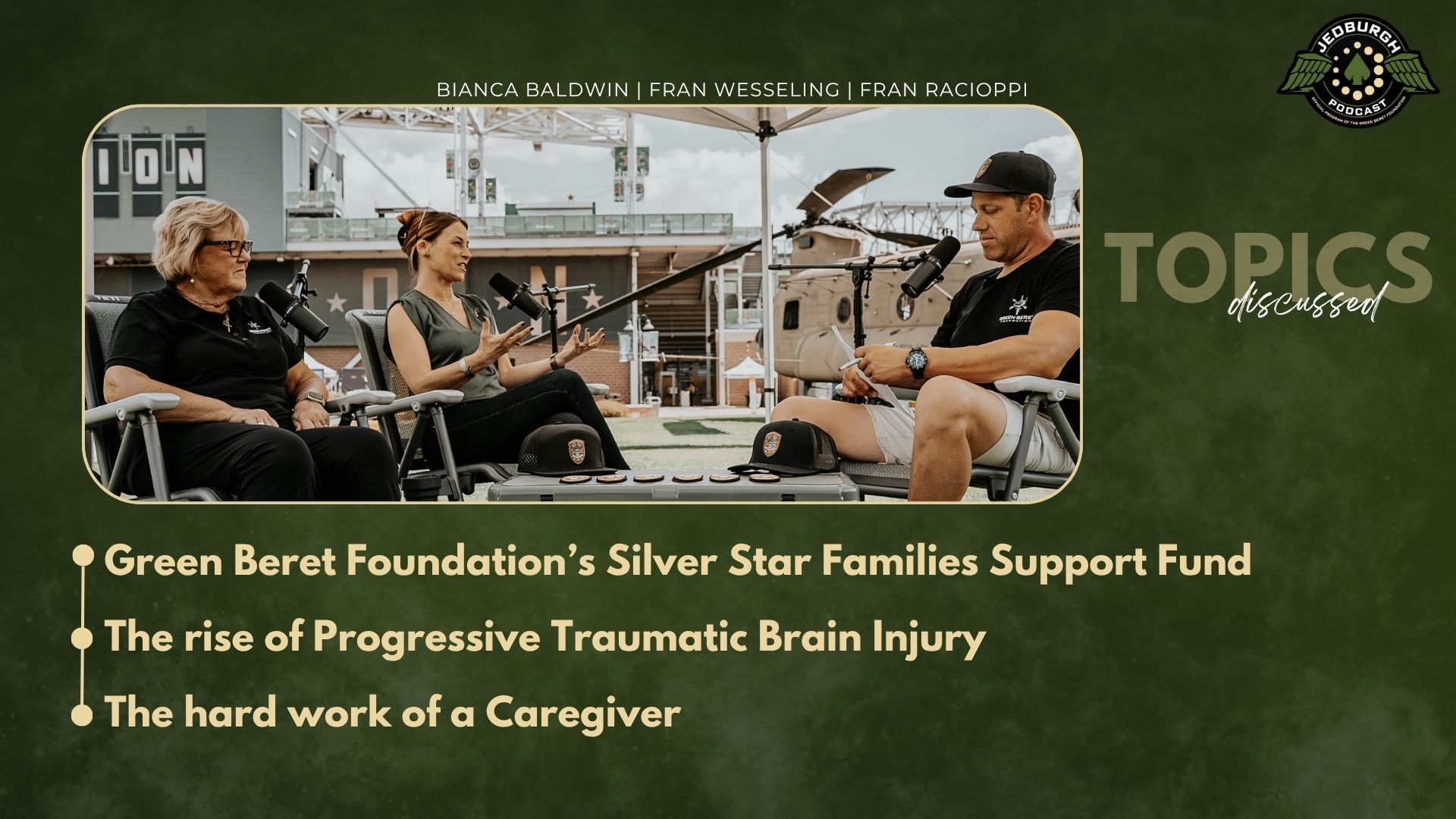
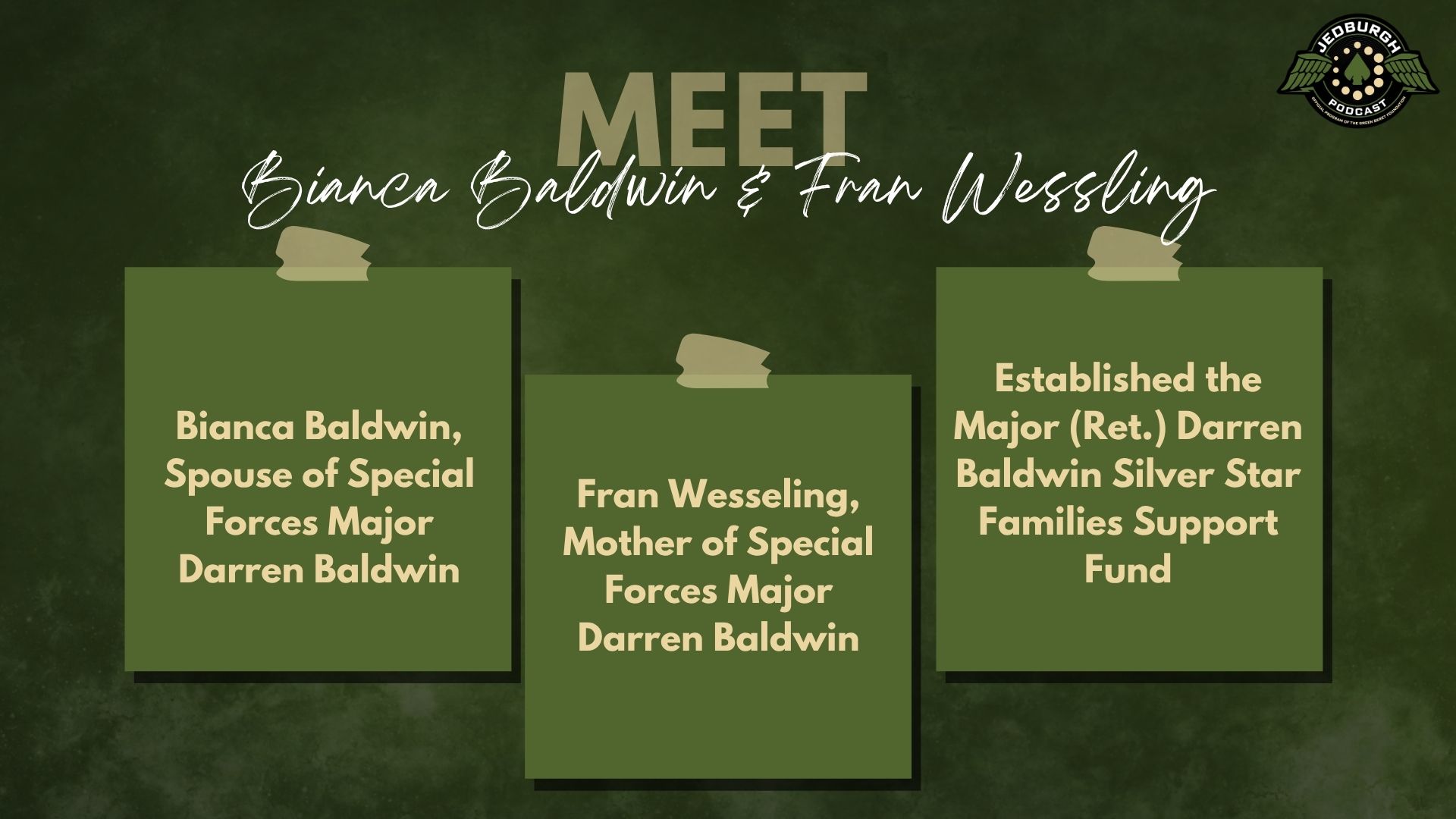
From the 2nd Annual Stars and Stripes Classic, Fran Racioppi sat down with Bianca Baldwin and Fran Wesseling, the spouse and mother of Major Darren Baldwin; a Green Beret who came home from combat, but was never the same.
Darren’s journey began at the United States Military Academy, where he played lacrosse and built the foundation of discipline, teamwork, and commitment that would carry him into Special Forces.
During a deployment, Darren was forced to return home early due to what initially seemed like minor health issues. Further evaluation revealed lesions on his brain, marking the beginning of a long and uncertain fight. Diagnosed with Progressive Traumatic Brain Injury, Bianca and Fran answered a family’s hardest call to service.
They shared with me the critical role a family plays in the success of a Green Beret, why strength is important, and how caregiving gives hope to the wounded and their loved ones.
Darren passed away from his combat-related illness, and to honor his life, Bianca and Fran carry forward his legacy through the MAJ(R) Darren Baldwin Silver Star Families Support Fund and through the support of the Green Beret Foundation, ensuring that other families will never fight alone.
This episode is about the service of a family during, and after that of their Green Beret.
The Jedburgh Podcast is brought to you by OneBrief; enabling military leaders to make innovative, informed and deliberate decisions faster than ever before. Superhuman command wins wars.
Follow the Jedburgh Podcast and the Green Beret Foundation on social media. Listen on your favorite podcast platform, read on our website, and watch the full video version on YouTube as we show why America must continue to lead from the front, no matter the challenge.
—
—
—
Fran, Bianca, welcome to The Jedburgh Podcast. 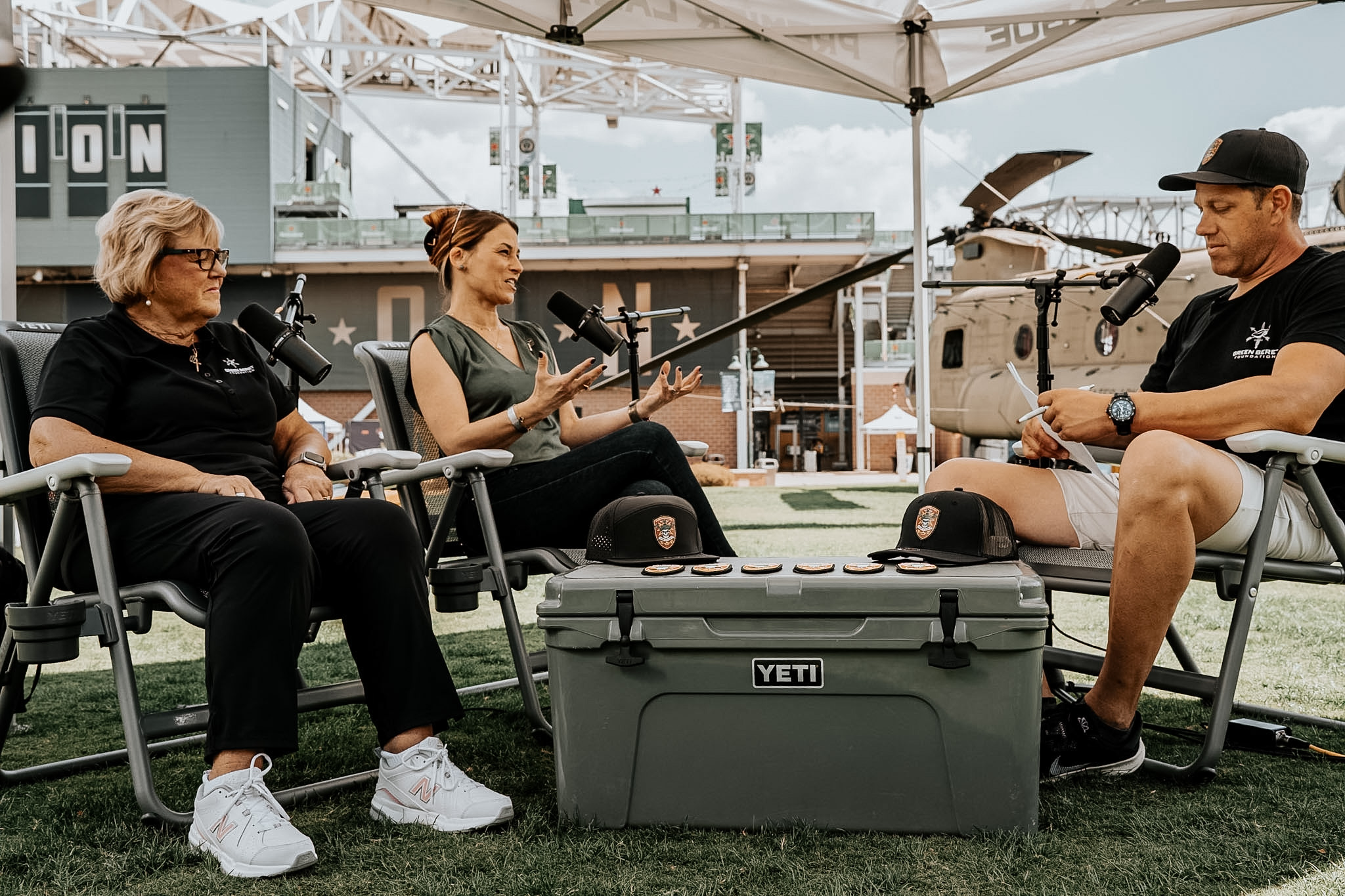
Thank you for having us.
We are back for the second annual Stars and Stripes Classic. This time, we are no longer in Foxborough, but we are down south of Philadelphia. We are at Subaru Park, and we are hours away from the game under the lights tonight as our Green Beret Foundation Green Berets take on the Navy SEAL Foundation Navy SEALs. It is going to be an epic battle. The game seems to have gotten a lot faster. The teams have gotten younger.
Really, what is important is that we are here not only to commemorate and celebrate this rivalry. We are also here to honor the sport of lacrosse and bring awareness to what our Green Berets and what our Navy SEALs are doing, not only for our respective service branches in the Army and the Navy, but for America writ large.
We want to bring in a helicopter and bring over the special operations recruiting battalion behind me. We want to really show the youth of America what it means to serve at an elite level. When you hear the term special operations, you hear what a Green Beret is or what a Navy SEAL is. They get to see it and experience it. You two are both intimately familiar with what it means to serve because you have served.
You have served through your son and your husband, Darren, who was a member of my alma mater, the 10th Special Forces Group, who passed away from combat-related injuries. You have continued to serve, Fran, on the board of the Green Beret Foundation. Bianca, you’re really amazing in supporting so many of the programs and the foundation, and carrying on his legacy and making sure that caregivers are taken care of. I want to talk about that. I want to talk about what it means to be here. We must start with who Darren was.
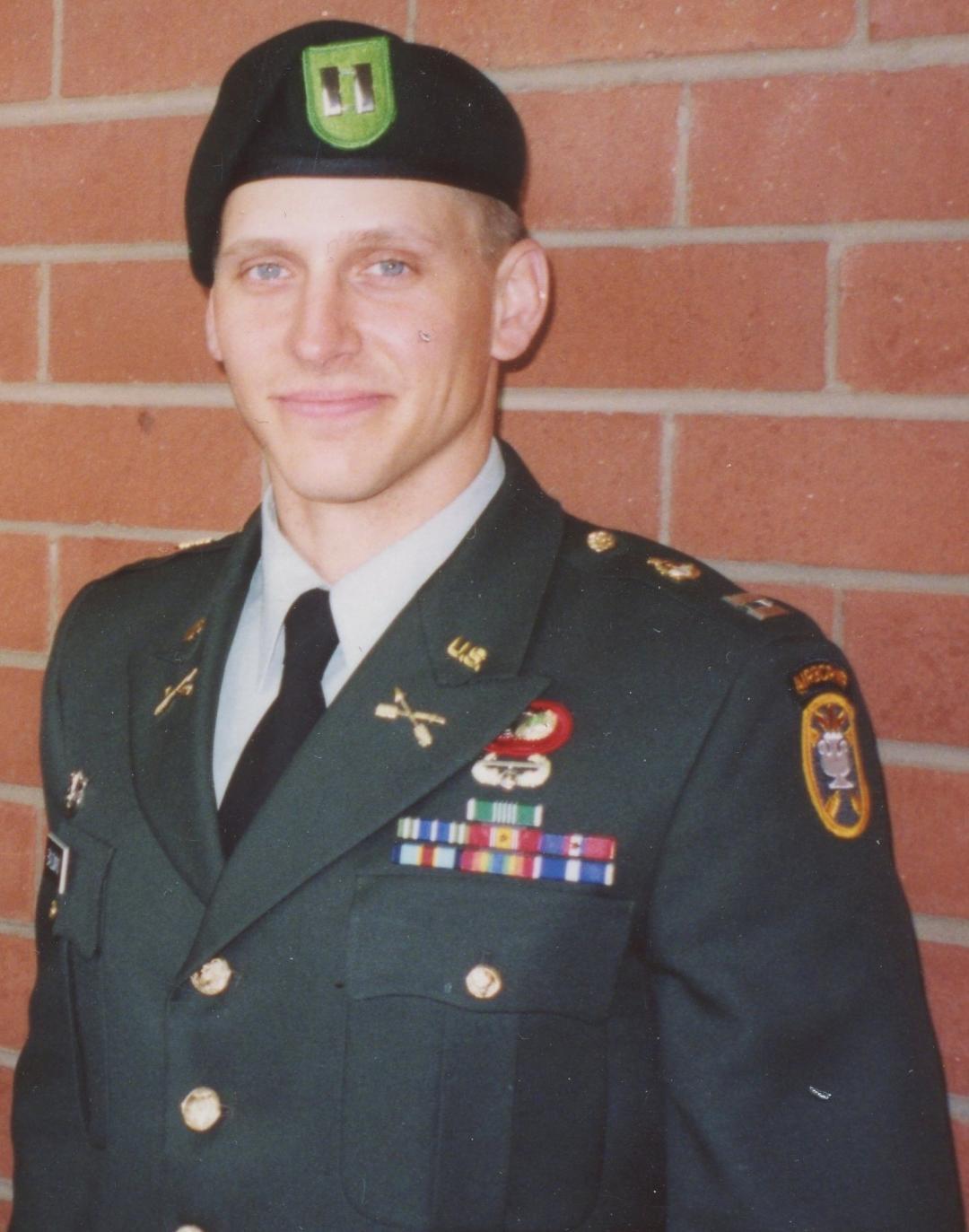
He was my son and a twin brother. He grew up in Columbus, Ohio, and became enamored with the sport of lacrosse. In the Midwest, they really had not had it too long, but he had a coach who brought it to central Ohio when he was in sixth grade. I will never forget his coach said, “If you want to become a good lacrosse player, you have to do what the Iroquois Indians did.” As soon as they had a son, they gave them a lacrosse stick to sleep with.
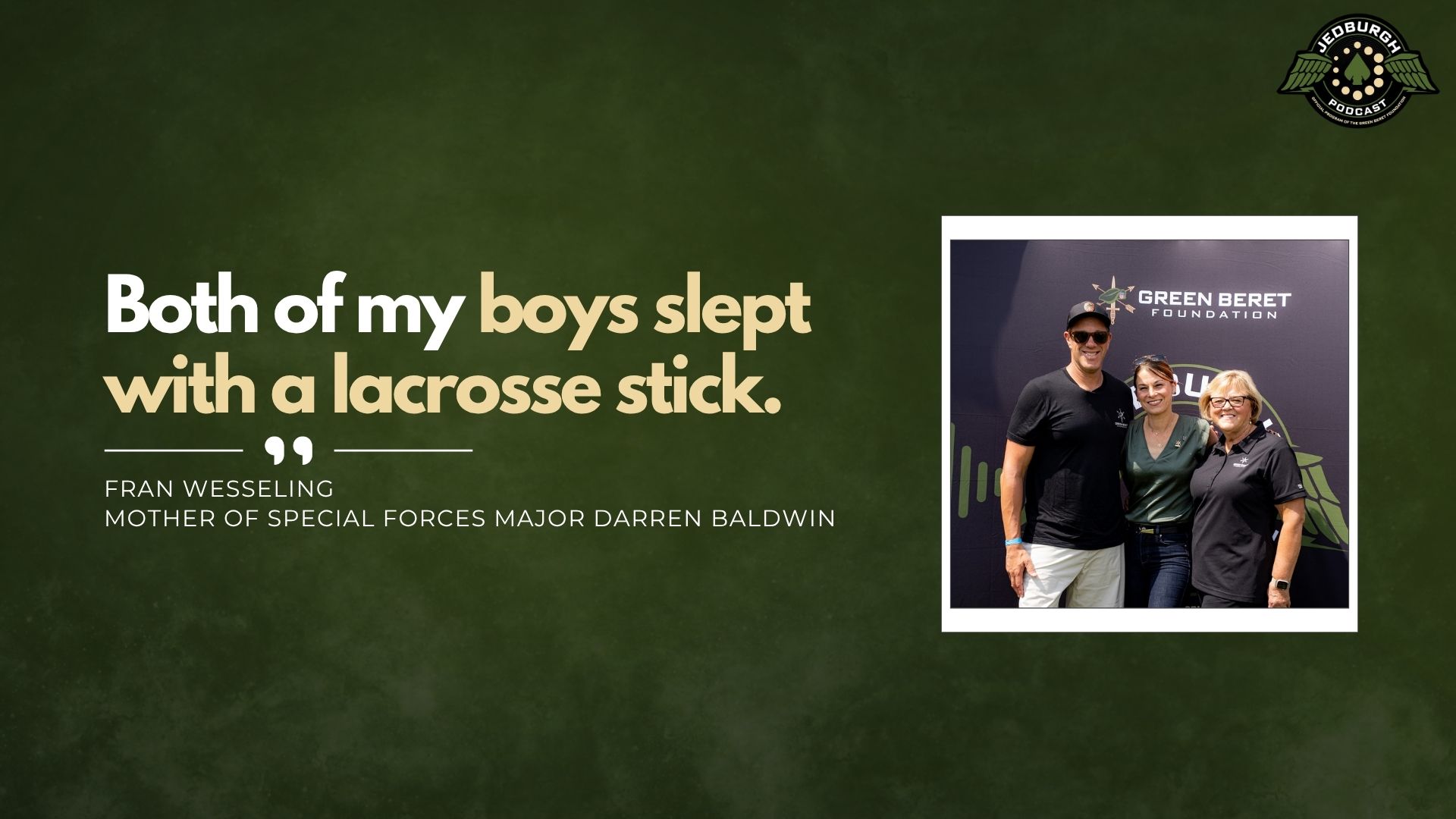
Both of my boys slept with a lacrosse stick in sixth grade. Darren went on and had a very successful career in high school, and made all-state. He really was an incredible middie, and his brother was equally good. Darren had a determination that even the lacrosse coach at West Point noticed. He had quite a few opportunities to go on to college to play lacrosse. At seventeen, he said, “Mom, how many kids my age get to go to a military academy?” That is what he did. He loved the sport. Coach Joe told me he remembers he was an assistant coach when Darren was there.
He said, “I never saw a kid so determined to do well.” Because he was from the Midwest and the majority of players in those days were all East Coast or North Carolina, they stuck a John Deere 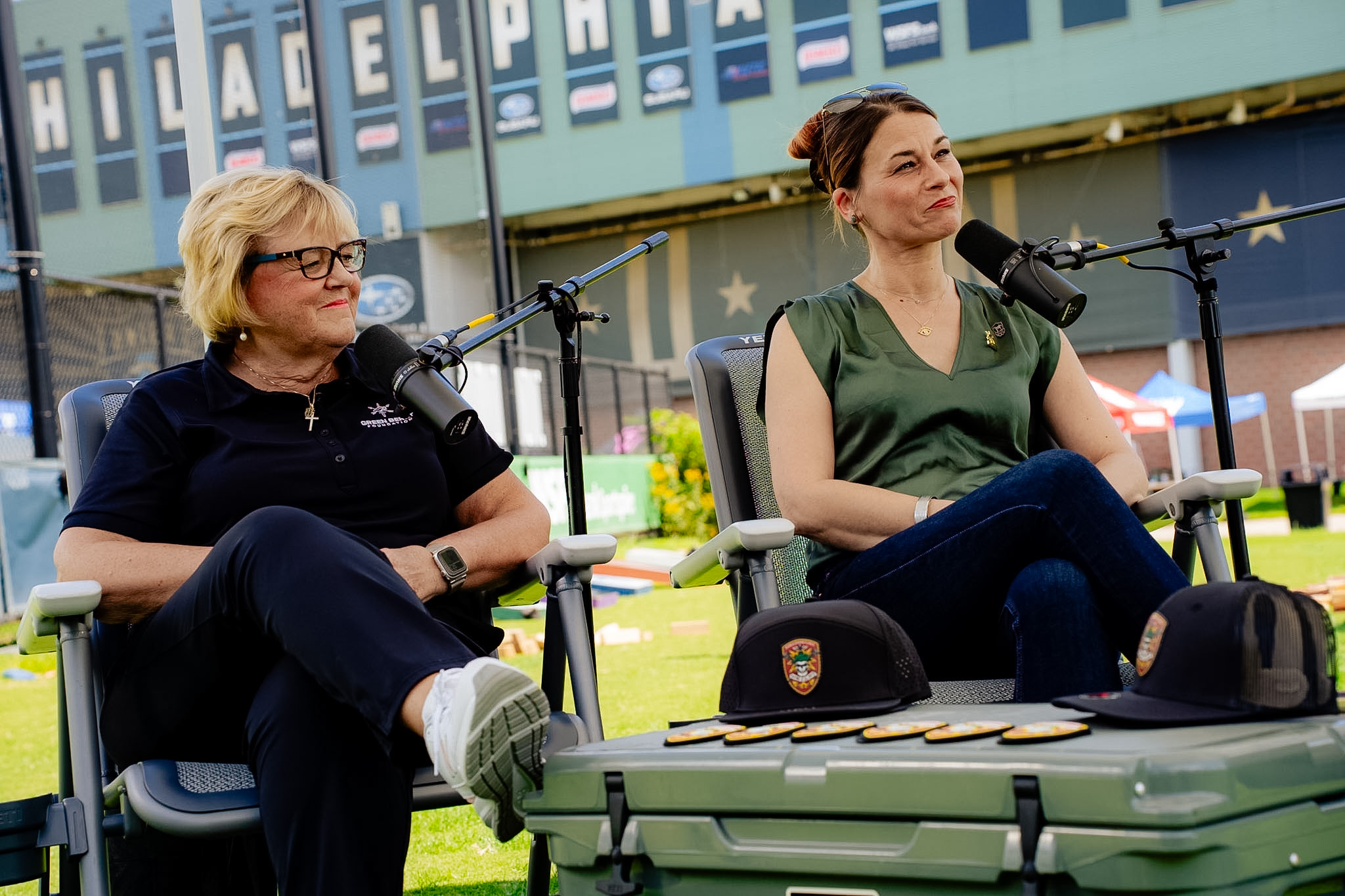 picture on his dorm door and asked, “Are you still driving that John Deere?” He never lived that down. It has been a legacy in our family. His twin brother went on to play at Purdue. His nephews played in high school. It is a very meaningful sport for us. They played football, but we still love lacrosse better.
Going back to who Darren was, I met Darren in Germany. He was stationed there as a field artillery officer. I went to the university there, and we met there. Despite being an amazing athlete and a very dedicated service member and officer, he had the cheesiest humor. He was one good-looking man. He was very kind, very loyal, and very proud of his country and his service.
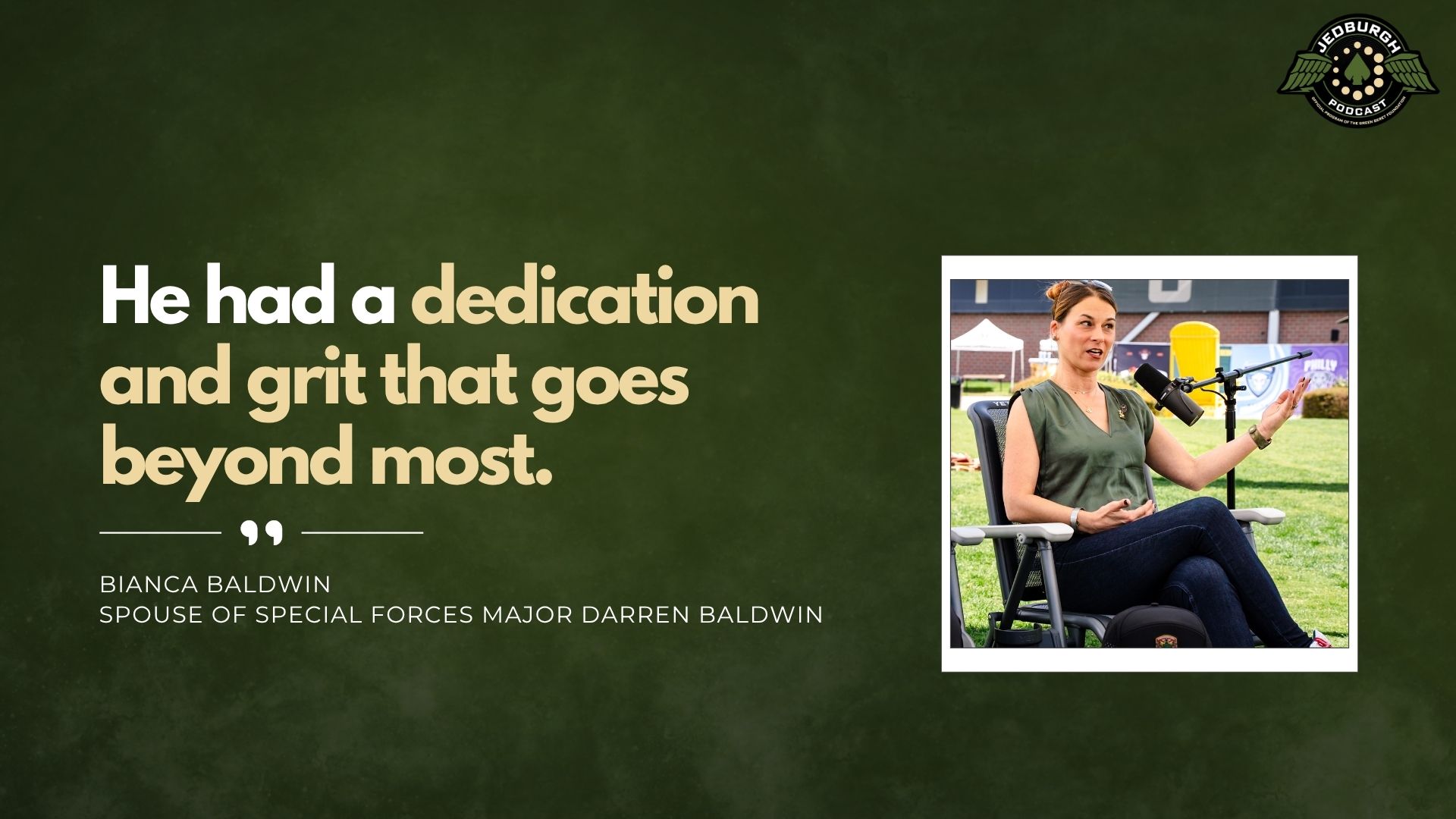
He loved his family. He loved his friends. He had a dedication and a grit that go beyond the average person. Fast forward. Ultimately, when he was in Kosovo with field artillery, he was exposed for the first time to Green Berets there. That put it in his mind that that was going to be what he wanted to pursue. After 9/11, we were dating for right around nine months.
He decided that I was going to be the one, and it was clear he was going to pursue a career within the Special Forces community. That is exactly what he did. He was an athlete on the field and a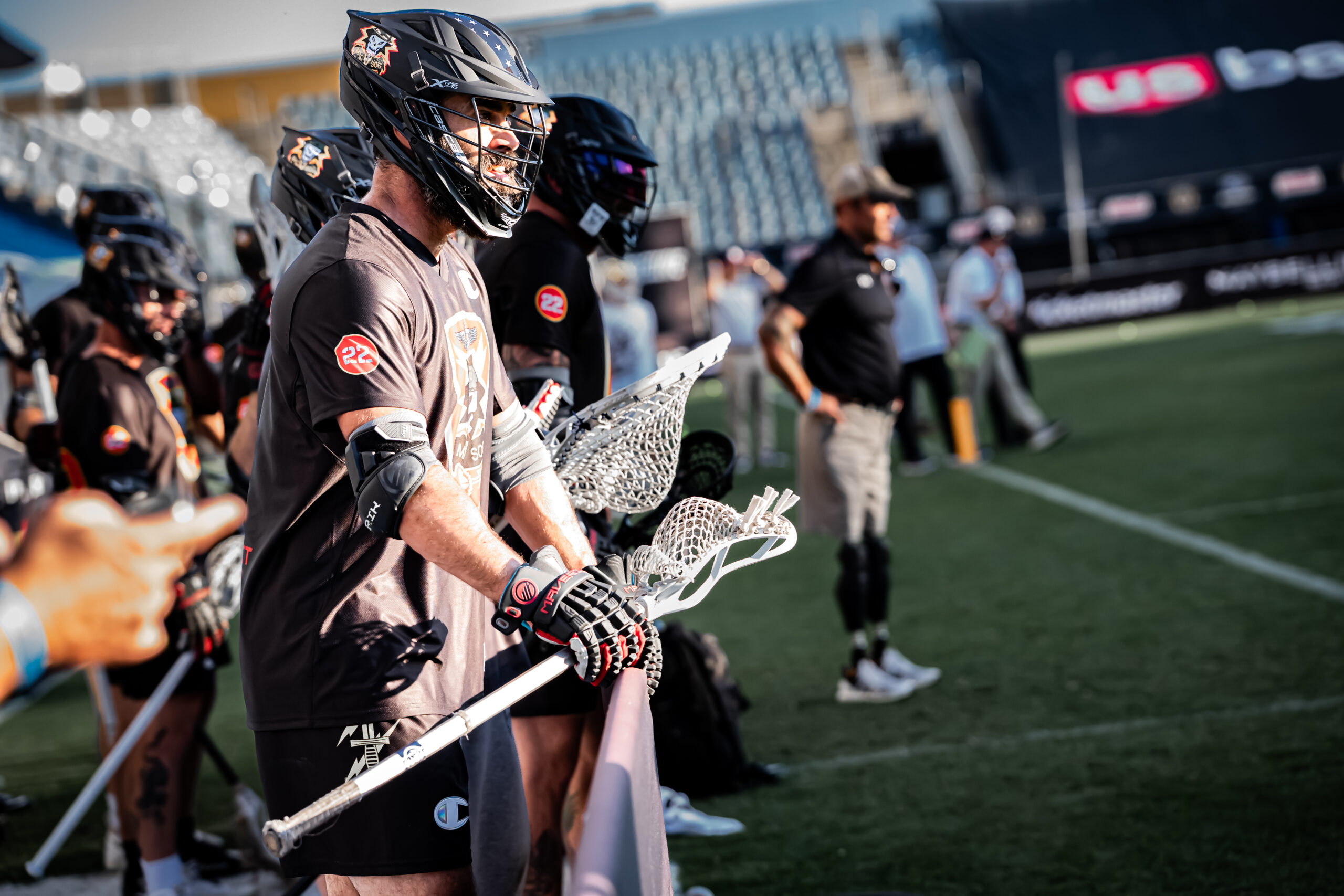 warrior on the battlefield. He loves his brothers and the brotherhood. As a West Pointer, he loved his classmates. He was an all-around great husband. He was just one of a kind.
His legacy lives through this game because his number, number 22, is on the uniform. What does that mean when you see his number on the uniform?
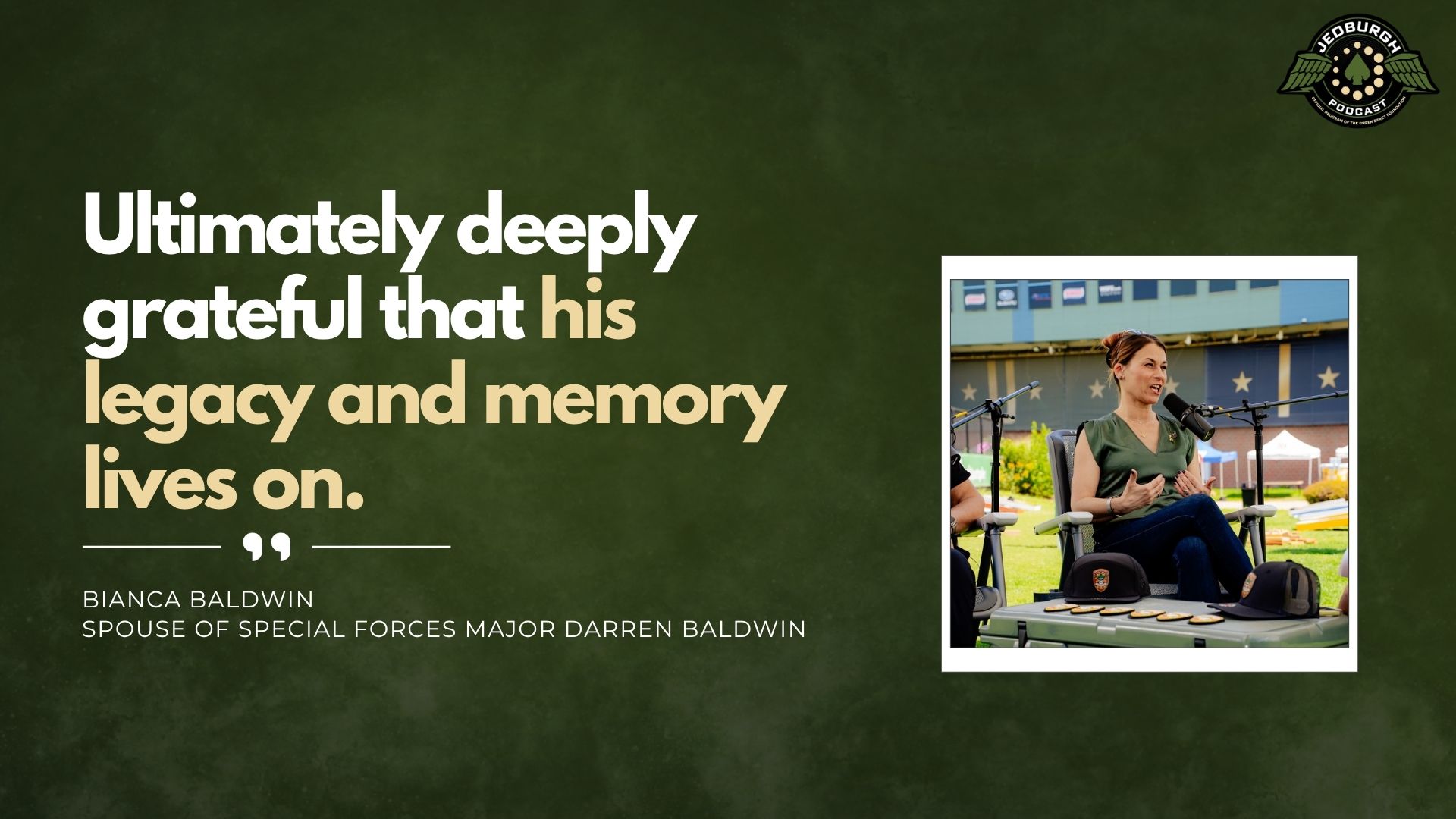
I just recently had a conversation explaining this specific game to someone. Everybody is very much familiar with the Army-Navy game in football. That is the big event with West Point and the Naval Academy. I explained the jersey and how the number 22 is on one of the sleeves to honor and remember Darren. That was his number. It was also his favorite number. He literally considered that his lucky number. Seeing it and having that snippet of his story and who he was is bittersweet. Ultimately, I am deeply grateful that his legacy and his memory live on because there is a lot of story behind that number and his name.
As a family, he has a nephew in Colorado playing lacrosse in his second year in high school, and he has that number 22 on his jersey. It is something that will be forever in our family, a special place in our hearts. I told the players last night that I got to meet, “He is here in spirit.” Having that number on means a lot for our family.
We have been fortunate on The Jedburgh Podcast over the last couple of years to be able to sit down and have some really tough conversations with family members,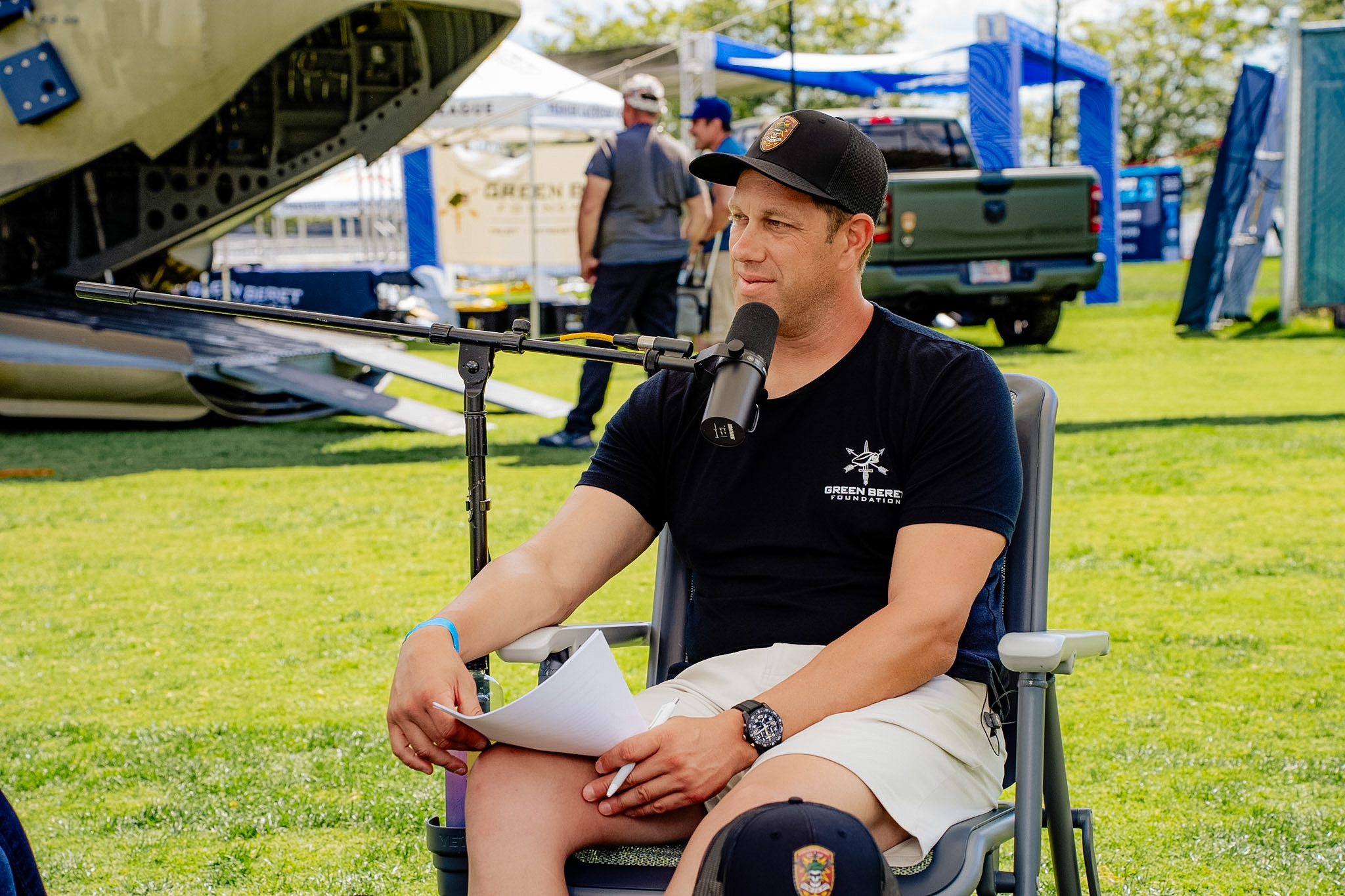 spouses, and parents who have lost their Green Berets. It is never an easy conversation. Most recently, we sat down with General Gil Ferguson and Dalia Munoz. We talked about the notification process.
What does that mean when you are sitting there at your house early one morning, and someone knocks on your door to tell you that your dad, your spouse, or your son has been lost? Your story is a little different because when we deal with illness and combat-related illness, some people’s lives get turned upside down in the snap of a finger when that doorbell rings. Other people have to be involved with it over a longer, protracted period of time.
I do not think anybody can ever say if there is a worse situation, because it is all bad and it is all hard, no matter what situation you are in. There is a caregiver aspect to this. You had to live that. From your perspective, because you have both been so involved in the development of the Silver Star Family Fund with the Green Beret Foundation and the support to caregivers, can you talk about that support, the fund, and your experience as a caregiver?
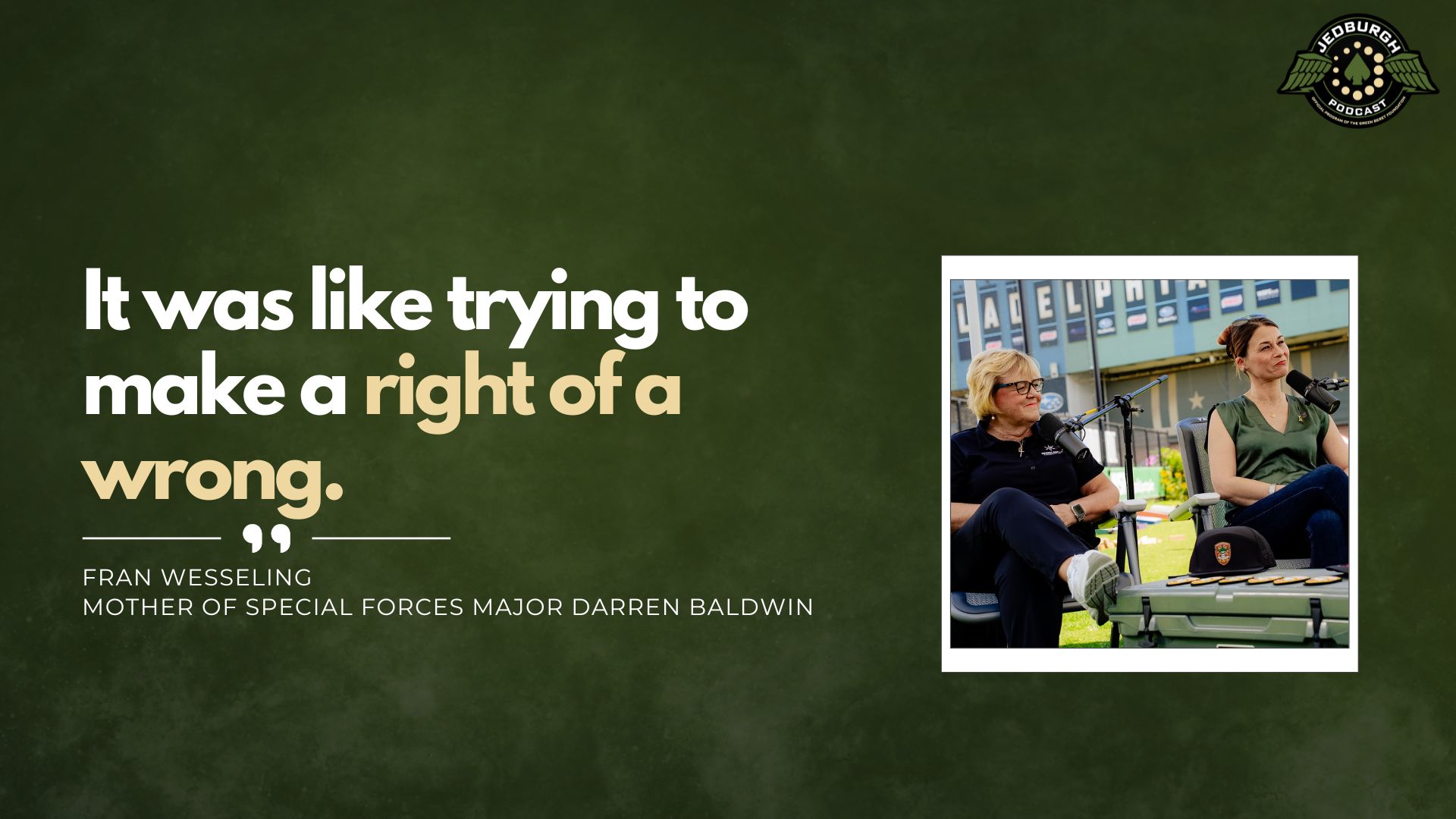
Bianca has an incredible story, and we as a family give her such credit. We have never seen such dedication. I used to be a nurse many years ago. Briefly, I will tell you about the Green Beret Foundation Major Darren Baldwin Silver Star Family Support Fund. When Darren was first injured, I had to do something. It was like trying to make right of a wrong. I said to my husband, “We are both golfers, let us try to raise some money for the Green Beret Foundation.”
He asked, “How are you going to do that?” I had some experience, and I said, “Let us do a golf outing.” In ten years, the golf outing grew from a golf outing to a major gala the night before, to 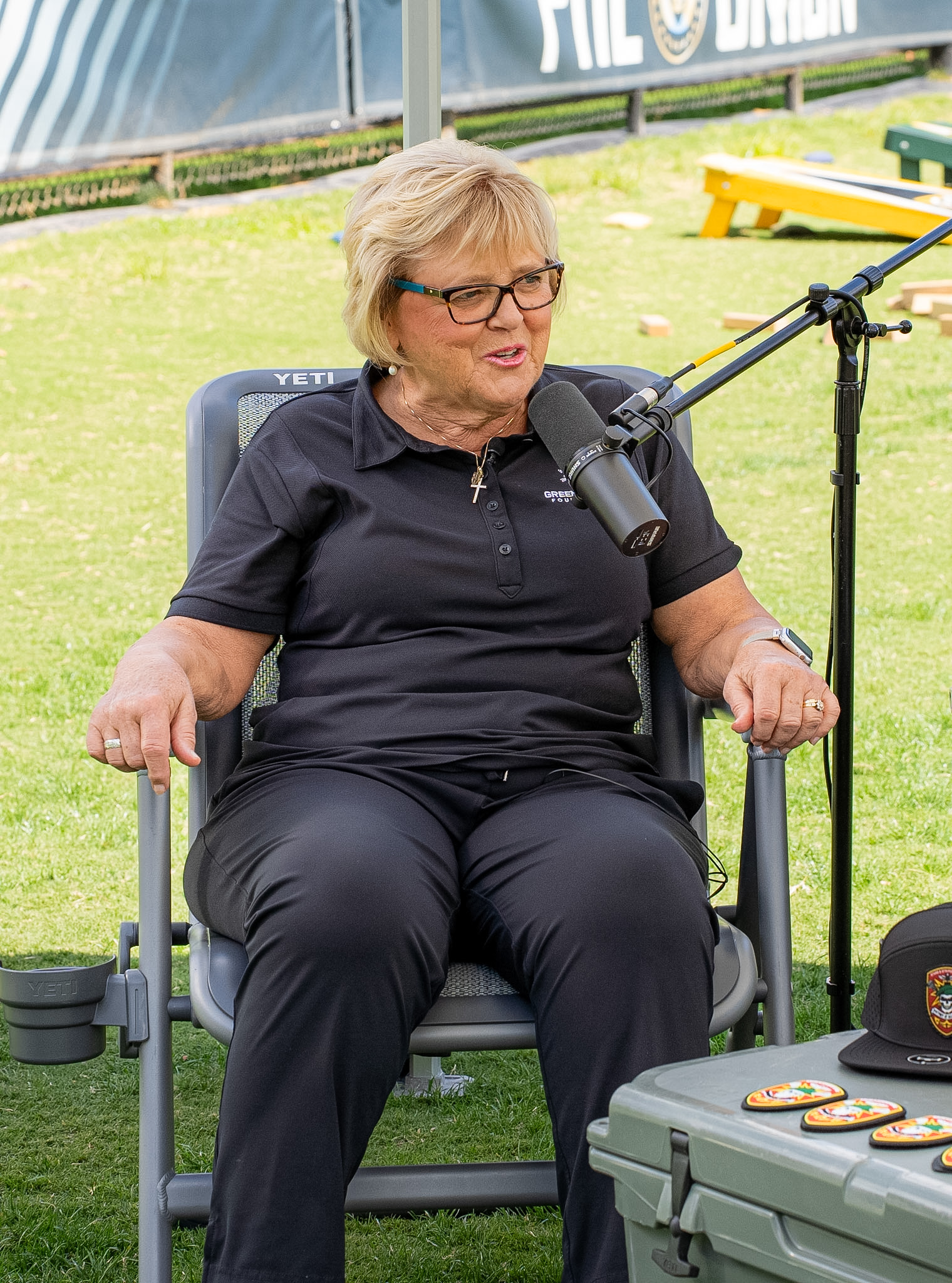 another event, to a 5K race, and a bourbon event that we have in the spring of every year. In ten years, we have raised over $4 million for the Green Beret Foundation.
This is in a tri-state area in Ohio. The greater Cincinnati and Kentucky area did not know what a Green Beret was when we started this in 2015. We bring the Green Berets in so they can meet people. We have done static displays. We have tried to educate them, and we have a passionate following of supporters that, event or not, are donating to the Green Beret Foundation.
This is their charity of choice. As a family, I am going to let Bianca talk about caregiving because she lived it, which helps us to realize that they will never forget Darren. His legacy of goodness and kindness lives on because of that fund. The Foundation can tell you that many Green Berets, their spouses, and their children are being helped by that fund.
What is it like to be a caregiver? What is the story? Darren was in the 10th Group in Fort Carson, 2nd Battalion. He was with the detachment Alpha 061. On his second tour to Iraq, Operation Iraqi Freedom, he was exposed to two improvised explosive devices back to back. The second one was ultimately where we found, over a year later, that something more had to happen.
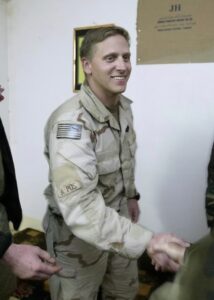
It took us four years to get the incident report. That is when we knew that he was indeed unconscious. That was the moment our lives changed as a very young married couple. We had been married for years at that point. He had just turned 30. I had just turned 28 when that happened. It was not the catastrophic injury where he would have had to be medevaced.
I did not get the knock on the door or the doorbell ring. I am very grateful for that. What I did get was a phone call from Rear Detachment that there was an incident, but Darren was okay, and he would call me. He did. Little did we know that everything had changed in that moment in March 2005. Fast forward to 2006, Darren is leaving the 10th Group and being assigned to Fort Bragg.
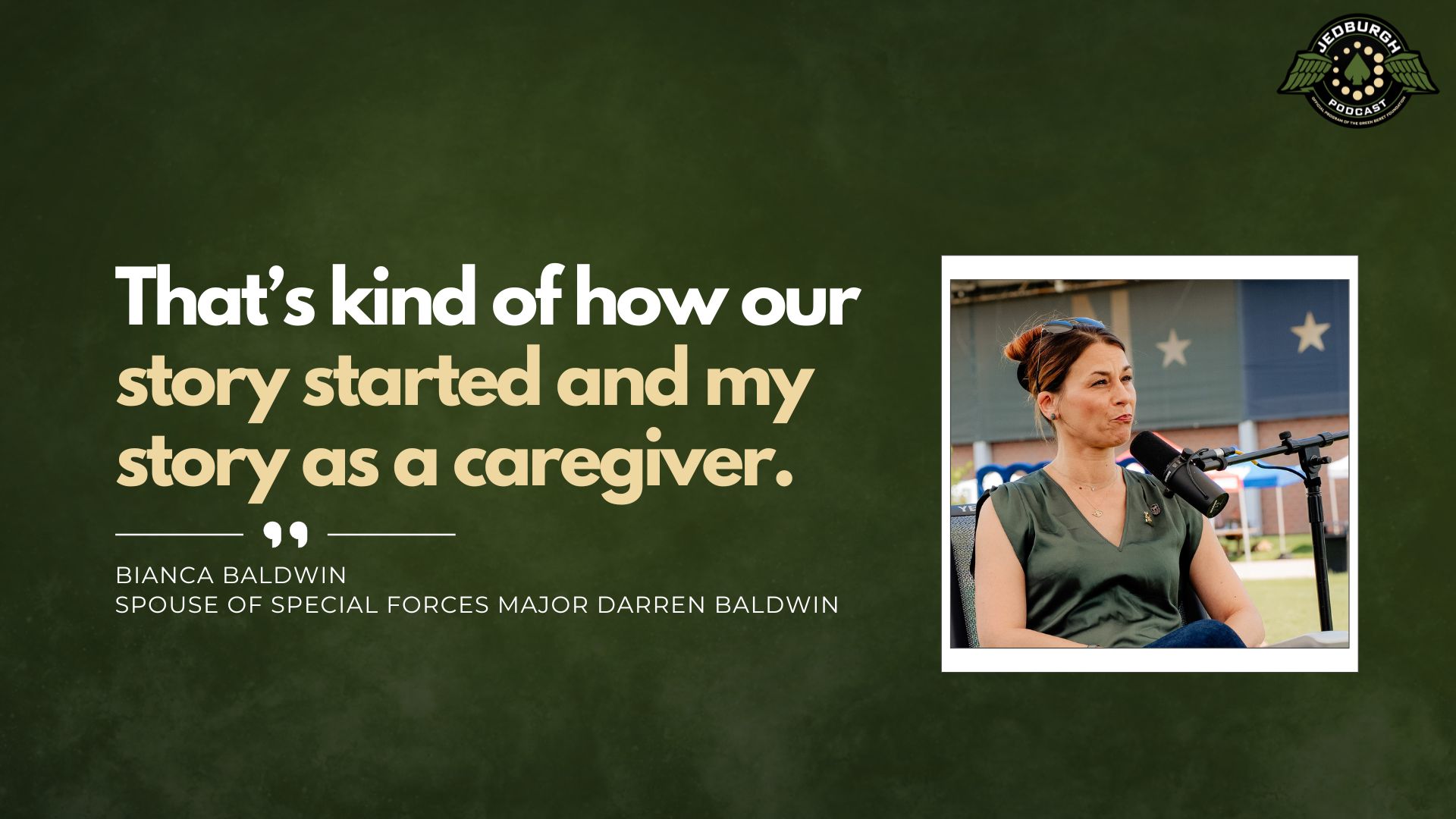
He had to come home from his third deployment early because he already had issues. There were minor, mild problems like being off balance, which was a little bit unusual for him, and a short temper, which was not Darren at all. He finally got checked out before he left Fort Carson. We were sent to Walter Reed because they found so many lesions or scars on his brain that they thought he might have cancer or some sort of infection. That is how our story started, and my story as a caregiver. This is about 2006. We are in Fort Bragg, and we do not really know the diagnosis.
It is just like fishing in the dark. You wonder what is going on. Darren was afraid of his career being uprooted. This was what he loved. I became his advocate. Over the course of fifteen years, we find out it is not multiple sclerosis, ALS, or Parkinson’s. It is not all these different labels that military medical professionals were going with. It turns out it was progressive traumatic brain injury. Often, I am asked if I am angry. There was a time, but I also know they did not know what they did not know. This is early on in the war. This is 2005. The Iraq War began in 2003. They just did not know.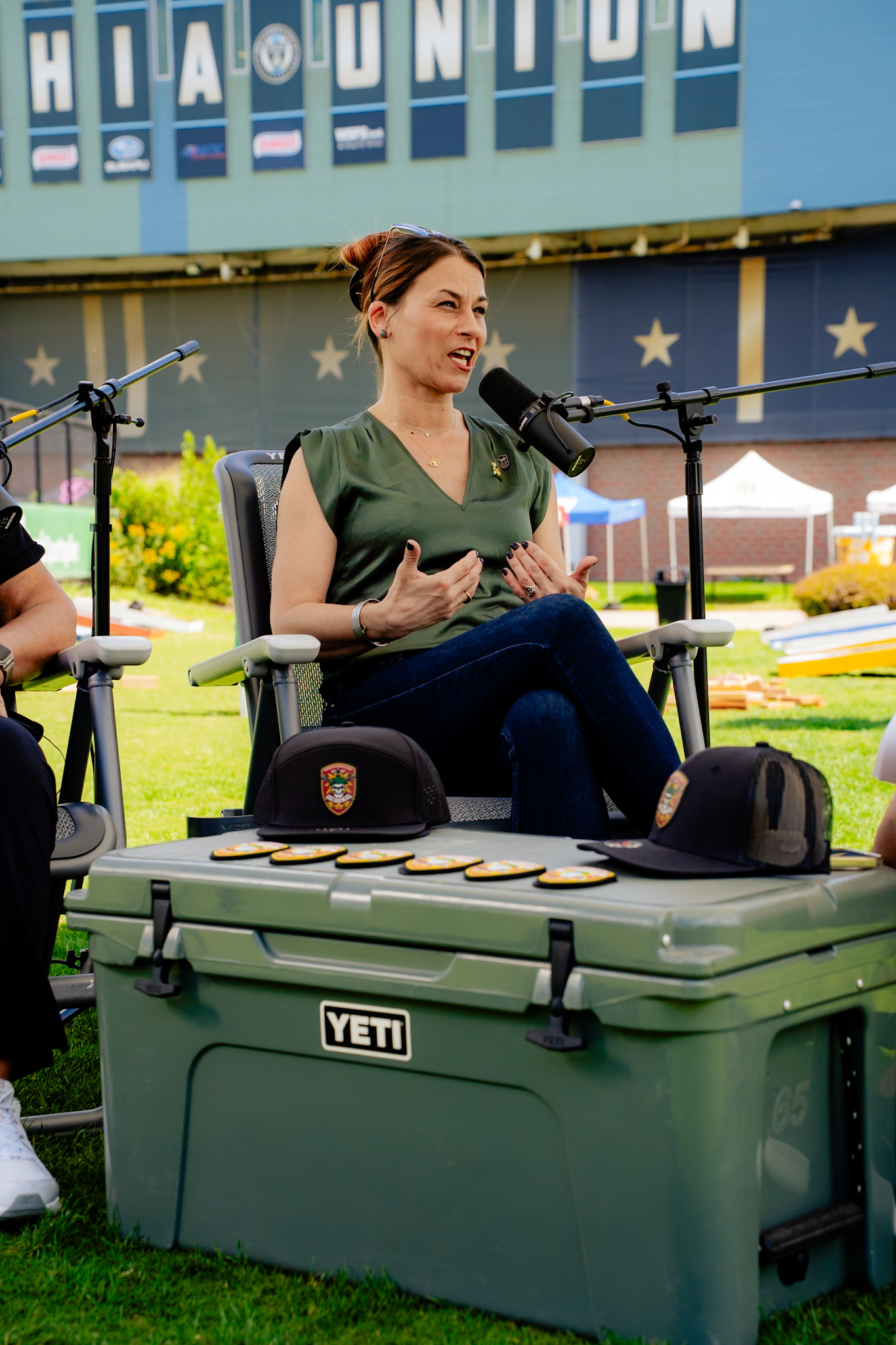
I might add, giving her tremendous credit, she was his advocate, and she fought hard to get that.
That is exactly what I was going to say. I became his advocate because Darren had no idea how to do that. You guys are not trained for this. Green Berets are not trained to see doctors all the time and question them, especially not if they end up being higher ranking. I said, “No,” because he could never do it due to the brain injury. I would ask him, “What happened?” or “What do you say?” “I do not know. I do not remember.”
“I’m going to come with you from here on out to every single medical appointment.” I did. I do not care about ranks. I am the spouse. I questioned them, and I would write everything down. It was a fight because of the missing link for four years. It wasn’t until 2009 that we finally got the incident report. Now we knew that it was a brain injury, and it was all based on his loss of consciousness. They saw so many catastrophic injuries that the enclosed brain injury was just not understood.
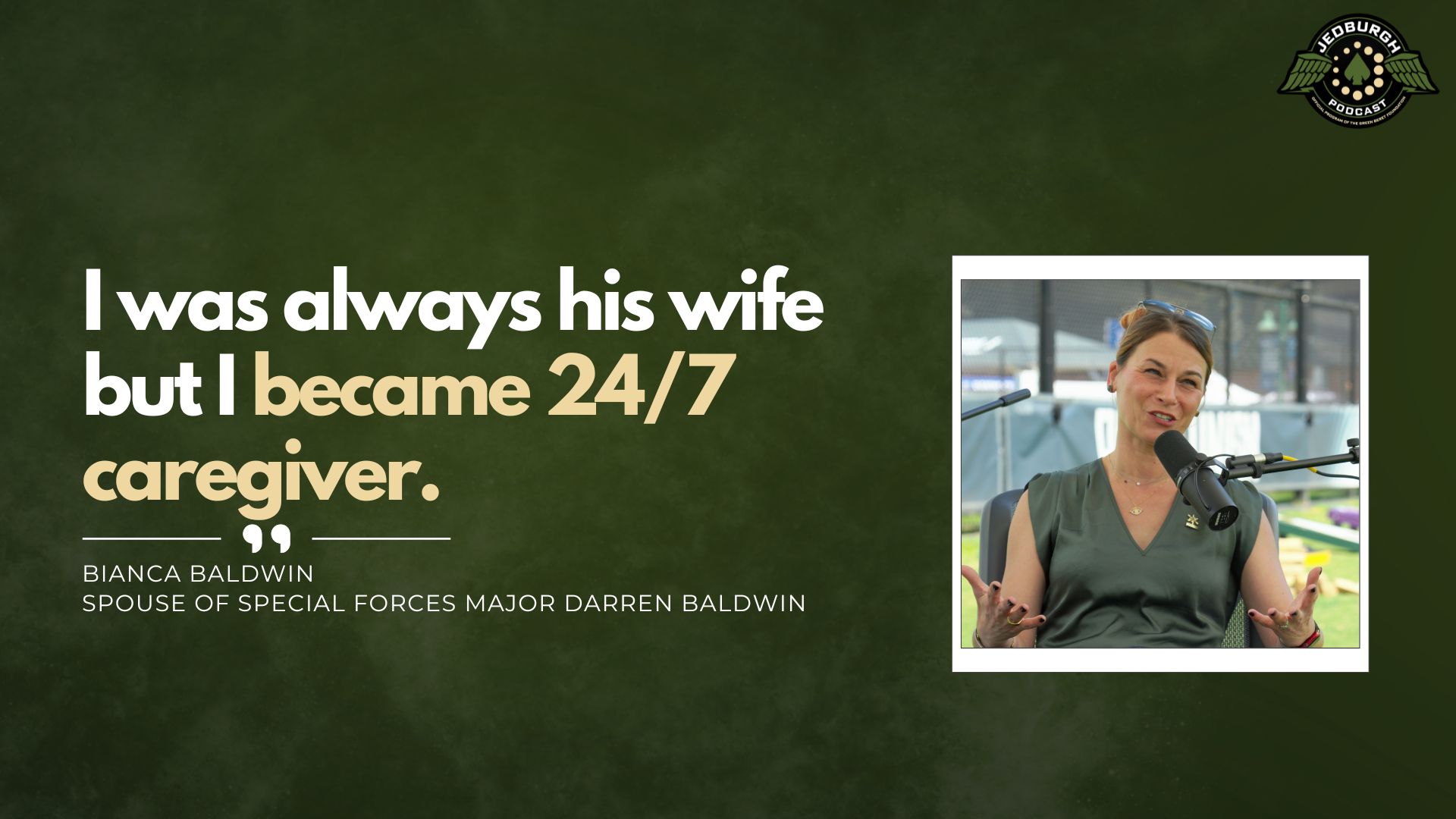
If you think about football, the NFL really started to kick that into gear. We learned from them in a way, and they learned from us regarding blast injuries and all those situations that our service members were exposed to, especially within the special operations community. Over the years, as Darren’s condition progressed and declined, I progressed more and more into the caregiver. I was always his wife, but it became 24/7 caregiver.
He ended up being wheelchair-bound and unable to do his daily tasks. He lost his speech. He was like my study project all the time. I could understand what was happening to him just by watching his every move and facial expression. I pretty much became his able body because he simply could not. It’s a long story, but just to have this outline over the fifteen years, me becoming from the military life to the advocate and more and more of the caregiver. You continue to be his advocate.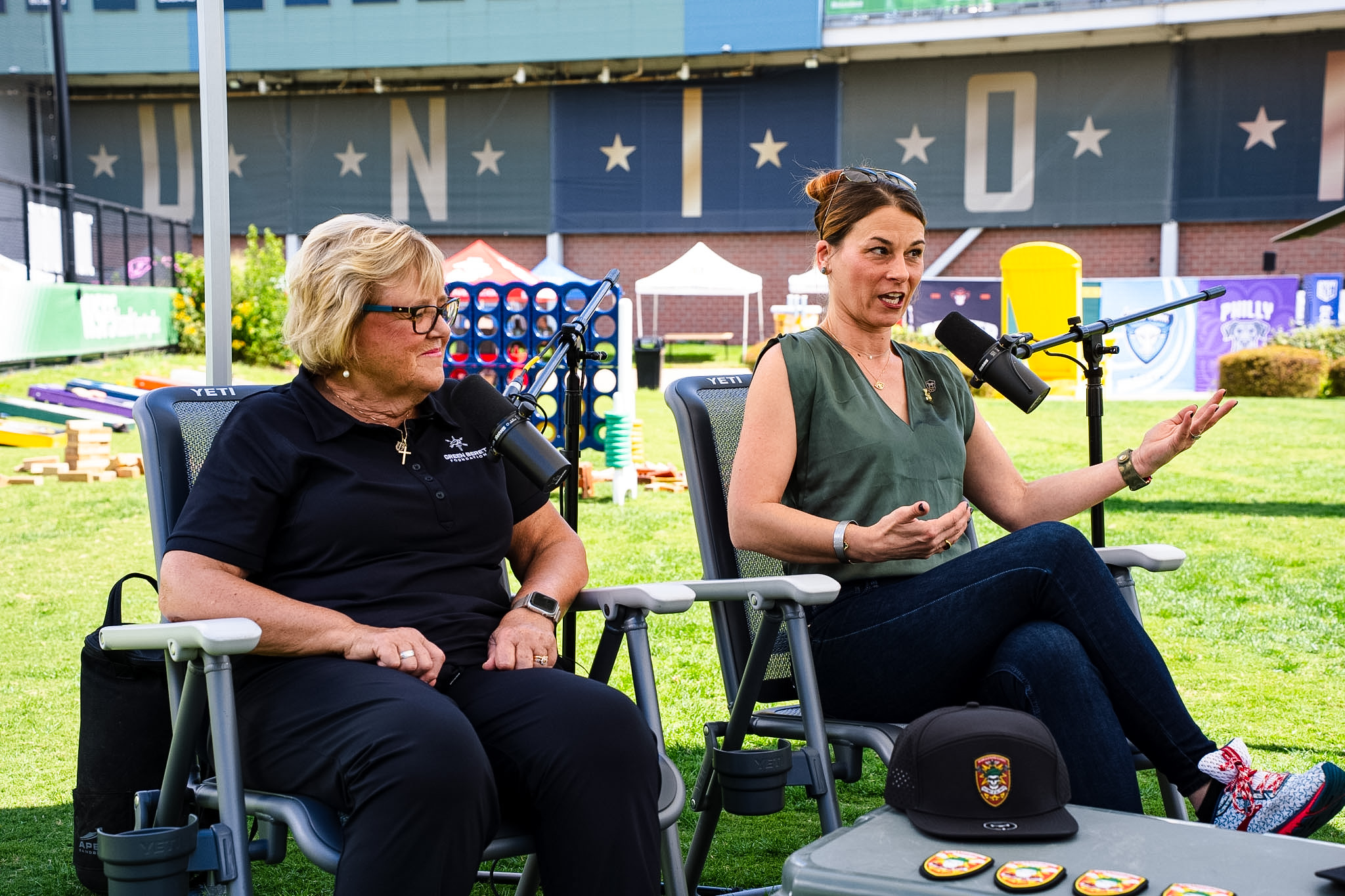
Somehow, you become a skilled person in all these different medical fields without ever having had the official training. Going into the Green Beret Foundation and having that Silver Star Family Support Fund, there are two aspects for me. It is a little bit nostalgic because it is in Darren’s honor and memory. He was one of the very first Special Forces Green Berets who benefited from the Green Beret Foundation in 2009, after Aaron Anderson founded it.
Having it named not only after him but also dedicated to Silver Star families is significant. I do not want people to confuse it with the award that service members get. I’m going to be honest, I did not figure it out. I did not know until 2020. For whatever reason, I was Googling, and I’m like, What is a Silver Star Families of America?” I had never heard of it. This is many years after being a caregiver, and I stumbled across it. It is an official day. May 1st is Silver Star Families Day.
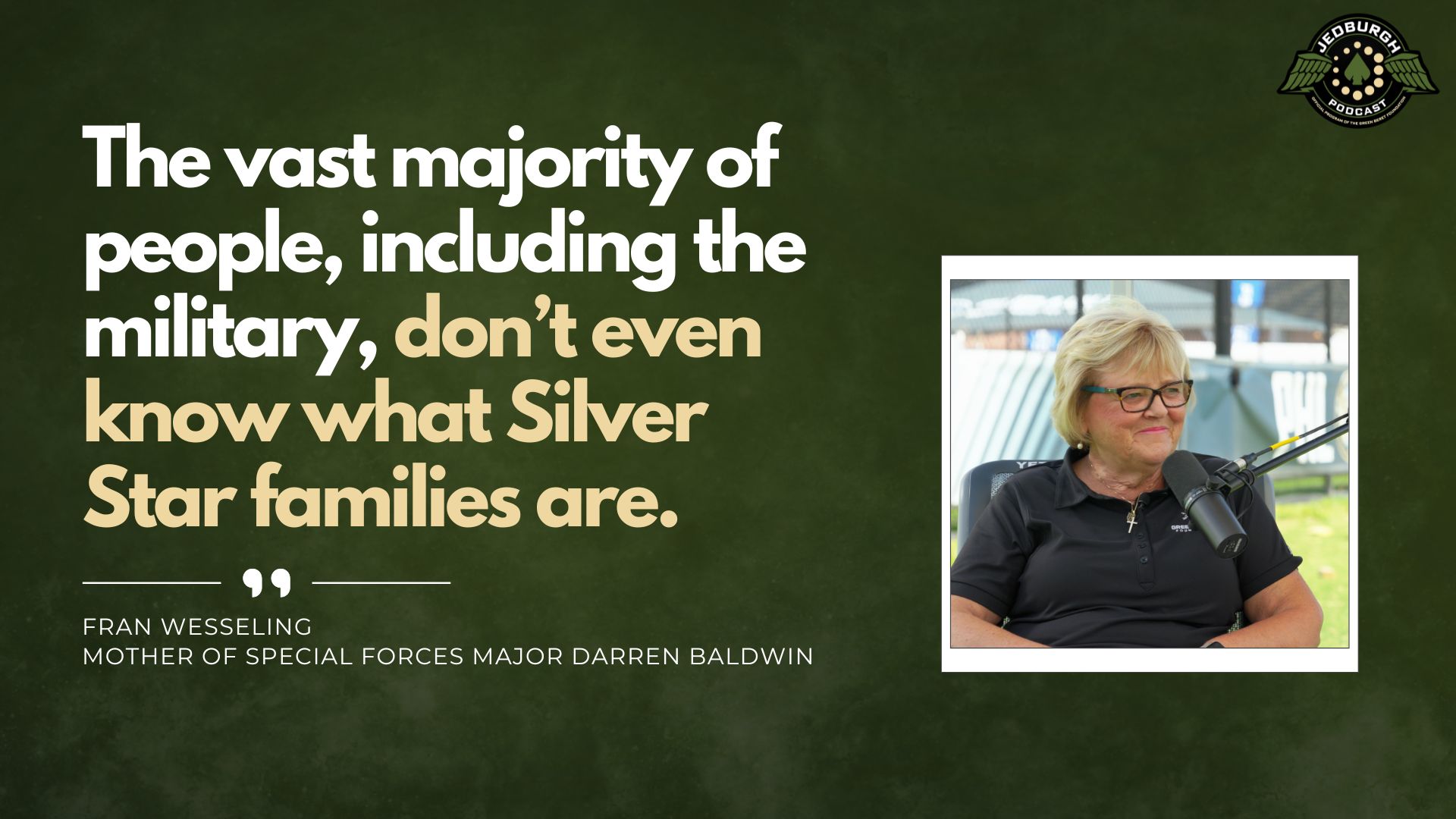
I realized, “This is us.” It is the families of active duty members or retired veterans who served and have a combat injury, service-connected injury, illness, wounds unseen and seen, and also those dying. It also includes their family members, who more often than not become their caregivers. Oftentimes, it is a spouse. Many times, it is also children and parents. The impact of the war is coming home. We were in a twenty-year-long war. It was also realized that Darren was the tip of the iceberg.
There is more to come, and this number is going to grow. There are thousands of us just post-9/11. We are not even talking about before that. The other significance is that this acknowledges the existence of Silver Star families. A lot of those families, the caregivers, and the veteran, feel disconnected and isolated. They are in the dark.
I am so proud of the Green Beret Foundation that we have it because it is for our community, which is always going to be closest to my heart. It is family. It is Darren’s legacy to continue to give, paying it forward. Even though he paid a high price. His story continues to be told through other Silver Star families and other veterans who have similar situations. Spouses become caregivers, which has a huge impact on their emotional, mental, and physical health, as well as a financial burden.
People do not necessarily see that the Department of Defense, Veterans Affairs, or Medicare does not cover all the treatments or rehabilitation that are suggested, such as therapies or education for caregivers. Medicare is teachable, but it is a huge burden. It carries on Darren’s legacy, and it lets us all know that there are a lot of Team Baldwins out there. A lot of people feel isolated, and they need to be seen because they deserve that.
The fund itself provides a number of resources. What are some of the resources that are being provided through the fund to the caregivers in terms of training and financial support?
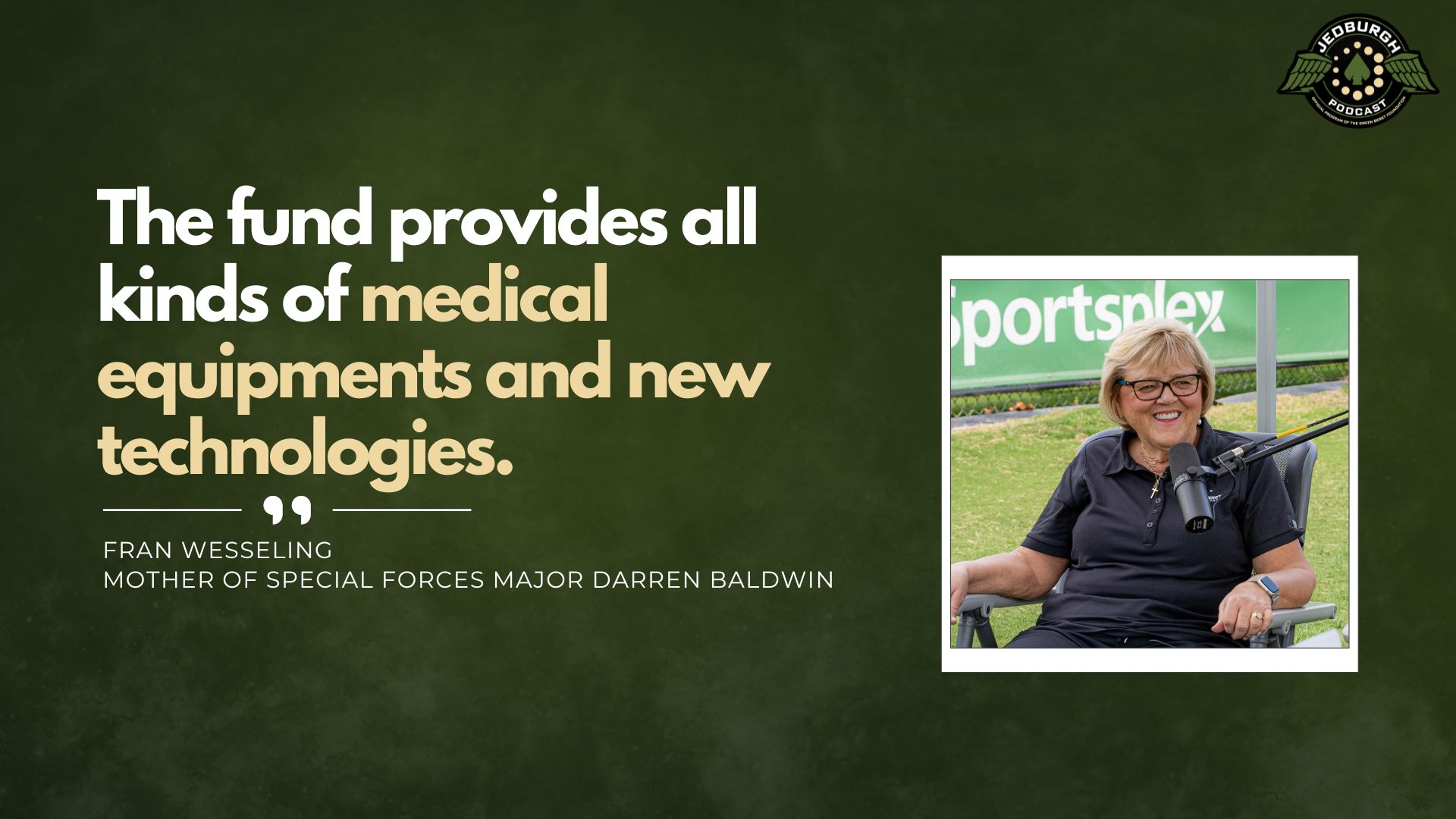
Mental health is a big one. There is big support for them. Caregivers themselves can have injuries like back or shoulder problems from lifting their loved ones. The fund itself provides all kinds of medical equipment, new technologies, and new treatments for mental health and physical health. Those are the kinds of things that we know Darren would be so proud to have his name associated with, along with Bianca, because they lived without it. She literally battled to get what his needs were beyond what the GBF could provide from a medical standpoint. We encourage people to donate any amount if they can. It is going to be used in the right way.
I want to say the beauty for Darren, and what was easier for us was that it was early on. We had the Wounded Warrior Project back then. Certain organizations and charities were out there. In 2008 and 2009, a lot of new charities came online with the wars going on in Afghanistan and Iraq. We were in the beginning. A lot of these charities were brought to us. We were already in touch with the Special Operations Command Care Coalition back in the day. Do not ask me what they call now.
I am trying to remember what they are actually called now.
Warrior caregiver.
Something like that. As I said, I am an OG. We were in touch with them, and because of that, the Green Beret Foundation got our information, and they came to us. This does not happen to caregivers anymore. We had a lot of support, even from Darren’s command groups back then. At that point, they thought it might be a one-off, but it turned out to be one of many. We had all that support, and that is always going to be one of the greatest blessings to me. I also know a lot of the families now that are going through caregiving and medical needs do not necessarily have that. That is where my advocacy goes. I want them to be seen. I want the demographic to be known because it is a very large group.
It is difficult and thankless work to be a caregiver.
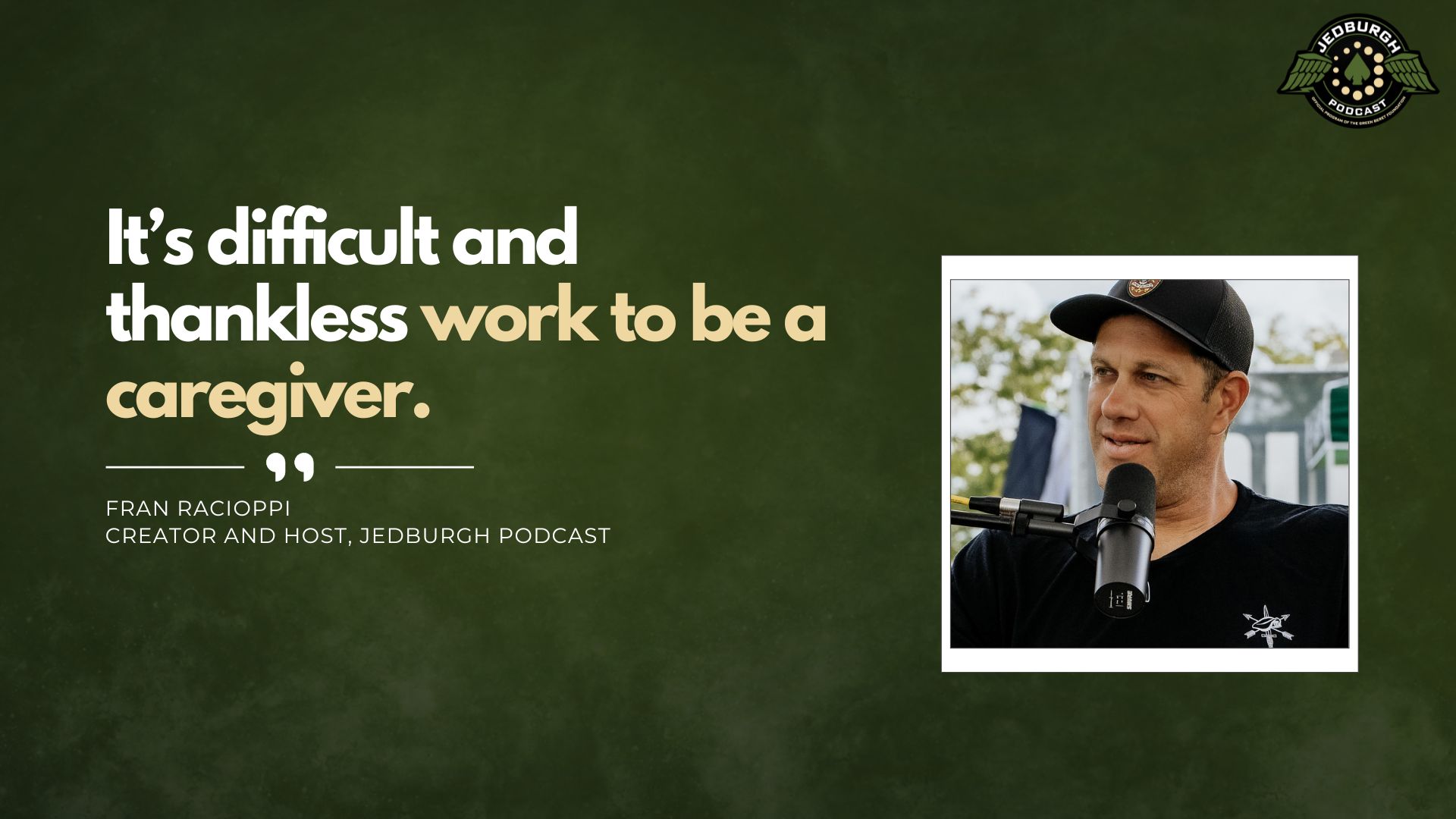
I always tell people there is nothing glamorous about it. This is not Hollywood. The hospital stays are not fun. I do not miss any code blue or rapid response. I feel like I have a post-traumatic stress situation going to hospitals now. For the same breath, I would not change it for the world. I know so many other caregivers who feel the same. It is worth it because you are fighting the good fight, too. Having these support funds from the Green Beret Foundation makes life a little bit easier.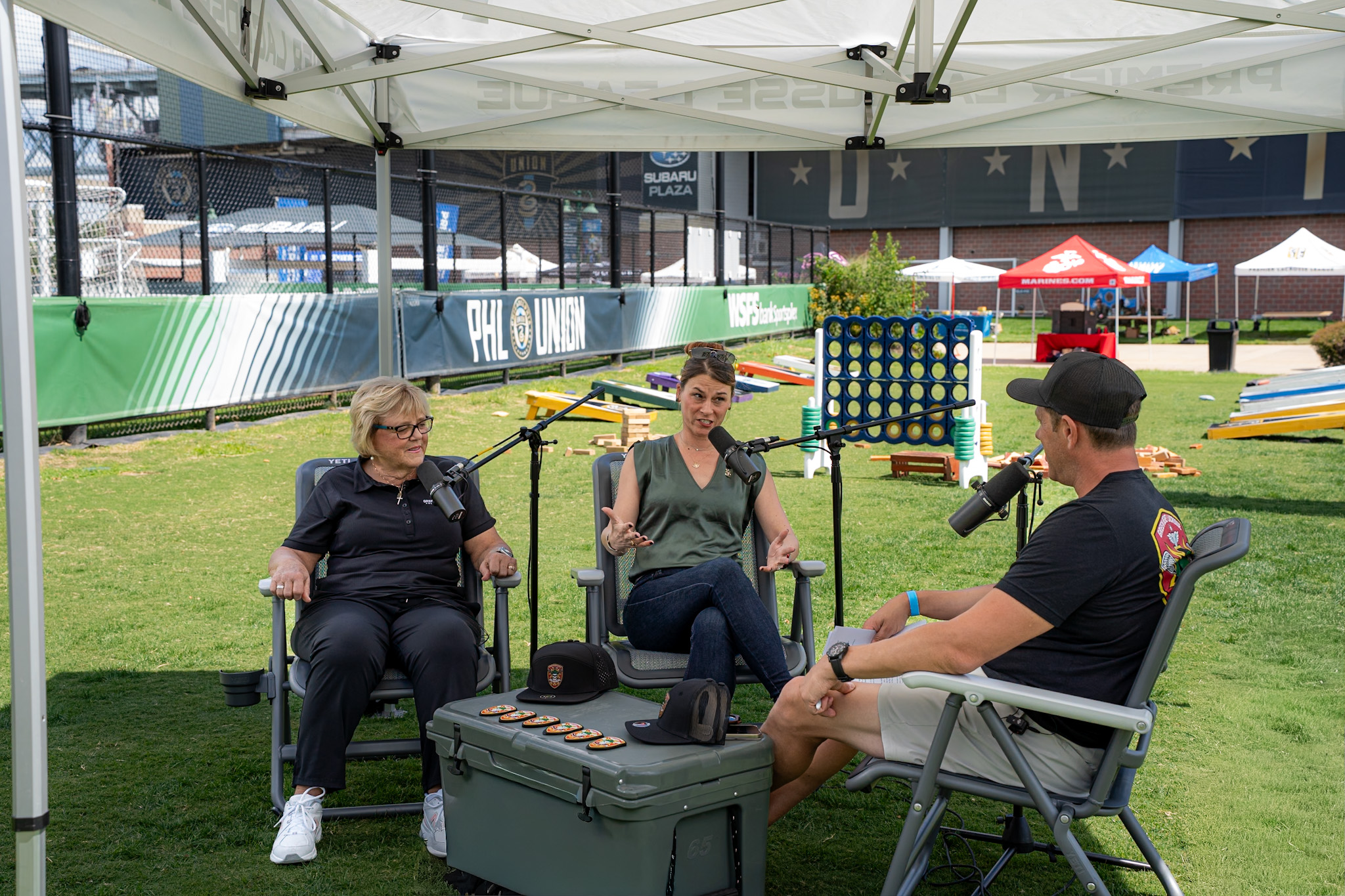
It helps you, as a caregiver and an ill service member or veteran, know that you still matter and your service matters. It is something that I think is fairly easy for us to give back to help them be seen, so they do not have to be isolated. I am grateful for this fund. I am grateful it is named after the Silver Star families. I really hope people want to hear it and look it up. If you see a wounded veteran, ask them questions. They are more than likely willing to tell their story and accept support however you can.
Talking about stories, that was what was significant in helping us raise money in Cincinnati for the Green Beret Foundation. They knew Darren’s story. They knew Bianca. That really was a touch point that people knew. When the GBF named the fund after him, that made a significant impact on donors because they had something tangible. I am on the board of the foundation, and we know that while there is not always a major crisis with acute need, the mental health needs are really real. It is not only the Green Beret. It is the spouse, the caregiver, and the kids. That is what is really making a difference and an impact.
The foundation has put forth a number of initiatives and programs to support that across the board. The newest one is the Task Force Tatanka Initiative, which launches here and now. We are talking about opportunity from need, where Green Berets of all generations are coming to the foundation and talking about their challenges, where they need support. The foundation is not saying, “We only have programs that do these three or five things.” They are saying, “We are going to go find an answer and help you.
If we have to craft something brand new, we are going to do it. We are going to make sure that we continue that support.” Getting out there and spreading that message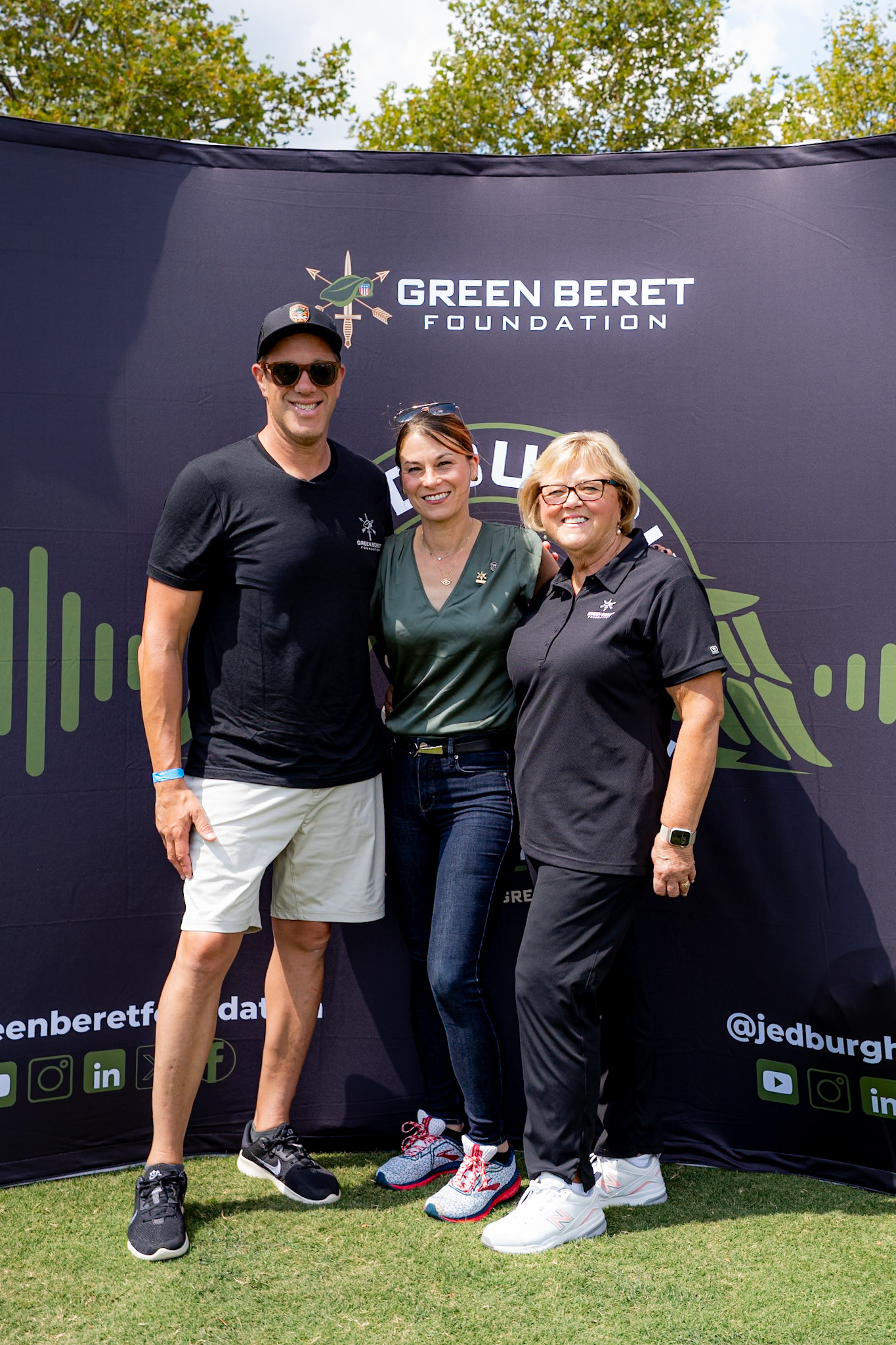 is important. You have been two amazing advocates for the foundation and for Darren’s legacy. This game gives us a chance to honor him and remember the game that he loved. I thank you so much for taking the time to share your story, share Darren’s story, and continue the great work that you are doing.
Thank you so much.
Thank you for the opportunity. Army beat Navy.
As an objective journalist, I am not supposed to say that, but we need the Green Berets to take it home this year.
I think so, too, because they held the better jersey this year.
I just have the coaches on, so I have to be careful on that one, but yeah, we got to get it done. Thank you.
Thank you.
Green Beret Foundation
P.O. Box 25138
New York, NY 10087-5138
Note: Please use USPS mail or priority mail. Do not use FedEx.
Green Beret Foundation
10205 US Hwy 15-501, Unit 26-8
Southern Pines, NC 28387-4301
Call: at: (844) 287-7133