For the United States Military Academy at West Point, football is about more than winning games. It’s about preparing young men to lead America’s next generation of soldiers in the defense of freedom at home and abroad. .
General George C. Marshall famously said, “I want an officer for a secret and dangerous mission. I want a West Point football player.”
More than 80 years later, that philosophy remains at the foundation of Army football. Discipline. Toughness. Accountability. Teamwork. And the ability to perform under pressure when failure isn’t an option.
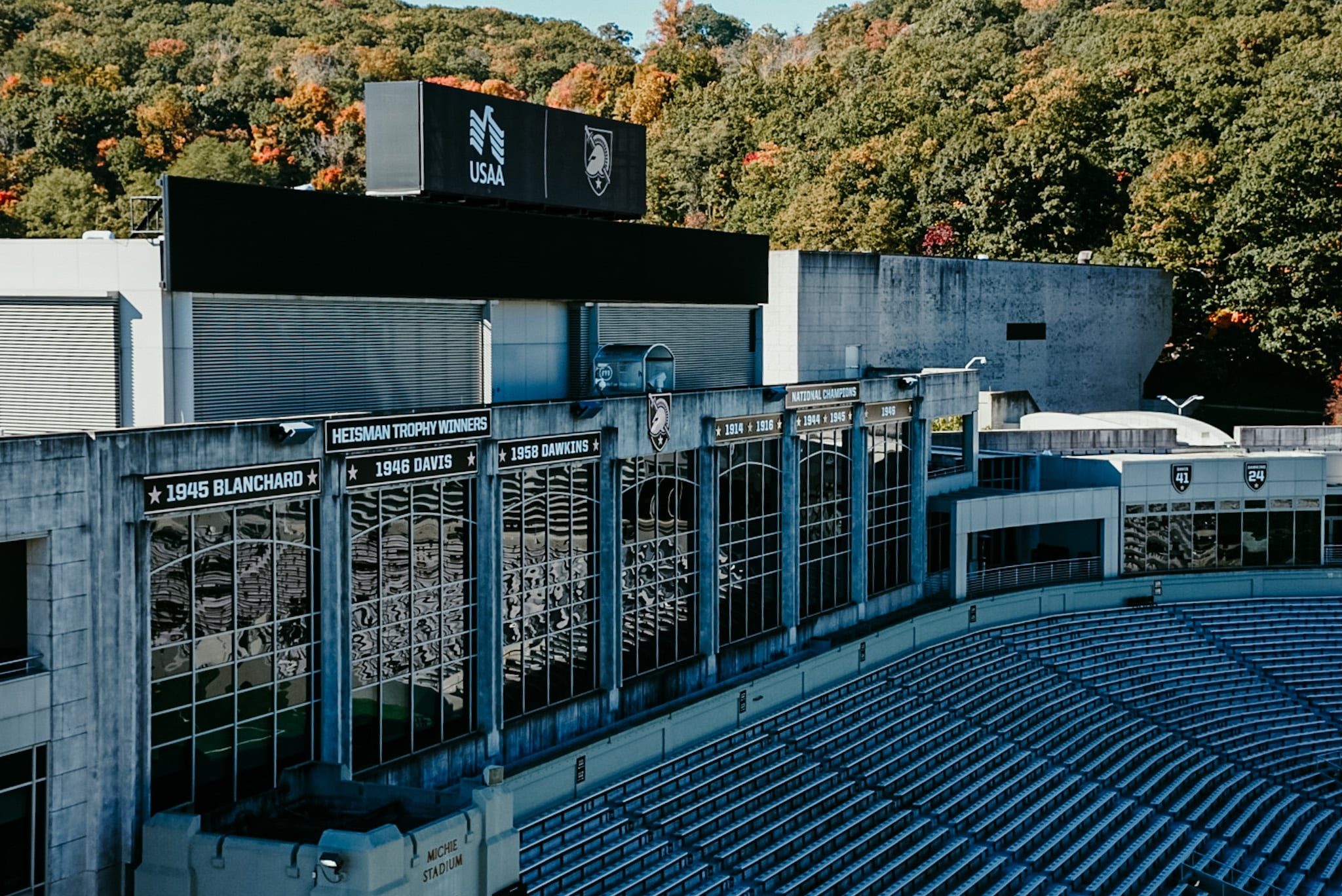
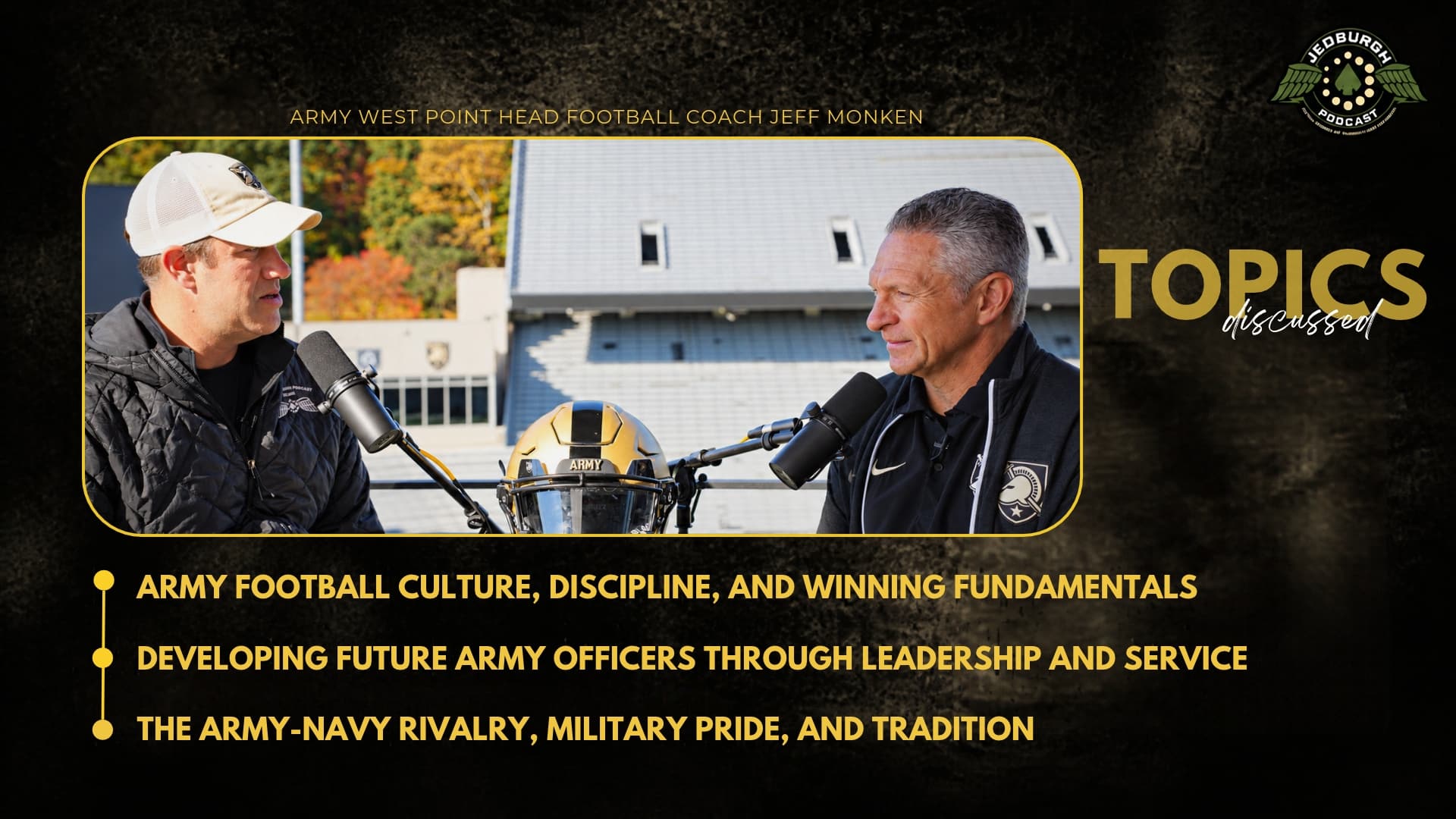
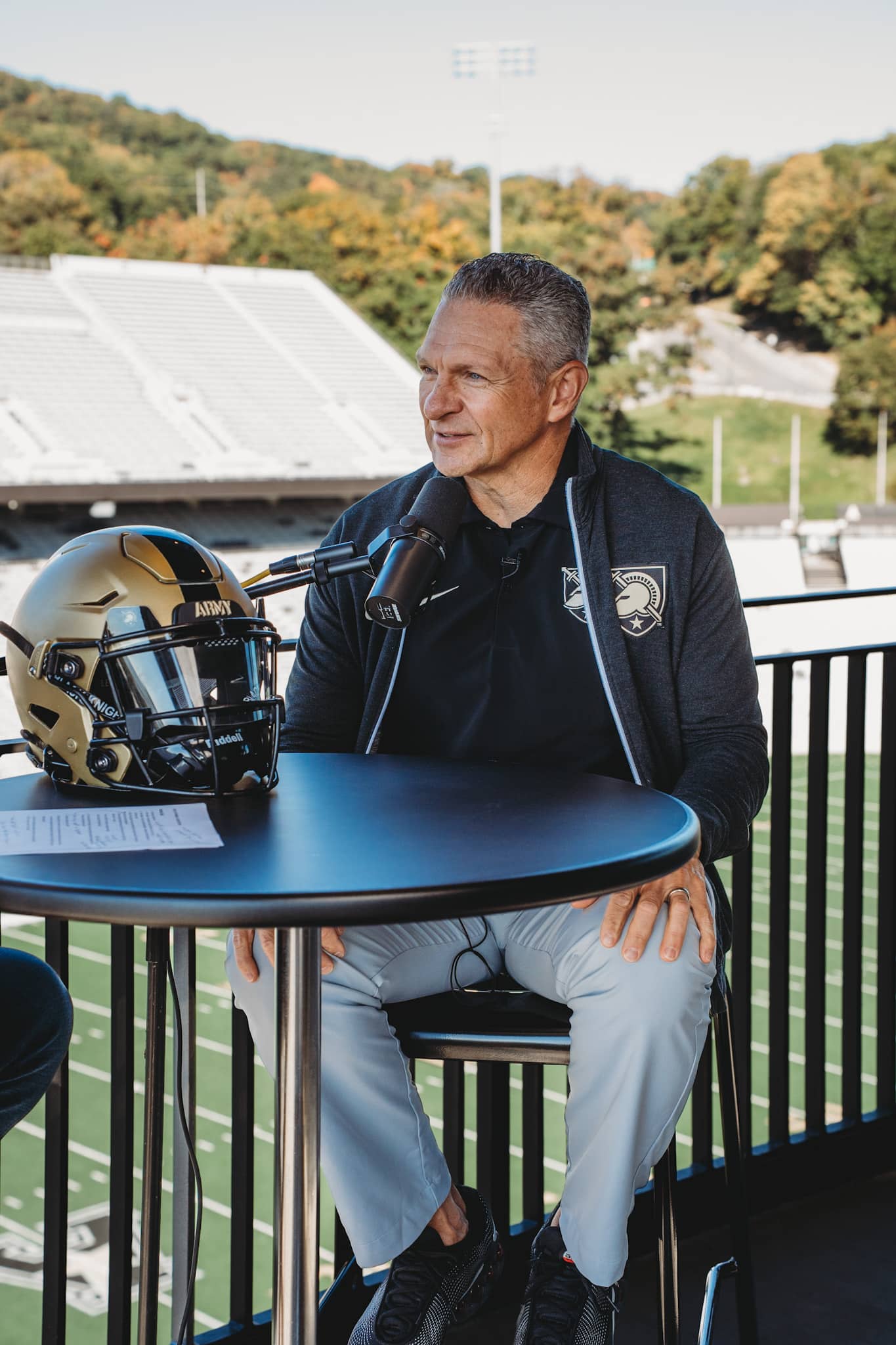
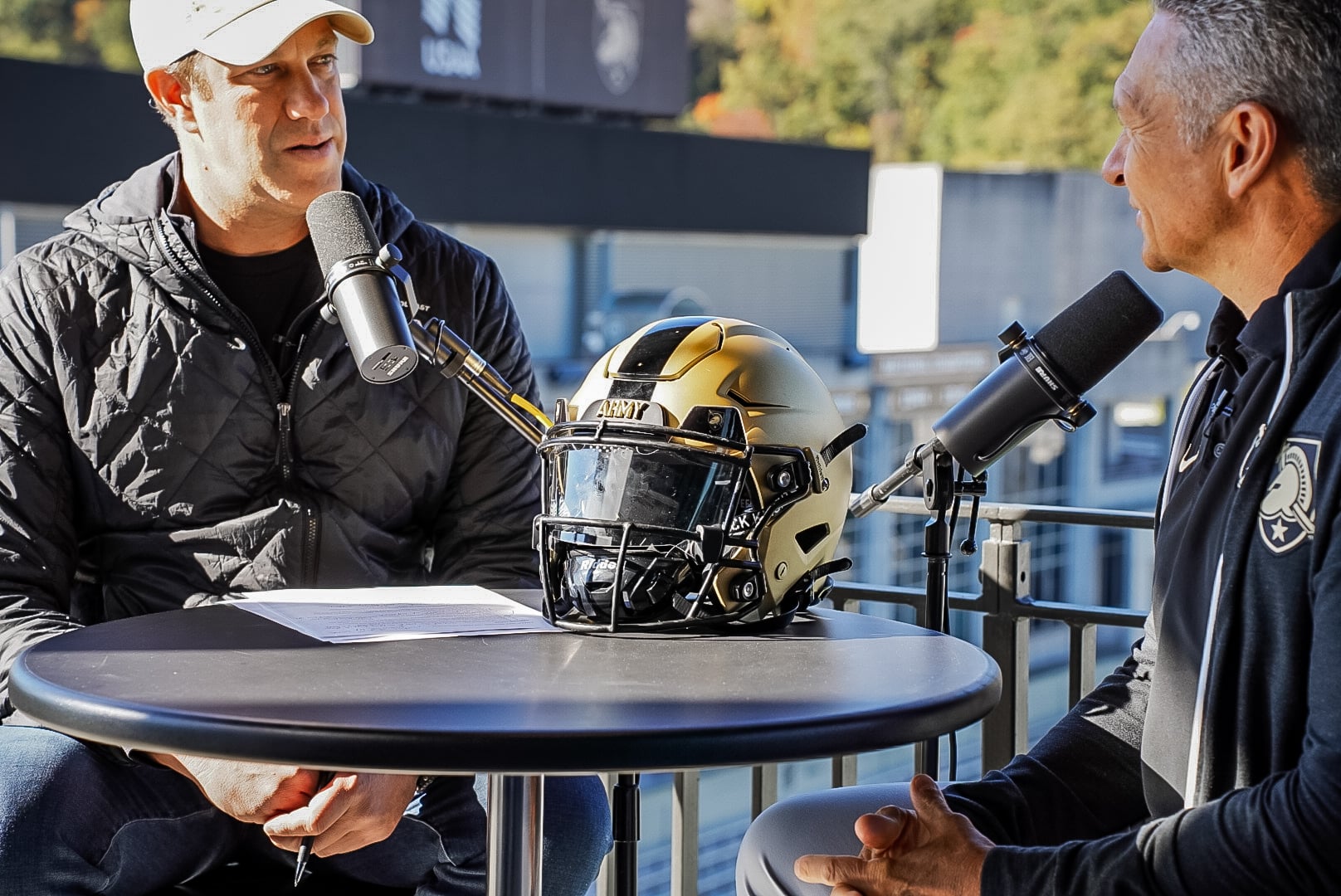
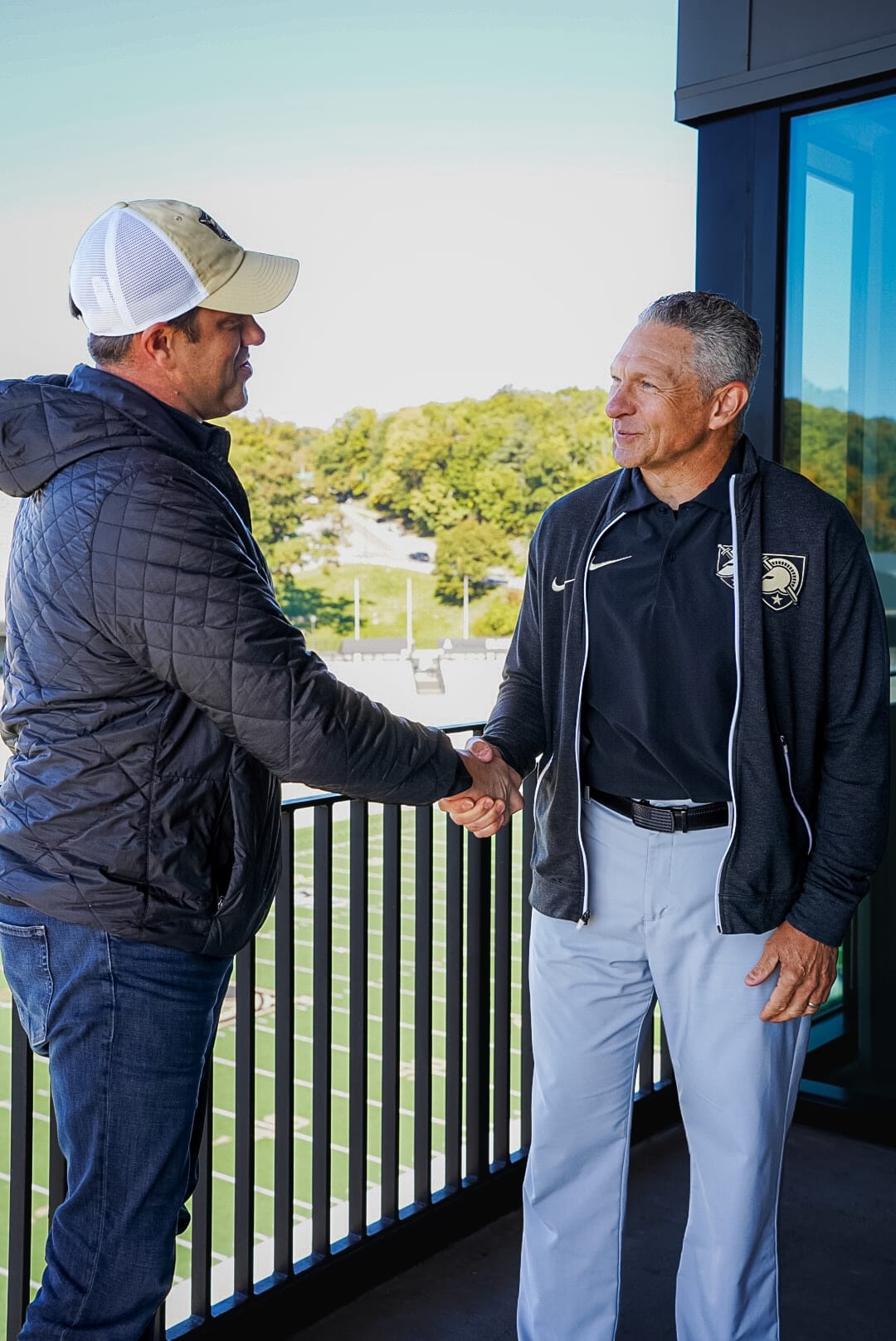
From the recently completed East Grandstands at Michie Stadium, Fran Racioppi sat down with the leader of the Black Knights, Head Coach Jeff Monken.
Since taking over in 2014, Monken has transformed Army football into a championship contender, earning conference titles, bowl victories, and multiple Commander-in-Chief Trophies. But the true measure of his success extends far beyond the scoreboard; success on the field must eventually lead to success on the battlefield.
From recruiting players who embrace a commitment to service, to building resilient leaders in the locker room, to adapting a game plan when the opponent changes, Monken’s approach instills in cadet athletes the principles required to lead soldiers. His philosophy is simple; focus on the fundamentals, prepare relentlessly and when called to battle, lead with speed and violence of action.
And when it comes to service academy rivals; never let a sailor or airman off the hook. Go Army. Beat Navy…and Air Force!
#212: Discipline Is A Decision – Army Black Knights Football – Head Coach Jeff Monken
—
Coach, welcome to the Jedburgh Podcast.
Glad to be here with you.
We’re here sitting over Michie Stadium preserved by USAA. It underwent renovation here on the East Stands. We’re sitting atop them. We were here a couple of months ago, and I got to give a shout out to the Assistant Athletic Director,Phil Buttafuoco, who has been a great friend of the show for several years.
We were here not too long ago in the other building where we sat down with the Athletic Director,Tom Theodorakis, and talked all about building this facility here, what it meant for the team, and what it was going to mean for your team. Now we’re a couple of weeks into the season. He promised us that we could come back. Him and Phil kept that promise, and here we are. You’re 4-2 as we sit here, and we’ve got a big stretch coming up. We still have the Air Force Academy and the Naval Academy.
We’re going to talk all about where the team’s at, what we’re doing, what the new stands mean, and get your take on what it means to be a leader at West Point, the football team, and how we’re going to get these guys ready to go serve their country. I want to start with what it means to be here. A lot of investment went into these East stands. It’s changed the dynamics of Michie Stadium. What’s it mean to you and the team?
Transforming Michie Stadium For Game Day Dominance
This was a vision before I ever got here, and I’ve been here thirteen seasons. When I took the job, there was talk about a new East grandstand. Boo Corrigan, who’s our Athletics Director, had a great plan for this side of the field and this side of the stadium and wanted to do something. There’s a process for that, like raising the funds and getting the approvals. When Boo moved on to NC State and Mike Buddy took over, he carried that vision as well and put the plan into place and moved forward with some of the fundraising and this event in our history called the pandemic as we remember it, 2019-2020.
It put a halt to just about everything. Once we came out of that, we rekindled the spirit about the East Stands. Mike left a couple years ago and the project had started. We had broken ground on it. Theo came in and took the reins and was the driving force in completing this project over here. Theo had been with us for a couple of years and was very much a part of the fundraising efforts that went into this project. It’s incredible.
The stadium was originally built in 1924. It was a historic stadium. It was the bottom bowl. I sometimes sit in my office and I overlook it. I envision what it must have looked like in those days. They carved this stadium out of the mountainside. Dynamite and guys with pickaxes and hauling rock out of here. Amazingly, in eight months, without jackhammers and cranes and bulldozers, they carved the stadium out of the mountain. It was like that until the ‘60s.
Upgrading Michie Stadium brings West Point to the world while cadets bring relentless sideline energy to rattle opponents every Saturday.
In the early ‘60s, they built East grandstands. I brought a bunch of fill in here to the Busk Reservoir, which is over here on the East side. It was bigger at the time. They put up another retaining wall, brought a bunch of fill in, and plopped down the east stands. In the late ‘60s, added the upper deck and made the stadium what it was for almost 50 years. The vision to create a new Michie Stadium and upgrade a more modern Michie Stadium. This is incredible to be sitting up here.
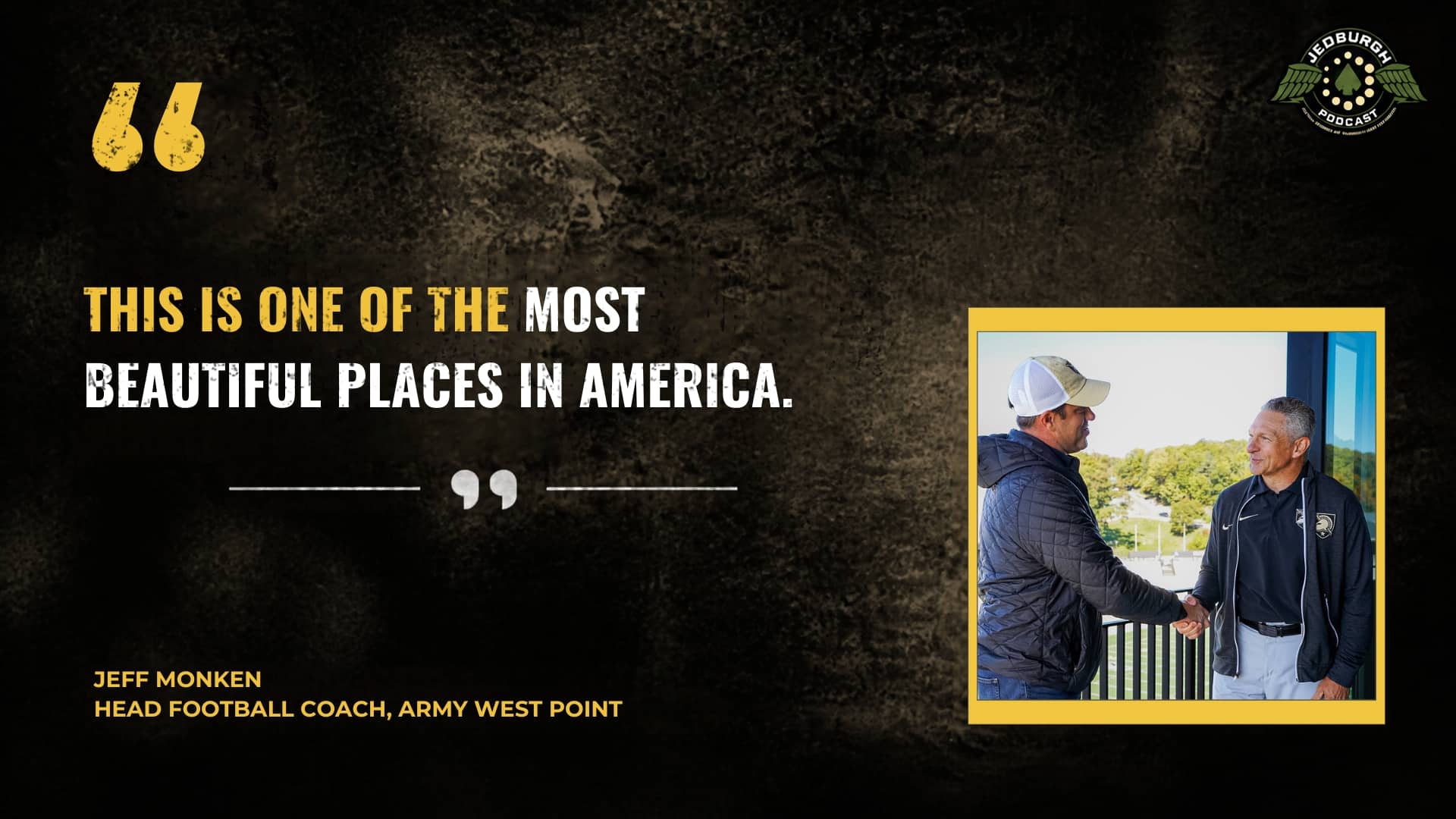
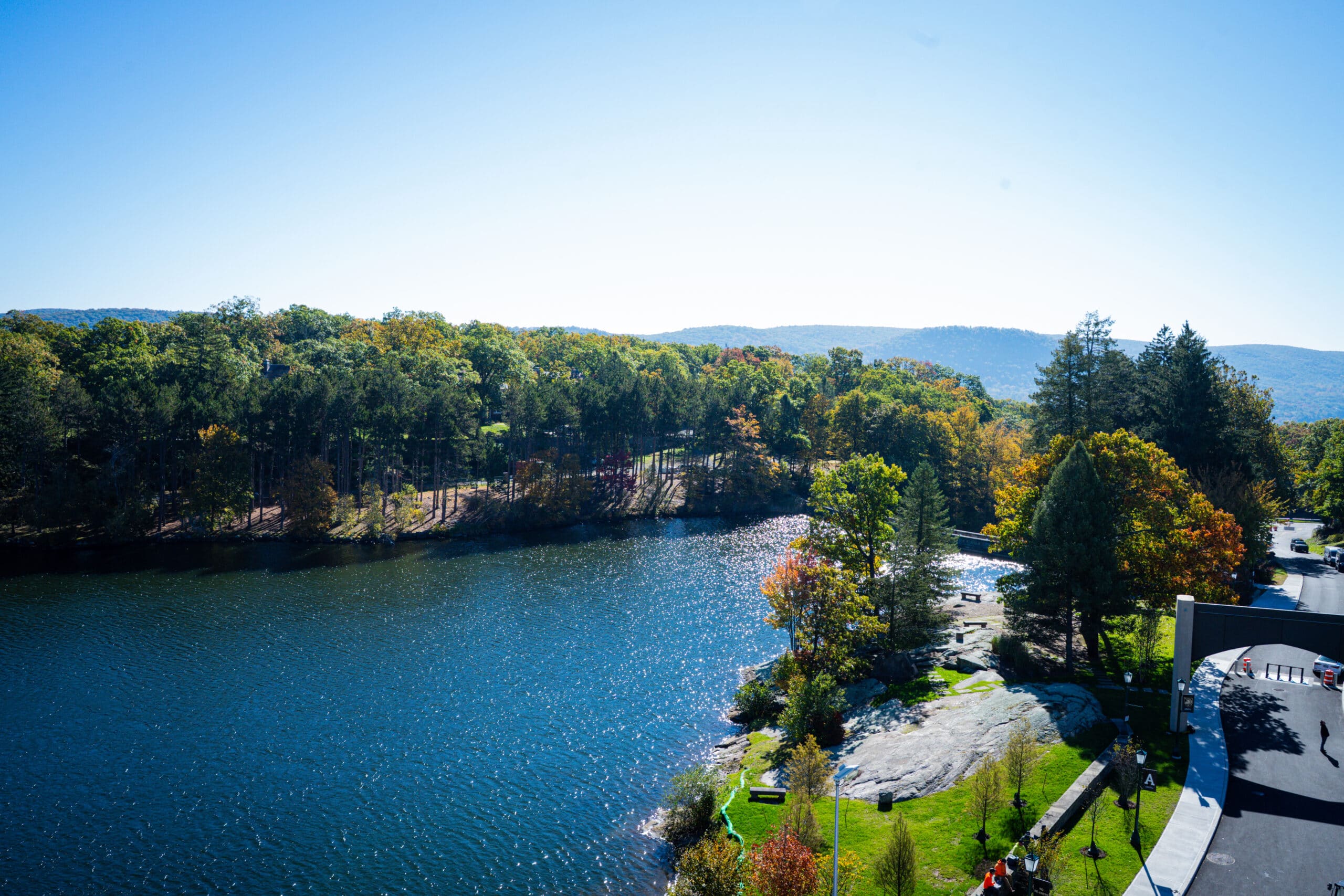
After being here thirteen years and playing in the stadium, competing in the stadium, overlooking what was here and to look out and see this is incredible. It means so much to this academy. Not just our football team. For this to be the focal point that it is on Saturdays in the fall, on CBS and the college football world having a chance to see this place. It opens up the doors to West Point for everybody to see and see what this place is. You can look around here in the incredible views, the mountainside. This is one of the most beautiful places in America. I’m proud of this and how it showcases West Point.
One of the coolest parts about the New East grandstands here is that you’ve done your adversaries a tremendous favor. You put the cadets in the stands directly behind them on the sideline. Now that offers from end zone to end zone right behind them. You got a whole bunch of screaming cadets cheering them on the whole time.
Prior to this project being completed, they took up half of the sideline. It was just down there on the North end, about halfway through the grandstands is where our cadets were. They were awesome. Now that they’re end zone to end zone, as I say, they can give them the business no matter where the ball is on the field and where their team is. They’re such a huge part of the game day experience here. Their spirit and energy is fantastic. Having them behind the other team is an appropriate place for them.
Coming to West Point is hard. We talked about it with Theo. I’ve got many of my friends who I served with attended West Point and became phenomenal officers in the US Army, but you’ve got a job to do here. Your job’s multifaceted. Number one, you’ve got to get out there, and you’ve got to win on Saturdays. You’ve got to win football games. You’ve got to develop these guys.
Almost equally as important is you’re in a position where you have to transition young men coming out of high school to not only play football, but to go forward and serve their nation and become leaders of character. Leaders that our country is going to rely upon. Guys who are going to go in, going to branch into whatever MOS they’re going to go into in the Army, and they’re going to lead others.
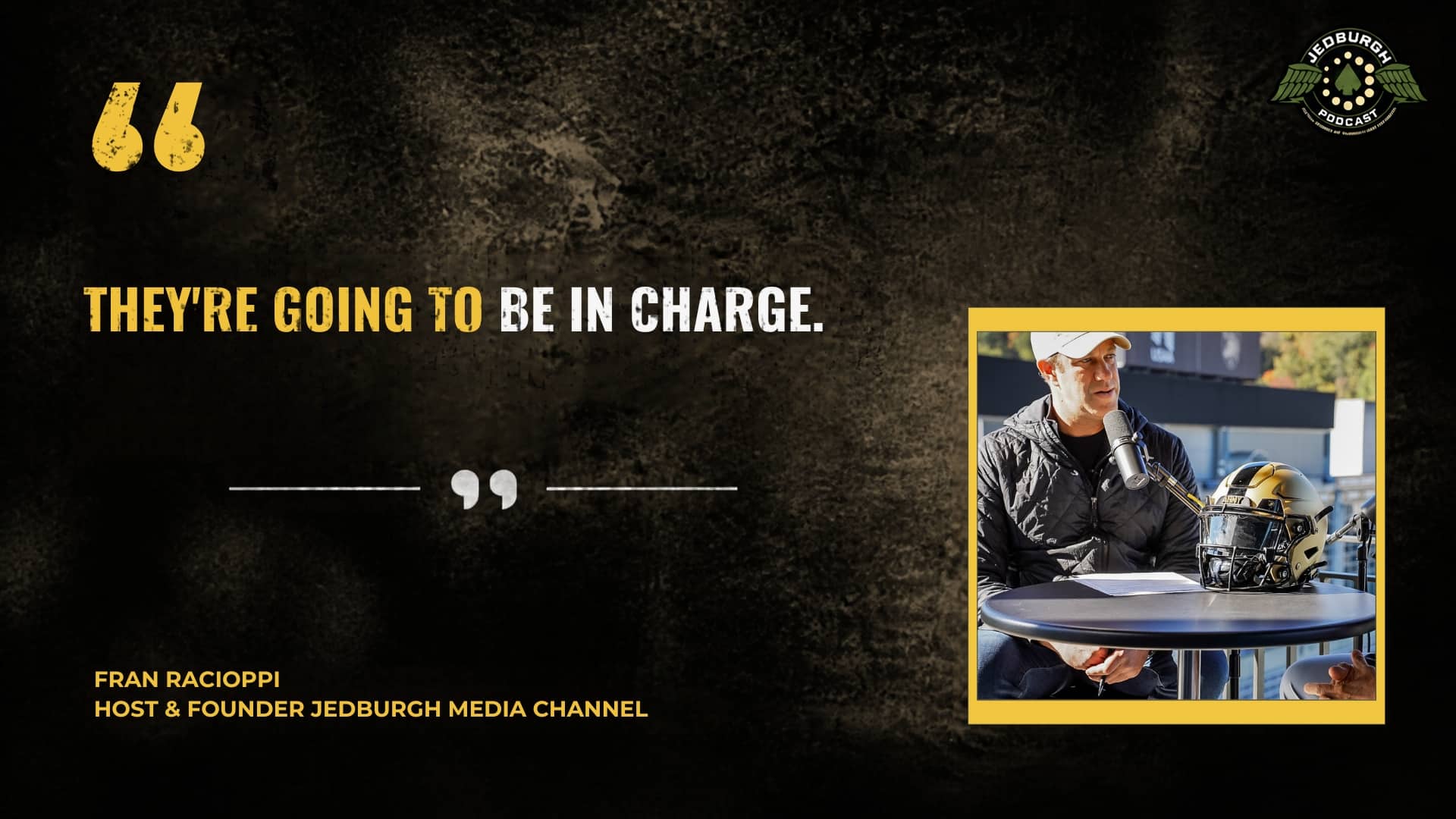
They’re going to take those others depending on where we are in our national security strategy into combat. At the end of the day, regardless of what they do, they’re going to stand in front of a formation as a lieutenant, and they’re going to be in charge. When you look at the type of person you want on your team to come into this organization, what are you looking for?
I will say that the most important job everybody has here, whether it’s a professor, attack officer or superintendent or commandant or dean or command sergeant’s major, the AD, all of our coaches, our most important role is to educate, train, and inspire these young men and women to be leaders of character to
serve. That’s at the forefront of everything that we do now. We got a job to do and we got to win football games.
Recruiting Cadets With A Deep Spirit To Serve
I know I was hired to do that. Frankly, I want to keep doing that. I have the opportunity to stay here and help educate, train and inspire these young men and women to do their duties as Army officers. It’s all important. We look for young men who have a spirit to serve. Not necessarily those that have always dreamed of going to West Point or being in the Army. In fact, many of our players never thought about service before they came here but they were open-minded enough to explore the opportunity and the option to do that.
Once they discover what this place is and what it’s about, the opportunities that are here. Not only for a world-class education, but also to be here in what I consider the world’s best leadership laboratory. They learn things here. They will create opportunities for themselves. Not only in the Army, but beyond their careers, beyond their lives, because of their experience here. These young men, I consider them having been open-minded and attracted to what this place had to offer.
They were the guys with the right stuff to take on the challenges here. Every college and every college football program has young men and women that could come to West Point. They could have come here. They had the academic acumen. They had the intelligence and the leadership skills. What’s different about ours is they chose to come here. They chose to serve. That sets them apart from all of their peers who maybe went to civilian colleges and could have chosen West Point and didn’t.
What’s the day in the life of an Army football player? They have a lot of requirements. They got school, their military studies, and then they got to come here and they got to train.
You’d be better asking them what it is. I didn’t experience West Point. I wish I could have. This is an incredible place. I couldn’t have passed the first math class here. God bless our guys.
Me either. You’re good.
The Relentless Daily Discipline Of Cadet Athletes
They have a busy day, and everybody here does. They wake up early in the morning. They have a formation in the morning for accountability. It’s one of the special things about West Point and the experience, the challenges that they have and the professional standards that they have to live by and adhere to on a daily basis. It’s different from every other college student, but I believe that’s what sets them apart when they get out there in their personal and professional lives and careers.
They have breakfast in the morning. Everybody’s required to eat breakfast and they eat together. Our players do eat at team tables together. What’s very unique is our football team eats every meal together, breakfast, lunch, and dinner. It’s like a family, they spend time breaking bread at the table, and that’s a great tool for us to build a team and to build camaraderie. They eat breakfast together and they have class.
Discipline is a decision, not a feeling. Watch how Army football players handle packed days with zero room for excuses.
Our classes start at 7:30 in the morning and run right up to lunch. There’s another lunchtime formation and then they eat lunch together in the mess hall, which is an incredible facility if you’ve not been there. All 4,400 students ate at the same time. It’s a machine. It is awesome. Many of them have afternoon classes. Following lunch, they’ll go to class or a lab and they make their way up here in the afternoon for meetings, lifts, practice and walkthroughs.
We serve dinner up here with the players and they get an opportunity to, again, spend some time with each other after practice. They have an evening study period, which is required by everybody here at West Point. They have to study. They’re in their rooms. They’re at a study session, then lights out. We have lights out here, where everybody goes to bed or should go to bed. Many of our guys, I will tell you, take an exception to policy on that because their days are so busy that they don’t have time in the evening study period to complete all the reading and the studies that they have for the next day.
Some of our guys are getting two or three hours of sleep a night and playing college football and taking on all the challenges they have here at West Point with very little sleep, which is incredible to me. That they do that and they have the just the wherewithal to be able to handle all that. It’s a busy schedule. They wake up, rinse and repeat, and do it all over again. The game day weekends are very intense and we’ve got all the activities surrounded around game day with meetings and walkthroughs. It’s a lot on their plate, but these guys are built for it.
When we recruited them, they showed the ability to be able to do that. Their coaches, guidance counselors and teachers back at their hometowns and high schools, were the people that recommended these young men and said, “This is the right guy for West Point.” We’re very fortunate to have the guys that we do and as hardworking and as professional as they are as young people.
You got a tall order in the, in this conference and cause you’re competing against some of the biggest players in college football. Both in terms of the teams and then also the people. You have an interesting task and you have to take folks who can get into West Point. They’ve got to be able to come here. They have to be able to survive academically. They’ve got to be able to be part of the military environment and be able to compete at the highest level of college football.
Your competition is tough. There are things that you’ve focused on during your thirteen years here that I would say have set a culture on the team that have allowed you to compete with the big players out there. Things like teamwork, selfless service, focus on the foundations, doing your job, putting the team ahead of everything else, and then focus on not beating yourself. When you look at your core principles, what are your core principles? How are you using those to set a culture here that allows you to compete with the biggest teams in college football?
Winning On Saturdays With Trust, Commitment, And Love
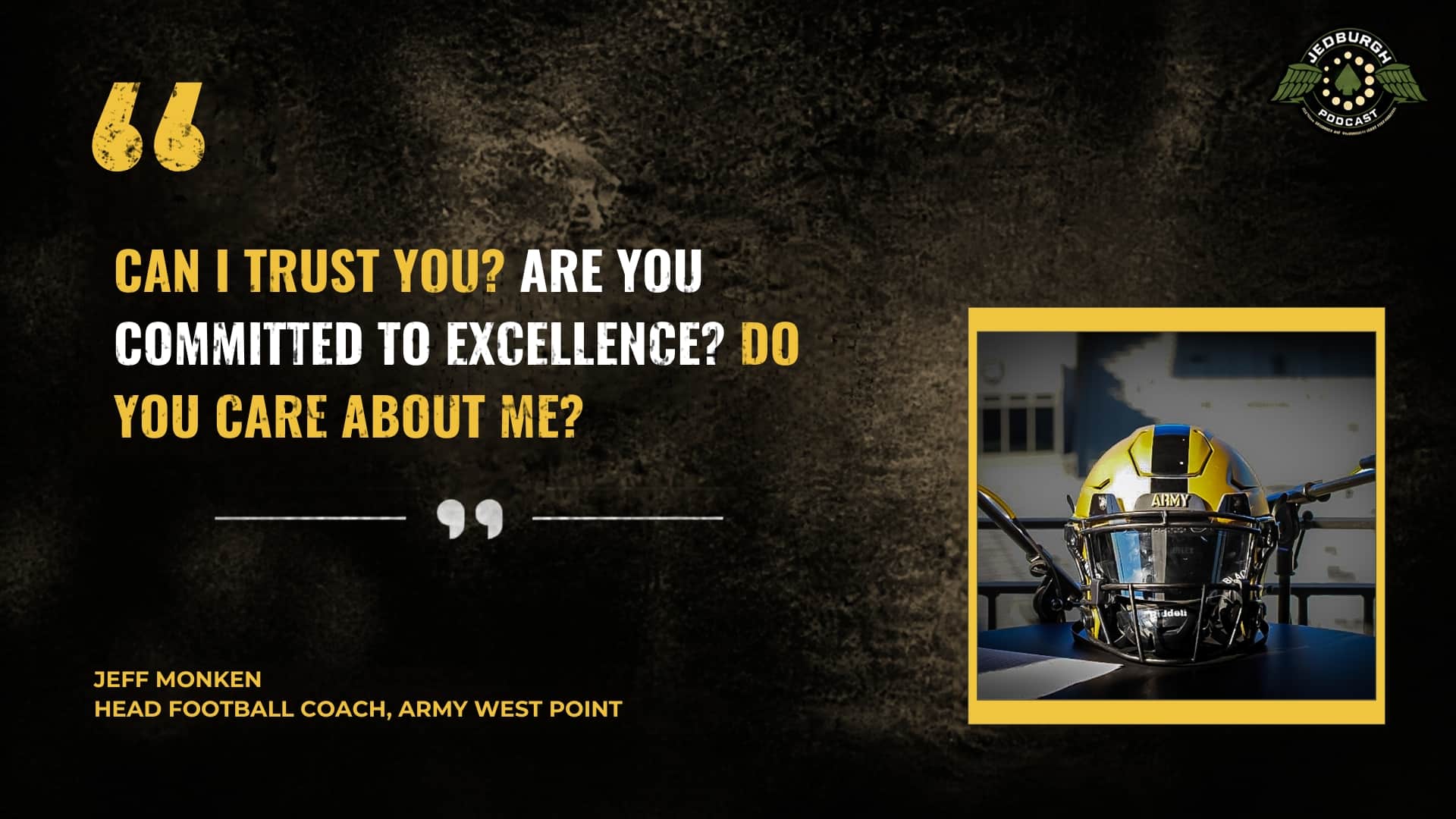
We challenge our team and everybody associated with the program to embrace the values of trust, commitment, and love. If I were to ask anybody in our program to be evaluated, and the other people in the program were asked the questions, “Can I trust you? Are you committed to excellence? Do you care about me?” What would be the answer? Are you operating? Are you acting in a way? Are you working in a way that people would say, ” I can trust that person. He’s committed to excellence. He cares more about me than he does his own ego or his own accolades.”
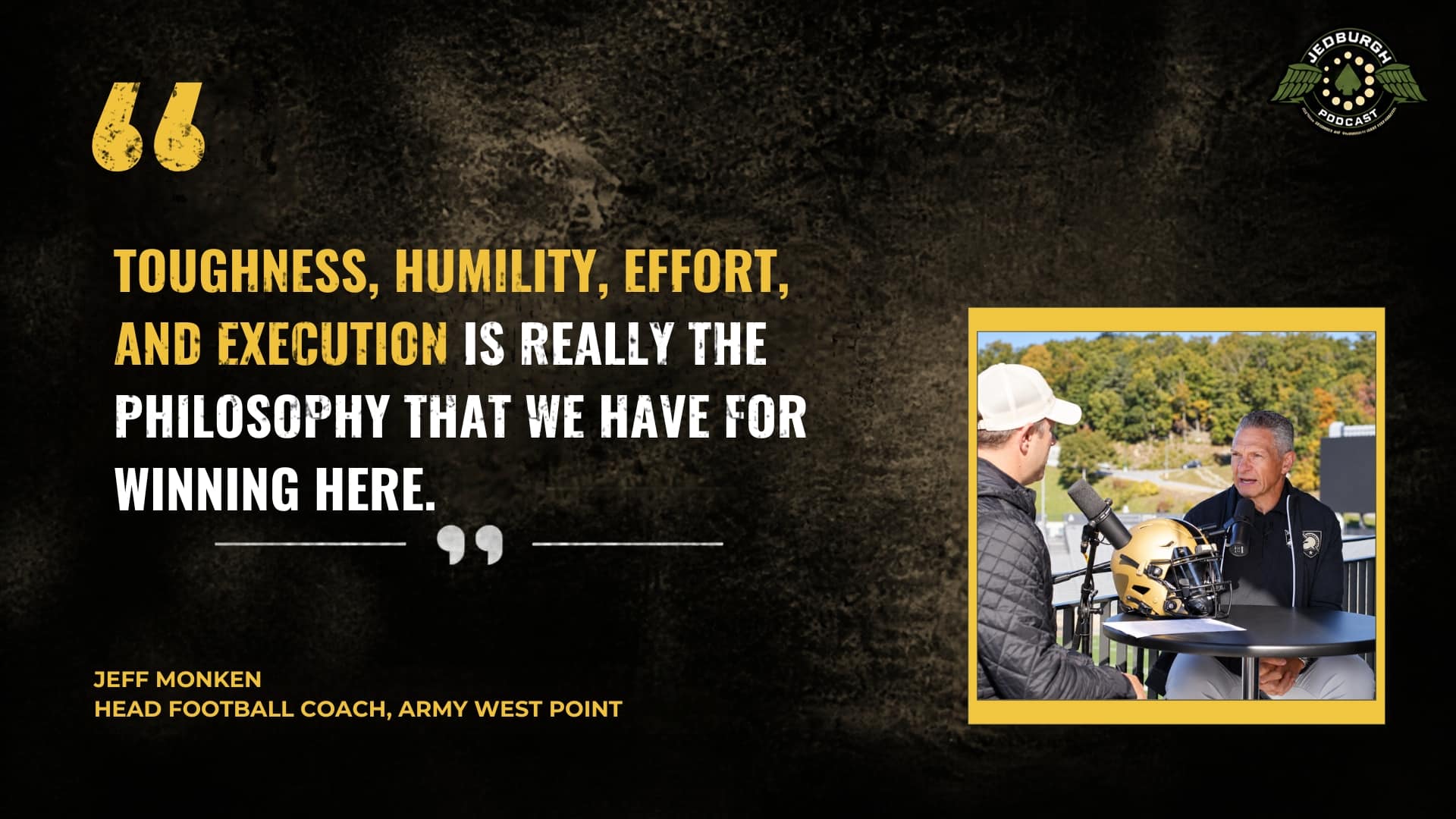
That’s a daily challenge to our team, our players, coaches and everybody. We build our program on those principles. We have a lot of goals here like everybody does. Related to results, we all want to win. We want to be champions. We want to beat our rivals. Every competitor has some goals that they think about but those aren’t the things we talk about. We talk about doing our job and following the plan that we have in place for our team. Toughness, humility, effort, and execution is the philosophy that we have for winning here and to be the toughest team that we can. That’s mental toughness.
Not just physical toughness but being able to handle success, failure, adversity and with mental toughness. Have humility to put the team first. Not to concern myself with, “What’s in it for me,” but what can I do to serve our team and to have a very servant-minded attitude, to give great effort, to try as hard as we can in everything that we do, to not just play hard and run around hard. Go into the classroom, study and pay attention to detail. Give great effort in the weight room and everything that is a part of who we are in this program.
Focus on execution. Execution of our assignments and the fundamentals. Not a results-based team, but the process of preparing and readying ourselves for the one-on-one battles that we’ll face when we get on the field. That is what we’ve focused on for the last thirteen years. We certainly haven’t been perfect, but we’ve won a lot more than we’ve lost. It goes back to those guiding principles and the philosophy that we have.
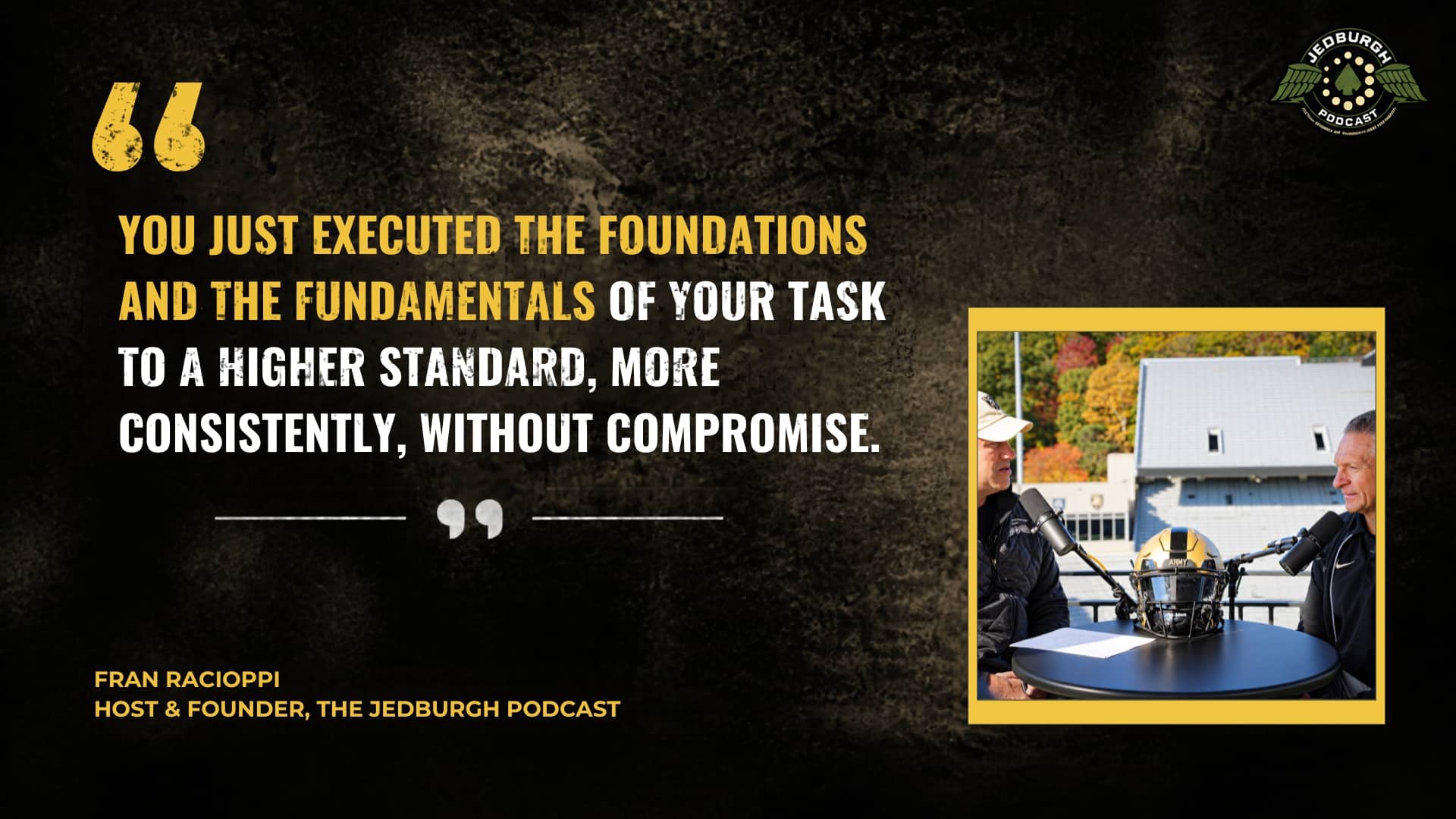
When you look at the fundamentals, not beating yourself, as a coach. Every coach has these philosophies. In special forces, we would always say, “There was nothing special about being in special forces.” You executed the foundations and the fundamentals of your task to a higher standard, more consistently without compromise. If you did that day in and day out, then you would be successful to a higher degree. What are the fundamentals on this team that you think are the most important?
Mastering The Fundamentals To Never Beat Yourself
I worked for Paul Johnson for thirteen years, and he’s a remarkable football coach. He always used to say, “The best way to win a game is not to lose it. There’s so much to that. We are fanatical about all the little details. I will tell you that it begins with things that aren’t related to blocking and tackling and on the field fundamentals. The fundamentals of being on time, being engaged in everything that’s going on. The fundamentals of simply keeping the locker that I dress at in standard operating procedure. Where the helmet goes and where the shoulder pads go. The things I have in my locker are neatly folded.
That may seem very trivial and petty, but I don’t believe that to be true. There’s a level of professionalism that successful people live by, and they have the mental toughness. They have the self-discipline to do the little things that need to be done. It may not be what they want to do, but it’s what needs to be done in order for them to be successful. That’s carried over to the things we do on the field. If we’re to take a step and it’s to be a 6-inch step and not an 18-inch step, then we’re taking a 6-inch step.
If our strike timing on tackling is to be at a certain distance from the ball carrier, then it’s going to be a certain distance from the ball carrier. Not so far away that I’m going to miss the tackle. If a ball is coming to me, then I’m going to look the ball in. I’m going to look it all the way in until it’s tucked away. Not just be nonchalant about throwing my hands up there. The little details that we live by and that we demand of our team carry over into the things that we do on the field. I hope that we teach our guys to be fundamentally sound. Not just in what they’re doing on the field, but what they do in their daily lives and the self-discipline that they have in everything that they do.
Rivalries are a big part of sports. They’re a huge part of the service academies. Whether or not it is when you enter the service academy, you come to West Point, you’re going to have a slight problem with anybody from the Navy and the Naval Academy and to an extent the Air Force Academy too and vice versa. When you look at the importance of those rivalries to develop the team, to build the culture, to build unity, why are they so important within the military academy institutions?
Representing One Million Active Duty Troops On The Field
I believe there’s a lot of reasons that’s such a big rivalry, but it is the history of these two academies, the United States Military Academy of West Point, the United States Naval Academy, and the history of these two schools. The competition has been going on for over 100 years. I think too it’s the pride that our men and women have in wearing the Army uniform. The over one million men and women that serve on active duty that wear our uniform and share the uniform that we wear in those games.
Want to dominate your competition? Stop beating yourself. Master the tiny details from your locker to your footwork.
There’s a sense of responsibility we feel when we play those games against our sister services and certain that they feel the same sense of pride representing their men and women. It goes beyond just a college rivalry. It goes beyond just two student bodies or groups of alumni. It is the generations of soldiers that we represent. I can assure you that our team certainly understands that and feels that weight on their shoulders of who we represent. They’re big games. They’re the biggest rivalries I’ve ever been a part of.
It doesn’t go away either. You serve as a Green Beret in the Special Forces, and you like your SEAL brothers, but they’re still in the Navy. That battle continues regardless of where you are, even downrange. I remember being in Iraq and giving it to the SEALs that we were co-located with, and it’s all a good time.
I can tell you that these games never go away for us either. I’ve been a part of these now, twelve of those here at West Point. The memories of winning those games are great. The agony of losing those games is almost unbearable. I still wake up at night thinking about the ones we lost. They are certainly important to everybody here.
This season, there’s a number of highlights. As we sit here, we’re sitting at 4 and 2, but you got a number of folks here who are in contention for some of college football’s biggest accolades. Not to mention that your team, the 2026 team, leads the whole country in rushing yards per game, over 330 rushing yards per game, which is impressive. How are you looking at this team this year? What set it apart from previous years? What are you excited about as you sit now in the middle of the core of the season now?
Our team is well led by our captains and our senior class. We’ve got a great bunch of guys in that locker room. They’re very competitive. They’re tough, but they also have a great sense of loyalty and trust in each other. When you have a team like that, that cares deeply for each other, they’re not afraid to hold each other accountable. We all need to be held accountable at times. That’s part of being in a unit or an organization or a team that we all have a responsibility to each other to do our very best for the team.
Sometimes, we make mistakes. Sometimes we don’t live up to the standard and we need people to help us meet that standard. That’s what I admire about our team. They don’t have egos. They fight hard for each other. They push each other. They hold the standard. It starts with our players. You mentioned guys that are being mentioned for awards and national accolades. That comes with winning. Those are all a byproduct of successful organizations and successful teams.
Our offensive line was the recipient of the Joe Moore Award, which is the best offensive line in the country two years ago. We wouldn’t have won that award had we not had a winning season and we had a great year. The same thing for the guys, Brady Small, who’s being recognized for the Remington Award, the Lombardi Trophy, as well as Paolo Generale, who’s in the conversation for the Lombardi Trophy. Those two guys are terrific players. If we don’t win a bunch of football games, they’re not going to be in the hunt for those at the end of the year.
Those would be a byproduct of us winning. They know that too. The thing I appreciate about both of those guys is they’re humble and they are two of the hardest working guys we’ve got on our team. They’re not interested in those awards more than they are winning. That’s all they’re interested in. That’s why we’ve won some games and why I like this team so much is because we’ve got guys like that who are unselfish and care more about the team than they do themselves.
You’ve been here thirteen years. In some ways, it could seem like twenty and others, it seems like two, and it just started. From your perspective as a coach, who comes in every year, college football is different from professional sports. In professional sports, Aaron Rodgers is still playing. These guys play for decades. A lot of them play for decades on the same team. College sports, 25% are rotating every year. You have to continuously get the team to understand your standard but you can’t have a successful team over the long term if it doesn’t start with yourself.
How do you approach your discipline personally? Your own sense of, I hesitate to call it motivation because you can’t motivate yourself for 13 years or 20 years. That comes down to a routine that comes down to certain principles that you live by. How do you go into every season knowing that, “Last year, it doesn’t matter. We got to start over and I got to get this team ready?” How do you do that?
Developing Army Officers In The Ultimate Leadership Laboratory
Motivation is a feeling and discipline is a decision. We can all decide to be self-disciplined. I try to do that. I try to do the job that I need to do for this team. I’m here to serve this team. This team isn’t here for me. I’m here for this team. Every day, it’s my responsibility to have myself prepared and ready every new season to recognize what needs to be done for this particular team. They’re all different. Every team I’ve had has been different. This one’s different and to recognize how to coach this team most effectively.
I use our staff. Our staff does a great job. They’re close to our players. I use our players, the leaders on our team and lean on them and try to recognize what it is that we need to do to motivate and inspire this team every day to be their very best. We’ve had some tremendous leaders come through this program as players who are now out serving in the army. Some of them now have served in the army and they’re doing other things and in leadership positions beyond. I love being here.
I love being a part of this program, this academy. As I said, this is the world’s best leadership laboratory, and we are part of that process of preparing these young men to be leaders in our army. I never served. It’ll probably be one of the great regrets that I have in my life that I never wore the uniform. In my own way, this is my opportunity to serve our nation and prepare young men to be leaders in our army. It’s the reason I wanted to come here.
As a coach, we have an opportunity to influence people on a daily basis. We have motivated people who want to be a part of our programs. They’re competitors. It’s why they play sports. That’s always driven me. I love being a part of teams and I love competing. Our leadership oftentimes as coaches ends when our guys walk out of the locker room for the last time. Not that we don’t influence and inspire our young men and women who play sports to lead in other ways and to carry the principles and the values that we teach them into their families and other organizations, but this is unique.
The leadership principles that our young men and women learn here as West Point cadets, the lessons that our players learn in our program, the leadership lessons, the competition, the toughness, and the resiliency. They’re going to carry that out into the army, and they’re going to teach those values to soldiers. Their units are going to take on the personalities of the young men that come out of our program, and that’s a huge responsibility.
That’s why I want to come here. I wanted my leadership and the things I value to go beyond our locker room into the United States Army. I knew that being the head coach here and influencing an organization like this and that those principles are being taught. I feel like I have an opportunity to make an impact, a positive impact. For our army, our men and women that serve out there every day because of the leadership that I provide here. It’s a great source of pride for me to be here and just have enjoyed the twelve and a half, almost thirteen years, and I hope there’ll be thirteen more.
Lessons learned on the football field don’t end in the locker room. They shape how future officers lead soldiers in battle.
What’s your message to the team for the core of the season? We got the game against the Air Force coming up November 7th. You got into the Navy on December 12th. They’re focused, and had success early on. Now you’re going to go into the locker room. You’re going to talk to them. What are you going to talk about?
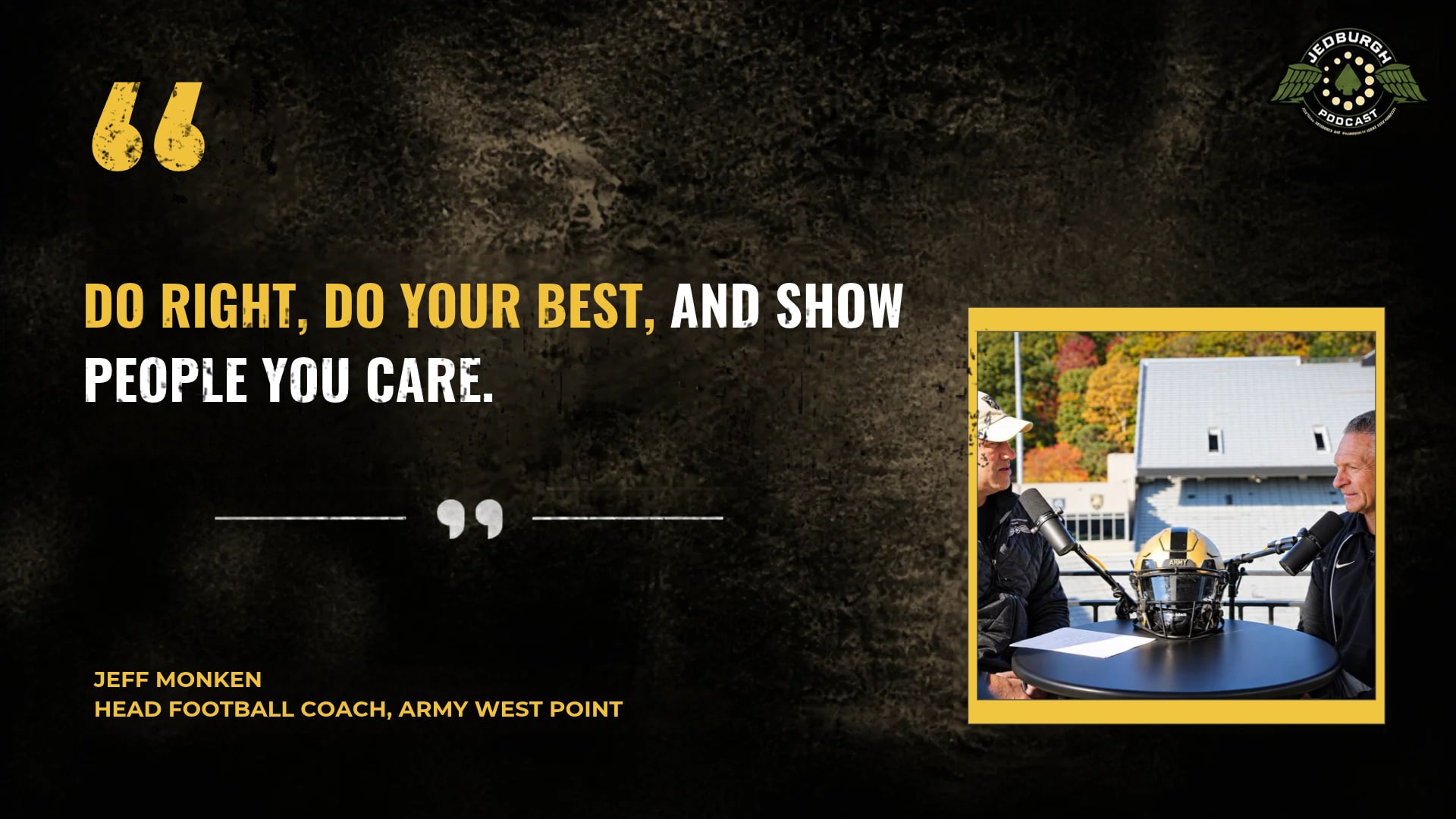
Do right, do your best, and show people you care. Follow the rules. Do that every day. Do what’s right. Do the very best that you can and do it in a way that you’re showing people that they matter. Those are right in line with the principles of West Point, duty, honor, and country. When you do your duty, you’re doing what’s right. When you do it with honor, you’re doing your very best. When you do it for the country, you’re showing people you care. You’re doing it for something much bigger than yourself.
The values of this academy and the values and principles and rules that we have in our program align with those at West Point. That’s all I ask every day of these guys. It’s not about a result. It’s not about a rivalry or a game. It’s not about this weekend. It’s about today. What are we going to do today to be the very best that we can be?
Coach, the team’s come a long way under your command here. I’ll tell you that having been able to serve with a number of the folks who played for you. I didn’t go to West Point. I did play college sports at the Division I level, and they’ll tell you what I’ll tell you, which is that, “You are not successful in the Army without thinking back to your days as a Division I athlete, if you were fortunate to play.”
There’s a lot of things that your cadets have gone off and done that I was able to do that I look back and say, “This sucks, but it wasn’t as hard as practice. It wasn’t as hard as my worst day on that field.” For me, I was on the rowing team at Boston University. Nothing was as bad as being on that team every day at 4:30 in the morning, freezing my ass off and getting soaked.Those foundations you talk about are critical to being an effective army leader. The people who come out of this institution are our nation’s finest.
Many of them are going to look back and they’re going to remember the time that they spent with you, with your staff, and the success that they had in this field. I wish you success the rest of the season. Thanks for spending some time out here in this beautiful place. We had fog over the Hudson earlier. It’s lifted now. The new East grandstands are amazing. We appreciate the partnership we have with West Point, Phil, Dio, yourself, and Coach A. I look forward to getting back here to talk to the rest of your peers across the different organizations.
I appreciate the opportunity. Thank you so much. Beat Navy.